
Comparison
Balsamic vs sherry vinegar — which to choose?
Two very different jobs. Balsamic is a syrupy sweet-acid finisher — a few drops on Parmigiano, strawberries, or foie gras for $28. Sherry vinegar is a sharp, nutty, walnut-and-oak working acid for vinaigrettes, gazpacho, and pan deglazes, at about $16 for everyday Reserva. For the finishing flourish, balsamic. For the vinegar you actually cook with, sherry.
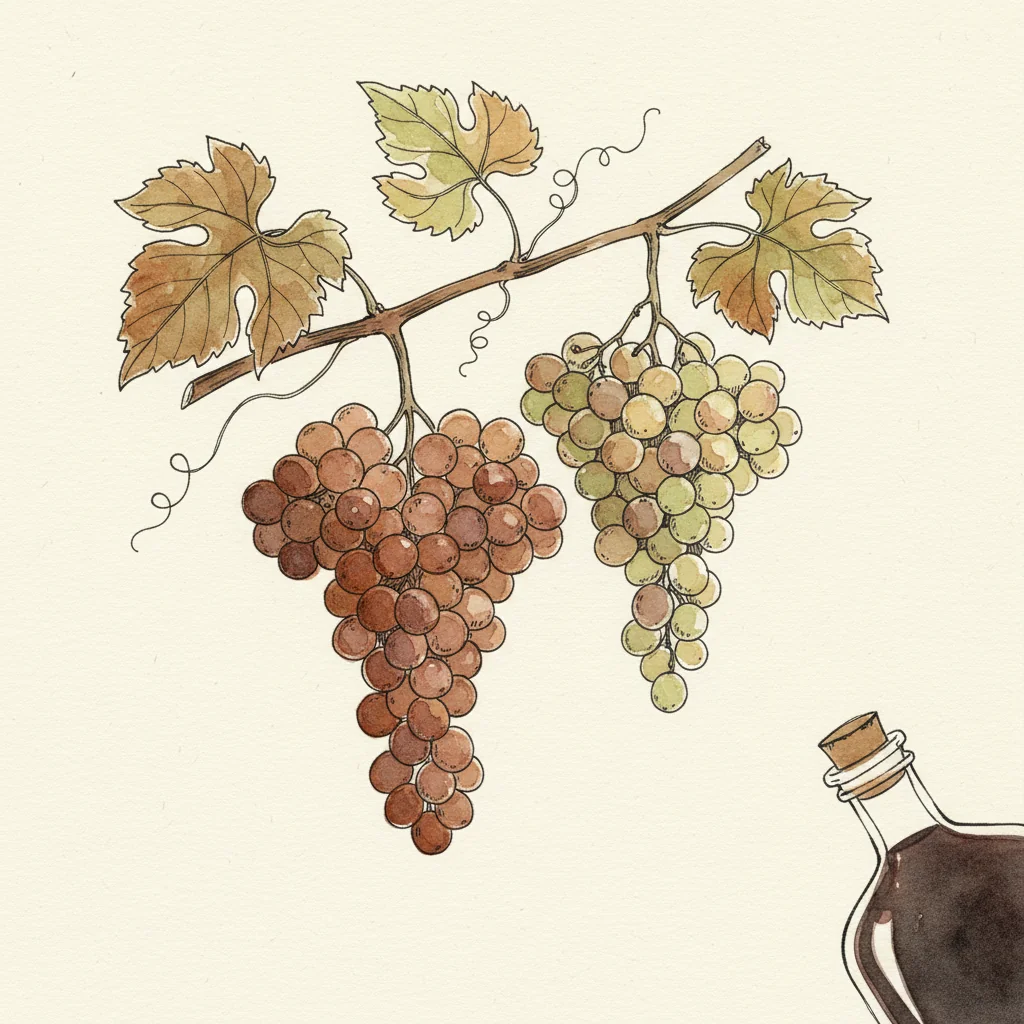
Vinegar · Fruit vinegar
Balsamic Vinegar of Modena 12-Year
Modena and Reggio Emilia, Emilia-Romagna, Italy (IGP / DOP)
cooked grape · dried fig · dark caramel
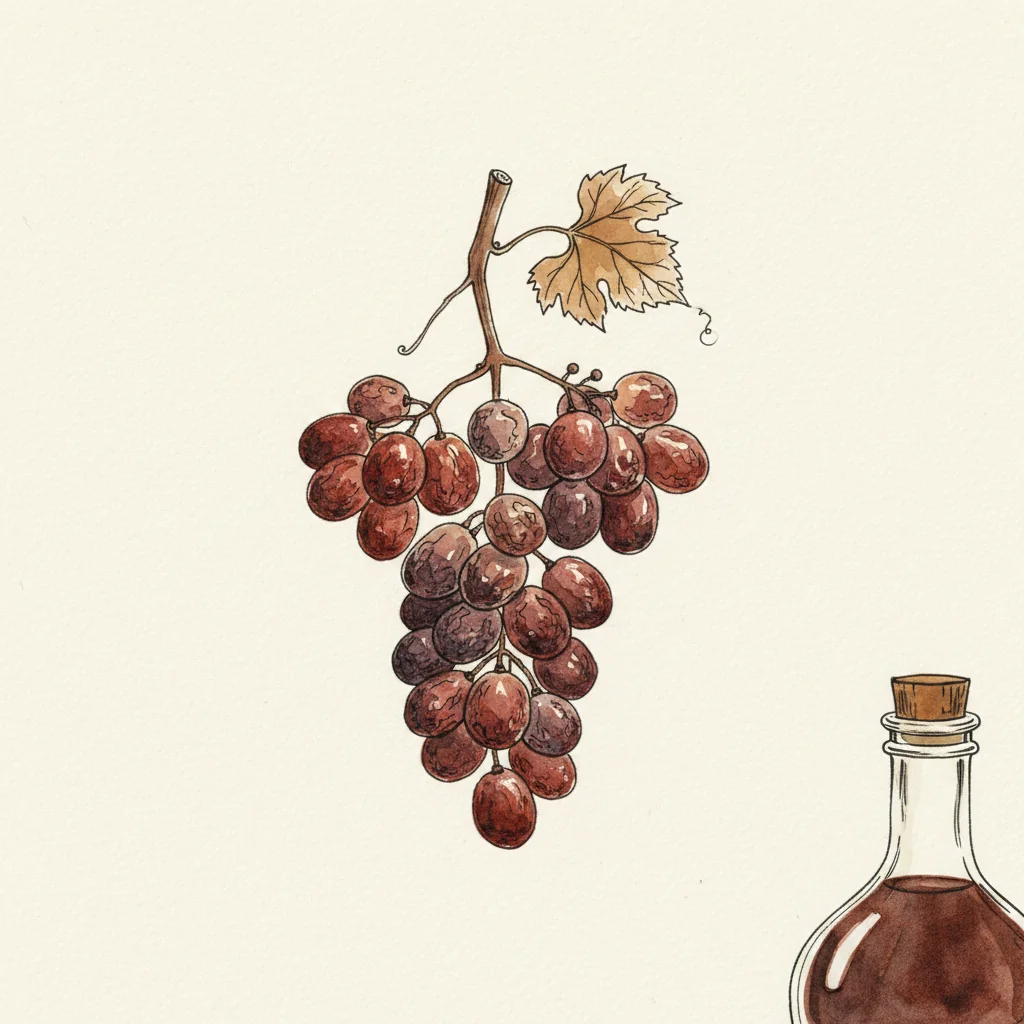
Vinegar · Sherry vinegar
Sherry Vinegar (Jerez) PDO
Jerez de la Frontera, Andalusia (the Sherry Triangle: Jerez, El Puerto de Santa María, Sanlúcar de Barrameda), Spain (PDO)
toasted walnut · dried fig · oak
Our verdict
Balsamic finishes the plate sweet; sherry is the everyday cooking acid.
At a glance
| Criterion | Balsamic Vinegar of Modena 12-Year | Sherry Vinegar (Jerez) PDO |
|---|---|---|
| What it is | Aged sweet-acid syrup from cooked must | Solera-aged wine vinegar from Jerez |
| Origin | Modena and Reggio Emilia, Italy | Jerez, Andalusia, Spain |
| Appellation | IGP / DOP | Vinagre de Jerez PDO |
| Texture & acidity | Syrupy, dense, balanced sweet-acid | Sharp and bright, then round and nutty |
| Main notes | Cooked grape, dried fig, dark caramel | Toasted walnut, dried fig, oak |
| Best use | Parmigiano, strawberries, foie gras (drops) | Gazpacho, vinaigrette, pan deglaze |
| Median price | $28 / 250ml (premium IGP) | $16 / 250ml (Reserva) |
| Value | Splurge finisher, a few drops only | The everyday cook's acid, great value |
When to choose Balsamic Vinegar of Modena 12-Year
Reach for the 12-year balsamic when the plate wants a final sweet-glossy flourish, not a working acid. It's syrupy and dense, coating the spoon, with cooked grape, dried fig, and dark caramel up front and a long woody-sweet finish — the sweet-acid balance staying silky rather than sharp. That's a finisher's profile, and it shines exactly where sherry would be too lean and sour: a few drops over aged Parmigiano, over ripe strawberries, over seared foie gras, over a beef carpaccio, even over vanilla ice cream. The sweetness is the point, the acid just there to keep it from cloying. The rule against sherry: if you want the condiment to be the last beautiful note on the plate — glossy, sweet, complex — balsamic wins, because sherry's job is to build a dish, not crown it. Grade matters and the label hides the gap: true Tradizionale di Modena DOP affinato is twelve years minimum in wood and runs $50-plus for 100ml, while a top must-forward IGP from Giusti, Leonardi, or Manicardi gives the same fig-and-caramel profile for $20 to $40. Either earns its keep raw; neither survives a pan, where long heat burns the aromatics and wastes the spend. Use it by the half-teaspoon, dripped or spooned, never poured. Where balsamic loses to sherry is the everyday workload. It's too sweet and too precious for a daily vinaigrette, a gazpacho, a pan deglaze — try to make it the cooking vinegar and you'll spend a fortune and sweeten dishes that wanted sharpness. It keeps for years and needs no fridge, so a single good IGP bottle lasts a long run of special plates. The verdict on balsamic: it's the dessert-and-cheese-board condiment, the sweet finisher you ration to drops, the one that justifies its price only on plates where its glossy sweetness is the headline. Spend on a real must-forward IGP, not a caramel-colored cheap one, and let a few drops do the work.
When to choose Sherry Vinegar (Jerez) PDO
Reach for the sherry vinegar as the everyday cooking acid — this is the cook's vinegar, the one you actually build dishes with. Vinagre de Jerez is solera-aged in oak under PDO rules in the Sherry Triangle of Andalusia, so it pours sharp up front then turns round and nutty, with toasted walnut, dried fig, oak, and an oxidative depth no wine vinegar matches. That combination of clean acid and savory nuttiness is what makes it so useful: it's the backbone of gazpacho and salmorejo, the splash that lifts sautéed mushrooms and a pan deglaze, the acid in a vinaigrette for bitter greens and lentils, the finish on roast chicken or pork drippings. The rule against balsamic: anywhere the dish needs brightness and tension rather than sweetness, sherry wins outright — and that's most savory cooking. Where balsamic would sweeten and gloss, sherry sharpens and deepens. It's also the smarter spend for daily use: a good 250ml Reserva, the two-year everyday workhorse, runs about $12 to $15, and you use it freely in dressings and pans, roughly one part vinegar to four parts oil. Step up to Gran Reserva (ten years-plus) when you want a splurge finishing splash, but the Reserva does the heavy lifting. The rule of restraint here is different from balsamic's: don't simmer it for long, which flattens the nutty oxidative notes, and don't stack it with another sharp aged vinegar that would muddy it. Where sherry loses to balsamic is the sweet flourish. It has no real sweetness, so on strawberries, on ice cream, on a Parmigiano-and-fig cheese board, it reads austere — there the balsamic's syrupy gloss is what you want. Keep sherry tightly capped at room temperature; it's extremely stable, keeps for years opened, and only deepens, and a little sediment in an aged bottle is normal. The verdict: sherry is the indispensable everyday acid and the better value, the bottle that earns its place by working every week; balsamic is the occasional sweet finisher. Most kitchens want both, but if you cook savory food daily, buy the sherry first.
Where to buy?
Balsamic Vinegar of Modena 12-Year
Links checked on
| Merchant | Price | Action |
|---|---|---|
| Amazon US | — | Amazon US |
| Sous Chef UK | — | Sous Chef UK |
Prices may vary depending on current promotions on the merchant site.
Sherry Vinegar (Jerez) PDO
Links checked on
| Merchant | Price | Action |
|---|---|---|
| Amazon US | — | Amazon US |
| Sous Chef UK | — | Sous Chef UK |
| Brindisa | — | Brindisa |
Prices may vary depending on current promotions on the merchant site.
Frequently asked questions
- What's the difference between balsamic and sherry vinegar?
- Balsamic is a syrupy, sweet-acid syrup from cooked grape must, aged sweet and glossy. Sherry vinegar is a sharp, nutty wine vinegar solera-aged in oak. Balsamic finishes plates sweet; sherry is the bright working acid you cook and dress with.
- Which one should I cook with day to day?
- Sherry, easily. Its clean acid and walnut-oak depth make gazpacho, vinaigrettes, and pan deglazes, and a Reserva runs about $16. Balsamic is too sweet and too precious for daily cooking — save it for the finishing drizzle.
- Can I substitute one for the other?
- Rarely. They pull opposite directions — sweet versus sharp. On a sweet plate (strawberries, foie gras) only balsamic works; on a savory dressing or deglaze, only sherry's brightness does. Swapping them changes the dish, not just the brand.
- Which is better value?
- Sherry, for everyday use — about $16 for a 250ml Reserva you'll pour freely. Premium IGP balsamic runs $20 to $40 and you ration it to drops. Sherry earns its place weekly; balsamic is the occasional splurge.
The best pairings
With Balsamic Vinegar of Modena 12-Year
With Sherry Vinegar (Jerez) PDO
Comparison prepared according to our methodology. Sponsored purchase links — see our affiliations.