
Comparison
Aleppo pepper vs smoked paprika: when to use each?
Aleppo is a fruity finishing flake: sweet-sour raisin, 4/10 warmth, dusted dry over the plate. Smoked paprika de la Vera is a ground, oak-smoked DOP powder you bloom in oil early for deep smoke, not heat. Want bright fruit on hummus and eggs, buy Aleppo. Want built-in wood smoke in chorizo and bravas, buy paprika.
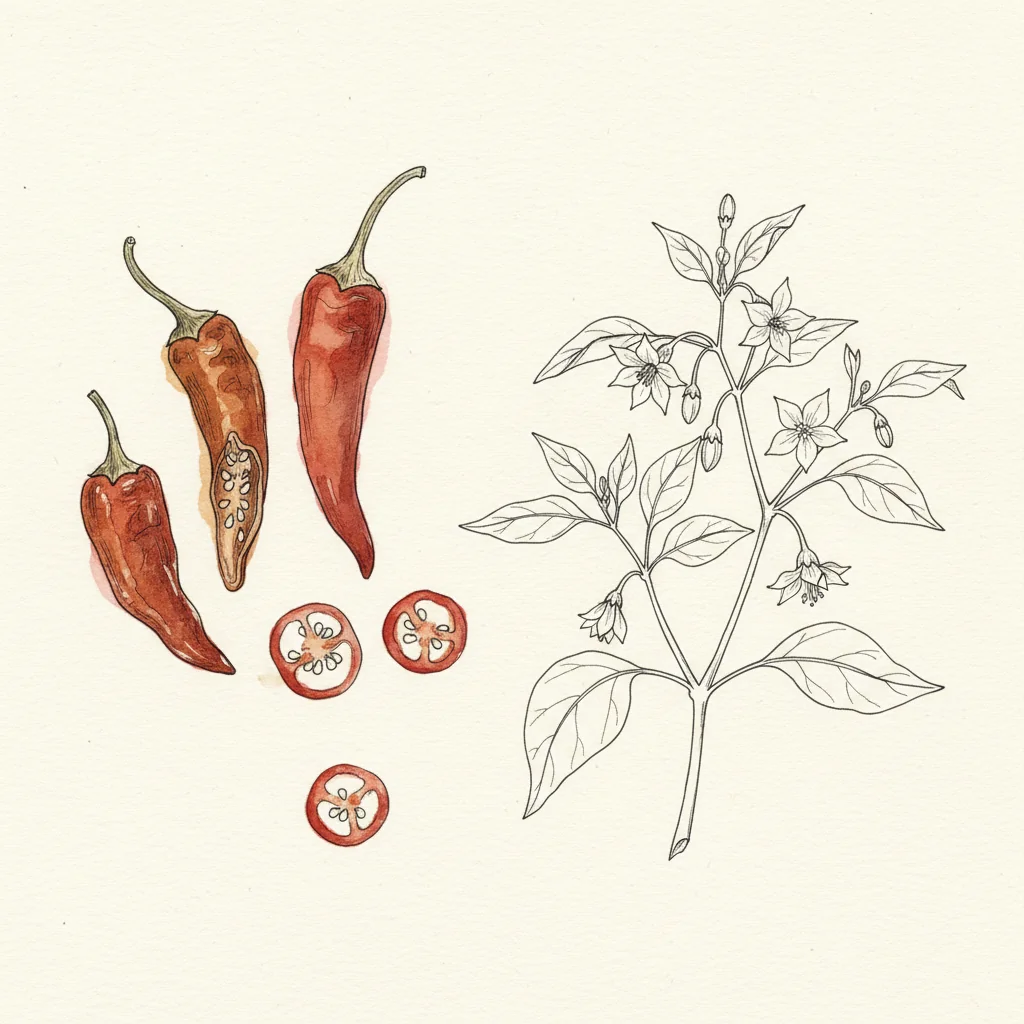
Spice · Chile
Aleppo Pepper
Southern Turkey (Gaziantep, Kahramanmaraş) and northern Syria (Aleppo), Turkey / Syria
sweet-sour fruit · raisin · sun-dried tomato
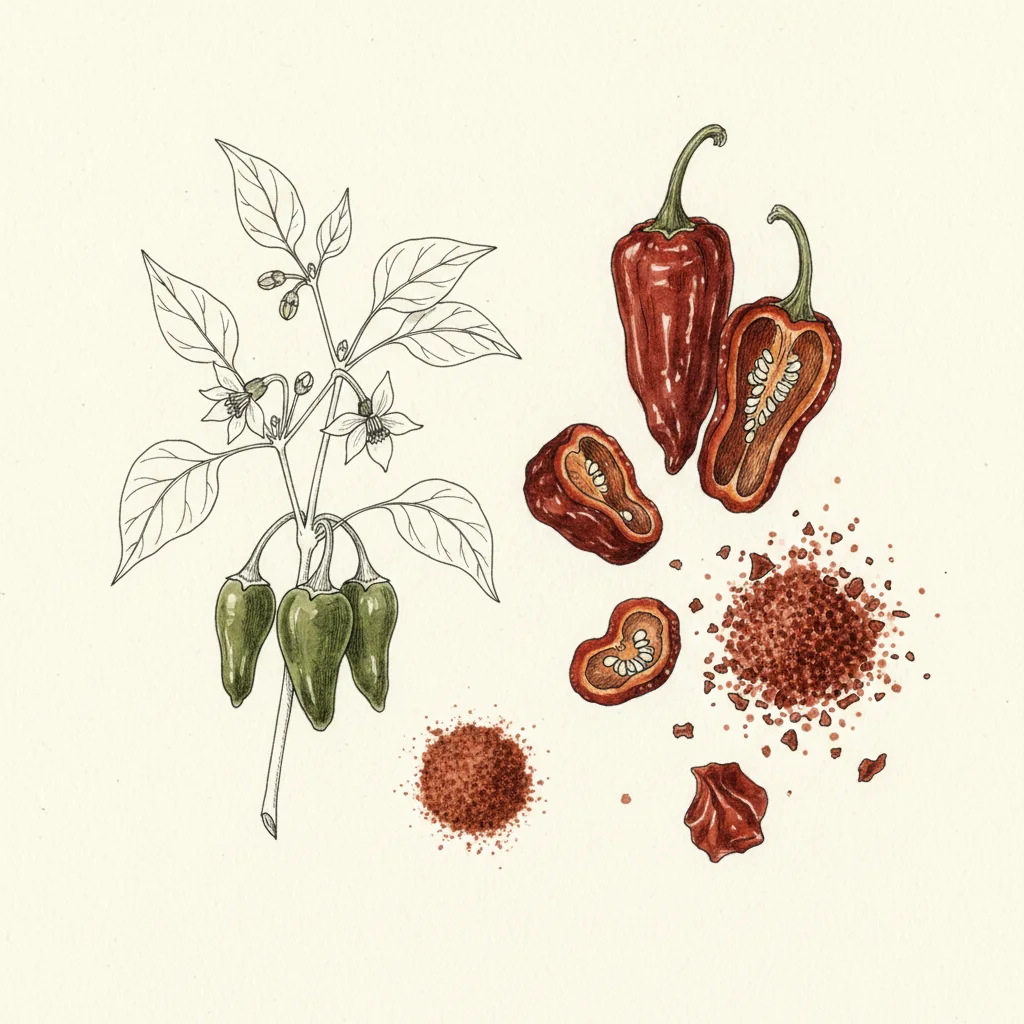
Spice · Paprika
Smoked Paprika de la Vera DOP
La Vera comarca, northern Extremadura (Cáceres province), Spain (DOP)
deep oak smoke · roasted red pepper · grilled meat
Our verdict
Aleppo to finish with bright fruit, smoked paprika to cook in deep smoke.
At a glance
| Criterion | Aleppo Pepper | Smoked Paprika de la Vera DOP |
|---|---|---|
| Origin | Southern Turkey / northern Syria | La Vera, Caceres, Spain (DOP since 1993) |
| Flavor profile | Sweet-sour fruit, raisin, sun-dried tomato | Deep oak smoke, roasted red pepper, grilled meat |
| Intensity | 4/10 fruity warmth | Dulce grade carries no burn, only smoky depth |
| Form | Dry garnet flakes | Stone-milled powder, three grades (dulce, agridulce, picante) |
| When it goes in | Finishing, dusted over the plate | Early, bloomed in warm oil off direct heat |
| Best use | Hummus, eggs, tomato salads, grilled lamb | Chorizo, patatas bravas, pulpo, BBQ rubs, romesco |
| Median price | ~$9 / 50g jar | ~$9 / 50g tin |
When to choose Aleppo Pepper
Aleppo pepper is the bright finisher, and you choose it when you want fruit and a flake's texture on top, not smoke cooked through. Grown and milled in southern Turkey, sold as pul biber, it carries a sweet-sour, raisin-and-tomato fruit and a mild, oily warmth, a gentle 4 out of 10. It stays a dry flake you scatter at the end, which is the opposite of smoked paprika's job. Four scenarios where Aleppo wins. First, over hummus, labneh and Greek yogurt, where its fruity garnet flakes finish the plate; smoked paprika here would read heavy and one-note. Second, on eggs and shakshuka, where you want a clean fruity warmth, not wood smoke at breakfast. Third, tomato salads and roasted carrots or squash, where the sweet-sour edge meets the vegetable raw or roasted. Fourth, grilled lamb finished at the table, where the flake's texture and color matter. The rule: dust it over the plated dish, one to two teaspoons for four, roughly 2 grams a portion. Don't try to cook it into a base the way you would paprika; long heat flattens the fruit. The two aren't really rivals so much as opposite tools: Aleppo is a finishing flake with no smoke, smoked paprika is a cooking powder built entirely around smoke. If your dish wants brightness and a sprinkle of texture at the end, that's Aleppo. Color is your freshness gauge, garnet alive, brown dead, keeps about 15 months. Around $9 a jar, the easy everyday finisher.
When to choose Smoked Paprika de la Vera DOP
Smoked paprika de la Vera is the cooking powder you choose when you want deep, built-in oak smoke through the whole dish. This is real Spanish smoked paprika, not the air-dried Hungarian kind: the peppers are smoked for two weeks over an oak fire in La Vera, then stone-milled, so the smoke is built in, not sprayed on. It's DOP-protected since 1993 and comes in three grades, dulce (sweet), agridulce (bittersweet) and picante (hot), with the dulce carrying no burn at all, only depth. Four scenarios where paprika is the answer, and Aleppo simply can't do the job. First, homemade chorizo, where the smoke has to be the meat's defining flavor from the inside out. Second, patatas bravas and Galician-style octopus, the classic dusting that's actually about smoke, not heat. Third, BBQ rubs for chicken and ribs, where it adds the smoked-over-fire note before the grill even starts. Fourth, romesco and bean stews, where it bloomed into the base carries the whole pot. The rule, and the catch: bloom it early in warm oil off direct heat so the color releases without scorching. High dry heat scorches the sugars and turns it bitter in seconds, so never dust it on a screaming pan. One teaspoon for a dish serving four, or a tablespoon per kilo of meat for a marinade. Don't double it onto dishes already smoked, like smoked salmon or scamorza. Store it in an airtight tin away from light; the brick-red color and smoke hold about 18 months before it oxidizes toward brown, so buy a small tin and use it up. At around $9 a tin, it's the one spice that puts wood smoke into a dish with no smoker. Where this beats Aleppo: if smoke is the point, this is the only one of the two that delivers it.
Where to buy?
Aleppo Pepper
Links checked on
| Merchant | Price | Action |
|---|---|---|
| Burlap & Barrel (Silk Chili) | — | Burlap & Barrel (Silk Chili) |
| Amazon US | — | Amazon US |
| Sous Chef UK | — | Sous Chef UK |
Prices may vary depending on current promotions on the merchant site.
Smoked Paprika de la Vera DOP
Links checked on
| Merchant | Price | Action |
|---|---|---|
| Amazon US | — | Amazon US |
| Burlap & Barrel | — | Burlap & Barrel |
| Sous Chef UK | — | Sous Chef UK |
Prices may vary depending on current promotions on the merchant site.
Frequently asked questions
- Can smoked paprika replace Aleppo, or vice versa?
- Not cleanly. Aleppo is a fruity, unsmoked finishing flake; smoked paprika is a smoky ground powder for cooking. Swap one for the other and you change the whole character of the dish, gaining or losing wood smoke. They solve different problems.
- Which is hotter?
- Aleppo, in its standard form, sits at a gentle 4 out of 10. Smoked paprika dulce has no real heat at all, only smoky depth; the picante grade adds some burn. If you want warmth, Aleppo or picante paprika. If you want smoke without heat, dulce paprika.
- Why can't I just dust smoked paprika on at the end like Aleppo?
- Raw, it can taste dusty and the smoke sits flat. Smoked paprika wants to be bloomed in warm oil off the heat so the color and smoke release into the dish. Aleppo, by contrast, is built to be dusted on at the end. Different timing, different tools.
- What does DOP mean on the paprika tin?
- It certifies the paprika was grown and oak-smoked in the La Vera region of Spain to a protected standard, in place since 1993. It's your guarantee the smoke is real wood-smoke built in during processing, not liquid smoke sprayed on a generic powder.
The best pairings
With Aleppo Pepper
With Smoked Paprika de la Vera DOP
Comparison prepared according to our methodology. Sponsored purchase links — see our affiliations.