
Comparison
Danish smoked salt vs Hawaiian black lava salt: which to choose?
Different jobs entirely. Danish smoked salt is the most intense smoke you can buy, beech-and-oak depth that builds for seconds, around $9 to $11 a jar. Black lava salt is glossy charcoal crystals for contrast on pale food, about $8 to $14, with barely any smoke. Want flavor, Danish wins outright; want the black streak, lava is the only choice.
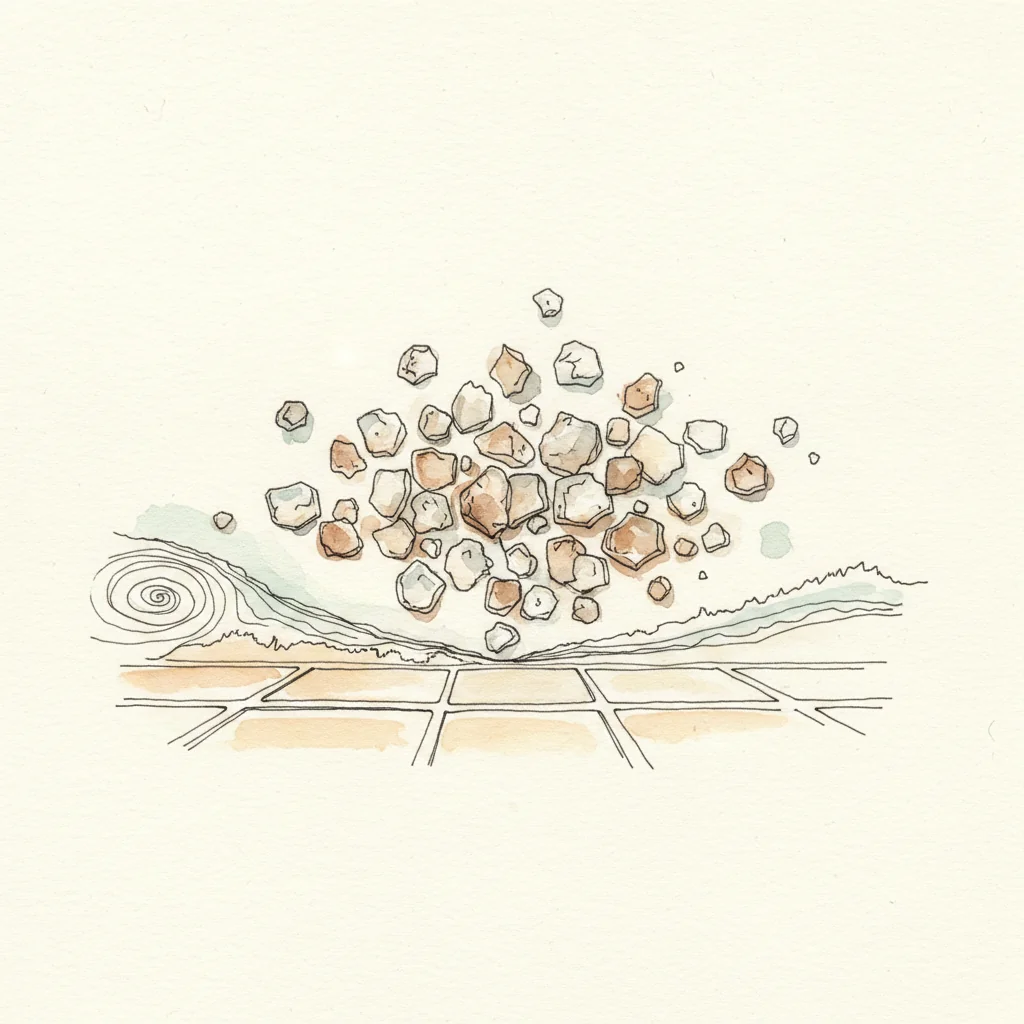
Salt · Smoked sea salt
Danish Smoked Salt
Læsø, an island in the Kattegat strait (historic salt-boiling site), Denmark
beech and oak smoke · salted bacon · roasted wood
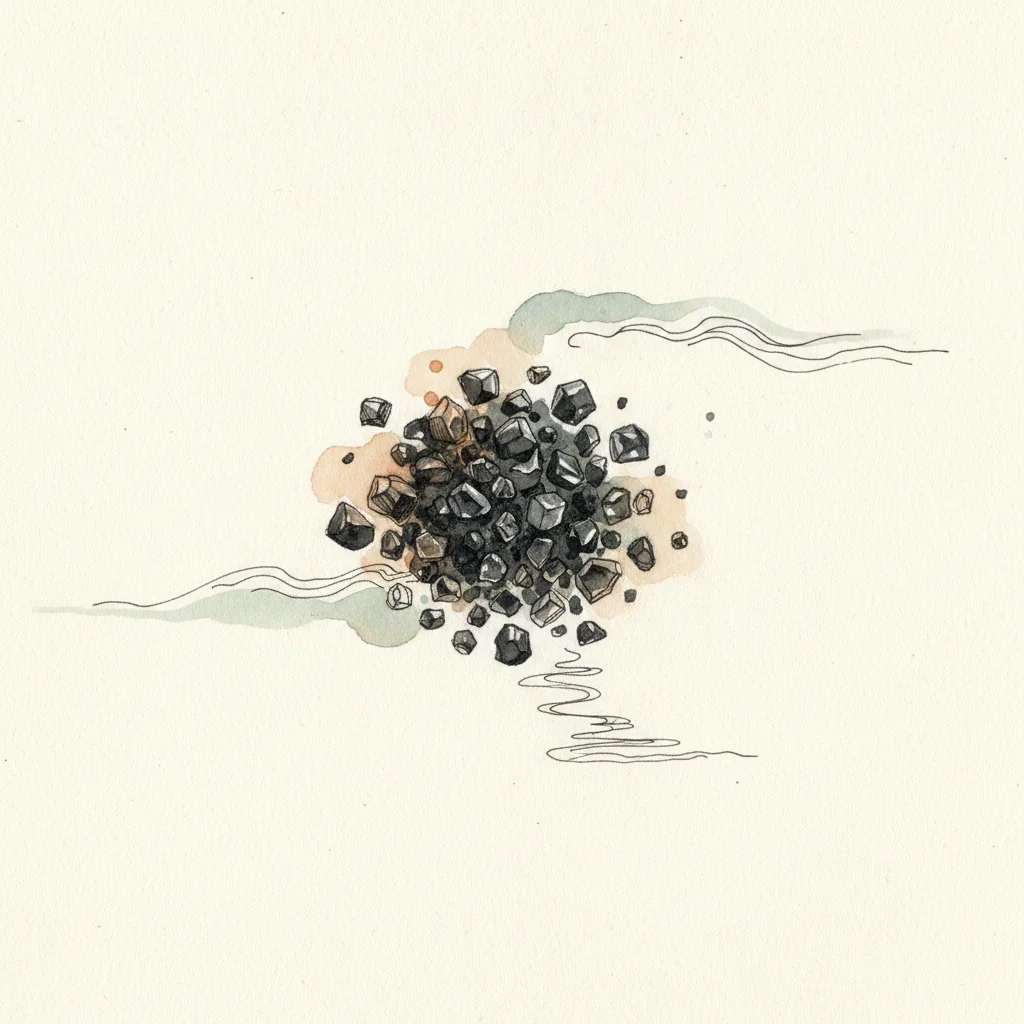
Salt · Seasoned salt
Hawaiian Black Lava Salt (Hiwa Kai)
Molokai, Hawaiian archipelago (Pacific solar-evaporated sea salt), United States
round clean salinity · faint smoke · marine mineral
Our verdict
Danish smoked salt for deep flavor; black lava salt purely for the look.
At a glance
| Criterion | Danish Smoked Salt | Hawaiian Black Lava Salt (Hiwa Kai) |
|---|---|---|
| Origin | Læsø, Kattegat strait, Denmark, cold-smoked over hardwood in the Viking tradition | Molokai, Hawaii (Pacific sea salt) cut with activated coconut charcoal |
| What it actually is | Sea salt smoked over beech and oak for days. Real, layered smoke | Sea salt blacked by charcoal. The color is the product, not a mineral |
| Profile | Beech and oak smoke, salted bacon, roasted wood, burnt-caramel close | Round clean salinity, faint smoke, soft charcoal trace |
| Intensity | 8/10 — the smoke builds in layers and outlasts the salt | 6/10 — mild, flavor secondary to appearance |
| Texture | Amber crystals that dissolve slowly, releasing smoke as they go | Glossy crystals, firm crack then a fast clean melt |
| Best use | Finishing salmon, scrambled eggs, mash, brisket, dark-chocolate desserts | Finishing seared tuna, scallops, crudo, deviled eggs, white panna cotta |
| Price | ~$9 to $11 for a small jar | ~$8 to $14 for a small jar |
| Value verdict | Worth it once, the deepest smoke on the shelf, read the label | Worth it only for the contrast; you are paying for the color |
When to choose Danish Smoked Salt
Reach for Danish smoked salt when you want smoke as a serious flavor, not a hint. It is sea salt cold-smoked over beech and oak for days in the Viking tradition kept on the island of Læsø, and it lands at the top of the smoked-salt range: beech-and-oak smoke, salted bacon, roasted wood and a burnt-caramel sweetness that closes long. The amber crystals dissolve slowly, so the smoke builds in layers and outlasts the salinity itself. That makes it the pick for seared or cured salmon, scrambled eggs, mashed potatoes, BBQ brisket and pulled pork, roasted tomatoes, homemade popcorn, even dark-chocolate and caramel desserts where a few flakes turn sweet into savory-sweet. Because the smoke is so concentrated, dose with a small pinch per portion and taste as you go, especially on anything already smoked. The catch is the usual one: heat burns the aromatic compounds off in about a minute, so this is a finishing salt, full stop. Cook with it and you have paid for smoke that evaporates before it reaches the plate. Season raw food with cheap coarse salt, cook, then finish with the Danish off the heat. A small jar runs about $9 to $11 and keeps 18 to 24 months, though it loses intensity over time, so buy small and use within a year. One label check: you want real wood-smoked salt, not a liquid-smoke seasoning.
When to choose Hawaiian Black Lava Salt (Hiwa Kai)
Reach for Hawaiian black lava salt when you are plating for the eye. Hiwa Kai is Pacific sea salt blended with activated coconut-shell charcoal, and the charcoal is what makes the crystals glossy black, not a volcanic mineral. The flavor is round and clean with only a faint smoke and a soft velvety trace, so against a real smoked salt like the Danish it will always lose on taste. What it offers instead is contrast no flake can match: jet-black crystals on pale food. Seared rare tuna, raw scallops, crudo, hummus, white bean dips, soft-boiled eggs, sushi, poke, white panna cotta, salted caramel. The look does as much work as the flavor, which is exactly why you keep it for light surfaces and never scatter it on something already dark, where you lose the draw. The catch: heat bleeds the color out, so finish raw and off the heat or you have wasted it. It cracks firmly, then melts fast and clean with an earthy mineral finish and no bitterness. A small jar runs about $8 to $14 and keeps for years, the charcoal being stable and fade-proof in the jar. If the decision is about flavor, the Danish wins without discussion. Choose lava only when the black streak is the signature of the dish, not its seasoning, and when the contrast against pale food is the effect you are after.
Where to buy?
Danish Smoked Salt
Links checked on
| Merchant | Price | Action |
|---|---|---|
| Amazon US | — | Amazon US |
| Salt Traders | — | Salt Traders |
| Sous Chef UK | — | Sous Chef UK |
Prices may vary depending on current promotions on the merchant site.
Hawaiian Black Lava Salt (Hiwa Kai)
Links checked on
| Merchant | Price | Action |
|---|---|---|
| Amazon US | — | Amazon US |
| SaltWorks (seasalt.com) | — | SaltWorks (seasalt.com) |
Prices may vary depending on current promotions on the merchant site.
Frequently asked questions
- Which has the stronger smoke?
- Danish smoked salt, clearly. It is cold-smoked over beech and oak for days and the smoke builds in layers, rating 8/10. Black lava salt carries only a faint smoke at 6/10, where the flavor is secondary to the look.
- Is black lava salt volcanic?
- No. It is Pacific sea salt blended with activated coconut-shell charcoal, which is what makes it glossy black. There is no volcanic mineral involved; the charcoal is the color and the source of its faint smoke.
- Can I use either for cooking?
- No, both are finishing salts. Heat burns the smoke off the Danish in about a minute and bleeds the color out of the lava salt. Season and cook with cheap coarse salt, then finish raw, off the heat.
- Which is the better buy?
- For flavor, Danish smoked salt at $9 to $11 is the deeper, more useful jar. Black lava salt at $8 to $14 is worth buying only if you specifically want the jet-black contrast on pale dishes.
The best pairings
With Danish Smoked Salt
With Hawaiian Black Lava Salt (Hiwa Kai)
Comparison prepared according to our methodology. Sponsored purchase links — see our affiliations.