
Comparison
Yucatán Habanero vs Chipotle Morita
Different chiles for opposite jobs. Yucatán habanero is a fierce 9-out-of-10 fresh chile, all tropical fruit and floral perfume before a long burn — for hot sauce, salsa and ceviche. Chipotle morita is a smoke-dried jalapeño, moderate at 6 out of 10, built for adobo and braises. Want raw, fruity fire: habanero. Want smoky depth in a cooked dish: chipotle.
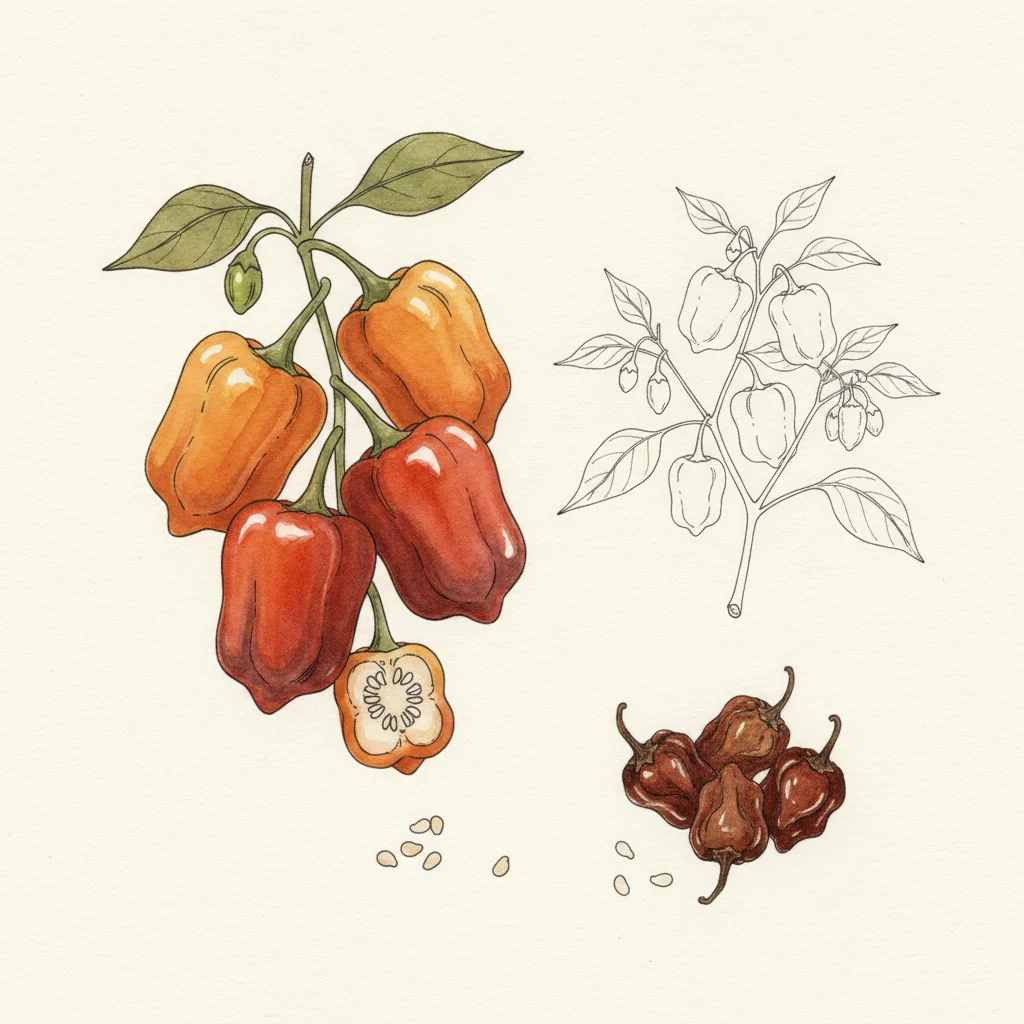
Spice · Chile
Yucatán Habanero
Yucatán Peninsula (Yucatán, Campeche, Quintana Roo), Mexico (PDO (Habanero de la Península de Yucatán, 2010))
intense fruity-floral · ripe apricot · green mango
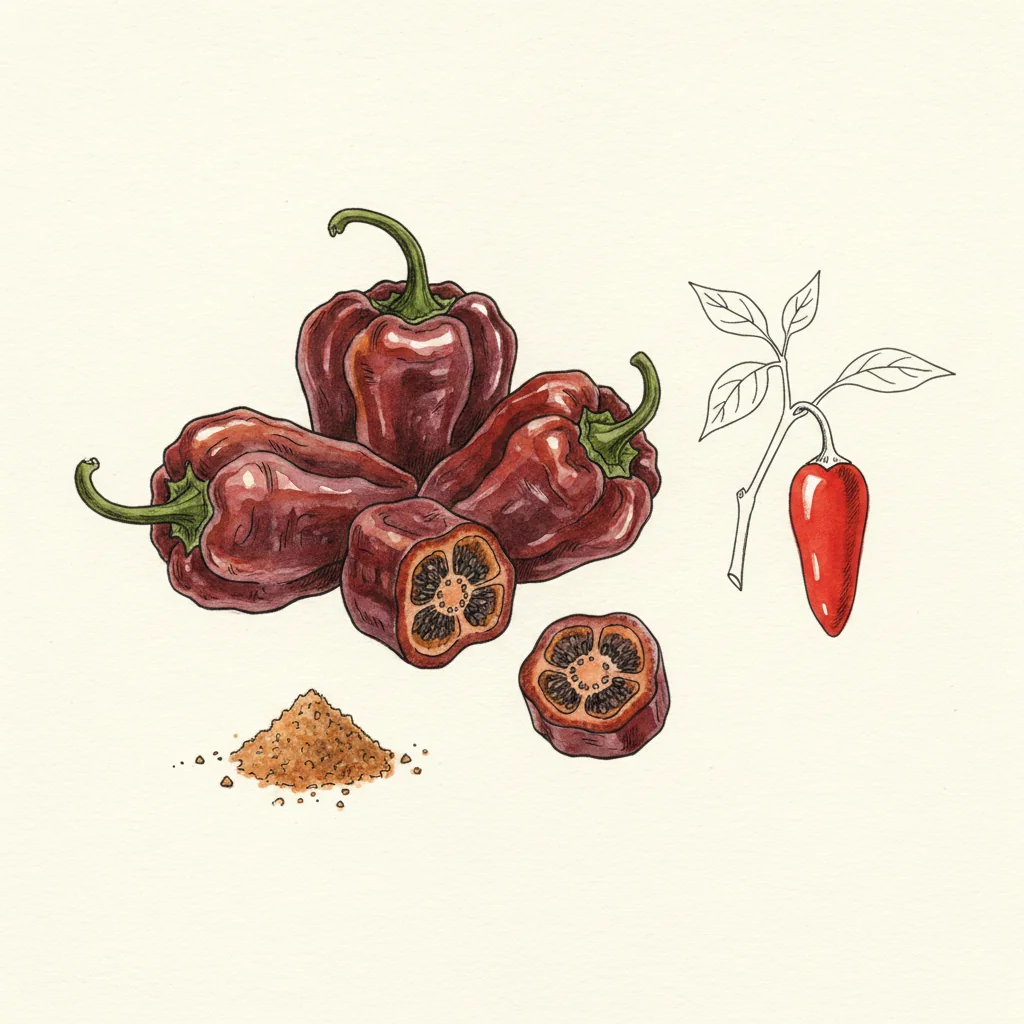
Spice · Dried smoked chile
Chipotle Morita
Chihuahua and Veracruz, Mexico
wood smoke · dried cherry · tobacco leaf
Our verdict
At a glance
| Criterion | Yucatán Habanero | Chipotle Morita |
|---|---|---|
| Yucatán Peninsula, Mexico (PDO since 2010) | Mexico, Chihuahua and Veracruz (smoke-dried jalapeño) | |
| Intense fruity-floral, ripe apricot, mango, orange blossom | Wood smoke, dried cherry, tobacco, cocoa | |
| 9/10 — 100,000–350,000 Scoville, long fierce burn | 6/10 — ~12,000–26,000 Scoville, slow smoky heat | |
| Salsa habanera, hot sauce, ceviche, cochinita pibil | Adobo, BBQ sauce, black-bean braises, brisket rubs | |
| Fresh or dried, minced raw or roasted — gloves required | Dried pods, toasted then soaked and blended into sauce | |
| ~$9 for 2 oz of dried whole pods | ~$5.50 for a 4 oz bag of whole pods |
When to choose Yucatán Habanero
Reach for Yucatán habanero when the heat itself is the headline and you want it wrapped in fruit, not smoke. It's the signature chile of the peninsula, PDO-protected in Mexico since 2010, and it runs 100,000 to 350,000 Scoville — a fierce 9 out of 10. But the real reason to buy it is aromatic: ripe apricot, mango and orange blossom that arrive before the burn lands and spreads across the whole mouth for five to ten minutes. That perfume is why it owns salsa habanera, homemade hot sauce, fish ceviche, cochinita pibil and spicy guacamole. Use it raw and minced into cold sauces, or roast then blend it to round off the heat. A quarter of one fresh chile seasons a dish for four — and gloves are non-negotiable, because the capsaicin is fierce and will linger on your hands. Skip it on anything delicate or on heat-sensitive guests. This is the chile for people who want their food to actually fight back, with a tropical nose on the way in.
When to choose Chipotle Morita
Choose chipotle morita when you want smoky depth and a manageable warmth cooked into the dish, not raw fire. It's a ripe red jalapeño smoke-dried over wood until it turns brick-purple and leathery — fruitier and brighter than the meco, the more common of the two chipotles. Heat is moderate, a 6 out of 10 around 12,000 to 26,000 Scoville, which is a fraction of the habanero's. The smoke is the point: it's the backbone of adobo, BBQ sauce, black-bean soup, salsa roja and brisket rubs. Toast a pod in a dry pan 30 seconds, soak it in hot water 15 minutes, then blend it into a sauce, or simmer it whole into a braise and pull it out at the end. One or two pods for a salsa serving four; three or four for a full pot. Where habanero is a raw finisher, chipotle is a cooking chile that builds smoke and dried-fruit warmth from the base. At about $5.50 a 4 oz bag, it's the cheaper, gentler, smokier of the two.
Where to buy?
Yucatán Habanero
Links checked on
| Merchant | Price | Action |
|---|---|---|
| Amazon US | — | Amazon US |
| Sonoran Spice | — | Sonoran Spice |
Prices may vary depending on current promotions on the merchant site.
Chipotle Morita
Links checked on
| Merchant | Price | Action |
|---|---|---|
| Amazon US | — | Amazon US |
| Sous Chef UK | — | Sous Chef UK |
Prices may vary depending on current promotions on the merchant site.
Frequently asked questions
- Which is hotter?
- Habanero, by a wide margin. It runs 100,000 to 350,000 Scoville — a 9 out of 10 — while chipotle morita sits around 12,000 to 26,000, a moderate 6. They aren't in the same heat league; habanero is several times fiercer.
- Can chipotle replace habanero?
- Not for heat — you'd need many times the chipotle to match a habanero's burn, and you'd add smoke that isn't wanted in a fresh salsa. They serve different dishes: habanero for raw, fruity fire, chipotle for smoky cooked depth. Treat them as separate tools.
- Do I need gloves?
- For habanero, always — the capsaicin is fierce and clings to skin for hours, then to your eyes if you forget. Chipotle is dried and much milder, so gloves are optional, though washing up after handling either is just good practice.
- Which is more versatile?
- Chipotle, for most home kitchens. Its smoky, moderate heat folds into braises, sauces and rubs across Mexican and barbecue cooking. Habanero is more specialized — brilliant in hot sauce, ceviche and pibil, but too fierce and too floral for everyday seasoning.
The best pairings
With Yucatán Habanero
With Chipotle Morita
Comparison prepared according to our methodology. Sponsored purchase links — see our affiliations.