
Comparison
Halen Môn vs Jacobsen flake salt: which to choose?
Both are finishing salts; pick by zip code and dish. Halen Môn, PDO-certified off Anglesey, is the softer, sweeter UK default at about £6 a tub. Jacobsen, hand-harvested from Oregon's Netarts Bay, hits a brighter Pacific brine and runs pricier in the US at roughly $15. Same job, different terroir — buy the local one.
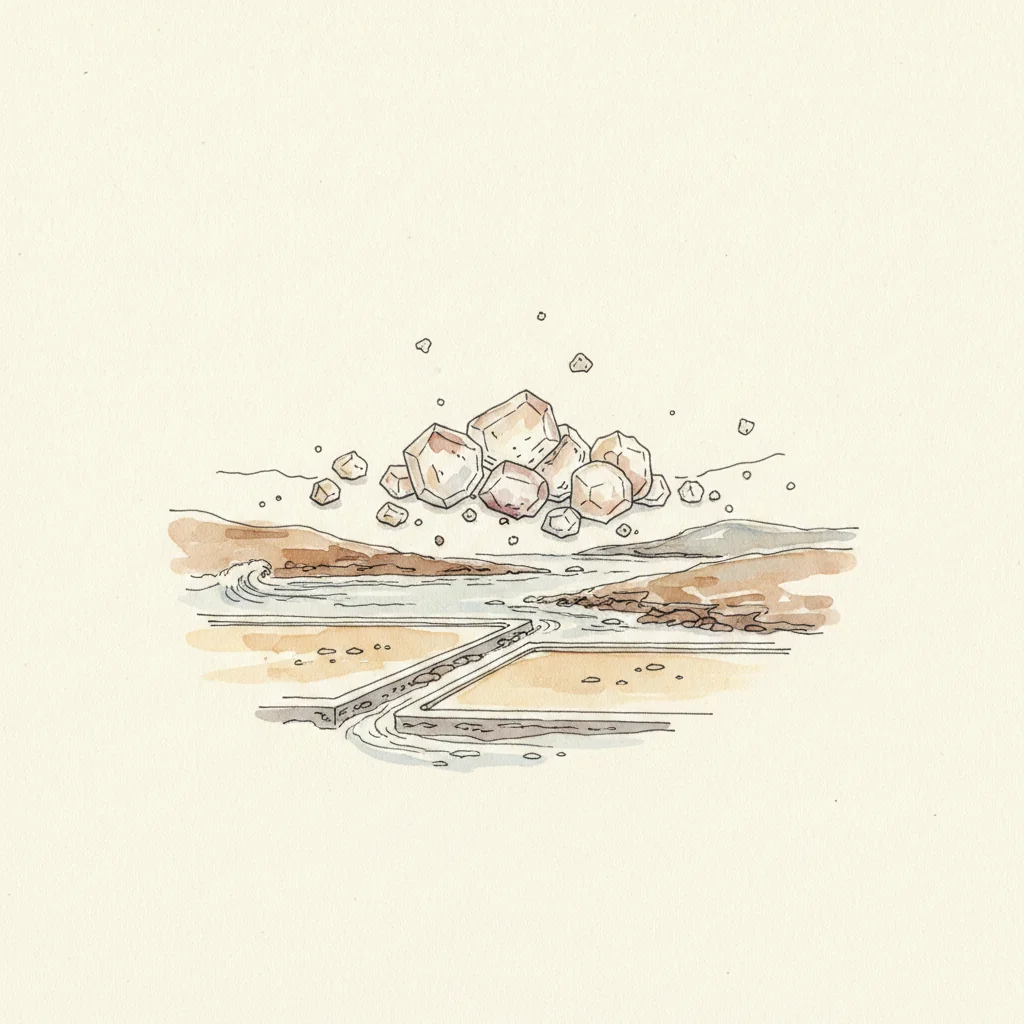
Salt · Flaky sea salt
Halen Môn Sea Salt
Anglesey, Menai Strait, Wales (PDO)
clean brine · soft mineral · gentle sweetness
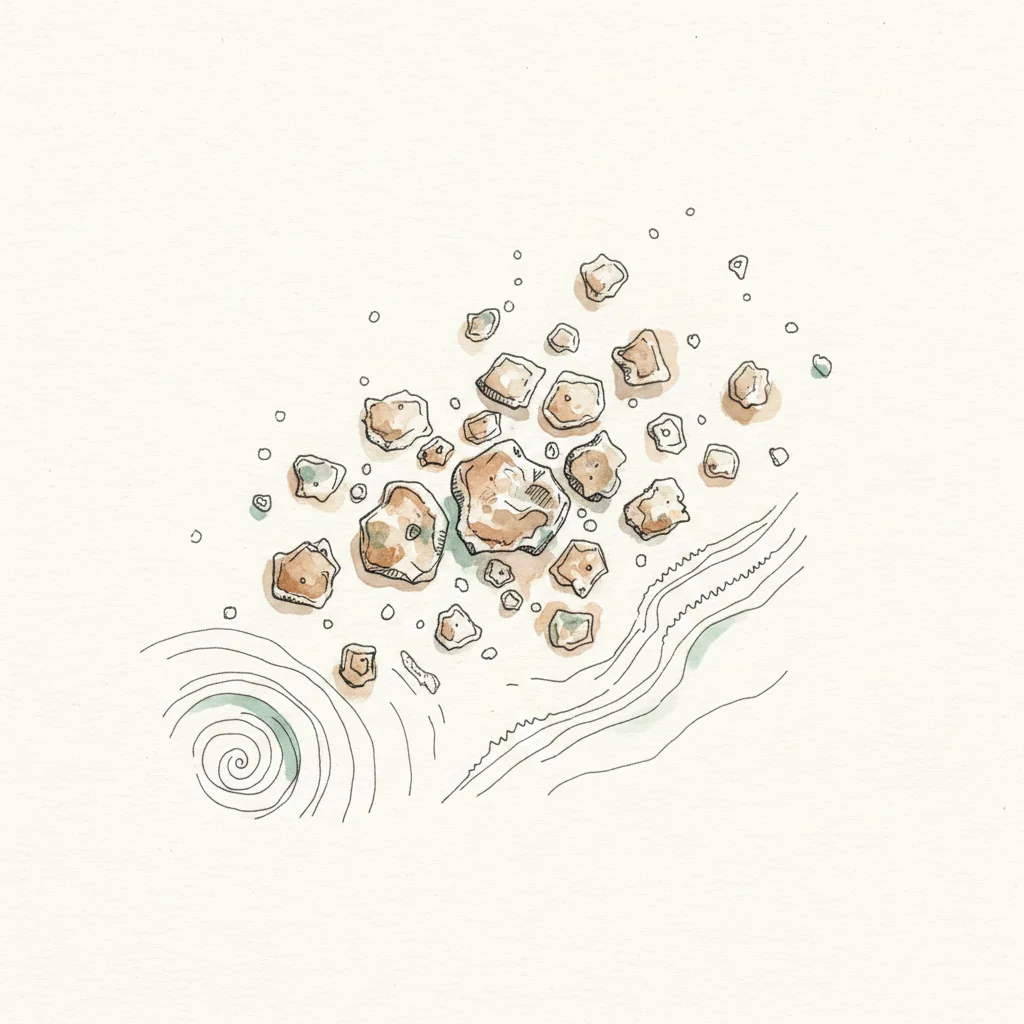
Salt · Flaky sea salt
Jacobsen Pure Flake Salt
Netarts Bay, Oregon coast, United States
bright Pacific brine · clean mineral · soft sweetness
Our verdict
Halen Môn for the UK roast, Jacobsen for the US steak — buy whichever ships cheap to your kitchen.
At a glance
| Criterion | Halen Môn Sea Salt | Jacobsen Pure Flake Salt |
|---|---|---|
| Origin | Wales, Anglesey — Menai Strait | United States, Oregon — Netarts Bay |
| Certification | PDO-protected since 2014 | None — small-batch hand-harvested |
| Intensity | 6/10 — soft, gently sweet | 7/10 — bright, clean Pacific brine |
| Main notes | Clean brine, soft mineral, gentle sweetness | Bright Pacific brine, clean mineral, soft sweetness |
| Crunch | Light, dissolves fast and clean | Crisp pyramid flake, holds a touch longer |
| Best for | Sunday roast, Welsh lamb, roast potatoes, bread and butter | Seared steak, scrambled eggs, oysters, ripe tomatoes |
| Median price | ~£6 / 100g tub | ~$15 / 4 oz box |
| Value | PDO provenance for the price of a sandwich — worth it | Splurge flake; the brine is real but you pay for Oregon |
When to choose Halen Môn Sea Salt
Reach for Halen Môn when you're cooking in the UK and the dish is British comfort food. It's the salt for the Sunday roast: pinch it over Welsh lamb after the rest, scatter it on roast potatoes straight from the tin, drop a few flakes on hot buttered bread. The PDO certification (granted in 2014) isn't marketing fog — it ties the salt to seawater drawn from the Menai Strait off Anglesey, filtered through a mussel bed before it's ever boiled down. That provenance is the reason it tastes of clean brine and a faint sweetness rather than flat sodium. At about £6 a tub it's the cheapest honest provenance in the kitchen, and a tub lasts a year of roasts. Use it where the salt is meant to disappear into the dish with one clean hit of crunch, not announce itself. The softer flake also makes it the friendlier salt for finishing fish — a seared fillet wants a gentle mineral lift, not a brawl. One more case: dark chocolate. A couple of crushed flakes on a square of 70% does the job Maldon does, at a lower price point if you're shopping UK shelves. The rule: if you're in Britain and the recipe is a roast, Halen Môn is the default and you rarely need to look past it. Skip it for anything that boils — the crunch you paid for dissolves in braising water, and a cheaper coarse salt does that work. Don't waste it in a brine for the same reason. And if the dish is already heavily seasoned, the soft mineral note gets buried; save the tub for the plate.
When to choose Jacobsen Pure Flake Salt
Reach for Jacobsen when you're cooking in the US and want a finishing flake with a brighter edge. Harvested by hand from Netarts Bay on the Oregon coast, it carries a cleaner, more assertive Pacific brine than Halen Môn's gentle Welsh sweetness — the difference between a crisp sea breeze and a soft one. The pyramid flake is a hair sturdier too, so it holds its crunch a beat longer on a hot seared steak before it dissolves. That makes it the better pick for the American steakhouse move: sear the ribeye, rest it, slice it, then crush Jacobsen over the cut face so some bites get a crystal and some don't. It shines just as hard on raw applications where there's no heat to melt it — oysters on the half shell, tomato crudo at the peak of August, scrambled eggs finished off the heat. The honest catch is price: at roughly $15 for a 4 oz box it costs noticeably more per gram than a tub of Maldon, and you're partly paying for the Oregon story. Worth it if you cook for the flake's sake and want a domestic, traceable salt; overkill if you just need crunch on a weeknight, where Maldon at about $7 does the same trick. Never cook with it — dropped into a braise or boiling water the flake dissolves and you've spent finishing-salt money on plain sodium. Use kosher for brines and pasta water. And don't double up on an already well-seasoned dish: Jacobsen's job is the last bright hit at the table, plate to fork, not a correction for under-salting earlier in the cook.
Where to buy?
Halen Môn Sea Salt
Links checked on
| Merchant | Price | Action |
|---|---|---|
| Amazon US | — | Amazon US |
| Sous Chef UK | — | Sous Chef UK |
Prices may vary depending on current promotions on the merchant site.
Jacobsen Pure Flake Salt
Links checked on
| Merchant | Price | Action |
|---|---|---|
| Jacobsen Salt Co. | — | Jacobsen Salt Co. |
| Amazon US | — | Amazon US |
Prices may vary depending on current promotions on the merchant site.
Frequently asked questions
- Is Jacobsen worth more than double the price of Halen Môn?
- Only if you're in the US, where Jacobsen ships cheaply and Halen Môn is an import. In the UK the math flips: Halen Môn is the local PDO salt at about £6, and Jacobsen becomes the pricey import. Buy the one that's domestic to you — the quality gap is small, the shipping gap isn't.
- Can I cook with either of these?
- No. Both are finishing salts. The hollow flake that gives the crunch dissolves the moment it hits braising water or a hot pan, so you'd be paying flake-salt money for plain saltiness. Use kosher or any coarse salt for brines, pasta water, and seasoning during the cook; save these for the last hit at the plate.
- Which has the stronger flavor?
- Jacobsen reads brighter and slightly more intense (7/10) thanks to its clean Pacific brine; Halen Môn is softer and gently sweet (6/10). Neither is 'better' — the brighter one suits a seared steak, the softer one suits delicate fish and a roast where you don't want the salt shouting.
- Do either of them really need a certification?
- Halen Môn's PDO (since 2014) guarantees the seawater source off Anglesey, which is real provenance. Jacobsen has no certification — it trades on small-batch hand-harvesting from a named Oregon bay instead. Both claims are verifiable; PDO is just the stricter, legally protected version.
The best pairings
With Halen Môn Sea Salt
With Jacobsen Pure Flake Salt
Comparison prepared according to our methodology. Sponsored purchase links — see our affiliations.