
Dish × condiment pairing
Best flaky salt for focaccia?
Season : all-year · Occasion : weekend baking, dinner party, lunch
Jacobsen Pure Flake. Scatter it across the dimpled, oiled dough just before it bakes, so the broad flakes set into the crust and stay crisp through the heat. Its thin Oregon flake gives the bright, glassy crunch focaccia is famous for. Don't mix it into the dough, where it just dissolves and you lose the crackle.
In detail
The best flaky salt for focaccia is Jacobsen Pure Flake, the Oregon sea salt from Netarts Bay, scattered across the top rather than mixed into the dough. Its thin, broad crystals press into the oiled, dimpled surface and set into a glassy, bright-brine crunch as the bread bakes, while the soft olive-oil crumb stays tender beneath. Salt worked into the dough only seasons evenly and dissolves, so you lose the crackle that defines a good focaccia. Add it last, after the final dimpling and the oil drizzle: the oil anchors the flakes and the heat crisps them. Each flake half-melts into the crust and half-stands proud, giving bright bursts of salt across the top. It's a splurge at about $15 for 4 oz, but a little covers a whole tray. In the UK, Cornish or Maldon flakes do the same job for less.
Our recommendation
Salt · Flaky sea salt
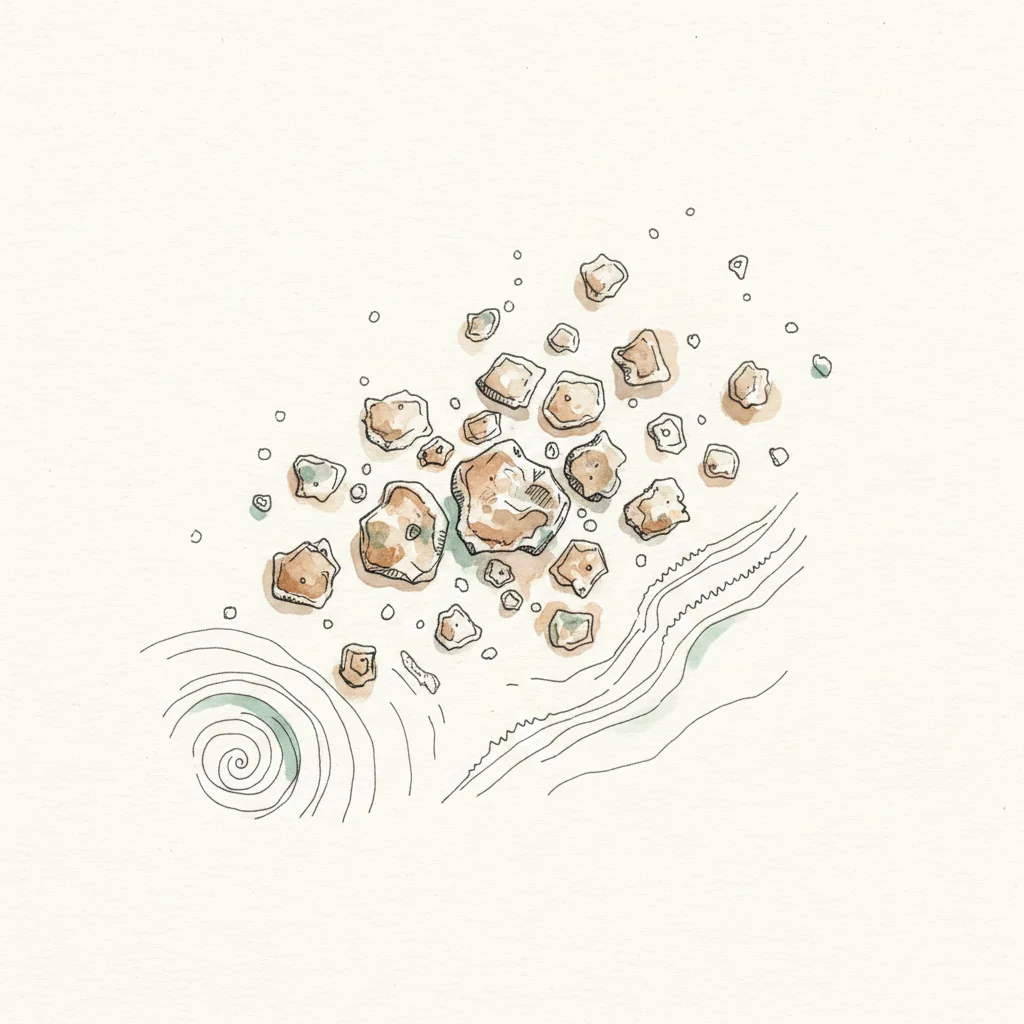
Jacobsen Pure Flake Salt
Netarts Bay, Oregon coast, United States
bright Pacific brine · clean mineral · soft sweetness
Focaccia wants a flake that survives the oven and stays visible on top, and Jacobsen's thin, broad Oregon crystals do exactly that: pressed into the oiled dimples before baking, they set into a glassy, bright-brine crunch against the soft, olive-oil crumb. The flake half-anchors in the crust and half-stands proud. At about $15 for 4 oz it's a splurge, but a little goes a long way on a tray of focaccia, scattered, not stirred in.
Intensity 7/10
Where to buy it
Links checked on
| Merchant | Price | Action |
|---|---|---|
| Jacobsen Salt Co. | — | Jacobsen Salt Co. |
| Amazon US | — | Amazon US |
Prices may vary depending on current promotions on the merchant site.
Affiliate links — La Pincée may earn a commission on some sales, at no extra cost to you. Read more.
The catch
Don't stir your good flake into the focaccia dough. Salt mixed in dissolves, seasons evenly, and the crunch vanishes, which means you've spent flake-salt money on something fine table salt does identically. The whole reason focaccia gets flaky salt is the glassy crackle on top. Save the Jacobsen for the surface, season the dough with cheap fine salt, and you get both jobs done right.
Chef's note
Salt is the last thing before the oven. After the dough has proofed in the tin, dimple it hard with oiled fingers down to the base, drizzle olive oil into the wells, then scatter Jacobsen across the whole surface from high up so it lands evenly. The oil glues the flakes; the bake sets them. Don't salt before the final proof, or the crystals slide into the dough and melt away.
Tasting note
bright brine · clean mineral · glassy crackle · a splurge at about $15 for 4 oz, but a tray of focaccia barely dents the box. Worth it for the look and crunch.
These three sections appear on every one of our pairing pages — our methodology.
Alternatives to explore
-
Salt · Flaky sea salt
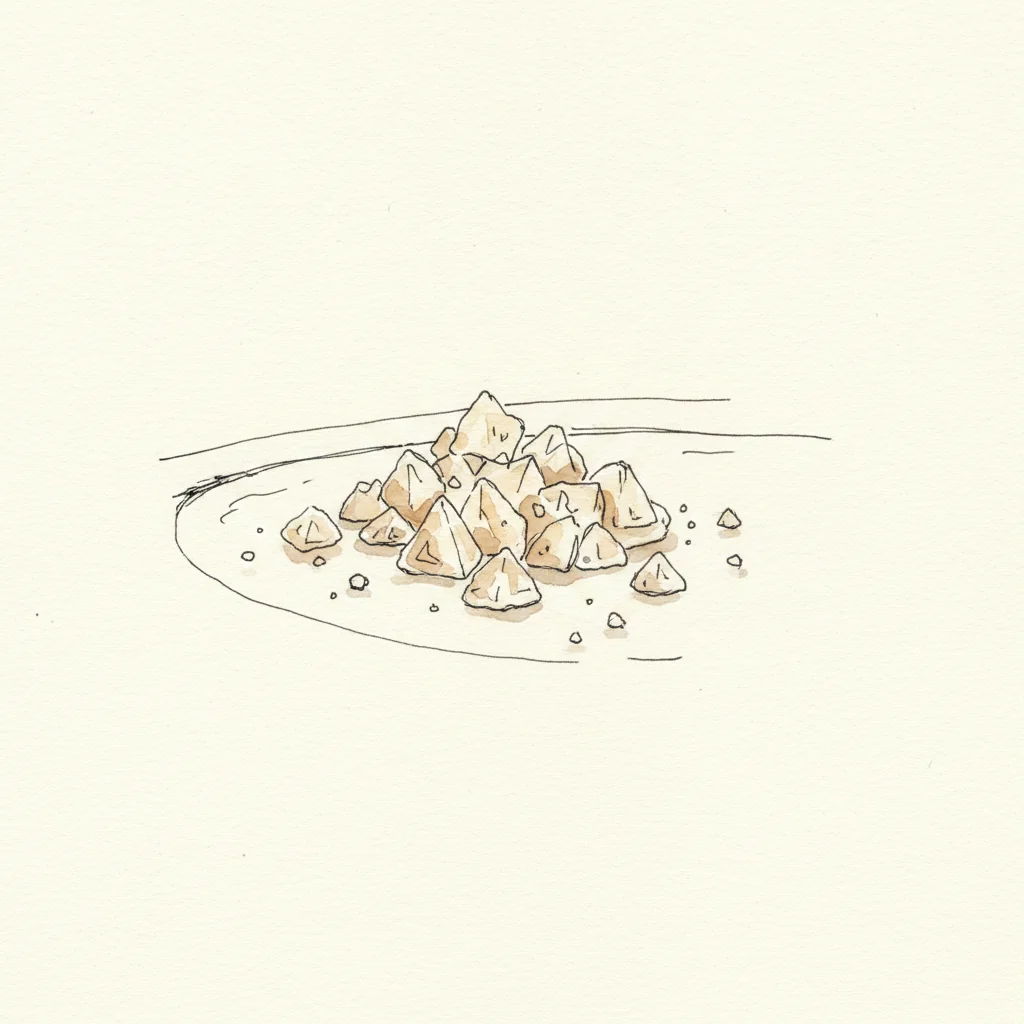
Maldon Sea Salt
Maldon, Essex, Blackwater estuary, England
Intensity 8/10
Maldon's larger pyramids give a bolder, more visible crunch and the classic focaccia look. Cheaper per ounce, the value pick when you're topping a whole tray.
-
Salt · Flaky sea salt
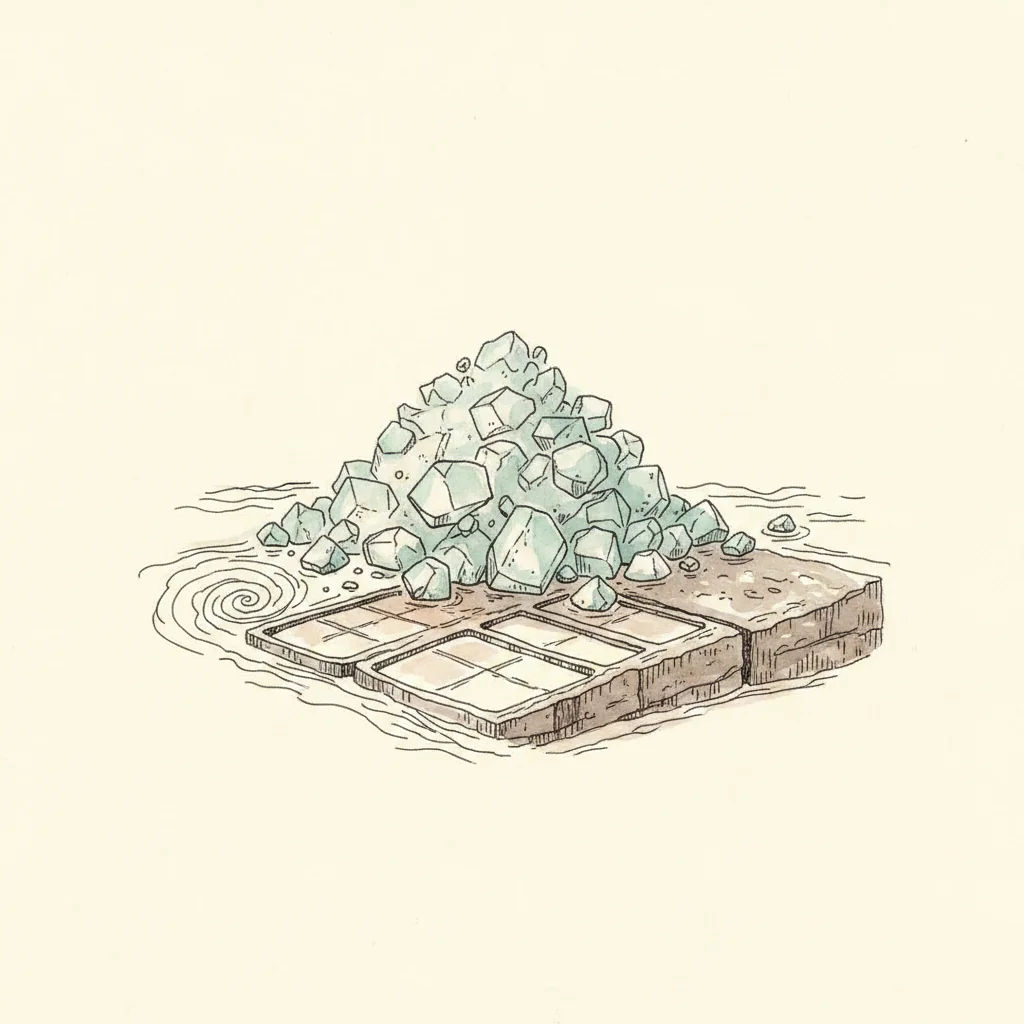
Cornish Sea Salt
Lizard Peninsula, Cornwall, England
Intensity 6/10
Cornish flakes are finer and crisper with a brisk Atlantic brine. A more even, less dramatic scatter, and the British pick for a Mediterranean loaf baked in the UK.
Complementary ingredients
- Diamond Crystal Kosher Salt — The fine salt to season the dough itself, save the flake strictly for the top
Frequently asked questions
- Do you put flaky salt in focaccia dough or on top?
- On top, never in the dough. Salt mixed into the dough dissolves and seasons evenly, which is fine, but the crunch is lost. Scatter flaky salt across the oiled, dimpled surface just before baking so it sets into the crust.
- When do you add the salt to focaccia?
- Right before it goes in the oven, after the final dimpling and the olive-oil drizzle. The oil helps the flakes stick, and baking sets them into a crisp, glassy top that holds its crunch as the bread cools.
- Will flaky salt dissolve when focaccia bakes?
- Partly, and that's the point. The base of each flake anchors into the crust while the top stays crisp, giving the bright bursts of salt and crackle that define a good focaccia. Fine salt would just disappear.
This pairing was validated according to our methodology. Purchase links are marked sponsored and may earn a commission — details on our Affiliations page.