
Comparison
Smoked Maldon vs Danish smoked salt: which smoked salt?
Both are genuinely smoked, not chemical, and both finish a plate. Smoked Maldon keeps the pyramid crunch with a lighter oak smoke, about $9 a box. Danish smoked salt is a darker, deeper beech-and-oak crystal with a longer, more bacon-like finish, about $9 a jar. For crunch, Maldon; for depth, Danish.
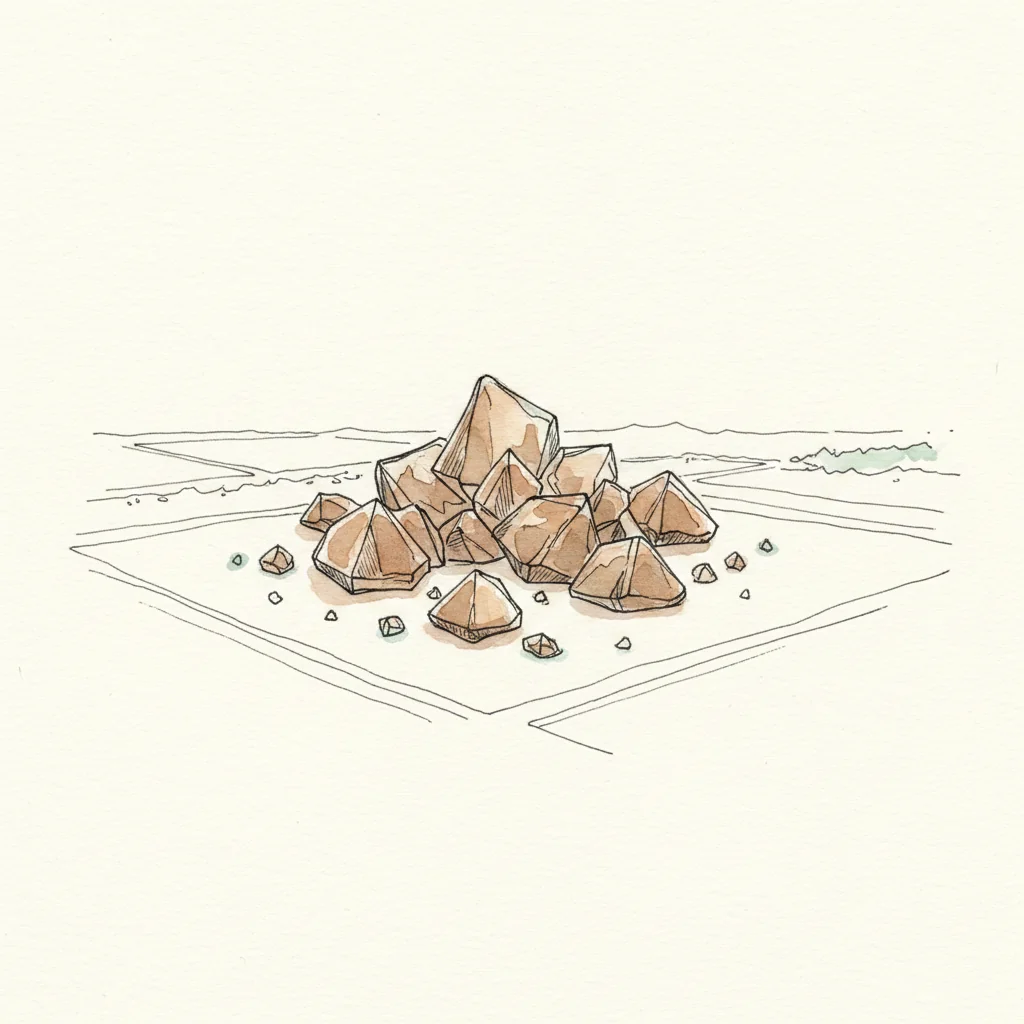
Salt · Smoked sea salt
Maldon Smoked Sea Salt
Maldon, Essex, Blackwater estuary, England
oak smoke · campfire · savory depth
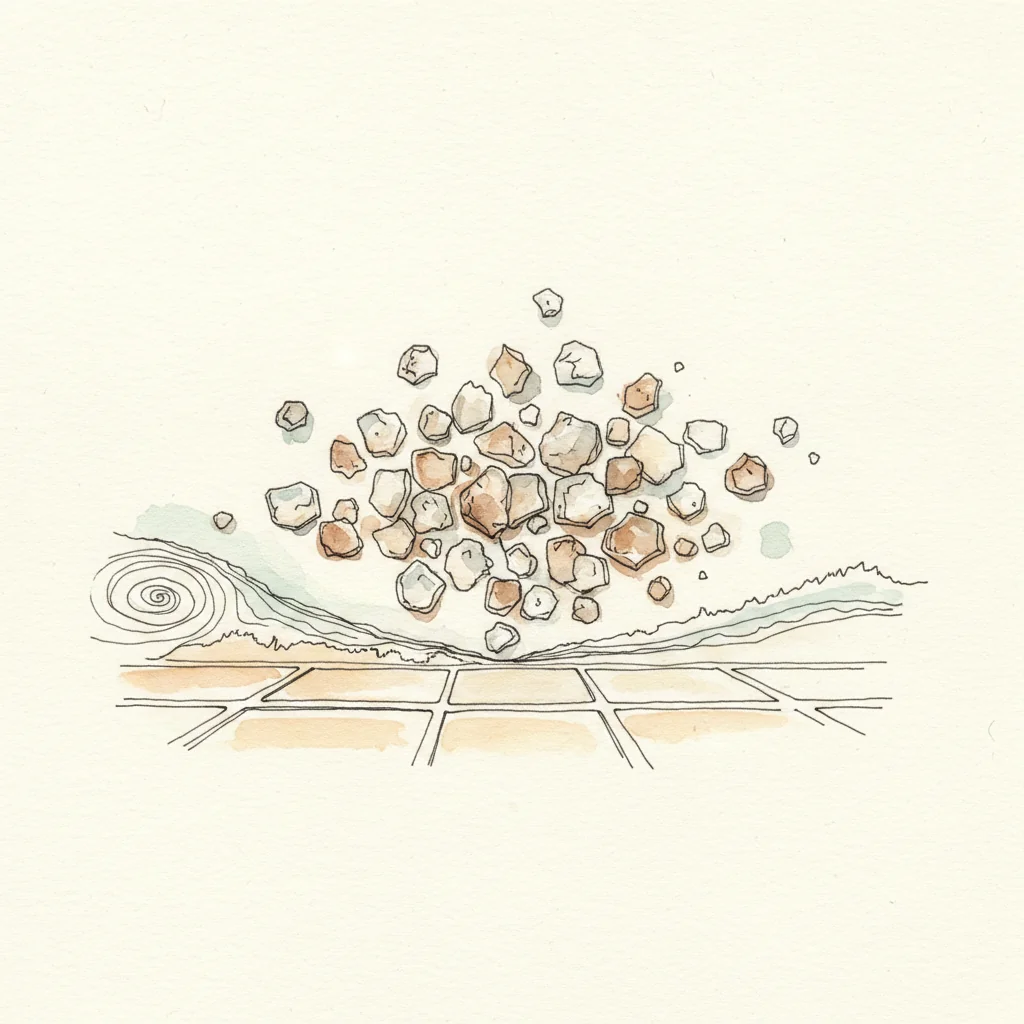
Salt · Smoked sea salt
Danish Smoked Salt
Læsø, an island in the Kattegat strait (historic salt-boiling site), Denmark
beech and oak smoke · salted bacon · roasted wood
Our verdict
Smoked Maldon for the flake and a lighter smoke, Danish for a deeper, longer, bacon-like finish.
At a glance
| Criterion | Maldon Smoked Sea Salt | Danish Smoked Salt |
|---|---|---|
| Origin | England, Maldon, Essex, oak cold-smoked | Denmark, Laeso, Kattegat, hardwood-smoked |
| Smoke | Oak, days of cold smoke | Beech and oak, days of smoke (Viking tradition) |
| Intensity | 8/10 - oak smoke, campfire, savory depth | 8/10 - beech and oak smoke, salted bacon, roasted wood |
| Texture | Pyramid flakes that shatter, smoke on the finish | Amber, golden-brown crystals that dissolve slowly in layers |
| Best use | BBQ brisket, grilled vegetables, fries, popcorn, deviled eggs | Seared and cured salmon, eggs, mash, brisket, caramel desserts |
| Median price | ~$9 / 4.4 oz box | ~$11 / small jar (45-100 g) |
| Value | Real cold-smoked oak, not chemical. Worth it once. Read the label. | Deep beech-oak smoke, real not chemical. Worth it. Read the label. |
When to choose Maldon Smoked Sea Salt
Reach for smoked Maldon when you want smoke plus the crunch. It's the plain Essex pyramid flake cold-smoked over oak for days, so it keeps the same hollow-pyramid shatter as ordinary Maldon while carrying a warm, savory oak smoke on the finish. That texture is the real point of difference against the Danish salt: where Danish smoked salt dissolves slowly as dense amber crystals, smoked Maldon stays a flake that shatters on the tongue, so you get crunch and smoke in the same bite. Use it as a finisher on smoky, hearty plates where you want that snap: BBQ brisket and pulled pork, grilled and barbecued vegetables, fried or roast potatoes, deviled eggs, popcorn. A few flakes scattered over the food just before it's served give a column of oak smoke and a clean crunch at once. The smoke itself is a touch lighter and brighter than the Danish salt's, more straightforward oak campfire than deep, bacon-like layering, which makes smoked Maldon the easier, more flattering choice on delicate or lightly smoky dishes that a heavier smoke would bury. It's also the slightly cheaper and more widely available of the two in the US and UK, about $9 a box, so it's the easier everyday smoked salt to keep on hand. The catch is the one all smoked finishing salts share: heat kills the smoke in about a minute. Don't put smoked Maldon in a rub before the meat goes on the smoker or stir it into anything hot, the aromatic compounds burn off before the bark sets and you'd be paying for smoke that evaporates. Use it like the worked example: pull the brisket or the pork, then hit it with a pinch right before it hits the plate, a few flakes per portion tossed through, not packed on. If there's already heavy bark or real smoke, go light, you're accenting, not doubling. Where smoked Maldon doesn't win is sheer depth and tenacity of smoke. If you want a long, layered, bacon-like finish that clings, the Danish salt's denser crystal and beech-and-oak smoke go further. But for the combination of a genuine oak smoke with a real flaky crunch, at a friendly price and easy to find, smoked Maldon is the pick, just read the label and dodge anything that says 'smoke flavoring' rather than genuinely smoked salt.
When to choose Danish Smoked Salt
Choose Danish smoked salt when you want the deepest, longest smoke. Made on the island of Laeso in the Kattegat, where salt has been boiled since Viking times, it's sea salt cold-smoked over beech and oak for days, and it goes further than smoked Maldon on intensity and finish. The crystals are amber to golden-brown and dense rather than flaky, so instead of shattering they dissolve slowly, releasing salinity first and then a smoke that builds in layers, with notes of salted bacon, roasted wood and a faint burnt-caramel sweetness. The finish is the signature: very long and tenacious, the smoke outlasts the salt on the tongue. That depth makes Danish smoked salt the better choice where you want the smoke to be the headline and to linger. On seared or cured salmon it's a classic match, the bacon-like smoke flatters the rich fish; on scrambled eggs, on mashed potatoes, on BBQ brisket and pulled pork, on roasted tomatoes, even on a dark-chocolate or caramel dessert where its burnt-sugar note plays in, it delivers a deeper, more complex smoke than smoked Maldon's lighter oak. Because the crystal is dense and dissolves rather than crunches, it's also the one to reach for when you want the smoke worked evenly through a soft dish like mash or eggs, rather than sitting on top as flakes. The catch is the same as for any smoked finishing salt: heat burns the smoke off in about a minute, so this is a finisher, full stop, added at the very end, off the heat. Put it in a rub or cook with it and the aromatic compounds evaporate before the dish is done, and you've wasted a $9 jar on plain salinity a cheap salt would give. The smoke also builds fast and runs intense, so use a small pinch per portion and taste as you go; it's easy to overshoot, and on an already-smoky plate you want a light hand. Where Danish smoked salt gives up ground to smoked Maldon is texture and price: it has no flaky crunch, so if you want smoke and shatter in the same bite, the Essex flake wins, and it tends to run a touch pricier and harder to find. But for a genuinely cold-smoked salt with real beech-and-oak depth and a long, bacon-like finish, especially on salmon, eggs and mash, Danish smoked salt is the deeper, more characterful choice. Read the label and avoid anything that just says 'smoke flavoring'.
Where to buy?
Maldon Smoked Sea Salt
Links checked on
| Merchant | Price | Action |
|---|---|---|
| Amazon US | — | Amazon US |
| Sous Chef UK | — | Sous Chef UK |
Prices may vary depending on current promotions on the merchant site.
Danish Smoked Salt
Links checked on
| Merchant | Price | Action |
|---|---|---|
| Amazon US | — | Amazon US |
| Salt Traders | — | Salt Traders |
| Sous Chef UK | — | Sous Chef UK |
Prices may vary depending on current promotions on the merchant site.
Frequently asked questions
- Are both of these really smoked, or just flavored?
- The genuine versions of both are really cold-smoked over wood, smoked Maldon over oak, Danish smoked salt over beech and oak, for days, which gives real depth rather than the harsh edge of liquid-smoke seasoning. That's the whole reason to buy them. Read the label either way and avoid anything that just says smoke flavoring.
- Which has the stronger smoke?
- Danish smoked salt, in depth and length. Its dense crystals release a layered, bacon-like smoke that builds and lingers long after the salt fades. Smoked Maldon's oak smoke is a touch lighter and brighter, paired with a flaky crunch. For the deepest, most tenacious smoke, Danish; for smoke plus crunch, Maldon.
- Which is better on salmon?
- Danish smoked salt. Its deep beech-and-oak, bacon-like smoke is a classic match for seared or cured salmon, and the dense crystal works the smoke evenly through the fish. Smoked Maldon works too, with a lighter smoke and a crunch. Either way, add it off the heat at the very end so the smoke survives.
- Can I cook with either?
- No. Both are finishing salts. Heat burns off the smoke in about a minute, so a rub or a hot pan leaves you with plain salinity and a wasted jar. Add them at the very end, off the heat, on the plated food, a small pinch, and taste as you go since both run intense.
The best pairings
With Maldon Smoked Sea Salt
With Danish Smoked Salt
Comparison prepared according to our methodology. Sponsored purchase links — see our affiliations.