
Dish × condiment pairing
What salt should I use to finish smoked brisket?
Season : spring, summer · Occasion : cookout, weekend, crowd
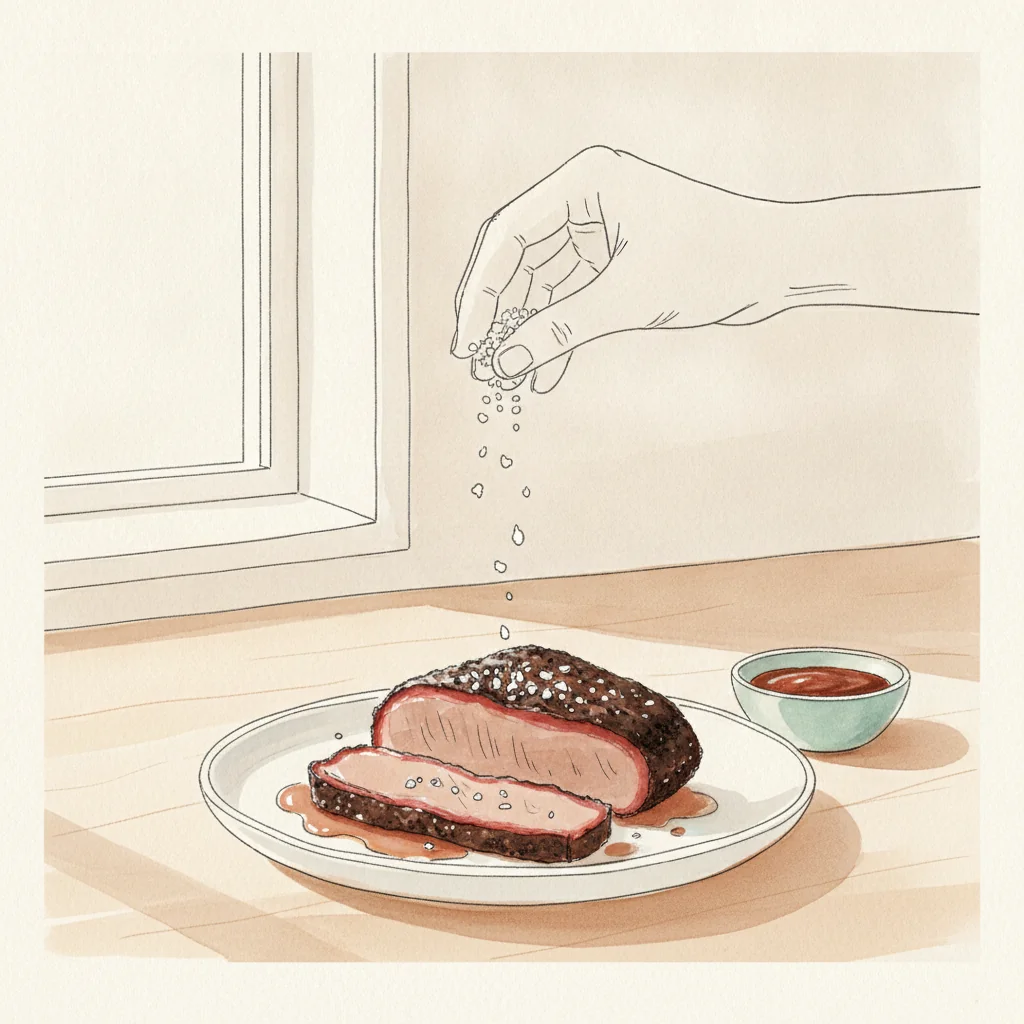
A real oak-smoked finishing salt like Maldon Smoked, scattered on the sliced brisket at the very end. Smoked salt won't put smoke into the meat, that's the smoker's job over hours, and heat burns off the aroma in about a minute. Keep it off the heat and off the rub.
In detail
To finish smoked brisket, use a real oak-smoked flaky salt such as Maldon Smoked Sea Salt, scattered raw on the sliced meat at the very end. The deep smoke in brisket comes from hours in the smoker, not from salt; smoked salt adds only a surface top note. The mechanism that decides everything is heat: the aromatic smoke compounds in the salt burn off in about a minute, so smoked salt in the rub evaporates before the bark sets and you've paid for nothing. Keep the rub to plain kosher salt and reserve the smoked salt for the finish, off the heat. Maldon Smoked is the Essex pyramid flake cold-smoked over oak, around $9 a box, so it keeps the crunch and carries genuine campfire depth rather than the acrid edge of liquid-smoke seasonings. Taste a flake first and go light over heavy bark.
Our recommendation
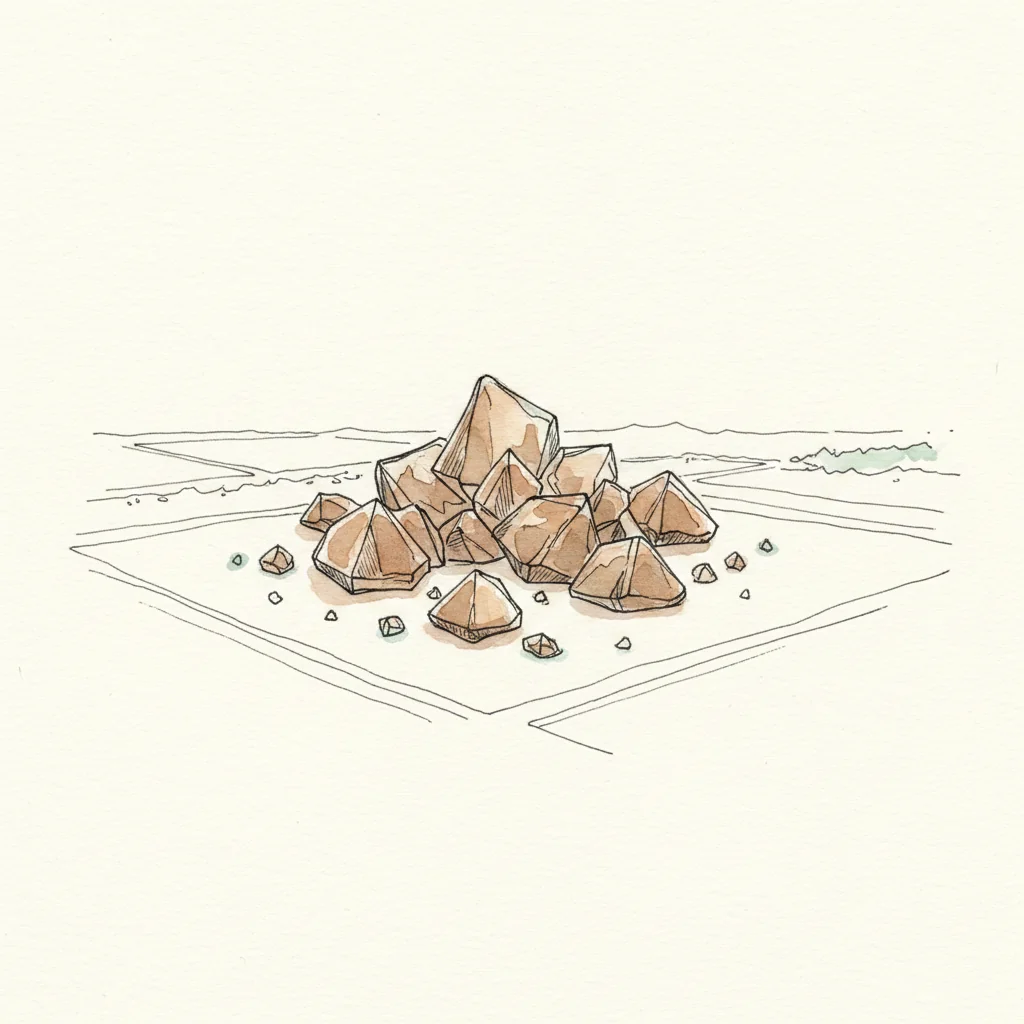
Salt · Smoked sea salt
Maldon Smoked Sea Salt
Maldon, Essex, Blackwater estuary, England
oak smoke · campfire · savory depth
Maldon Smoked is the plain Essex pyramid flake cold-smoked over oak, so it keeps the shatter and adds real campfire depth, not the chemical edge of liquid-smoke seasonings. On sliced brisket it accents the bark instead of fighting it. Use it raw at the end: heat drives off the smoke compounds in about a minute, so in the rub it would evaporate before the bark sets.
Intensity 8/10
Where to buy it
Links checked on
| Merchant | Price | Action |
|---|---|---|
| Amazon US | — | Amazon US |
| Sous Chef UK | — | Sous Chef UK |
Prices may vary depending on current promotions on the merchant site.
Affiliate links — La Pincée may earn a commission on some sales, at no extra cost to you. Read more.
The catch
Smoked salt won't put smoke into the brisket. That's the smoker's job, over hours, and heat burns the aromatic compounds off in about a minute. So skip it in the rub: you'd be paying for smoke that evaporates before the bark sets. This is a finishing salt. Scatter it on the sliced meat at the very end, off the heat, and you actually taste it.
Chef's note
Keep the rub to plain kosher and the smoke for the finish. Slice the rested brisket against the grain, then drift a few flakes of oak-smoked Maldon over the cut face right before it hits the plate. Taste one flake first; if the bark's already heavy, go lighter. You're accenting the smoke that's there, not stacking a second layer on top.
Tasting note
oak smoke · campfire · savory bark · around $9 a box of the real cold-smoked stuff. Worth it, but read the label and dodge anything that just says 'smoke flavoring.'
These three sections appear on every one of our pairing pages — our methodology.
Alternatives to explore
-
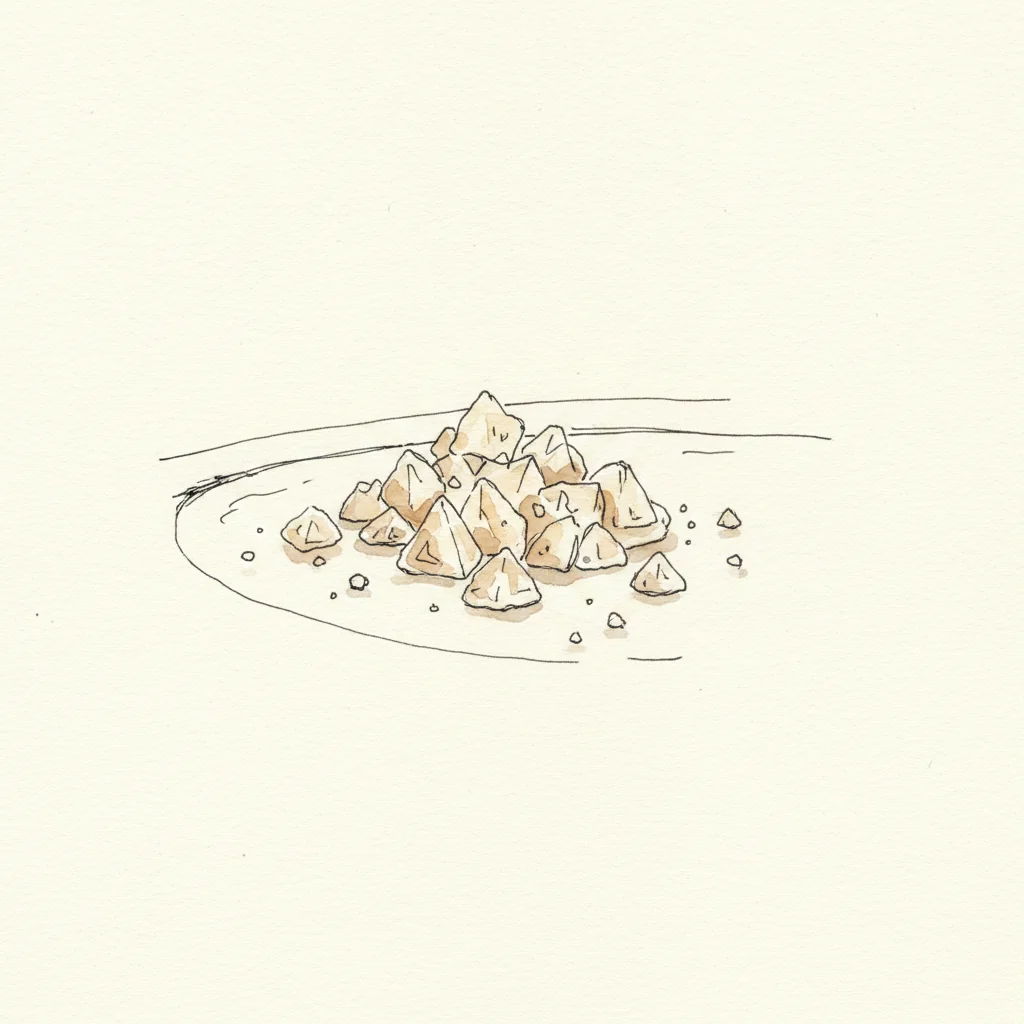
Salt · Flaky sea salt
Maldon Sea Salt
Maldon, Essex, Blackwater estuary, England
Intensity 7/10
If the bark is already heavily smoked, plain Maldon gives the crunch without doubling the smoke. Sometimes the meat has enough; you just want texture and salinity.
-
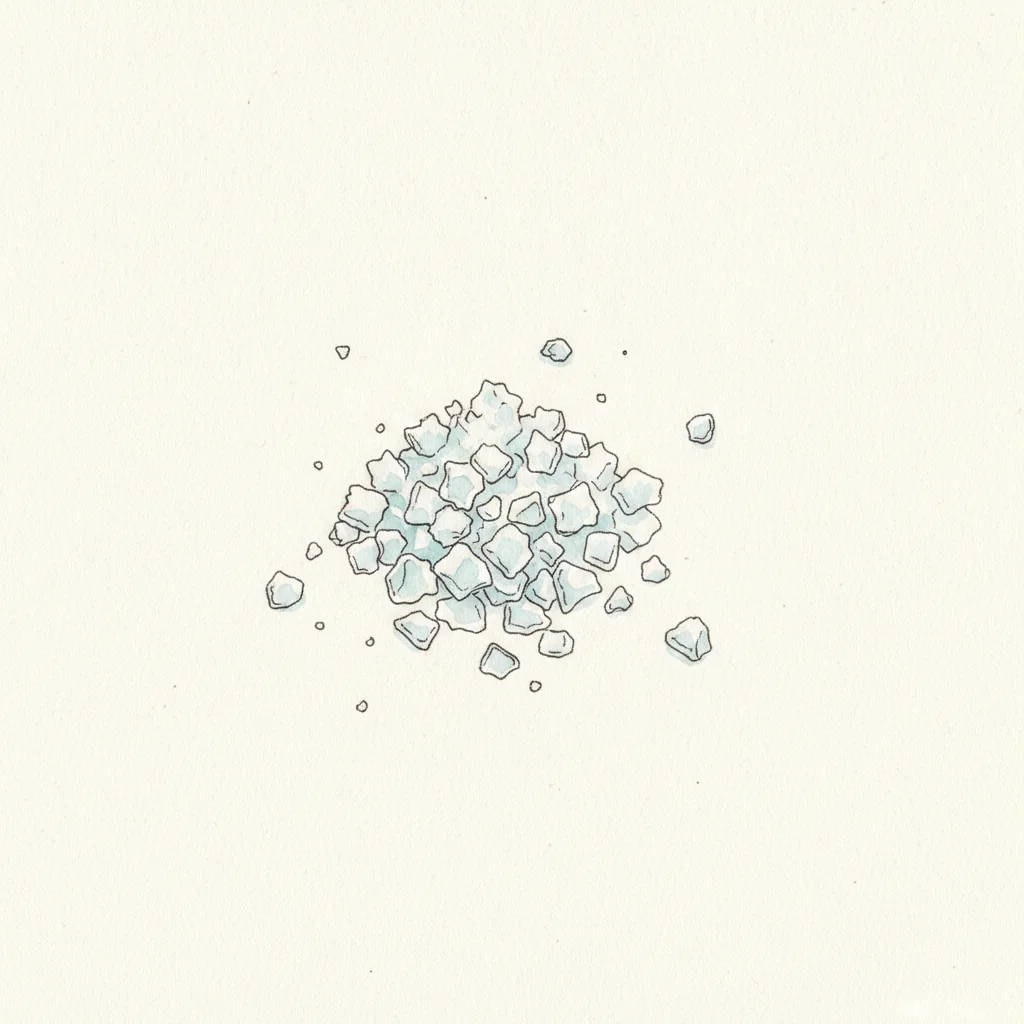
Salt · Kosher salt
Diamond Crystal Kosher Salt
Domestic salt, Alberger process, United States
Intensity 5/10
For the rub itself, use plain kosher, not smoked salt. The smoke belongs at the finish; the rub's salt should just season and help the bark form.
Complementary ingredients
- Diamond Crystal Kosher Salt — The salt for the dry-brine and rub, applied before the smoke
Frequently asked questions
- Does smoked salt add smoke flavor to brisket?
- Barely, and only at the finish. The deep smoke comes from hours in the smoker. Smoked salt adds a top note of smoke to the surface when scattered raw at the end; in the rub the aroma burns off before the bark sets.
- Can I put smoked salt in my brisket rub?
- Skip it. Heat burns off the aromatic smoke compounds in about a minute, so you'd pay for smoke that evaporates. Use plain kosher in the rub and finish with smoked salt off the heat.
- How do I avoid an over-smoked, acrid finish?
- Taste a flake first and go light if the bark is already heavy. Buy real cold-smoked salt, not anything labeled 'smoke flavoring,' which is liquid smoke on cheap grains and reads chemical.
This pairing was validated according to our methodology. Purchase links are marked sponsored and may earn a commission — details on our Affiliations page.