
Comparison
Maldon vs Halen Mon: which flaky sea salt?
Maldon gives the louder crunch; Halen Mon gives the softer, rounder one with a PDO behind it. For sheer shatter on a steak or a cookie, Maldon wins, about $7 a box. For a gentle flake and certified Anglesey provenance on Welsh lamb or roast potatoes, Halen Mon, about £6 a tub.
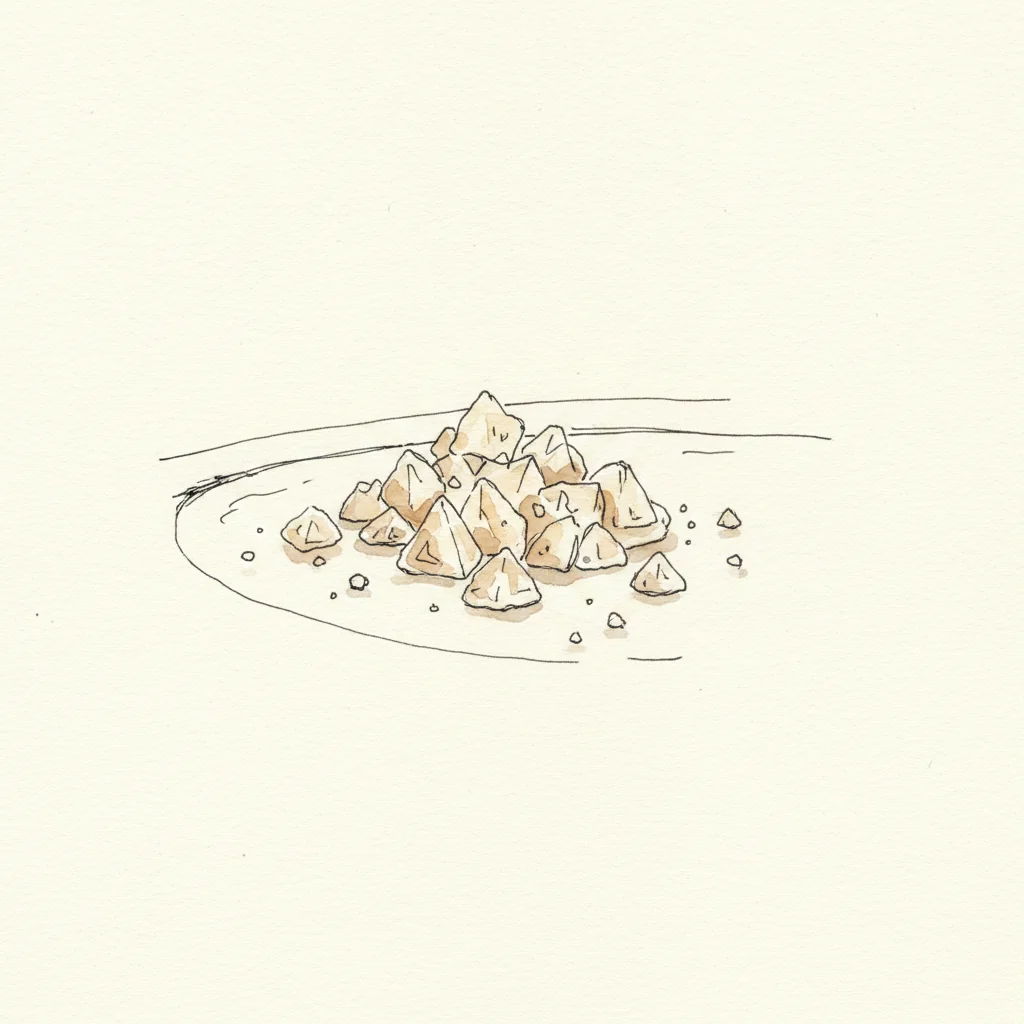
Salt · Flaky sea salt
Maldon Sea Salt
Maldon, Essex, Blackwater estuary, England
clean salinity · light brine · fresh sea air
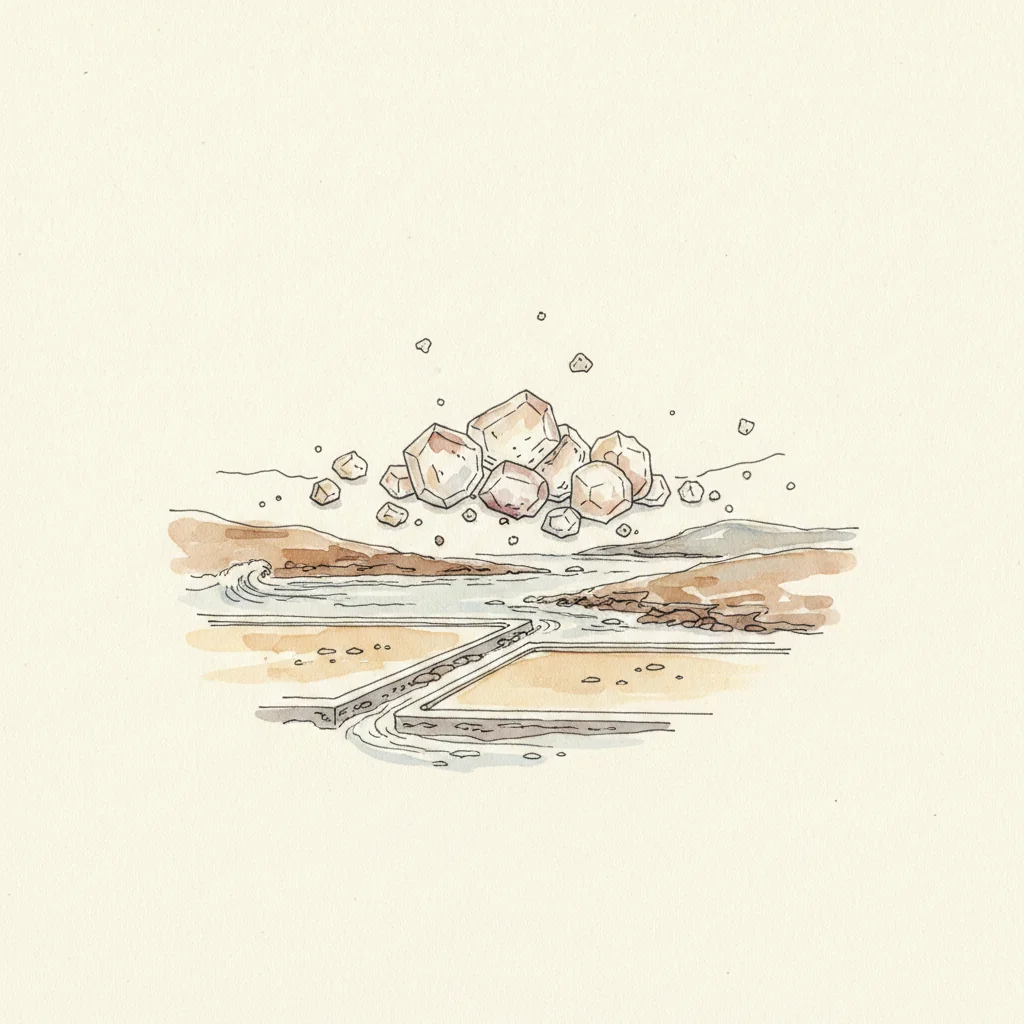
Salt · Flaky sea salt
Halen Môn Sea Salt
Anglesey, Menai Strait, Wales (PDO)
clean brine · soft mineral · gentle sweetness
Our verdict
Maldon for the loud shatter, Halen Mon for a softer flake with PDO provenance.
At a glance
| Criterion | Maldon Sea Salt | Halen Môn Sea Salt |
|---|---|---|
| Origin | England, Maldon, Essex (Blackwater estuary) | Wales, Anglesey, Menai Strait |
| Status | Made since 1882, no PDO/PGI | PDO-protected since 2014 |
| Intensity | 7/10 - clean, bright salinity | 6/10 - clean rounded brine, gentle sweetness |
| Texture | Hollow pyramid flakes, hard loud shatter | Light crisp flakes, gentle crunch then soft melt |
| Best use | Seared steak, Sunday roast, salads, caramel and cookies | Welsh lamb, roast potatoes, bread and butter, seared fish |
| Median price | ~$7.50 / 8.5 oz box | ~£6 / 100 g tub |
| Value | Cheapest upgrade in the kitchen, lasts a year. Worth it. | PDO provenance for the price of a sandwich. Worth it. |
When to choose Maldon Sea Salt
Pick Maldon when you want the crunch to be unmistakable. Its hollow pyramid crystals are noticeably firmer and more architectural than Halen Mon's lighter flakes, so they shatter with a louder, more defined snap and the texture survives a beat longer on the plate before it dissolves. That makes Maldon the better choice anywhere the crunch is the headline: crushed over a rested, sliced ribeye, scattered on warm chocolate-chip cookies or salted caramel, snapped over a green salad where a soft leaf needs a hard contrast. The salinity is clean and bright with no bitterness, and because the flake holds its shape it reads as deliberate crystals rather than a uniform sprinkle. Maldon is also the cheaper, more available default in the US, where Halen Mon can be hard to find and pricey when it is. At about $7 for 8.5 oz it lasts a year of Sunday roasts, never clumps, and keeps for years in a sealed jar. The honest difference between these two is mostly texture and provenance, not quality, both are excellent clean sea salts, but if you want the loudest shatter for the least money and the easiest box to buy, Maldon takes it. Where Maldon gives nothing extra is provenance and gentleness. It carries no PDO, so on a page where certified Welsh or Anglesey origin matters, Halen Mon's protected status is the stronger story. And on delicate plates, soft fish, bread and butter, a piece of fruit, Maldon's harder shatter can feel a touch aggressive where Halen Mon's softer flake melts in more politely. Like any flaky salt, Maldon is also wasted in the pot: in a braise, a stock or boiling water the crunch dissolves and a coarse cooking salt does the same job for less. Season the pan with coarse kosher, sear, rest, then crush the Maldon over the sliced meat at the very end. Salt the slice, not the pan, a flake thrown into hot fat just melts and you've paid finishing-salt money for nothing. For most US kitchens that want one reliable, loud, affordable finishing flake, Maldon is the default and Halen Mon is the upgrade you reach for when provenance or a softer touch matters more than the snap.
When to choose Halen Môn Sea Salt
Choose Halen Mon when you want a softer flake with a clean rounded brine and certified provenance behind it. This Anglesey sea salt is hand-harvested from the Menai Strait off the north Welsh coast and has been PDO-protected since 2014, which means the origin on the tub is legally guaranteed, the kind of sourcing fact a neutral lifestyle blog never bothers to print. The flakes are lighter and more delicate than Maldon's firm pyramids: they give a gentle crunch and then melt soft and round, with a faint natural sweetness and no bitterness at all. That gentleness is the point on dishes where a hard shatter would feel heavy-handed. On a Sunday roast or Welsh lamb, pinch Halen Mon over the fat side and the flakes dissolve evenly into the crust without dominating the meat. On roast potatoes pulled crisp from the oven, on fresh bread and good butter, on seared fish or a dressed salad, the soft flake adds a clean brine and a light crunch that flatters rather than punches. It's the UK finishing salt of choice for plates where restraint is the luxury, one good salt applied right beats a spice cupboard thrown at the joint. On value it's hard to beat in the UK: about £6 for a 100 g tub, proper PDO provenance for the price of a sandwich, and it keeps for years dry. The practical rule against Maldon is texture and story. If you want the loudest possible shatter for the least money and the easiest box to find, especially in the US, Maldon is the default. If you want a gentler flake, a rounder brine and certified Anglesey origin to put behind a Welsh-lamb or Sunday-roast page, Halen Mon is the call. Use it the same way you'd use any flaky salt: as a finisher, raw, at the very end, never stirred into the pot. Salt the lamb fifteen minutes before it roasts rather than the night before, so you don't draw out too much moisture and lose the blush, then finish each carved slice with a final pinch at the table for the crunch. In a braise or boiling water it's wasted, the flake dissolves and a cheap coarse salt does the same work.
Where to buy?
Maldon Sea Salt
Links checked on
| Merchant | Price | Action |
|---|---|---|
| Amazon US | — | Amazon US |
| Sous Chef UK | — | Sous Chef UK |
Prices may vary depending on current promotions on the merchant site.
Halen Môn Sea Salt
Links checked on
| Merchant | Price | Action |
|---|---|---|
| Amazon US | — | Amazon US |
| Sous Chef UK | — | Sous Chef UK |
Prices may vary depending on current promotions on the merchant site.
Frequently asked questions
- Is Halen Mon worth the premium over Maldon?
- It depends what you're paying for. The salts are close in quality; Halen Mon adds a softer flake, a rounder brine and a PDO that legally guarantees its Anglesey origin since 2014. If certified provenance and a gentle finish matter to you, yes. If you just want the loudest crunch for the least money, Maldon wins.
- Which has the better crunch?
- Maldon. Its hollow pyramids are firmer and shatter louder, and the texture survives a beat longer on the plate. Halen Mon's flakes are lighter: a gentle crunch that melts soft and round. For a hard, deliberate snap on a steak or cookie, reach for Maldon; for a softer finish on fish or bread, Halen Mon.
- Can I use either on Welsh lamb or a Sunday roast?
- Both work, but Halen Mon is the natural fit: it's Welsh, PDO-certified, and its soft flake melts evenly into a roast's crust without dominating the meat. Maldon does the job with a louder crunch. Either way, salt the joint fifteen minutes before it roasts, not the night before, and finish each slice at the table.
- Are they interchangeable?
- Mostly, yes, both are clean, additive-free finishing flakes used raw at the end. The differences are texture, provenance and price: Maldon is firmer, cheaper and easier to find in the US; Halen Mon is softer, PDO-protected and the UK standard. Neither should go in the pot, where any cheap coarse salt does the same work.
The best pairings
With Maldon Sea Salt
With Halen Môn Sea Salt
Comparison prepared according to our methodology. Sponsored purchase links — see our affiliations.