
Dish × condiment pairing
What's the best finishing salt for a steak?
Season : all-year · Occasion : weeknight, date night, cookout
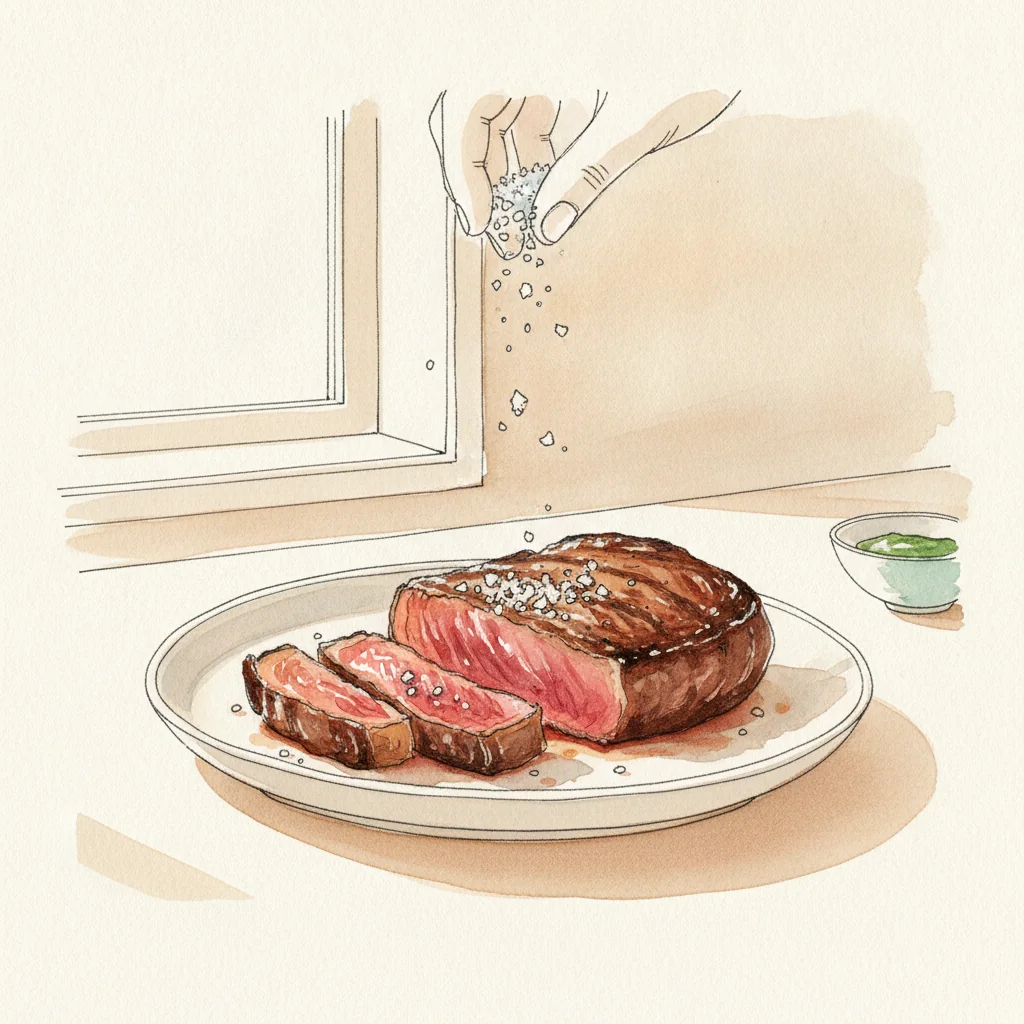
Maldon. Season the raw steak with coarse kosher, sear, rest, then crush flaky Maldon over the sliced meat. The hollow pyramid crystals shatter for a crunch no fine salt gives. Never throw flaky salt into the hot pan, where it just melts and the texture is wasted.
In detail
The best finishing salt for a steak is Maldon Sea Salt, the flaky English salt made in Essex since 1882. Its hollow pyramid crystals shatter on the tongue rather than dissolving, delivering a crunch fine salts cannot. The method matters more than the brand: season the raw steak with coarse kosher salt before searing so it penetrates and builds the crust, then sear, rest, slice, and only then crush Maldon flakes over the cut face. Applied raw and late, the crystals stay intact; thrown into the hot pan they melt and the texture is lost. Crush three or four flakes from a few inches up so some bites get a crystal and some don't. A box of Maldon costs about $7 and lasts a year. The US alternative is Jacobsen Pure Flake from Oregon, thinner and brighter but pricier per ounce.
Our recommendation
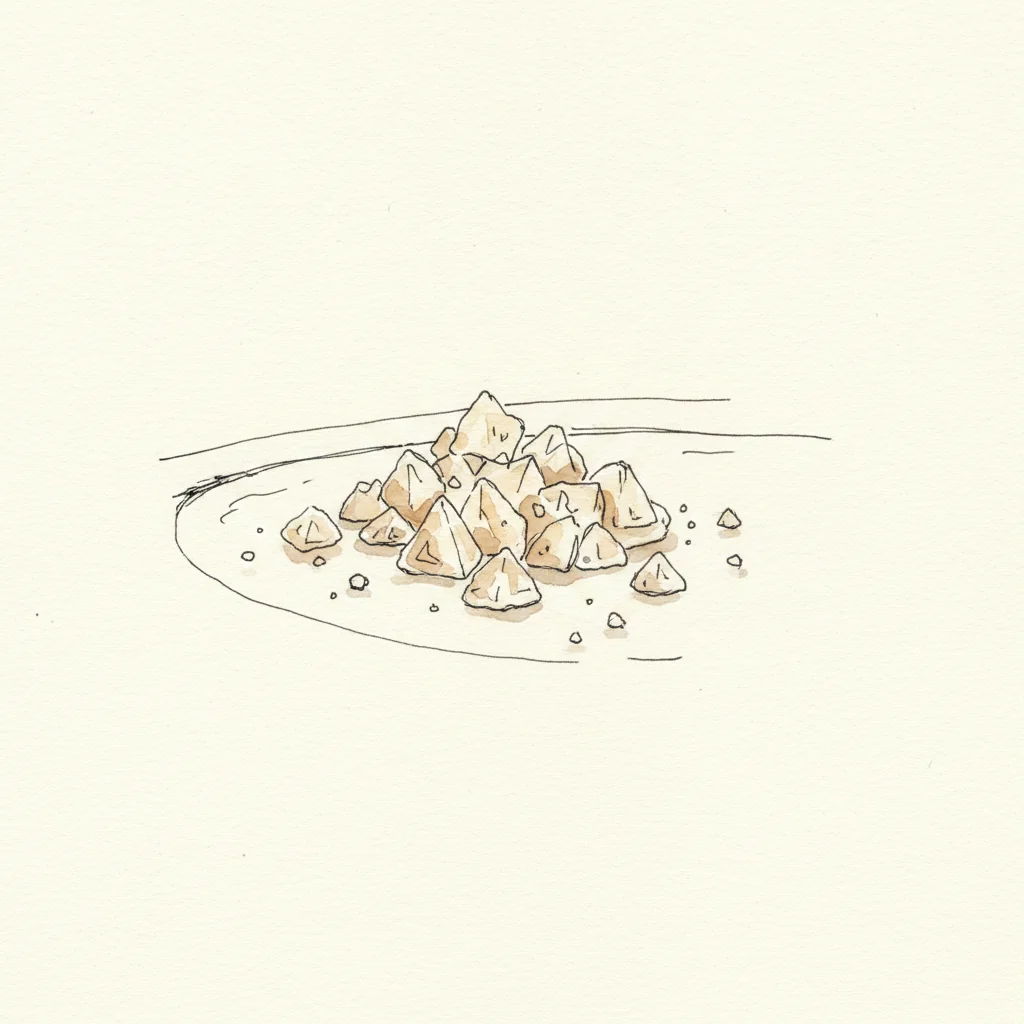
Salt · Flaky sea salt
Maldon Sea Salt
Maldon, Essex, Blackwater estuary, England
clean salinity · light brine · fresh sea air
Maldon's hollow pyramid flakes shatter on the tongue instead of dissolving, which is the crunch you finish a steak for. They sit on the cut face and give some bites a crystal and some none, so the salinity reads as texture, not just seasoning. At about $7 a box it is the cheapest real upgrade in the kitchen, and it only works applied raw, after the sear.
Intensity 8/10
Where to buy it
Links checked on
| Merchant | Price | Action |
|---|---|---|
| Amazon US | — | Amazon US |
| Sous Chef UK | — | Sous Chef UK |
Prices may vary depending on current promotions on the merchant site.
Affiliate links — La Pincée may earn a commission on some sales, at no extra cost to you. Read more.
The catch
Don't waste Essex Maldon on the first season. Flaky salt thrown into a screaming-hot pan just melts, and you've paid finishing-salt money for nothing. Season the raw steak with coarse kosher, sear, rest, then crush the Maldon over the sliced meat. The crunch is the entire appeal, and it only survives if it never touches the heat.
Chef's note
Pinch, don't grind. Crush three or four flakes between your fingers from a few inches up so they scatter unevenly across the cut face. You want some bites with a crystal and some without. Do it after the rest, never before: a salted slice sitting for ten minutes weeps moisture and goes flat. Salt at the table, plate to fork.
Tasting note
briny · mineral · clean shattering crunch · about $7 a box and it lasts a year, the cheapest upgrade in the kitchen. Worth it.
These three sections appear on every one of our pairing pages — our methodology.
Alternatives to explore
-
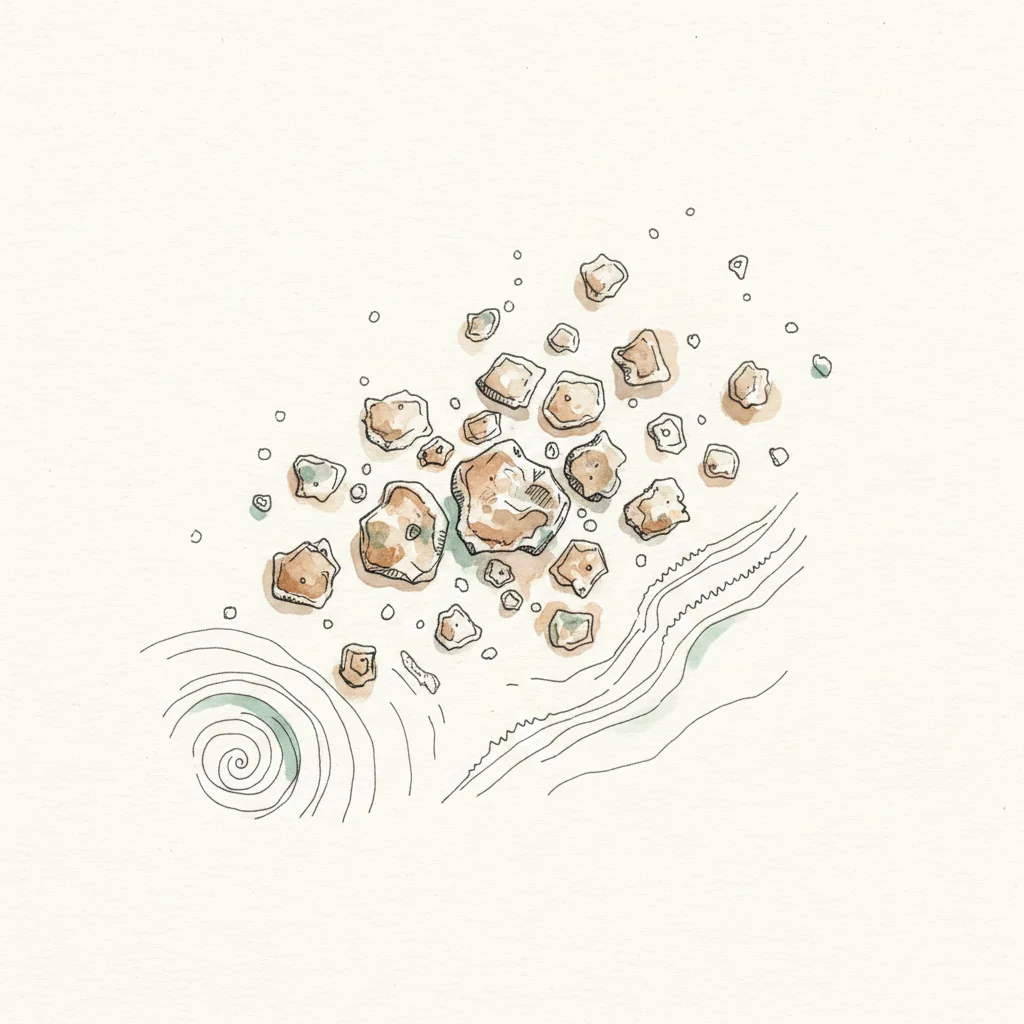
Salt · Flaky sea salt
Jacobsen Pure Flake Salt
Netarts Bay, Oregon coast, United States
Intensity 7/10
Jacobsen's thinner Oregon flakes melt a touch faster with a brighter brine. The domestic pick if you want a US-harvested grain, though it costs more per ounce than Maldon.
-
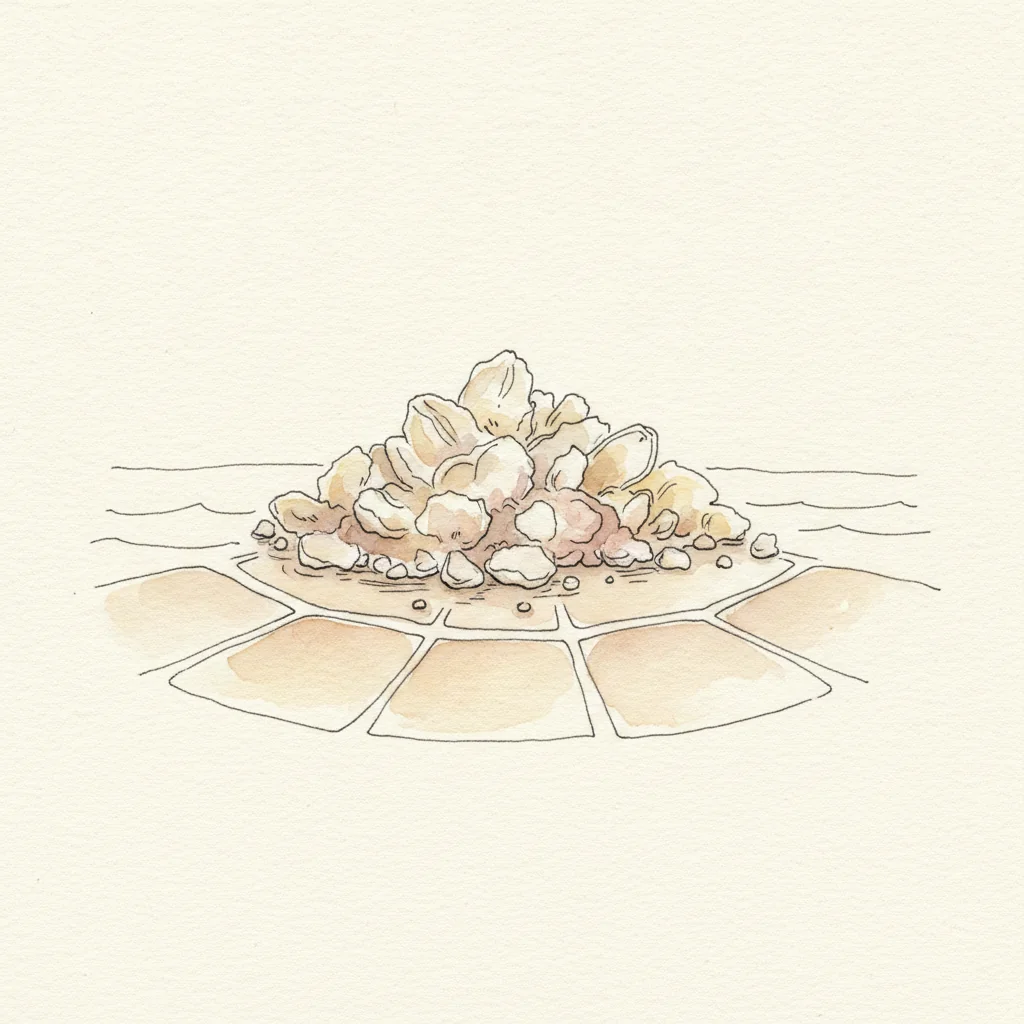
Salt · Fleur de sel
Fleur de Sel de Guérande
Guérande peninsula, Loire-Atlantique, France (PGI)
Intensity 6/10
Fleur de sel reads as melt over crunch, with a rounder salinity and faint violet. A softer, more delicate finish for a steak when you want subtlety over shatter.
Complementary ingredients
- Diamond Crystal Kosher Salt — The salt for the first season before the sear, never the flaky one
Frequently asked questions
- Should I salt a steak before or after cooking?
- Both, with different salts. Season the raw steak with coarse kosher salt before the sear so it penetrates and helps the crust. Finish with flaky Maldon after the rest, on the sliced meat, for the crunch.
- Why not just use Maldon to season the raw steak?
- Flaky salt thrown into a screaming-hot pan melts on contact, so you pay finishing-salt money for nothing. The hollow crystals only deliver their crunch when applied raw, after cooking.
- How much finishing salt does a steak need?
- Crush three or four flakes between your fingers from a few inches up so they scatter unevenly. You want some bites with a crystal and some without, not an even coat.
This pairing was validated according to our methodology. Purchase links are marked sponsored and may earn a commission — details on our Affiliations page.