
Comparison
Turmeric vs smoked paprika: which golden spice?
Both color a dish warm and both bloom in fat early, but the flavors diverge hard. Pragati turmeric is earthy, gingery and faintly bitter — the gold base of curries and dals — about $10. Pimenton de la Vera is oak-smoked, sweet-deep red paprika for chorizo and stews, about $9. Earthy golden curry base, turmeric; smoky depth and color, La Vera paprika.
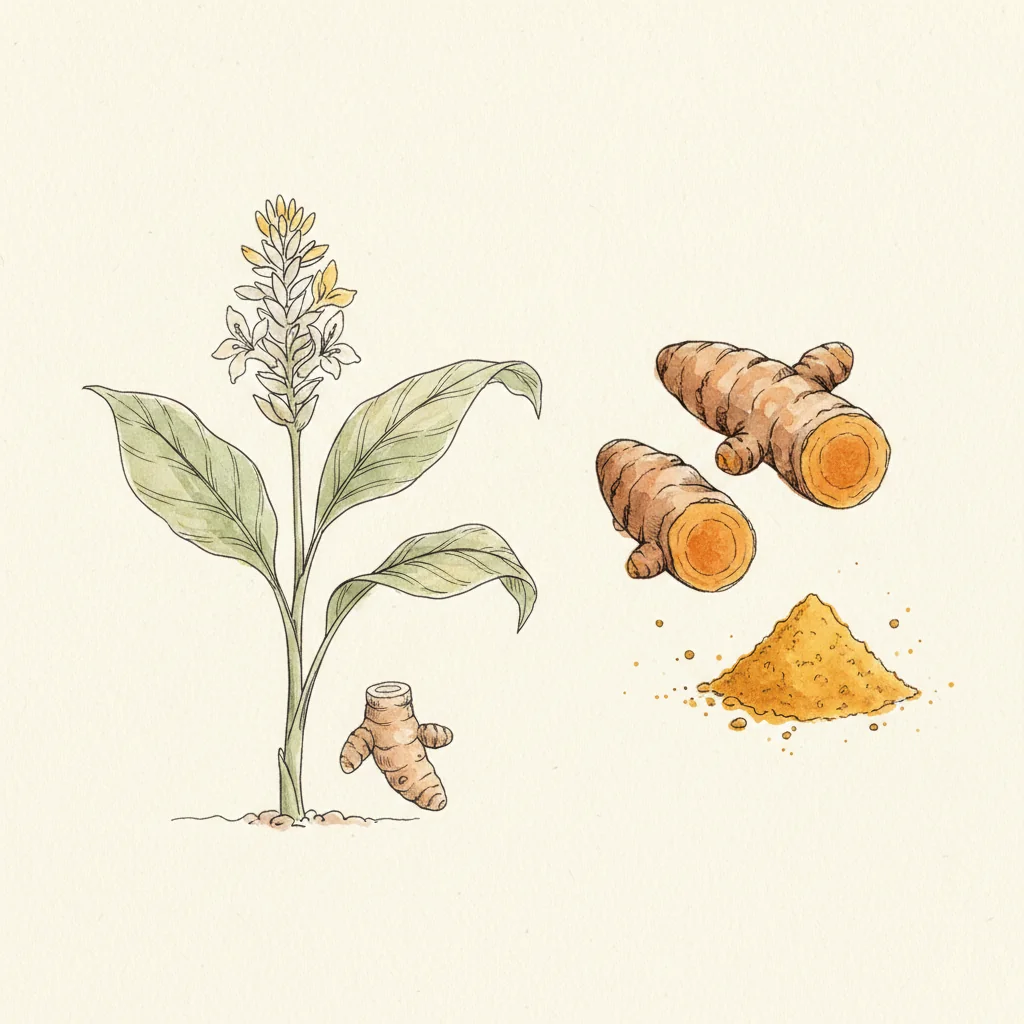
Spice · Spice root
Pragati Turmeric
near Vijayawada, Andhra Pradesh, India
warm earth · fresh ginger · bitter orange peel
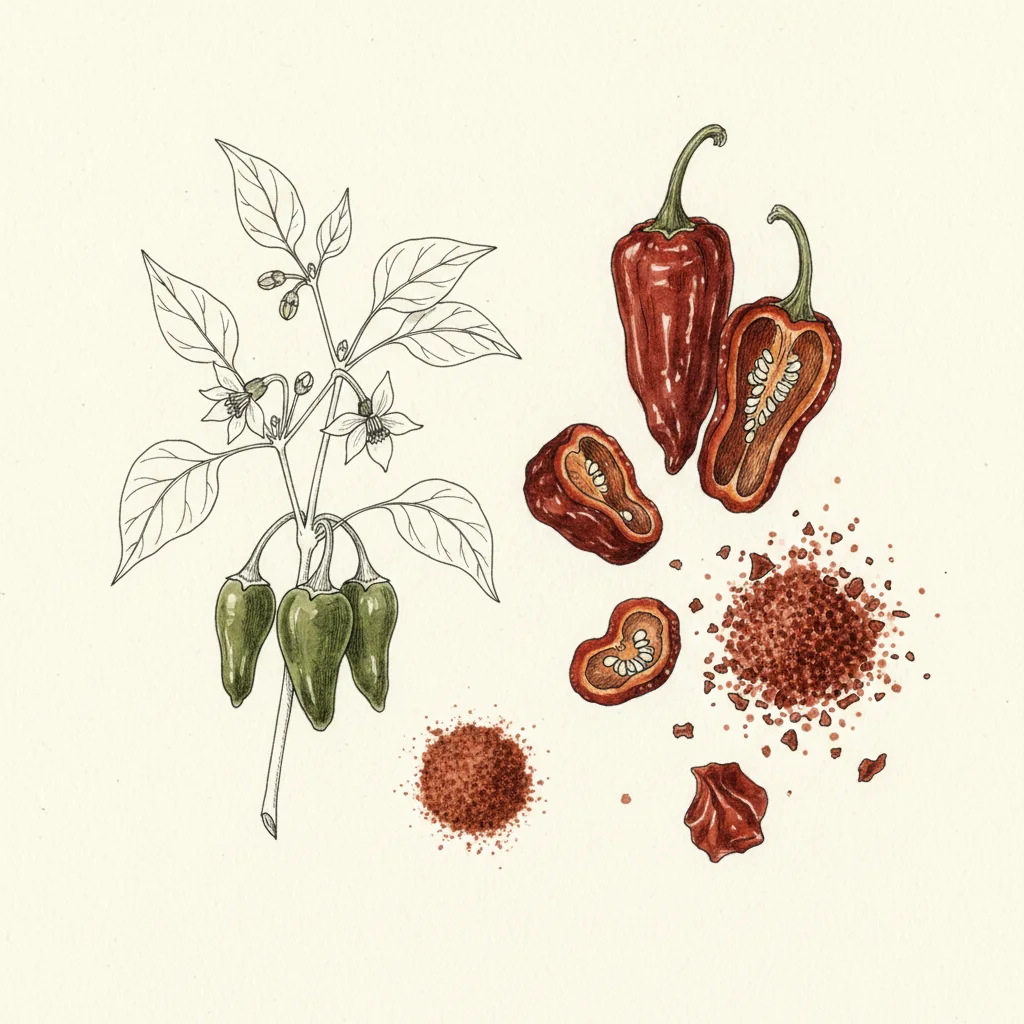
Spice · Paprika
Smoked Paprika de la Vera DOP
La Vera comarca, northern Extremadura (Cáceres province), Spain (DOP)
deep oak smoke · roasted red pepper · grilled meat
Our verdict
Turmeric for earthy color in curries, smoked paprika for oak smoke and depth.
At a glance
| Criterion | Pragati Turmeric | Smoked Paprika de la Vera DOP |
|---|---|---|
| Origin | India — Andhra Pradesh, single-origin heirloom (Curcuma longa) | Spain — La Vera, Caceres, DOP oak-smoked (Capsicum annuum) |
| Form | Ground root powder | Ground oak-smoked pepper powder |
| Intensity | 7/10 — warm, earthy, faintly bitter raw | 5/10 — smoke-forward, gentle heat |
| Main notes | Warm earth, fresh ginger, bitter orange peel | Deep oak smoke, roasted red pepper, grilled meat |
| Best use | Dals, curries, pilaf bases, roasted veg, golden milk | Chorizo, pulpo a la gallega, patatas bravas, BBQ rubs, romesco |
| Median price | ~$10 / 48 g tin | ~$9 / 50 g tin |
| Value | Bloom early; a single-origin tin tastes alive | DOP-certified smoke you can't fake; a tin lasts |
When to choose Pragati Turmeric
Reach for turmeric when you want earthy warmth and golden color as the base of a dish. Pragati's single-origin Curcuma longa from Andhra Pradesh tastes of warm earth, fresh ginger and a bitter-orange-peel edge — alive in a way the dusty supermarket stuff isn't. It's a base spice, not a finish: add it early, bloomed in hot fat or stirred into a base, so its raw bitterness cooks off and the color releases. That's the move behind dals and lentil stews, vegetable and bean curries, rice pilaf and biryani bases, roasted cauliflower and potatoes, golden milk and chicken or fish marinades. Half a teaspoon bloomed in oil serves four in a curry; a quarter teaspoon is plenty for a golden-milk latte. Used raw and unbloomed it tastes flat and chalky-bitter, which is the single most common turmeric mistake. At about $10 for a 48 g tin a genuine single-origin turmeric costs a little more than commodity powder, but the difference in aroma is obvious the moment it hits the pan — and freshness matters here more than with most spices, since turmeric's volatile notes fade. What it won't give you is smoke or that deep roasted-pepper red. For smoky depth and a brick-red color, you want Pimenton de la Vera, a completely different golden-toned spice.
When to choose Smoked Paprika de la Vera DOP
Reach for Pimenton de la Vera when you want real oak smoke and a deep roasted-pepper red. This is DOP-protected Spanish paprika from La Vera, dried over oak fires, and the smoke is the whole point — deep oak, roasted red pepper, grilled meat — a flavor you simply cannot fake with un-smoked paprika or a shake of liquid smoke. It's the backbone of homemade chorizo, Galician-style octopus, patatas bravas, smoky deviled eggs, a BBQ rub for chicken and ribs, and romesco and bean stews. Like turmeric it goes in early, but with a specific caution: bloom it in warm oil off direct heat so the color releases without scorching, because paprika burns fast over high heat and burnt paprika turns acrid and ruins a dish. A teaspoon seasons a dish for four; a tablespoon per kilo of meat for a marinade. It comes sweet (dulce), bittersweet (agridulce) and hot (picante), so match the tin to the dish. At about $9 for a 50 g tin the DOP certification buys you genuine oak-smoked provenance, and a tin lasts since you use it by the teaspoon. What it can't do is give you turmeric's earthy, gingery curry base or its golden hue — these two warm spices look related on the rack but pull a dish in entirely different directions.
Where to buy?
Pragati Turmeric
Links checked on
| Merchant | Price | Action |
|---|---|---|
| Amazon US | — | Amazon US |
| Diaspora Co. | — | Diaspora Co. |
Prices may vary depending on current promotions on the merchant site.
Smoked Paprika de la Vera DOP
Links checked on
| Merchant | Price | Action |
|---|---|---|
| Amazon US | — | Amazon US |
| Burlap & Barrel | — | Burlap & Barrel |
| Sous Chef UK | — | Sous Chef UK |
Prices may vary depending on current promotions on the merchant site.
Frequently asked questions
- Can turmeric and smoked paprika substitute for each other?
- No. Turmeric is earthy and gingery with a golden color; smoked paprika is oak-smoke and deep red. They share only a warm tone on the rack. Swapping one for the other changes both the flavor and the color of a dish.
- Do both need to be bloomed in fat?
- Yes, both go in early and bloom in oil. The difference is heat: turmeric needs hot fat to cook off its raw bitterness, while smoked paprika must bloom in warm oil off direct heat, since it scorches and turns acrid fast.
- Which adds more color?
- Turmeric gives a brighter, true-gold stain; smoked paprika gives a deep brick-red. Pick by the dish — gold for a curry or golden milk, red for chorizo, romesco or patatas bravas. Both color generously from a small dose.
- Is single-origin or DOP worth paying for?
- Yes for both. Pragati's single-origin turmeric tastes noticeably more alive than commodity powder, and La Vera's DOP guarantees genuine oak-smoking you can't fake. Each costs only a little more and the flavor difference is immediate.
The best pairings
With Pragati Turmeric
With Smoked Paprika de la Vera DOP
Comparison prepared according to our methodology. Sponsored purchase links — see our affiliations.