
Pragati single-origin heirloom turmeric powder, Curcuma longa grown by the Kasaraneni family near Vijayawada, Andhra Pradesh, India
In brief — Most turmeric on the shelf is a year old, ground to dust, and barely yellow. Pragati is the opposite: a single-origin heirloom variety grown by the Kasaraneni family near Vijayawada, milled fresh, and tested at 5.2% curcumin against the 1 to 3% of commodity powder. You taste the difference as bright orange-peel lift over the usual earth. About $10 for a 48g tin from Diaspora Co. Its aromatic profile develops notes of warm earth, fresh ginger, bitter orange peel, extended by carrot and black pepper, for an intensity of 7/10. In the kitchen, it's best added early, bloomed in hot fat or stirred into a base so the raw bitterness cooks off and it pairs with dals and lentil stews, vegetable and bean curries, rice pilafs and biryani bases. Recommended dosage: half a teaspoon bloomed in oil for a curry serving four; a quarter teaspoon for a golden milk. Expect from $10.00 to $12.00 per 48g (1.69 oz) tin (median $10.00).
Origin : near Vijayawada, Andhra Pradesh, India
Curcuma longa
« Fresh-milled and tested at 5.2% curcumin, the orange-peel lift over warm earth is genuinely better than commodity powder. The catch: it only pays off bloomed in fat where you actually taste it. Worth it for turmeric-forward dishes. »
Most turmeric on the shelf is a year old, ground to dust, and barely yellow. Pragati is the opposite: a single-origin heirloom variety grown by the Kasaraneni family near Vijayawada, milled fresh, and tested at 5.2% curcumin against the 1 to 3% of commodity powder. You taste the difference as bright orange-peel lift over the usual earth. About $10 for a 48g tin from Diaspora Co.
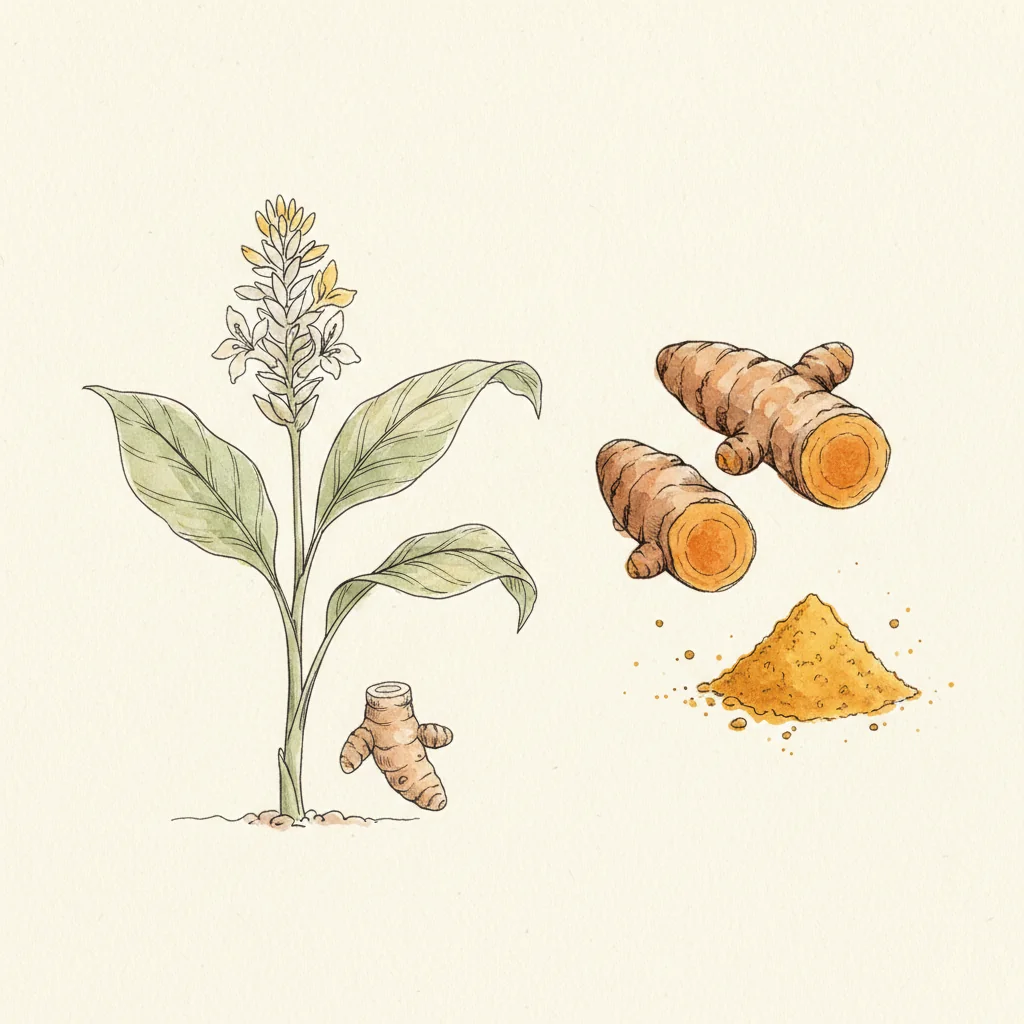
Spice · Spice root
Pragati Turmeric
near Vijayawada, Andhra Pradesh, India
warm earth · fresh ginger · bitter orange peel
Aromatic profile
| Family | Curcuma longa |
|---|---|
| Intensity | ●●●●○ (7/10) |
| Main notes | warm earth · fresh ginger · bitter orange peel |
| Secondary notes | carrot · black pepper · faint resin |
| Mouthfeel | a clinging, slightly bitter warmth that coats the tongue rather than biting it |
| Finish length | long, drying on a peppery, almost medicinal finish |
Culinary use
- When to add : early, bloomed in hot fat or stirred into a base so the raw bitterness cooks off
- Dosage : half a teaspoon bloomed in oil for a curry serving four; a quarter teaspoon for a golden milk
- Ideal pairings : dals and lentil stews, vegetable and bean curries, rice pilafs and biryani bases, roasted cauliflower and potatoes, golden milk and turmeric lattes, chicken and fish marinades
- Avoid with : raw finishing where the bitterness has no time to cook out, delicate white sauces that the deep yellow color overwhelms
The grain in detail
Turmeric is the rhizome of Curcuma longa, boiled, dried and ground to the yellow powder that colors half the world's curries, and most of what you buy is anonymous: blended from many farms, stored long, ground so fine and so old that it tastes mostly of dusty earth. Pragati is the argument against that. It is a single heirloom variety grown by the Kasaraneni family on third-generation land near Vijayawada in Andhra Pradesh, developed with the Indian Institute of Spice Research and planted by Prabhu Kasaraneni starting in 2015. The number that matters is curcumin: commodity turmeric runs 1 to 3%, and Pragati is lab-tested at 5.2%. Curcumin is the pigment and the bitter-medicinal backbone, so a higher figure means deeper color and more punch, but the real reason this grain stands out is freshness. Milled within months of harvest, it throws aromatics that stale powder has lost, warm earth and fresh ginger up front, then a genuine bitter-orange lift over the top, with carrot sweetness and a peppery, faintly resinous tail. Here is the catch worth knowing: turmeric is raw bitterness until you cook it. Stirred into a finished dish at the end it tastes of chalk and medicine. Bloom it in hot fat for thirty to sixty seconds, or build it into a base early, and the bitterness mellows while the color and aroma bloom out. That is true of any turmeric, but with a high-curcumin lot like this one, treating it wrong wastes the very thing you paid extra for. Color is also your freshness tell. Fresh Pragati is a vivid, almost neon saffron-orange; commodity powder that has sat in a warehouse fades toward a flat mustard. It belongs early in dals, bean and vegetable curries, rice bases and roast-vegetable spice mixes, and it makes a serious golden milk because the curcumin you are after for that drink is exactly what it has more of. Pair it with black pepper and a little fat, the way Indian cooks always have. One honest note on value: for a weeknight dal where turmeric is doing background color, commodity powder is fine, and I will not pretend otherwise. Pragati earns its premium when turmeric is a flavor you actually want to taste, in a simple dal, a golden milk, a turmeric-forward marinade, where the orange-peel brightness and the depth of color do real work on the plate.
History & origin
Turmeric has been grown and used across the Indian subcontinent for at least four thousand years, as dye, medicine and spice, and India still grows and consumes the overwhelming majority of the world's crop. Andhra Pradesh, where Pragati is farmed, is one of the country's historic turmeric heartlands. The Pragati variety itself is recent: an heirloom cultivar planted by Prabhu Kasaraneni near Vijayawada from 2015, developed with the Indian Institute of Spice Research and brought to US kitchens by Diaspora Co., a single-origin spice company founded by Sana Javeri Kadri in 2017 to pay farmers directly and ship turmeric fresh rather than warehoused.
Provenance & authenticity
What sets the real thing apart — appellation, species and verification cues.
- Species
- Curcuma longa
Indicative price
Reference format : 48g (1.69 oz) tin — from $10.00 to $12.00 (median : $10.00).
Storage
Airtight tin away from light and heat. Color is the indicator: vivid saffron-orange means fresh, a fade toward dull mustard means the aromatics and curcumin are going. Best within 12 months of opening.
Where to buy?
Where to buy it
Links checked on
| Merchant | Price | Action |
|---|---|---|
| Amazon US | — | Amazon US |
| Diaspora Co. | — | Diaspora Co. |
Prices may vary depending on current promotions on the merchant site.
Tags
- turmeric
- Pragati
- Diaspora Co
- India
- Andhra Pradesh
- Curcuma longa
- single-origin
- high curcumin
Frequently asked questions
- How do you store Pragati Turmeric?
- Airtight tin away from light and heat. Color is the indicator: vivid saffron-orange means fresh, a fade toward dull mustard means the aromatics and curcumin are going. Best within 12 months of opening.
- What dosage for Pragati Turmeric?
- half a teaspoon bloomed in oil for a curry serving four; a quarter teaspoon for a golden milk
- When should you add Pragati Turmeric in cooking?
- It's best used early, bloomed in hot fat or stirred into a base so the raw bitterness cooks off.
- What should you avoid pairing Pragati Turmeric with?
- Avoid with: raw finishing where the bitterness has no time to cook out, delicate white sauces that the deep yellow color overwhelms.
Go further
The dishes where this pragati turmeric shines
Also a recommended alternative for
As a complementary pairing with
See every dish where this product is mentioned →
Other spices to discover
Featured in these gift sets
Page prepared according to our methodology. Purchase links marked sponsored and liable to earn a commission — details on our Affiliations page.