
Comparison
Provence olive oil vs rapeseed oil — which finishing oil?
As a finisher, Provence PDO wins on character — green almond, raw artichoke, a soft peppery tail — for about $30. Rapeseed is lighter and nuttier with a clean, short finish, for about £5, and it does what Provence can't: it cooks. For a raw drizzle on tomatoes or crudo, Provence. For the roasting tray and everyday dressings, rapeseed.
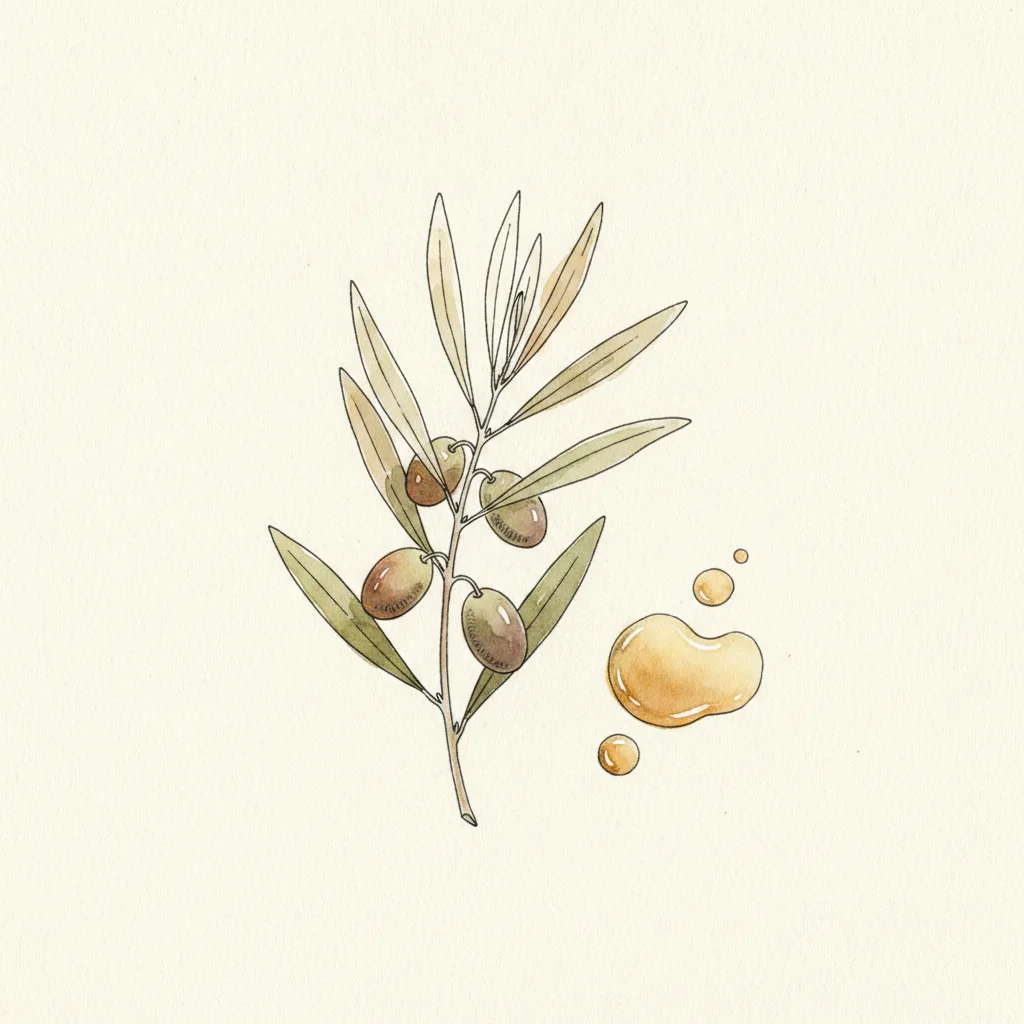
Oil · Olive oil
Provence PDO Olive Oil
Provence (Bouches-du-Rhône, Vaucluse, Var, Alpes-de-Haute-Provence), France (PDO)
green almond · raw artichoke · cut grass
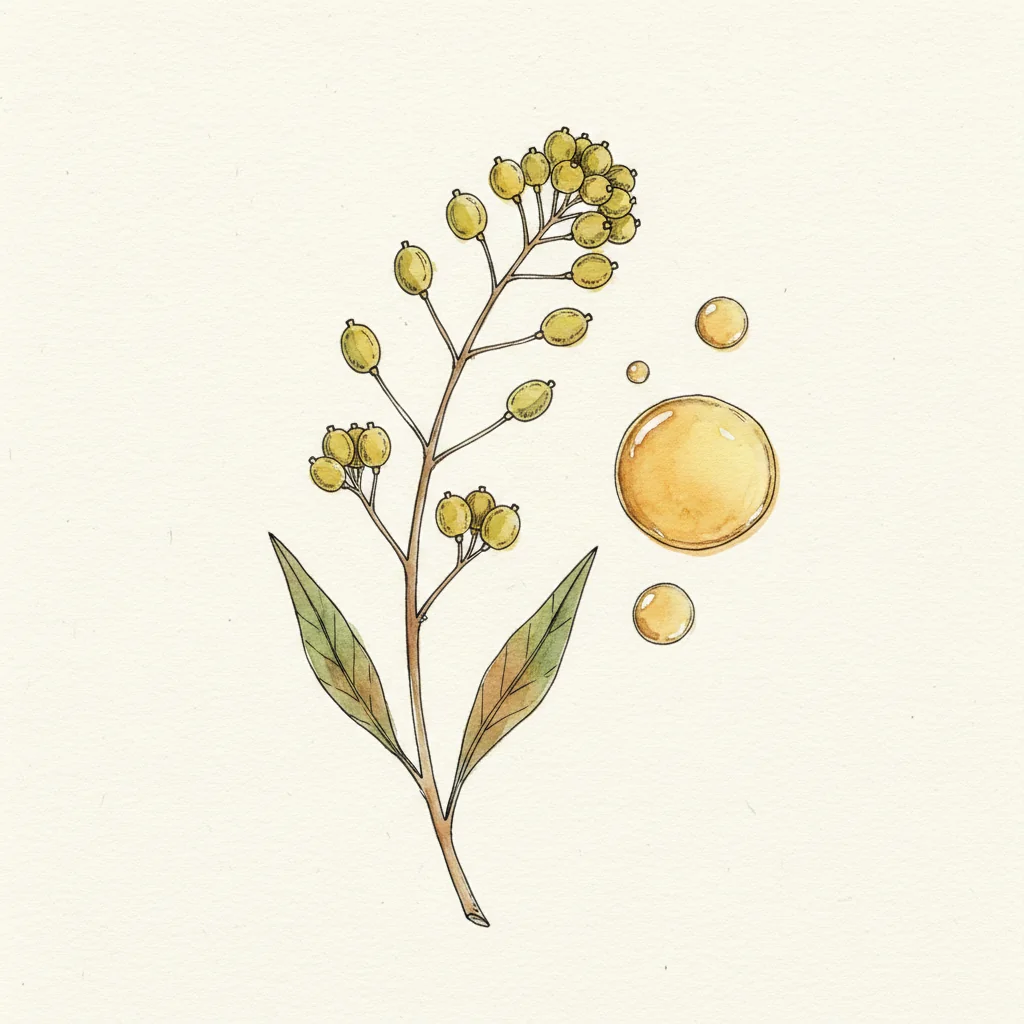
Oil · Cold-pressed oil
Cold-Pressed Rapeseed Oil
Yorkshire Wolds and the Cotswolds, single-estate farms, England
cut grass · toasted nut · fresh hay
Our verdict
Provence for the raw drizzle, rapeseed for the heat and the budget.
At a glance
| Criterion | Provence PDO Olive Oil | Cold-Pressed Rapeseed Oil |
|---|---|---|
| Type | Extra virgin olive oil PDO (raw finisher) | Cold-pressed rapeseed (cooks and finishes) |
| Origin | Provence, France | Yorkshire Wolds and Cotswolds, England |
| Smoke point | Low — best kept raw | High, near 446°F (230°C) — roasts and fries |
| Intensity | 6/10 — soft peppery finish | 5/10 — light, nutty, clean |
| Main notes | Green almond, raw artichoke, cut grass | Cut grass, toasted nut, fresh hay |
| Best use | Tomatoes, crudo, burrata, good bread | Roast potatoes, dressings, mayo, carvery |
| Median price | $30 / 500ml | £5 / 500ml |
| Value | Everyday-luxury raw drizzle | Cheapest serious cooking-and-dressing oil |
When to choose Provence PDO Olive Oil
Reach for the Provence when the plate is finished and you want a raw drizzle with the character of the south of France. Provence PDO is blended mostly from Aglandau and three other Provençal varieties, and it reads green almond, raw artichoke, and cut grass with a mild peppery finish that catches the back of the throat without ever scorching. That balance is its gift as a finisher: fluid, smooth, forgiving, it sits beautifully on summer tomatoes, on fish crudo and carpaccio, on a cold gazpacho, on burrata and fresh mozzarella, on good bread. Where the rapeseed gives you a clean, light, nutty tail, the Provence gives you a fruity-green olive character with a genuine peppery lift — more to taste, more sense that the oil has a place of origin. The rule for choosing it: if the oil is the finishing flourish and you want olive-oil character on the plate, Provence wins. But be honest about where it loses. It's a raw finisher first — above a screaming-hot pan the delicate aromatics burn off and you've wasted the price, so it tolerates only gentle low-heat warming and never the roasting tray. And at about $30 a bottle against the rapeseed's £5, you pay six-fold for that character, which only makes sense if you're using it raw where the flavor shows. Keep it in tinted glass or a tin, between 57 and 64 degrees, and use it within twelve to eighteen months of harvest; once opened, finish it inside a couple of months, because the same delicate aromatics that make it lovely fade fast. So the verdict on Provence: it's the everyday-luxury drizzle, the bottle you reach for when a tomato salad or a piece of crudo deserves an oil with a pulse. It is not the bottle you roast with — that's a job it does worse and more expensively than the rapeseed. Match the oil to the moment: raw, delicate, character-forward, and Provence is worth every cent of the premium.
When to choose Cold-Pressed Rapeseed Oil
Reach for the cold-pressed rapeseed when you want one oil that does nearly everything and costs almost nothing. Pressed from rapeseed grown on single estates in the Yorkshire Wolds and the Cotswolds, it carries a grassy, nutty flavor, a silky light body, and a smoke point near 230 degrees Celsius — so unlike the Provence, it roasts and fries as happily as it finishes. That's the headline difference: rapeseed is a true all-rounder. Coat a tray and it crisps roast potatoes harder than olive oil; whisk it into vinaigrettes and homemade mayonnaise; drizzle it raw over a Sunday roast carvery or dip crusty bread in it. As a finisher it's clean and light with a short nutty tail and no peppery burn — pleasant and versatile, if quieter than the Provence's fruity-green character. The rule for choosing it: anywhere there's heat, and anywhere the budget matters, the rapeseed wins, because at about £5 for 500ml against the Provence's $30 it costs a fraction and pours without guilt. Where it loses is exactly that finishing character. On a tomato salad or a fish crudo where you want the oil to read as a flavor in its own right — green almond, artichoke, a soft peppery lift — the rapeseed is too neutral and the Provence earns its premium. So the split is clean: rapeseed for the cooking and the everyday dressing, Provence for the raw drizzle that's meant to be tasted. Store the rapeseed in a cool, dark cupboard away from the hob and sunlight, which turn it rancid faster than olive oil; the high omega-3 content means it doesn't keep forever, so use it within a few months of opening. The verdict: if you can keep only one oil and you cook more than you drizzle, the rapeseed is the obvious, frugal choice — it does the most jobs for the least money. But it isn't a finishing oil with character, and on the plates that want one, it can't replace the Provence.
Where to buy?
Provence PDO Olive Oil
Links checked on
| Merchant | Price | Action |
|---|---|---|
| Amazon US | — | Amazon US |
| Olive Oil Lovers | — | Olive Oil Lovers |
Prices may vary depending on current promotions on the merchant site.
Cold-Pressed Rapeseed Oil
Links checked on
| Merchant | Price | Action |
|---|---|---|
| Amazon UK | — | Amazon UK |
| Cotswold Gold | — | Cotswold Gold |
| Sous Chef UK | — | Sous Chef UK |
Prices may vary depending on current promotions on the merchant site.
Frequently asked questions
- Which is the better finishing oil?
- Provence, for character. Its green-almond, artichoke, soft-peppery profile reads as a flavor on the plate, where the rapeseed's clean nutty tail stays quieter. For a raw drizzle on tomatoes, crudo, or bread, the Provence earns its premium.
- Why is rapeseed so much cheaper?
- It's grown and pressed at scale in Britain, while Provence PDO carries the cost of protected appellation, lower-yield olive varieties, and import. At about £5 against $30, rapeseed is the value oil — especially since it also cooks, which Provence can't.
- Can I roast with Provence olive oil?
- Best not. It tolerates gentle low-heat warming, but a hot tray burns off the delicate aromatics you paid for. Use the rapeseed for roasting, with its 446°F (230°C) smoke point, and save the Provence for the raw finish.
- If I can only buy one, which?
- Depends on your cooking. If you roast and fry more than you drizzle, the rapeseed does more jobs for far less money. If you finish a lot of salads, crudo, and tomatoes raw and want olive-oil character, the Provence is worth the splurge.
The best pairings
With Provence PDO Olive Oil
With Cold-Pressed Rapeseed Oil
Comparison prepared according to our methodology. Sponsored purchase links — see our affiliations.