
Provence Extra Virgin Olive Oil PDO (blend of Provençal varieties: Aglandau, Bouteillan, Salonenque, Cayon)
In brief — Provence PDO olive oil is the everyday-luxury finishing oil from the south of France, blended mostly from four Provençal olive varieties. The flavor reads green almond, raw artichoke, and cut grass, with a mild peppery finish that never scorches the throat. It's balanced and forgiving, a fruity-green oil that works on a tomato salad as easily as on fish crudo. A 500ml bottle runs about $30. Its aromatic profile develops notes of green almond, raw artichoke, cut grass, extended by green apple and tomato leaf, for an intensity of 6/10. In the kitchen, it's best added raw finish, or gentle low-heat cooking and it pairs with summer salads and tomatoes, fish crudo and carpaccio, cold vegetable soups and gazpacho. Recommended dosage: about a tablespoon poured raw over the plate, right before serving. Expect from $24.00 to $40.00 per 500ml bottle (median $30.00).
Origin : Provence (Bouches-du-Rhône, Vaucluse, Var, Alpes-de-Haute-Provence), France (PDO)
Olea europaea
« Round, ripe-fruit profile with the bite held in check: the Provençal signature. The PDO is solid and the named mills deliver real value. More approachable than a Tuscan oil, if less assertive on the palate. »
Provence PDO olive oil is the everyday-luxury finishing oil from the south of France, blended mostly from four Provençal olive varieties. The flavor reads green almond, raw artichoke, and cut grass, with a mild peppery finish that never scorches the throat. It's balanced and forgiving, a fruity-green oil that works on a tomato salad as easily as on fish crudo. A 500ml bottle runs about $30.
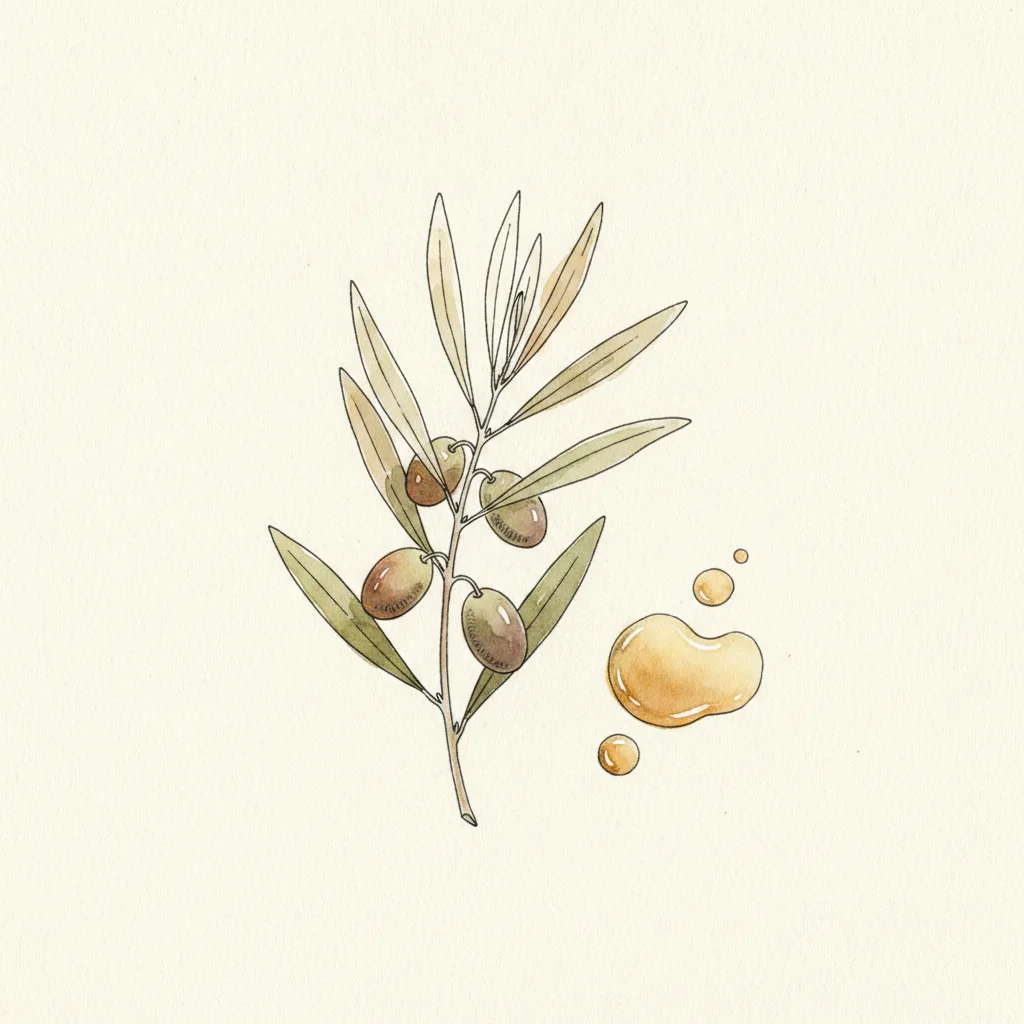
Oil · Olive oil
Provence PDO Olive Oil
Provence (Bouches-du-Rhône, Vaucluse, Var, Alpes-de-Haute-Provence), France (PDO)
green almond · raw artichoke · cut grass
Aromatic profile
| Family | Olea europaea |
|---|---|
| Intensity | ●●●○○ (6/10) |
| Main notes | green almond · raw artichoke · cut grass |
| Secondary notes | green apple · tomato leaf · soft peppery finish |
| Mouthfeel | fluid and smooth, with a mild polyphenol bite that catches the back of the throat |
| Finish length | medium to long, a quiet peppery tail rather than a harsh burn |
Culinary use
- When to add : raw finish, or gentle low-heat cooking
- Dosage : about a tablespoon poured raw over the plate, right before serving
- Ideal pairings : summer salads and tomatoes, fish crudo and carpaccio, cold vegetable soups and gazpacho, grilled vegetables off the heat, good bread, plain or for bruschetta, burrata and fresh mozzarella
- Avoid with : deep-frying or screaming-hot pans (the delicate aromatics burn off and you waste the price), very assertive flavors that bury the green, grassy notes, anything where a neutral oil would do the same job for less
The grain in detail
"L'Huile d'olive de Provence" earned EU Protected Designation of Origin status, covering groves across Bouches-du-Rhône, Vaucluse, Var, and part of Alpes-de-Haute-Provence. The rules are specific: the oil must be at least 80% a blend of Provençal varieties (chiefly Aglandau, Bouteillan, Salonenque, and Cayon), the olives picked before mid-December, milled within days, and cold-extracted below 81°F (27°C) with free acidity capped at 0.8%. Three styles are allowed: fruity-green, fruity-ripe, and the rarer fruity-black from controlled-maturation olives. The one you'll meet most often is the balanced fruity-green, and here's what it actually tastes like: green almond (that's the Aglandau talking), raw artichoke, freshly cut grass, and green apple, with a peppery tickle at the back of the throat from the polyphenols. That bite is mild, not the throat-grabbing pungency of a young Tuscan oil, which makes Provence the more forgiving, more versatile bottle of the two. This is a finishing oil first. Pour it raw over ripe summer tomatoes, fish crudo, cold vegetable soups, grilled vegetables once they're off the heat, burrata, or good bread. It will also stand up to gentle low-heat cooking, but deep-frying or a roaring pan burns off the volatile aromatics you paid for, so reach for a neutral oil there. Terroir shifts the profile: the Vallée des Baux gives bigger, riper oils, the Haut Var leans floral, the Vaucluse sits balanced in the middle. Named mills worth knowing include Castelas (Vallée des Baux PDO) and Cornille. Freshness is everything with olive oil, so drink it within twelve months of harvest. When you buy, read the label closely: "Provence PDO" or "AOP Provence" is the protected claim, while "from Provence" alone means nothing. Look for a harvest date, a lot code, and a tinted-glass bottle or opaque tin that keeps the light out.
History & origin
Olives have been farmed in Provence since the Phocaean Greeks founded Marseille around 600 BC, and the Romans formalized the groves. The brutal frost of February 1956 killed off more than 80% of Provence's olive trees, triggering a long decline that only reversed in the 1980s and 1990s, when a new generation of mills rebuilt the region's quality reputation. The Provence PDO crowned that recovery, locking in the varietal blend and the cold-extraction rules.
Provenance & authenticity
What sets the real thing apart — appellation, species and verification cues.
- Protected appellation
- AOP/PDO
- Register : INAO; EU eAmbrosia
- Year : 2020
- Authority : INAO (France)
- Species
- Olea europaea
- Grade / standard
- Extra virgin (free acidity <=0.8%)
How to verify the real one
- AOP Huile d olive de Provence logo
- extra virgin (<=0.8% acidity)
- Provencal varieties (Aglandau, Salonenque)
- harvest year on label
Indicative price
Reference format : 500ml bottle — from $24.00 to $40.00 (median : $30.00).
Storage
Keep in tinted glass or an opaque tin, away from light and heat, ideally 57-64°F (14-64°F (18°C)). Best within 12 to 18 months of harvest; once opened, use within a couple of months.
Where to buy?
Where to buy it
Links checked on
| Merchant | Price | Action |
|---|---|---|
| Amazon US | — | Amazon US |
| Olive Oil Lovers | — | Olive Oil Lovers |
Prices may vary depending on current promotions on the merchant site.
Alternatives if unavailable
Tags
- olive oil
- PDO
- Provence
- France
- Olea europaea
- Aglandau
- fruity-green
- finishing oil
Frequently asked questions
- How do you store Provence PDO Olive Oil?
- Keep in tinted glass or an opaque tin, away from light and heat, ideally 57-64°F (14-64°F (18°C)). Best within 12 to 18 months of harvest; once opened, use within a couple of months.
- What dosage for Provence PDO Olive Oil?
- about a tablespoon poured raw over the plate, right before serving
- When should you add Provence PDO Olive Oil in cooking?
- It's best used raw finish, or gentle low-heat cooking.
- What should you avoid pairing Provence PDO Olive Oil with?
- Avoid with: deep-frying or screaming-hot pans (the delicate aromatics burn off and you waste the price), very assertive flavors that bury the green, grassy notes, anything where a neutral oil would do the same job for less.
Go further
The dishes where this provence pdo olive oil shines
Also a recommended alternative for
As a complementary pairing with
See every dish where this product is mentioned →
Other oils, vinegars & honeys to discover
Featured in these gift sets
Page prepared according to our methodology. Purchase links marked sponsored and liable to earn a commission — details on our Affiliations page.