
Comparison
Smoked paprika vs turmeric: which to choose?
They color a dish in different directions. Pimentón de la Vera DOP brings deep oak smoke and roasted-pepper warmth — buy it for chorizo, paella and BBQ rubs. Pragati turmeric brings earthy, gingery, faintly bitter warmth — buy it for dals and curries. Smoke versus earth; pick by the cuisine.
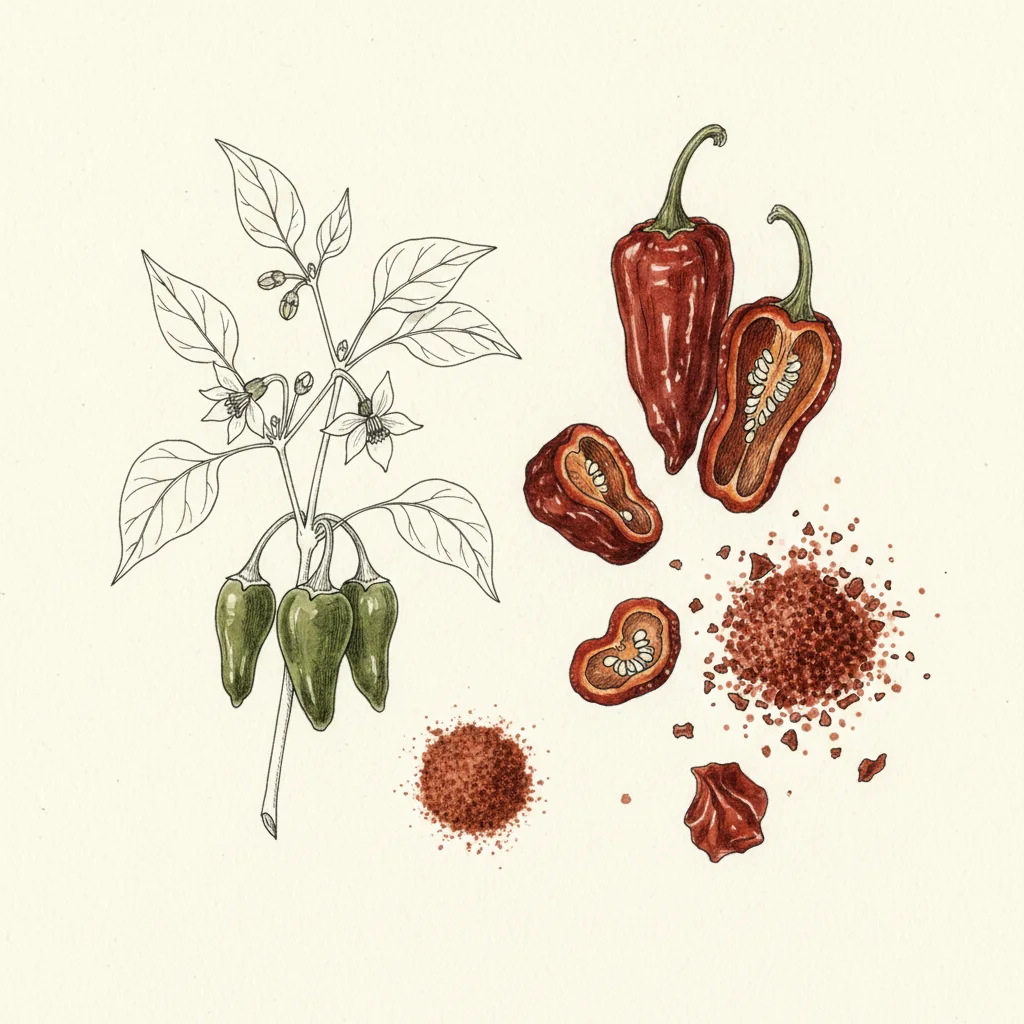
Spice · Paprika
Smoked Paprika de la Vera DOP
La Vera comarca, northern Extremadura (Cáceres province), Spain (DOP)
deep oak smoke · roasted red pepper · grilled meat
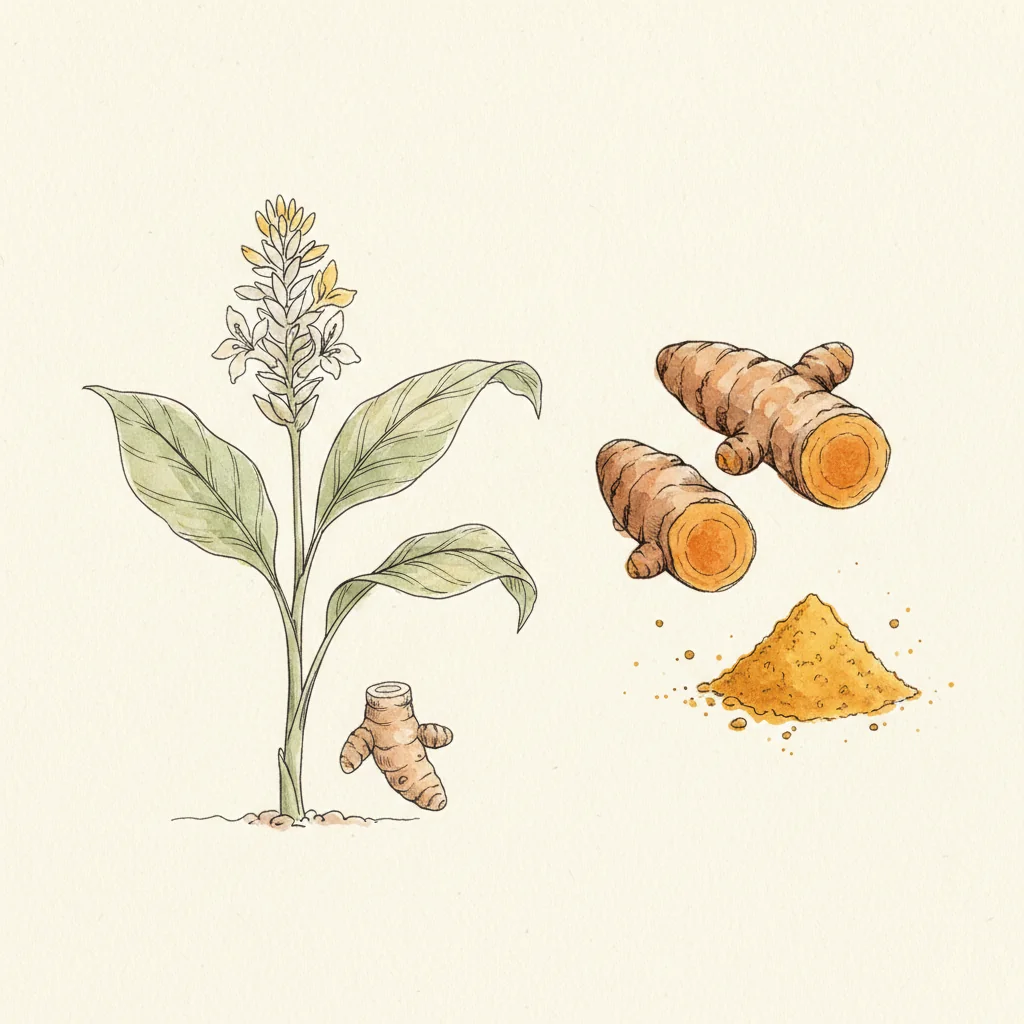
Spice · Spice root
Pragati Turmeric
near Vijayawada, Andhra Pradesh, India
warm earth · fresh ginger · bitter orange peel
Our verdict
Smoked paprika for Spanish smoke; turmeric for Indian earthy base.
At a glance
| Criterion | Smoked Paprika de la Vera DOP | Pragati Turmeric |
|---|---|---|
| Profile | Deep oak smoke, roasted red pepper, grilled meat, ripe tomato | Warm earth, fresh ginger, bitter orange peel, faint resin |
| Intensity | 5/10 — smoky warmth coating the palate, dulce grade no burn | 7/10 — clinging, slightly bitter warmth that coats the tongue |
| Price | ~$9 for a 1.8 oz / 50 g tin | ~$10 for a 48 g tin |
| Best use | Chorizo, pulpo, patatas bravas, deviled eggs, BBQ rubs, romesco | Bloomed into dals, curries, rice bases, roasted vegetables |
When to choose Smoked Paprika de la Vera DOP
Reach for smoked paprika de la Vera when you want smoke and roasted-pepper depth without firing up a grill. This is Pimentón de la Vera DOP from northern Extremadura, where the peppers are dried over oak fires — that's where the deep oak smoke, roasted-red-pepper and grilled-meat character comes from, and the DOP guarantees that smoking method. At 5/10 the dulce grade carries smoky warmth but no real burn. Four jobs it owns. First, homemade chorizo, where pimentón is both the color and the soul of the sausage. Second, Galician-style octopus, pulpo a la gallega, dusted over potatoes and oil. Third, patatas bravas and smoky deviled eggs, where a pinch transforms the dish. Fourth, a BBQ rub for chicken and ribs, plus romesco and bean stews. The technique that matters: bloom it early in warm oil, off direct heat, so the color releases without scorching — paprika burns fast and goes acrid over high heat, turning a dish bitter. Add it to the pan after you pull it from the burner, or to a low flame, never a screaming-hot one. Buy a small tin, around $9 for 1.8 oz, and look for the DOP mark — generic 'smoked paprika' is often liquid-smoke-flavored, not oak-smoked. The brick-red color and the smoke hold for about 18 months; past that it oxidizes toward brown and the smoke fades. Use it up.
When to choose Pragati Turmeric
Reach for Pragati turmeric when the dish is Indian and you want earthy, gingery warmth and gold, not smoke. This is single-origin heirloom turmeric grown by the Kasaraneni family near Vijayawada, Andhra Pradesh, and at 7/10 it's a clinging, slightly bitter warmth — warm earth, fresh ginger, bitter orange peel. Four jobs it owns. First, dals and lentil stews, where turmeric is the base color and earthy backbone. Second, vegetable and bean curries. Third, rice pilafs and biryani bases. Fourth, roasted cauliflower and potatoes, plus golden milk lattes. The technique: add it early, bloomed in hot fat or stirred into a base so the raw bitterness cooks off — like paprika, it tastes harsh dusted on raw at the end. The difference between the two is direction, not heat: paprika pulls a dish toward Spanish oak smoke, turmeric pulls it toward Indian earth, and they're rarely interchangeable. Where you might reach for either is color — both go warm-gold — but the flavors land in different cuisines. Single-origin turmeric like Pragati is far more aromatic than the dusty supermarket kind; a 48 g tin runs about $10. Color is your freshness gauge: vivid saffron-orange means fresh, a fade toward dull mustard means the curcumin and aromatics are going. Best within 12 months of opening, airtight and away from light and heat.
Where to buy?
Smoked Paprika de la Vera DOP
Links checked on
| Merchant | Price | Action |
|---|---|---|
| Amazon US | — | Amazon US |
| Burlap & Barrel | — | Burlap & Barrel |
| Sous Chef UK | — | Sous Chef UK |
Prices may vary depending on current promotions on the merchant site.
Pragati Turmeric
Links checked on
| Merchant | Price | Action |
|---|---|---|
| Amazon US | — | Amazon US |
| Diaspora Co. | — | Diaspora Co. |
Prices may vary depending on current promotions on the merchant site.
Frequently asked questions
- Are smoked paprika and turmeric interchangeable?
- Rarely. Both add warm color, but paprika brings oak smoke and roasted pepper to Spanish dishes, while turmeric brings earthy, gingery warmth to Indian ones. Swapping them changes the whole character of a dish.
- Why does my paprika taste bitter?
- You likely scorched it. Paprika burns fast over high heat and turns acrid. Bloom it in warm oil off direct heat so the color releases without burning.
- What does the DOP mark mean on paprika?
- It certifies real Pimentón de la Vera, oak-smoked the traditional way in La Vera. Generic 'smoked paprika' is often just liquid-smoke-flavored, with none of the depth.
- Which should I add earlier in cooking?
- Both go in early and bloomed in fat — paprika off direct heat to avoid scorching, turmeric to cook off its raw bitterness. Neither is a raw finishing spice.
The best pairings
With Smoked Paprika de la Vera DOP
With Pragati Turmeric
Comparison prepared according to our methodology. Sponsored purchase links — see our affiliations.