
House
Yamaroku Shoyu
Shodoshima, Kagawa Prefecture, Japan · since 1868 · founded by Yamamoto family
The artisanal soy sauce house on Shodoshima island in Japan's Inland Sea, brewing shoyu in giant century-old wooden kiokebarrels (kioke) by methods most of the industry abandoned for steel and speed. Founded in the Meiji era and run by the Yamamoto family, it is a reference for understanding real, long-aged, wooden-barrel-fermented soy sauce against the fast industrial product.
History
Yamaroku Shoyu is a soy sauce brewery on Shodoshima, an island in Japan's Seto Inland Sea in Kagawa Prefecture that has been a center of soy sauce production for centuries, helped by its climate and its historic salt trade. The brewery dates to the Meiji era, founded around 1868 and run by generations of the Yamamoto family, and it has become one of the most cited examples of traditional, uncompromising shoyu production. The defining feature is the kioke: enormous wooden barrels, some over a century old and standing taller than a person, in which the soy sauce mash (moromi) ferments slowly. Almost the entire modern soy sauce industry abandoned wooden barrels in the twentieth century for stainless steel and temperature-controlled, accelerated fermentation, which produces consistent soy sauce fast and cheap. Wooden barrels are harder to control, host complex resident microbial ecosystems in the grain of the wood, and ferment over years rather than months, but that slow fermentation in a living wooden vessel is what traditional brewers credit for the depth and complexity of real shoyu. Yamaroku not only kept its old kioke but became a champion of the craft: the brewery learned to build new kioke, a nearly lost coopering skill, and the head of the house, Yasuo Yamamoto, started a movement to preserve and revive wooden-barrel brewing, teaching other producers and even other industries to make and use kioke so the tradition does not die with the last barrels. The brewery's flagship products are long-aged shoyu, including a double-brewed (saishikomi) soy sauce where the sauce is brewed, then used in place of brine to brew a second time, doubling the depth and producing a dark, rich, complex condiment far removed from the thin, salty, industrial product. The honest framing for the cook is that this is a finishing and dipping soy sauce, used where you taste it, over sashimi, as a dipping sauce, drizzled on a finished dish, rather than as a bulk cooking ingredient where a standard soy sauce does the job and the nuance is lost to heat and volume. It is to soy sauce what traditional balsamic is to vinegar or single-varietal honey is to a blend: the artisanal, slow, place-and-method-specific version that teaches what the category can be. Yamaroku ships internationally and has become known among Western chefs and food writers as a benchmark, and its barrel-building advocacy gives it a story that is about preserving a craft rather than selling a premium, which is exactly the kind of named-product, real-method clarity this catalog provides for an ingredient most cooks treat as undifferentiated.
How they work
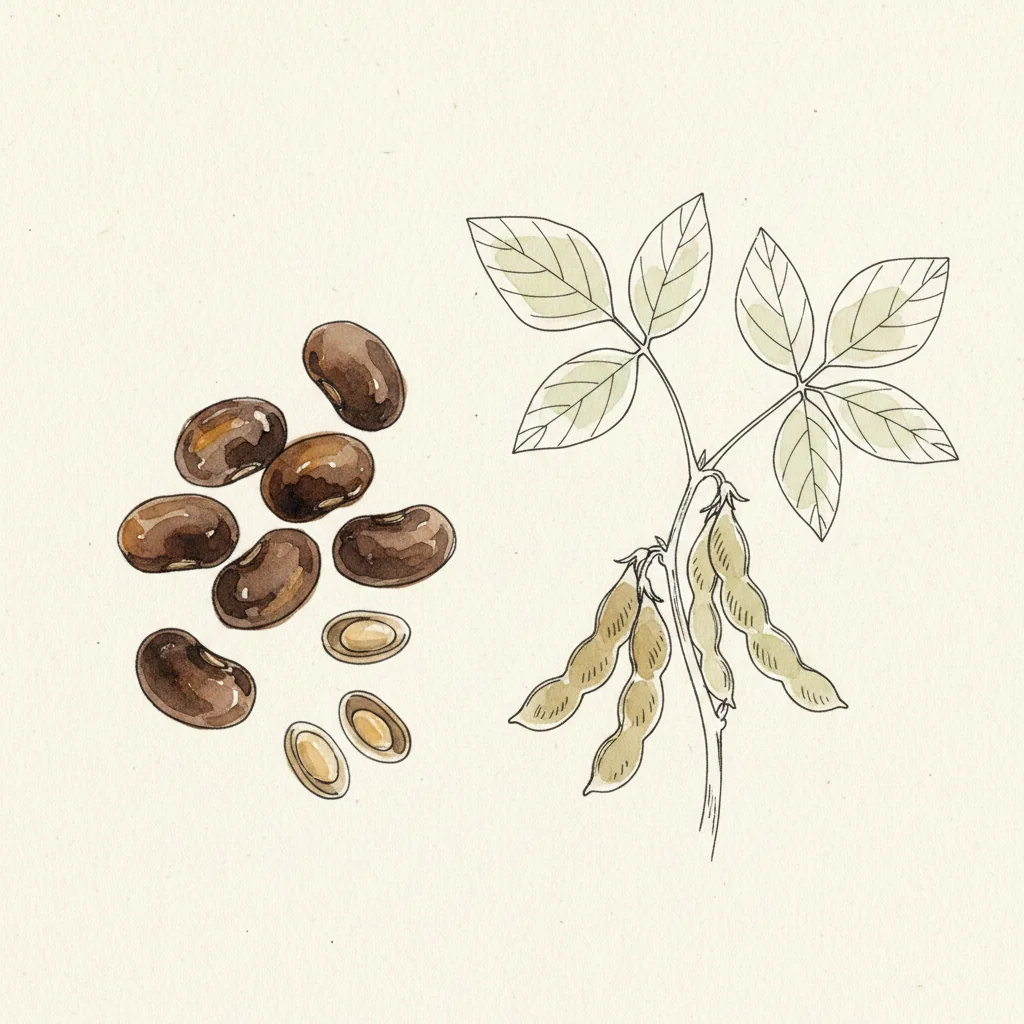
Yamaroku brews soy sauce in giant wooden barrels, kioke, some over a century old and taller than a person, by the slow traditional method most of the industry abandoned. Soybeans and wheat are cultured with koji mold, then combined with salt brine into a mash (moromi) that ferments in the wooden barrels for years rather than the months of accelerated steel-tank brewing. The wood matters: each barrel hosts a complex resident ecosystem of yeasts and bacteria living in the grain, contributing to the depth and individuality of the sauce in a way a sterilized steel tank cannot. The flagship is a double-brewed saishikomi shoyu, where a finished batch of soy sauce is used in place of brine to brew a second time, doubling the richness and color. The slow fermentation is harder to control and far less efficient than the industrial process, which is the trade for complexity. Crucially, the brewery also revived the near-lost craft of building new kioke, teaching coopering so the tradition survives, since the existing barrels are aging and no one was making more. The guarantee is the method and the barrels, not a certification.
Specialties
- wooden-barrel (kioke) soy sauce
- long-aged and double-brewed shoyu
- kioke coopering revival
Products from this house on La Pincée
Where to buy
Yamaroku ships from Japan and is carried by specialist Japanese-ingredient retailers internationally; in the UK, Sous Chef and Japanese specialists stock or can source artisanal barrel-aged shoyu, and in the US Japanese grocers and online specialists carry it. Expect a real premium over supermarket soy sauce, roughly 15 to 30 dollars or pounds for a bottle of long-aged or double-brewed shoyu, reflecting the years of barrel fermentation. Practical advice: use Yamaroku as a finishing and dipping sauce where you taste it directly, over sashimi or tofu, as a dipping sauce for dumplings, or drizzled on a finished dish; do not pour an expensive long-aged shoyu into a braise or a marinade by the cup, where heat and volume waste the nuance and an everyday soy sauce does the job. The double-brewed (saishikomi) bottle is the one to try first for its dark richness. Buy a size you will use within a reasonable time and keep it cool and away from light once opened, ideally refrigerated, since a living, unpasteurized-style artisanal shoyu changes faster than an industrial one. Check that you are buying genuine barrel-aged Yamaroku from a reputable Japanese-foods retailer rather than a generic soy sauce, since the whole point is the wooden-barrel method. For a cook who treats soy sauce as one undifferentiated thing, a single bottle of real long-aged shoyu used as a finisher is the most instructive purchase, the soy-sauce equivalent of tasting a real aged balsamic next to supermarket balsamic. For everyday cooking volume, keep a standard soy sauce alongside and save the Yamaroku for the plate.
Good to know
Three honest points. First, Yamaroku is a finishing and dipping shoyu, not a bulk cooking ingredient; use it where you taste it directly and keep a standard soy sauce for braises and marinades, because heat and volume waste the years of barrel fermentation you paid for. Second, the premium is real and largely honest: wooden-barrel fermentation over years is far less efficient than steel-tank brewing, and the depth of a double-brewed saishikomi shoyu is genuinely different from the thin industrial product, so judge it as you would a traditional balsamic, by the drop and on the plate. Third, buy genuine barrel-aged Yamaroku from a reputable Japanese-foods retailer, since the method is the whole value and a generic soy sauce is a different product. The verdict: Yamaroku is the artisanal, slow, wooden-barrel reference for what real shoyu can be, and its revival of kioke coopering makes it a craft-preservation story as much as a premium product, best approached with a single bottle of double-brewed shoyu used as a finisher.