
Traditional Japanese Tamari, whole-soy wheat-free soy sauce (Aichi, Gifu & Mie)
In brief — Tamari is the thicker, darker, wheat-free cousin of soy sauce — brewed from whole soybeans with little or no wheat, so it reads as deep roasted umami instead of the thin salt-and-bread snap of ordinary shoyu. It originated as the liquid that pooled off miso in Japan's Tōkai region, and the best bottles still come from Aichi, Gifu and Mie. Buy a naturally brewed, whole-soy bottle — a 10 oz runs about $6 — and check the label says "gluten free" if that matters, since not every tamari is fully wheat-free. In the kitchen, it's best added both — splash it in at the end of cooking for a glaze or dipping sauce, or use it raw off the heat where its body and depth carry a dish and it pairs with sashimi and sushi dipping, glazed salmon and seared tuna, stir-fries and fried rice finished off the heat. Recommended dosage: a teaspoon or two to finish a pan; for dipping, pour a shallow saucer and don't dilute — good tamari needs no help. Expect from $4.50 to $8.00 per 10 fl oz / 300 ml bottle (median $6.00).
Origin : Aichi, Gifu and Mie — the Tōkai region around Nagoya, the historic home of whole-soybean (mame) brewing and Hatchō miso, Japan
« The deep, wheat-free soy worth keeping next to your shoyu. Thicker, rounder, more umami — a teaspoon carries a pan. Read the label for "gluten free" if you need it, and dodge anything padded with caramel color. »
Tamari is the thicker, darker, wheat-free cousin of soy sauce — brewed from whole soybeans with little or no wheat, so it reads as deep roasted umami instead of the thin salt-and-bread snap of ordinary shoyu. It originated as the liquid that pooled off miso in Japan's Tōkai region, and the best bottles still come from Aichi, Gifu and Mie. Buy a naturally brewed, whole-soy bottle — a 10 oz runs about $6 — and check the label says "gluten free" if that matters, since not every tamari is fully wheat-free.
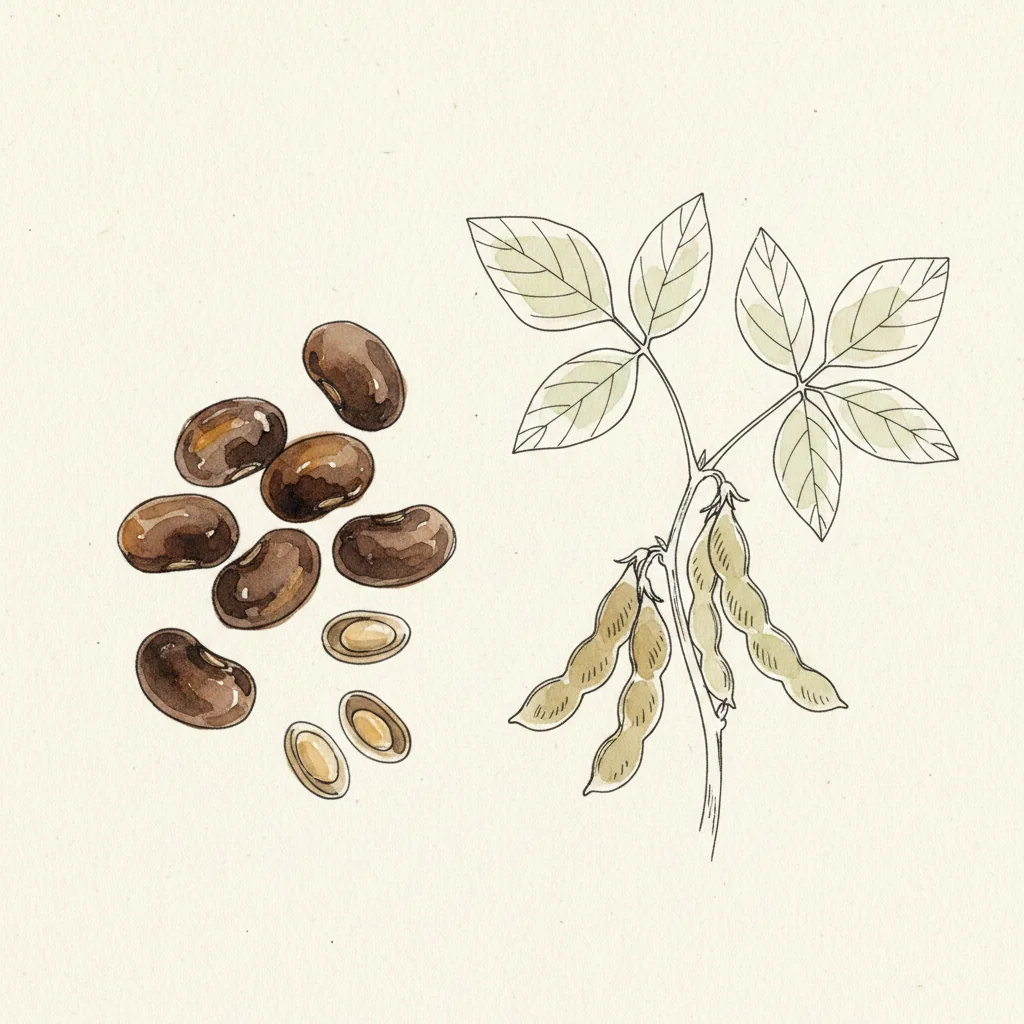
Spice · Oils, vinegars & honeys
Traditional Tamari
Aichi, Gifu and Mie — the Tōkai region around Nagoya, the historic home of whole-soybean (mame) brewing and Hatchō miso, Japan
deep roasted soy · round umami · low bitterness
Aromatic profile
| Family | fermented whole-soy brew (koji-fermented) |
|---|---|
| Intensity | ●●●●○ (8/10) |
| Main notes | deep roasted soy · round umami · low bitterness |
| Secondary notes | molasses-dark malt · savory broth · faint smoke |
| Mouthfeel | thicker and silkier than ordinary soy sauce, it coats the tongue with a slow, syrupy umami instead of a thin salty hit |
| Finish length | long, a warm meaty depth that lingers without the sharp wheat-bread edge of regular shoyu |
Culinary use
- When to add : both — splash it in at the end of cooking for a glaze or dipping sauce, or use it raw off the heat where its body and depth carry a dish
- Dosage : a teaspoon or two to finish a pan; for dipping, pour a shallow saucer and don't dilute — good tamari needs no help
- Ideal pairings : sashimi and sushi dipping, glazed salmon and seared tuna, stir-fries and fried rice finished off the heat, roasted mushrooms and tofu, marinades for grilled chicken and steak, a few drops over a soft-boiled egg or avocado
- Avoid with : long hard boils where the aroma cooks off and only salt remains, dishes already salted to the edge — tamari is more concentrated than light soy, delicate broths you want to stay pale, since it darkens fast
The grain in detail
Tamari (たまり) is a soy sauce, but not the soy sauce most people know. Standard Japanese shoyu is brewed from roughly equal parts soybean and wheat; tamari is brewed from whole soybeans with little to no wheat, which makes it darker, thicker and far richer in glutamate-driven umami, with almost none of the bready sharpness wheat brings. The name comes from tamaru, "to accumulate" — historically it was the dark liquid that pooled at the bottom of vats of soybean miso, skimmed off and prized as a seasoning in its own right. That origin ties it to one place: the Tōkai region around Nagoya — Aichi, Gifu and Mie — the heartland of whole-soybean (mame) brewing and of Hatchō miso, where tamari has been made for centuries in tall cedar barrels weighted with stone. The flavor is deep roasted soy, dark malt and molasses, a round meaty broth with a long savory finish and very little bitterness. Because it is concentrated and silky, it behaves differently from light soy: a teaspoon carries a pan, and it darkens a dish fast. Use it both ways. Off the heat it shines as a dipping sauce for sashimi and sushi, or a few drops over a soft egg, tofu or avocado. On the heat it glazes salmon, deepens a stir-fry finished at the last second, or anchors a marinade for grilled chicken and steak. The catch worth knowing: not every tamari is gluten-free. The word means "whole-soy brewed," not "zero wheat" — some traditional tamari still includes a small amount, so if you need it gluten-free, the label has to say so, and the reliable ones are tested and certified. Look for naturally brewed (honjōzō), whole-soybean tamari with a short ingredient list — soybeans, salt, water, koji — and skip anything padded with caramel color, corn syrup or hydrolyzed protein, which is the industrial shortcut to fake the depth real fermentation gives for free. In the US, San-J (a Japanese house with a Virginia brewery, rooted in the Mie tamari tradition) is the everyday standard; in the UK, Clearspring imports the traditionally barrel-aged Japanese article.
History & origin
Tamari predates the wheat-heavy shoyu that dominates today. It descends directly from the soybean-miso tradition of central Japan: the dark, intensely savory liquid that gathered in barrels of mame miso was the original "soy sauce," and the Tōkai provinces of Aichi, Gifu and Mie — also the home of Hatchō miso, made in Okazaki since the feudal era — became its heartland. Producers there still ferment whole soybeans in cedar vats under stacked stone weights over long aging. It carries no formal PDO/PGI status; its authenticity lives in method (whole-soy, naturally brewed, little or no wheat) rather than a protected name. San-J traces its lineage to a Mie tamari brewer founded in the 19th century.
Provenance & authenticity
What sets the real thing apart — appellation, species and verification cues.
- Species
- Glycine max
- Grade / standard
- Wheat-free soy sauce, 18-24 month natural brew
How to verify the real one
- no wheat in ingredients (vs shoyu)
- long natural fermentation (18-24 months)
- naturally brewed, not hydrolysed (no HVP/caramel)
- Aichi/Gifu/Mie origin
Indicative price
Reference format : 10 fl oz / 300 ml bottle — from $4.50 to $8.00 (median : $6.00).
Storage
Keep the bottle capped in a cool, dark cupboard; refrigerate after opening to hold the aroma and color. Naturally brewed tamari keeps for a year or more, but it slowly darkens and flattens once open — buy a size you'll finish in a few months rather than a giant jug that sits.
Where to buy?
Where to buy it
Links checked on
| Merchant | Price | Action |
|---|---|---|
| Amazon US | — | Amazon US |
| San-J | — | San-J |
| Sous Chef UK | — | Sous Chef UK |
Prices may vary depending on current promotions on the merchant site.
Tags
- Japan
- Aichi
- Mie
- fermented
- whole soy
- wheat-free
- umami
Frequently asked questions
- How do you store Traditional Tamari?
- Keep the bottle capped in a cool, dark cupboard; refrigerate after opening to hold the aroma and color. Naturally brewed tamari keeps for a year or more, but it slowly darkens and flattens once open — buy a size you'll finish in a few months rather than a giant jug that sits.
- What dosage for Traditional Tamari?
- a teaspoon or two to finish a pan; for dipping, pour a shallow saucer and don't dilute — good tamari needs no help
- When should you add Traditional Tamari in cooking?
- It's best used both — splash it in at the end of cooking for a glaze or dipping sauce, or use it raw off the heat where its body and depth carry a dish.
- What should you avoid pairing Traditional Tamari with?
- Avoid with: long hard boils where the aroma cooks off and only salt remains, dishes already salted to the edge — tamari is more concentrated than light soy, delicate broths you want to stay pale, since it darkens fast.
Go further
The dishes where this traditional tamari shines
Also a recommended alternative for
As a complementary pairing with
See every dish where this product is mentioned →
Other spices to discover
Featured in these gift sets
Page prepared according to our methodology. Purchase links marked sponsored and liable to earn a commission — details on our Affiliations page.