
Hawaiian Red Alaea Salt — Pacific sea salt cut with iron-rich volcanic clay (Kauai, Hawaii, USA)
In brief — Pacific sea salt blended during crystallization with alaea, an iron-rich red volcanic clay from the Hawaiian islands. The clay gives it a burnt-orange to copper color and a soft mineral, faintly earthy edge nothing like plain table salt. It is the ritual salt of Hawaiian cooking, the soul of poke and kalua pork, and it still carries ceremonial weight on the islands. Used as a finish, it crunches first, then melts. Its aromatic profile develops notes of soft, round saltiness, iron-mineral edge, red-earth note, extended by toasted nut and faint sea iodine, for an intensity of 6/10. In the kitchen, it's best added as a finishing touch, scattered raw over the plated dish and it pairs with ahi poke bowls, kalua pork, grilled or roasted pineapple. Recommended dosage: a pinch as a finish, two or three crystals per portion, for the crunch and the copper streak. Expect from $8.00 to $12.00 per 4 oz (113 g) glass jar (median $10.00).
Origin : Hawaiian Islands, island of Kauai, United States
« Buy it for the copper color and the soft crunch on poke or kalua pork, not for a big flavor hit, the iron note is genuinely subtle. It loses marks because most jars on the shelf are dyed sea salt with no real Hawaiian clay, so the producer matters more than the price. »
Pacific sea salt blended during crystallization with alaea, an iron-rich red volcanic clay from the Hawaiian islands. The clay gives it a burnt-orange to copper color and a soft mineral, faintly earthy edge nothing like plain table salt. It is the ritual salt of Hawaiian cooking, the soul of poke and kalua pork, and it still carries ceremonial weight on the islands. Used as a finish, it crunches first, then melts.
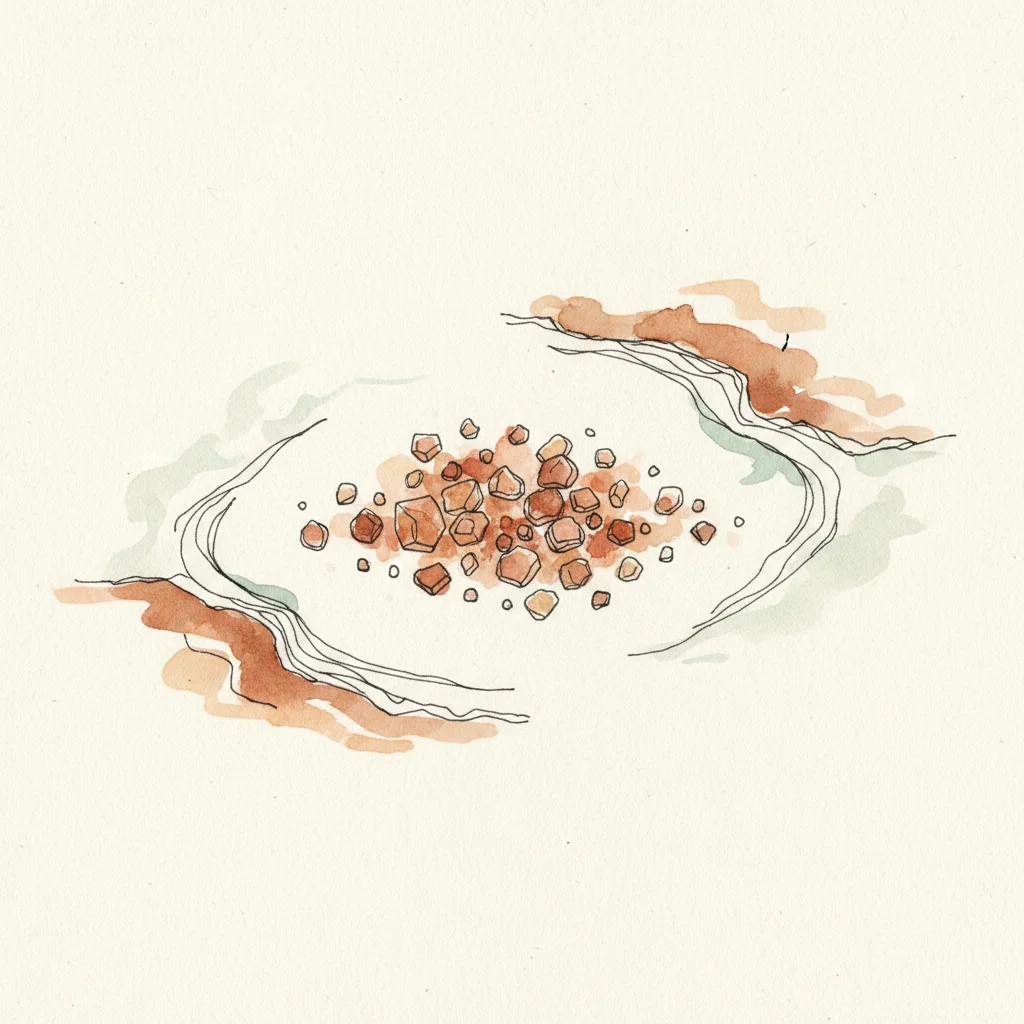
Salt · Seasoned salt
Hawaiian Red Alaea Salt
Hawaiian Islands, island of Kauai, United States
soft, round saltiness · iron-mineral edge · red-earth note
Aromatic profile
| Family | Sea salt + alaea volcanic clay |
|---|---|
| Intensity | ●●●○○ (6/10) |
| Main notes | soft, round saltiness · iron-mineral edge · red-earth note |
| Secondary notes | toasted nut · faint sea iodine |
| Mouthfeel | orange-copper crystals that crunch, then melt gently into a lightly earthy, mineral finish |
| Finish length | medium, closing on iron and clay |
Culinary use
- When to add : finishing, scattered raw over the plated dish
- Dosage : a pinch as a finish, two or three crystals per portion, for the crunch and the copper streak
- Ideal pairings : ahi poke bowls, kalua pork, grilled or roasted pineapple, seared salmon, beef carpaccio, a red cocktail rim (margarita, paloma)
- Avoid with : broths and braises, which dissolve the color away, dishes already heavy with red color, sharply acidic preparations
The grain in detail
Alaea salt takes its name from the Hawaiian alae, red earth: sea water is evaporated, then the crystals are mixed with alaea, a baked volcanic clay loaded with iron oxide that turns them anywhere from pale rust to deep copper. The craft is concentrated on Kauai, where Native Hawaiian families have harvested seawater and worked in the clay by techniques handed down for generations. The flavor is gentle, not aggressive: a round marine saltiness, an iron-mineral note from the clay (think the blush of pink Himalayan salt, but earthier and more pronounced), and a faintly terrestrial finish with a whisper of toasted nut. It dissolves softly on the tongue. In the kitchen it is the backbone of several traditional Hawaiian dishes: poke (raw ahi tossed with salt and seaweed) and kalua pork, the whole hog slow-cooked in the imu, an earth oven. In modern cooking it shines on seared salmon, beef carpaccio, grilled tropical fruit, and the rim of a colored cocktail. The catch worth knowing: most of what sells as Alaea salt is sea salt dyed or cut elsewhere, not made in Hawaii at all. Authentic alaea clay is the difference, and the genuine article comes from a handful of producers tied to the islands. It also remains a living ceremonial object, used in Hawaiian blessings and purification, which makes it as much a cultural artifact as a finishing salt. Two notes for the cook: never use it in a broth, where the color simply bleeds out and you have paid for the look you just lost; and don't expect a flavor bomb, the iron note is subtle, the value is the color and the soft crunch on the plate.
History & origin
Native Hawaiians (Kanaka Maoli) have used alaea salt for over a thousand years, as food, as a preservative, and as a ritual material in blessings and purification. Harvesting the alaea clay from certain Kauai beaches is still regulated locally to protect sacred sites. Modern commercial production, scaled up from the 1980s, carried the salt beyond the archipelago while a handful of island producers kept the traditional sources intact. No protected designation of origin governs it, which is exactly why authenticity hinges on the producer rather than a label.
Provenance & authenticity
What sets the real thing apart — appellation, species and verification cues.
- Grade / standard
- Sea salt with Alaea (volcanic red clay)
How to verify the real one
- red colour from Alaea volcanic clay (iron oxide)
- Kauai / Molokai tradition
Indicative price
Reference format : 4 oz (113 g) glass jar — from $8.00 to $12.00 (median : $10.00).
Storage
Airtight jar, away from humidity. The clay is stable and it keeps for years; if the copper color dulls, the salt is fine, it has just dried out a touch.
Where to buy?
Where to buy it
Links checked on
| Merchant | Price | Action |
|---|---|---|
| Amazon US (Salt Traders) | — | Amazon US (Salt Traders) |
| The Spice House | — | The Spice House |
| Sous Chef UK | — | Sous Chef UK |
Prices may vary depending on current promotions on the merchant site.
Alternatives if unavailable
Tags
- Hawaii
- United States
- volcanic clay
- alaea
- poke
- Kauai
- finishing salt
Frequently asked questions
- How do you store Hawaiian Red Alaea Salt?
- Airtight jar, away from humidity. The clay is stable and it keeps for years; if the copper color dulls, the salt is fine, it has just dried out a touch.
- What dosage for Hawaiian Red Alaea Salt?
- a pinch as a finish, two or three crystals per portion, for the crunch and the copper streak
- When should you add Hawaiian Red Alaea Salt in cooking?
- It's best used finishing, scattered raw over the plated dish.
- What should you avoid pairing Hawaiian Red Alaea Salt with?
- Avoid with: broths and braises, which dissolve the color away, dishes already heavy with red color, sharply acidic preparations.
Go further
The dishes where this hawaiian red alaea salt shines
Also a recommended alternative for
See every dish where this product is mentioned →
Other salts to discover
Featured in these gift sets
Page prepared according to our methodology. Purchase links marked sponsored and liable to earn a commission — details on our Affiliations page.