
Comparison
Aleppo pepper vs Urfa biber: what's the difference?
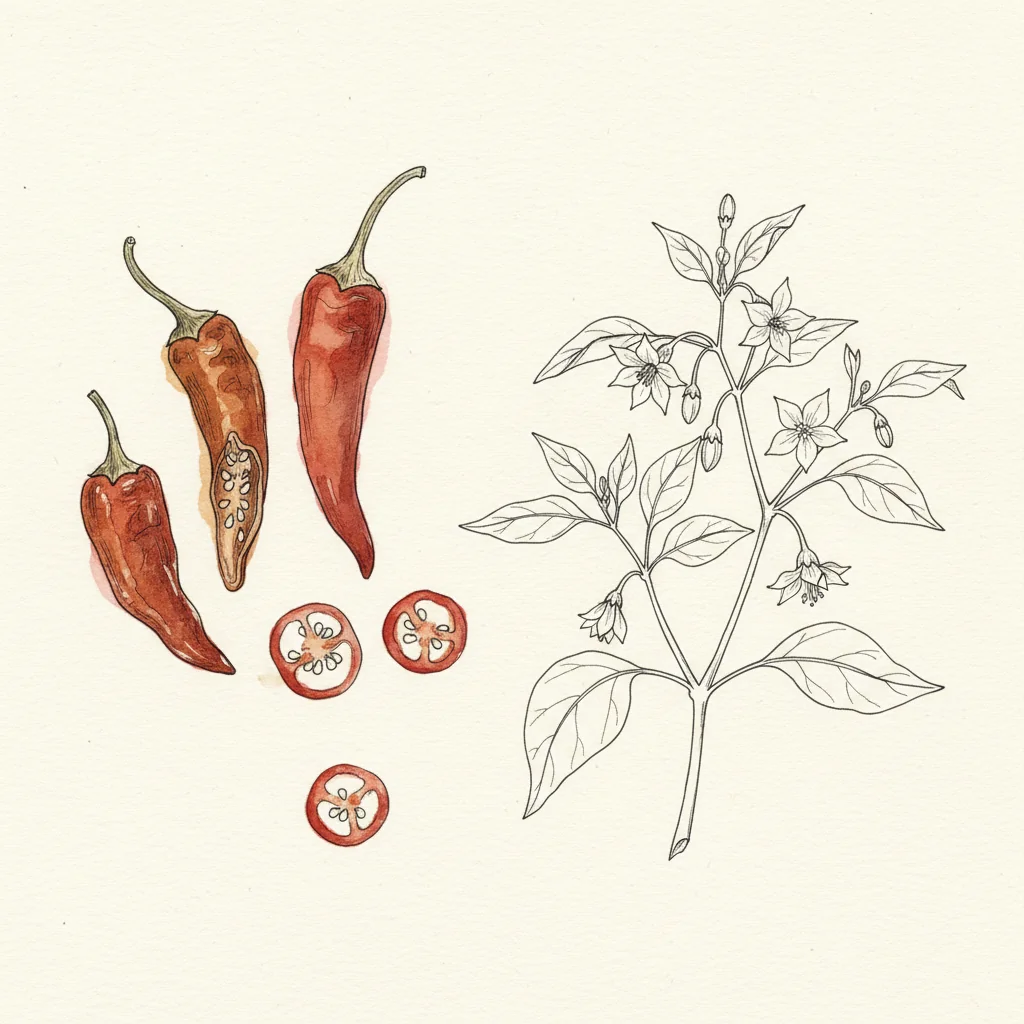
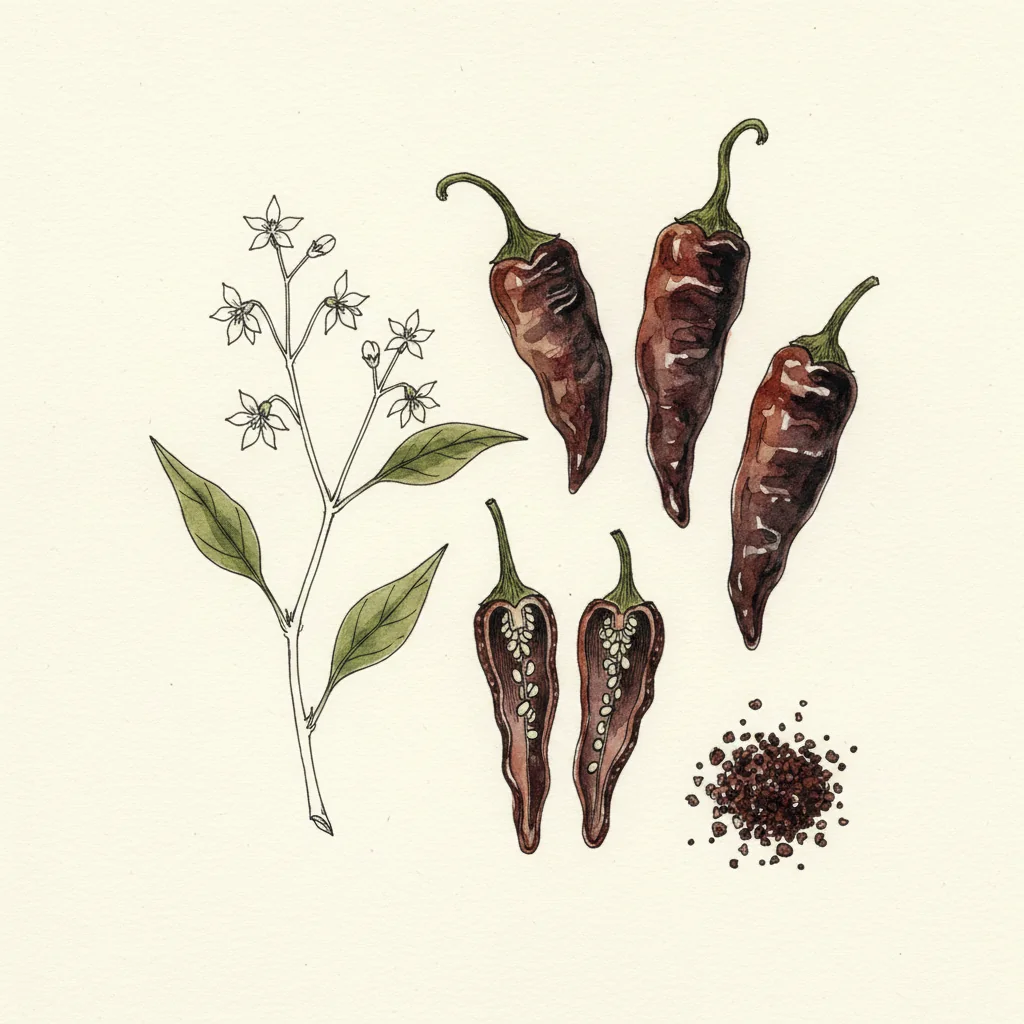
Aleppo is the bright one: sweet-sour raisin and sun-dried tomato, a gentle 4/10 warmth, your everyday finishing flake. Urfa is the dark one: sweated black flakes tasting of cocoa, raisin and tobacco at a low 3/10. Want sunny fruit on eggs and salads, buy Aleppo. Want brooding depth on lamb and chocolate, buy Urfa.
Spice · Chile
Aleppo Pepper
Southern Turkey (Gaziantep, Kahramanmaraş) and northern Syria (Aleppo), Turkey / Syria
sweet-sour fruit · raisin · sun-dried tomato
Spice · Chile
Urfa Biber
Şanlıurfa, southeastern Anatolia, Turkey
raisin · dark chocolate · tobacco
Our verdict
Aleppo for bright everyday fruit, Urfa for dark cocoa-raisin depth.
At a glance
| Criterion | Aleppo Pepper | Urfa Biber |
|---|---|---|
| Origin | Southern Turkey (Gaziantep, Kahramanmaras) / northern Syria | Sanliurfa, southeastern Anatolia |
| Flavor profile | Sweet-sour fruit, raisin, sun-dried tomato | Raisin, dark chocolate, tobacco; faint smoky edge |
| Intensity | 4/10, fruity warmth that builds gently | 3/10, the heat trails the flavor |
| Color and texture | Lustrous garnet flakes, lightly oily | Matte burgundy-black flakes, faintly oily from the sweat-cure |
| Best use | Hummus, eggs, tomato salads, roasted carrots, grilled lamb | Grilled lamb, eggs, roasted eggplant, dark-chocolate desserts |
| Median price | ~$9 / 50g jar | ~$9.50 / 50g jar |
| Value | The everyday pick; reach for it most | Same price, a specialist flavor for depth |
When to choose Aleppo Pepper
Aleppo pepper is the everyday finishing flake, and that's exactly its strength. Once made around Aleppo in Syria, now mostly grown and milled across the border in southern Turkey where the same crop sells as pul biber, it's sun-dried, deseeded and cut with a little salt and sometimes oil. The result is a sweet-sour, raisin-and-tomato fruit and a mild, oily warmth, a gentle 4 out of 10 that builds slowly and never bites. This is everyday heat, not a knockout, and that's why it earns a place by the stove rather than in the back of the cupboard. Four scenarios where Aleppo wins. First, dusted over hummus or labneh, where its lustrous garnet color and fruity warmth are the finishing touch that reads instantly as 'made with care.' Second, on eggs and shakshuka, where the raisin-tomato note sits naturally alongside the runny yolk. Third, tomato salads and roasted carrots or squash, where its sweet-sour edge echoes the vegetable's own sugars. Fourth, grilled lamb, where it adds fruit and color without piling on burn. The rule: this is a finishing pepper. Dust it straight over the plated dish, one to two teaspoons for four people, roughly 2 grams a portion. Don't bury it in long braises that flatten the fruit, and don't fight it against dishes already loaded with competing heat. Color is your freshness gauge: lustrous garnet is alive, a dull brown means it has oxidized and gone flat, so buy a small jar and use it within about 15 months, kept airtight and away from light. If you want one chili flake that does the most jobs, on the most plates, for the least drama, Aleppo is it. It's the flake you reach for without thinking, and at around $9 for a 50g jar it earns that reflex.
When to choose Urfa Biber
Urfa biber is the specialist you reach for when you want darkness, not brightness. From Sanliurfa in southeastern Turkey, sold locally as isot biber, it gets its character from a signature trick: the pods are sun-dried by day and wrapped tight by night to sweat, which deepens the color to near-black and pulls out a raisin, cocoa and tobacco flavor you won't find in Aleppo. The heat is low, around 3 out of 10, and it trails the flavor instead of leading it, so you reach for Urfa for the savory-sweet depth, not the burn. Four scenarios where Urfa is the better call. First, grilled lamb and kebabs, where the bittersweet cocoa note adds a brooding depth that flatters charred fat. Second, fried or poached eggs, where stirring the flakes into warm oil or butter off the heat gives the yolk a smoky-savory frame. Third, roasted eggplant and squash, where the molasses-and-fig undertone meets the vegetable's caramelized edges. Fourth, and this is where it pulls clear of Aleppo entirely: dark-chocolate desserts and caramel, where the cocoa-raisin profile genuinely belongs. The rule: finish with it, or stir it into oil and butter off the heat. One to two teaspoons for four, roughly 2 grams a portion. Don't put it through long braises that scorch the oily flakes and turn them bitter, don't bury delicate white fish under it, and don't double it onto anything already carrying heavy roasted or chocolate flavors. The flakes should stay matte burgundy-black and feel faintly oily; if they dry out and dull toward gray-brown, the aromatic oils have gone and so has the depth, so use it within about 15 months. Same price as Aleppo, around $9.50 a 50g jar, but a different job entirely. If you already own Aleppo and want the other half of the Turkish flake spectrum, this is the one to add.
Where to buy?
Aleppo Pepper
Links checked on
| Merchant | Price | Action |
|---|---|---|
| Burlap & Barrel (Silk Chili) | — | Burlap & Barrel (Silk Chili) |
| Amazon US | — | Amazon US |
| Sous Chef UK | — | Sous Chef UK |
Prices may vary depending on current promotions on the merchant site.
Urfa Biber
Links checked on
| Merchant | Price | Action |
|---|---|---|
| Burlap & Barrel (Black Urfa Chili) | — | Burlap & Barrel (Black Urfa Chili) |
| Amazon US | — | Amazon US |
| Sous Chef UK | — | Sous Chef UK |
Prices may vary depending on current promotions on the merchant site.
Frequently asked questions
- Can I substitute one for the other?
- In a pinch, yes, but the dish changes. Swap Aleppo for Urfa and you trade bright sweet-sour fruit for dark cocoa-and-tobacco depth; go the other way and you lose the brooding edge. They're close in heat (3 to 4 out of 10) so the burn stays similar, but the flavor direction flips.
- Which is hotter?
- Aleppo, but only just. It sits around 4 out of 10, Urfa around 3, and both are gentle, building warmths rather than sharp bites. If raw heat is what you're after, neither is the answer; reach for gochugaru or a chipotle instead.
- Why is Urfa so dark?
- The sweat-cure. After sun-drying by day, the pods are wrapped tight at night to sweat, which deepens the color to near-black and develops the cocoa-raisin-tobacco flavor. That overnight step is the whole difference from Aleppo, which is simply sun-dried.
- Can either go in a long braise?
- No, finish with both. Aleppo's fruit flattens in a long cook, and Urfa's oily flakes scorch and turn bitter. Dust them over the plated dish, or for Urfa, stir into warm oil or butter off the heat. They're finishing peppers, full stop.
The best pairings
With Aleppo Pepper
Comparison prepared according to our methodology. Sponsored purchase links — see our affiliations.