
Comparison
Ancho vs chipotle morita: which dried chili?
Ancho is the dried poblano: sweet plum, cocoa and tobacco at a soft 3/10, no smoke. Chipotle morita is a smoke-dried red jalapeno: wood smoke and dried cherry at a moderate 6/10. Want sweet, unsmoked body for mole, buy ancho. Want smoky heat for adobo and BBQ, buy morita. They're great together.
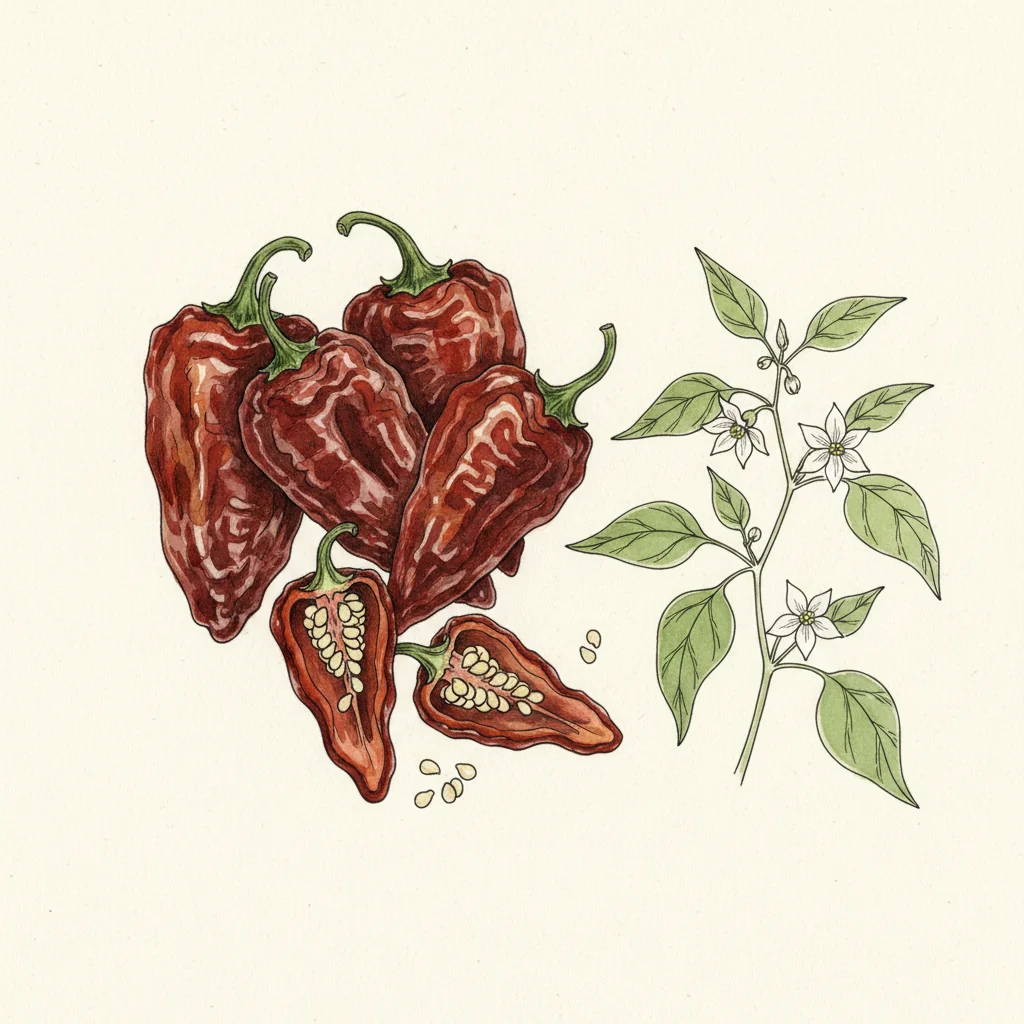
Spice · Chile
Ancho Chile
Puebla and Zacatecas, plus the central highlands of Guanajuato and Durango, Mexico
dried plum and raisin · cocoa · tobacco leaf
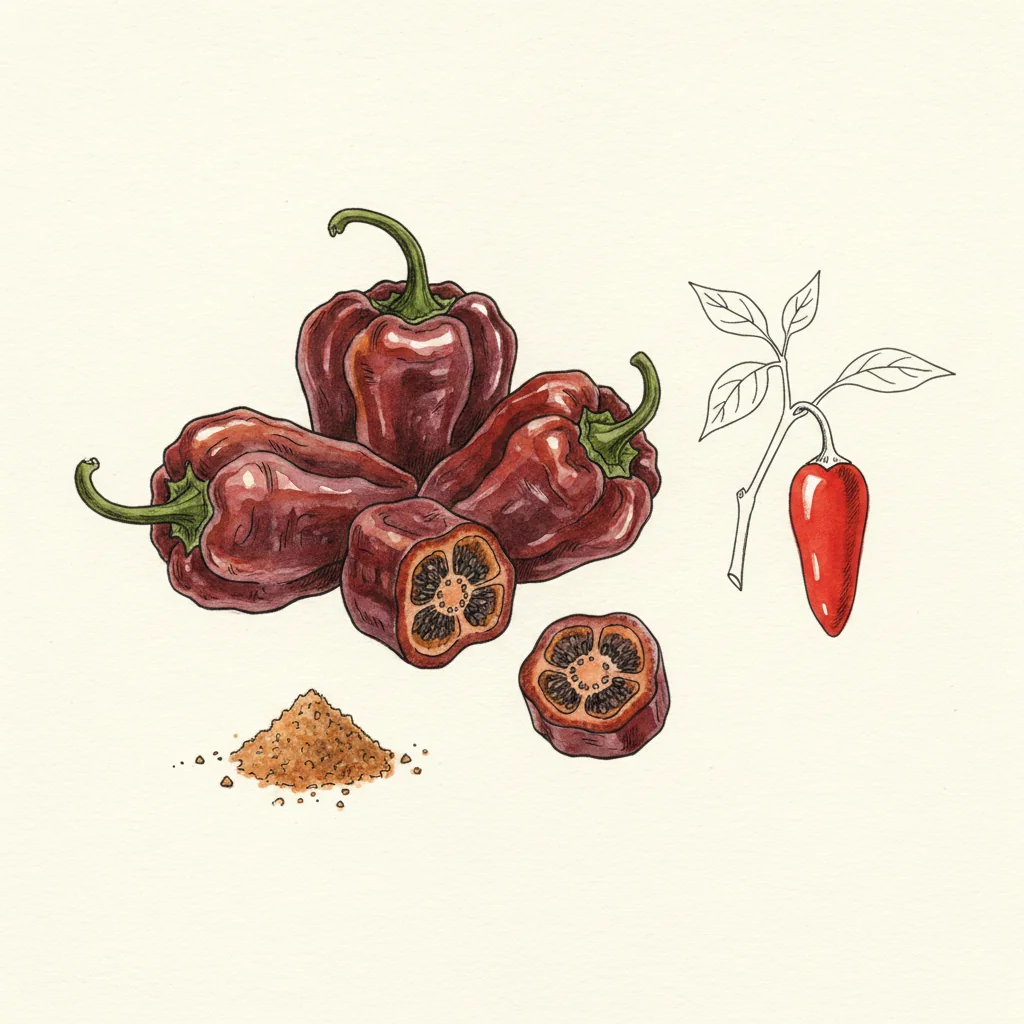
Spice · Dried smoked chile
Chipotle Morita
Chihuahua and Veracruz, Mexico
wood smoke · dried cherry · tobacco leaf
Our verdict
Ancho for sweet unsmoked body, morita for smoky moderate heat.
At a glance
| Criterion | Ancho Chile | Chipotle Morita |
|---|---|---|
| What it is | The dried, ripe poblano | Smoke-dried red jalapeno |
| Origin | Puebla, Zacatecas, central Mexican highlands | Chihuahua and Veracruz, Mexico |
| Flavor profile | Dried plum and raisin, cocoa, tobacco; no smoke | Wood smoke, dried cherry, tobacco leaf, cocoa |
| Intensity | 3/10, soft, arrives late | 6/10, around 12,000 to 26,000 Scoville |
| Smoke | None; sun-dried | Yes; smoke-dried over wood |
| Best use | Mole, red enchilada sauce, chili con carne, adobo | Adobo, BBQ sauce, black bean soup, salsa roja, rubs |
| Median price | ~$10 / jar of powder or 8 oz of pods | ~$5.50 / 4 oz bag |
When to choose Ancho Chile
Ancho chile is the sweet, unsmoked base, and you choose it when you want plum-and-cocoa depth without a smoky note or much heat. The ancho is simply a poblano left to ripen red on the plant, then dried until it goes a wrinkled, deep oxblood. It's the backbone chile of Mexican cooking, the base of mole and red sauce, and it barely registers as heat, a soft 3 out of 10 that arrives late, dried plum, cocoa and tobacco rather than fire, and crucially, no smoke. Four scenarios where ancho wins over morita. First, mole, where its sweet plum-cocoa body is the foundation and you control the smoke separately; a morita base would push the whole sauce smoky. Second, chili con carne and beef stews, where the thick flesh melts into a sweet, deep body. Third, adobo marinades for pork and chicken, where you want fruity sweetness clinging to the meat. Fourth, dark-chocolate desserts, where the cocoa note belongs and smoke would clash. The rule: go in early, toasted and rehydrated into the base, or bloomed as powder in hot fat. Two to three whole pods for a pot serving four. Don't use it as a raw finish, the leathery skin stays bitter. And don't reach for ancho when you actually want a smoky backbone, that's morita's job. The two pair beautifully, ancho for sweet body, morita for smoke and heat, so this isn't strictly either-or; many adobos use both. But when smoke would be wrong, or you want the gentlest heat, ancho leads. Buy whole, supple pods, the flavor lives in the flesh; whole keeps 12 to 18 months. At around $10, it's the indispensable, unsmoked base.
When to choose Chipotle Morita
Chipotle morita is the smoky one, and you choose it when you want real wood smoke and a moderate heat the dried poblano simply doesn't have. The morita is a ripe red jalapeno smoke-dried over wood until it turns deep brick-purple and leathery, the smaller, fruitier, more common of the two chipotles, holding a sweeter, brighter smoke than the leather-dry meco. It runs a moderate 6 out of 10, around 12,000 to 26,000 Scoville, twice ancho's heat, and the smoke is the headline. Four scenarios where morita wins over ancho. First, adobo and chili braises, where the smoky heat is the defining note. Second, barbecue and BBQ sauce, where the wood smoke and dried-cherry sweetness build a deep, smoky base, ancho here would taste flat and unsmoked. Third, black bean soup, where one or two chiles give the whole pot a smoky backbone. Fourth, pulled pork and brisket rubs, where the smoke layers onto the meat. The rule: toast in a dry pan for 30 seconds, then soak in hot water 15 minutes and blend into a sauce, or simmer whole into the braise and pull out at the end. One to two whole chiles for a salsa serving four, three to four for a full pot. Don't put it near delicate white fish or fresh fruit, the smoke swamps them, and don't reach for it when you want a clean, unsmoked sweetness, that's ancho. Good moritas stay pliable and leathery, not brittle; they hold their smoke and fruit a year or more, so toast just before use to wake them up. At around $5.50 for a 4 oz bag, it's cheap and lasts a long time. Where this beats ancho: anytime smoke and a moderate, building heat are the point.
Where to buy?
Ancho Chile
Links checked on
| Merchant | Price | Action |
|---|---|---|
| Burlap & Barrel (Ancho Chili) | — | Burlap & Barrel (Ancho Chili) |
| Spicewalla (Ancho Chili Powder) | — | Spicewalla (Ancho Chili Powder) |
| Amazon US (whole pods) | — | Amazon US (whole pods) |
| Sous Chef UK (Cool Chile Co whole anchos) | — | Sous Chef UK (Cool Chile Co whole anchos) |
Prices may vary depending on current promotions on the merchant site.
Chipotle Morita
Links checked on
| Merchant | Price | Action |
|---|---|---|
| Amazon US | — | Amazon US |
| Sous Chef UK | — | Sous Chef UK |
Prices may vary depending on current promotions on the merchant site.
Frequently asked questions
- Can I substitute ancho for chipotle morita?
- Only partly. Both share cocoa, raisin and tobacco notes, so the fruit overlaps, but ancho has no smoke and half the heat. Sub ancho for morita and you lose the wood smoke and the burn; the other way adds both. For smoke, you need the morita.
- Which is hotter?
- The morita, clearly: a moderate 6 out of 10, around 12,000 to 26,000 Scoville, against ancho's soft 3. If a recipe wants gentle, sweet warmth, ancho. If it wants a smoky, noticeable heat, morita.
- Is ancho smoky at all?
- No. Ancho is sun-dried, giving a faint sweet smokiness at most, not true smoke. The morita gets its character from being smoke-dried over wood. For a smoky backbone, reach for the morita or smoked paprika, not ancho.
- Can I use both together?
- Absolutely, and many adobos do. Ancho brings sweet, plummy body; morita brings smoke and heat. Build the base on ancho for depth, then dial in the smoke and burn with one or two moritas. It's a classic pairing, not a rivalry.
The best pairings
With Ancho Chile
With Chipotle Morita
Comparison prepared according to our methodology. Sponsored purchase links — see our affiliations.