
Dish × condiment pairing
Which chile is the base of mole?
Season : all-year · Occasion : celebration, family dinner
Ancho. It's the foundation chile of mole, blended with pasilla and others, but ancho carries the dark-fruit and cocoa core that lets the chocolate read as savory, not sweet. Toast and rehydrate the pods, then grind into the paste. Its soft 3-out-of-10 heat builds depth without ever burning.
In detail
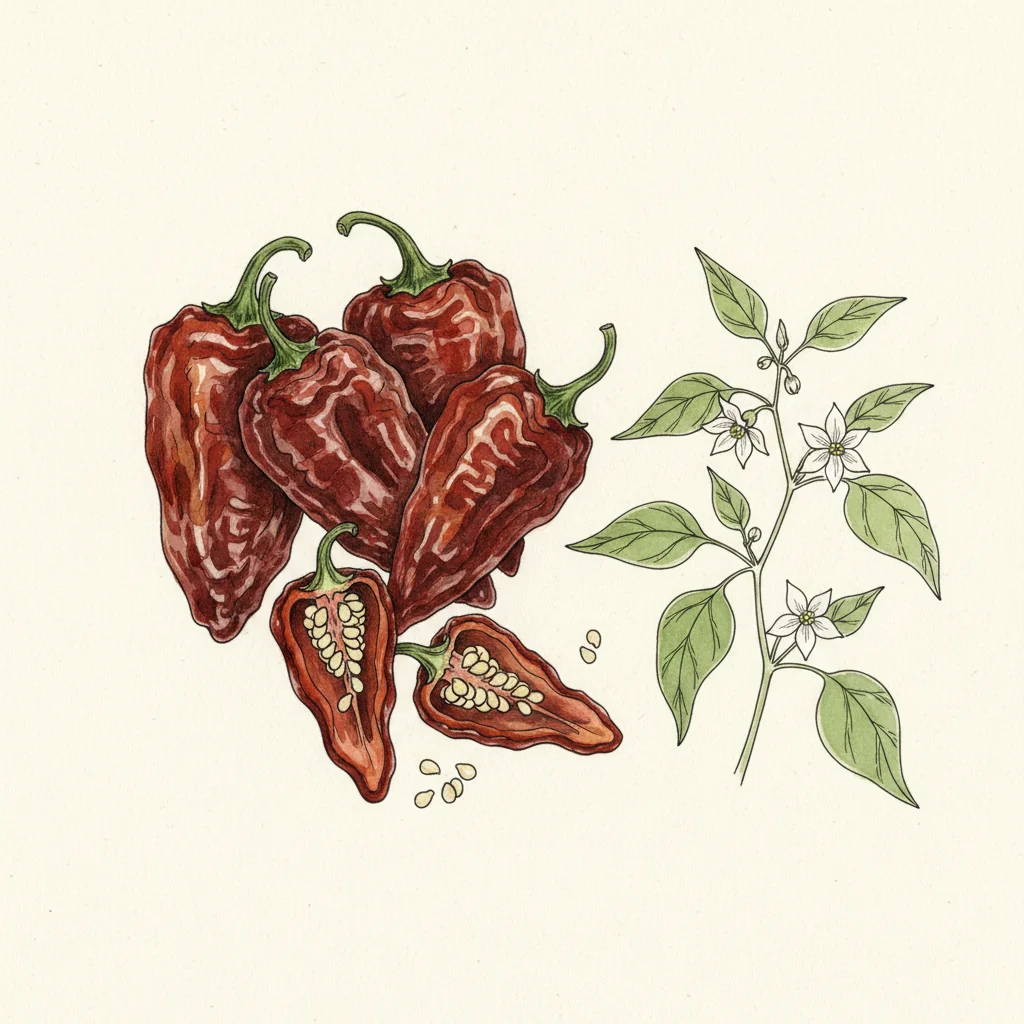
Ancho is the base chile of mole, the dried ripe poblano (Capsicum annuum) from Puebla and the central Mexican highlands. A mole's chile paste is a blend, classically ancho with pasilla and mulato, but ancho anchors it: its dried-plum, fig, and cocoa notes bridge into the bitter chocolate and dried fruit that define the sauce, so the result reads deep and savory rather than sweet. Its heat is soft, around 3 out of 10, which leaves room for the twenty-odd other ingredients to speak. Toast the whole pods in a dry pan until they puff and smell nutty, soak until pliable, then grind into the paste; raw ancho stays leathery and bitter. A bag runs about $7 to $12 and anchors several batches. Guajillo adds tart brightness alongside, but it can never carry a mole on its own.
Our recommendation
Spice · Chile
Ancho Chile
Puebla and Zacatecas, plus the central highlands of Guanajuato and Durango, Mexico
dried plum and raisin · cocoa · tobacco leaf
Ancho is the anchor of a mole's chile blend. Its dried-plum, fig, and cocoa notes bridge straight into the bitter chocolate and dried fruit a mole is built on, so the sauce reads deep and savory rather than sweet. The heat is gentle, about 3 out of 10, leaving room for the twenty other ingredients. A bag runs about $7 to $12.
Intensity 3/10
Where to buy it
Links checked on
| Merchant | Price | Action |
|---|---|---|
| Burlap & Barrel (Ancho Chili) | — | Burlap & Barrel (Ancho Chili) |
| Spicewalla (Ancho Chili Powder) | — | Spicewalla (Ancho Chili Powder) |
| Amazon US (whole pods) | — | Amazon US (whole pods) |
| Sous Chef UK (Cool Chile Co whole anchos) | — | Sous Chef UK (Cool Chile Co whole anchos) |
Prices may vary depending on current promotions on the merchant site.
Affiliate links — La Pincée may earn a commission on some sales, at no extra cost to you. Read more.
The catch
The catch: mole isn't a chocolate sauce, and treating it like one is how home versions go sweet and cloying. The ancho is what keeps it savory. Its dried-plum and cocoa notes meet the actual chocolate and pull it toward bitter and earthy, not dessert. Lean on cocoa powder and sugar instead of toasted anchos and you've made a sweet brown gravy, not mole, and you've missed the entire appeal.
Chef's note
Fry the chile paste, don't just stir it in. Once you've toasted, soaked, and ground the anchos with the other chiles, push the paste into a film of hot lard or oil and cook it, stirring hard, for five to eight minutes until it darkens and smells roasted. This step, frying the paste before the broth goes in, is what separates a deep mole from a raw, gritty one.
Tasting note
dried fig · bitter cocoa · prune · warm earth · about $7 to $12 a bag, and ancho is the cheapest ingredient in a sauce with twenty of them. Worth it, the non-negotiable base.
These three sections appear on every one of our pairing pages — our methodology.
Alternatives to explore
-
Spice · Chile
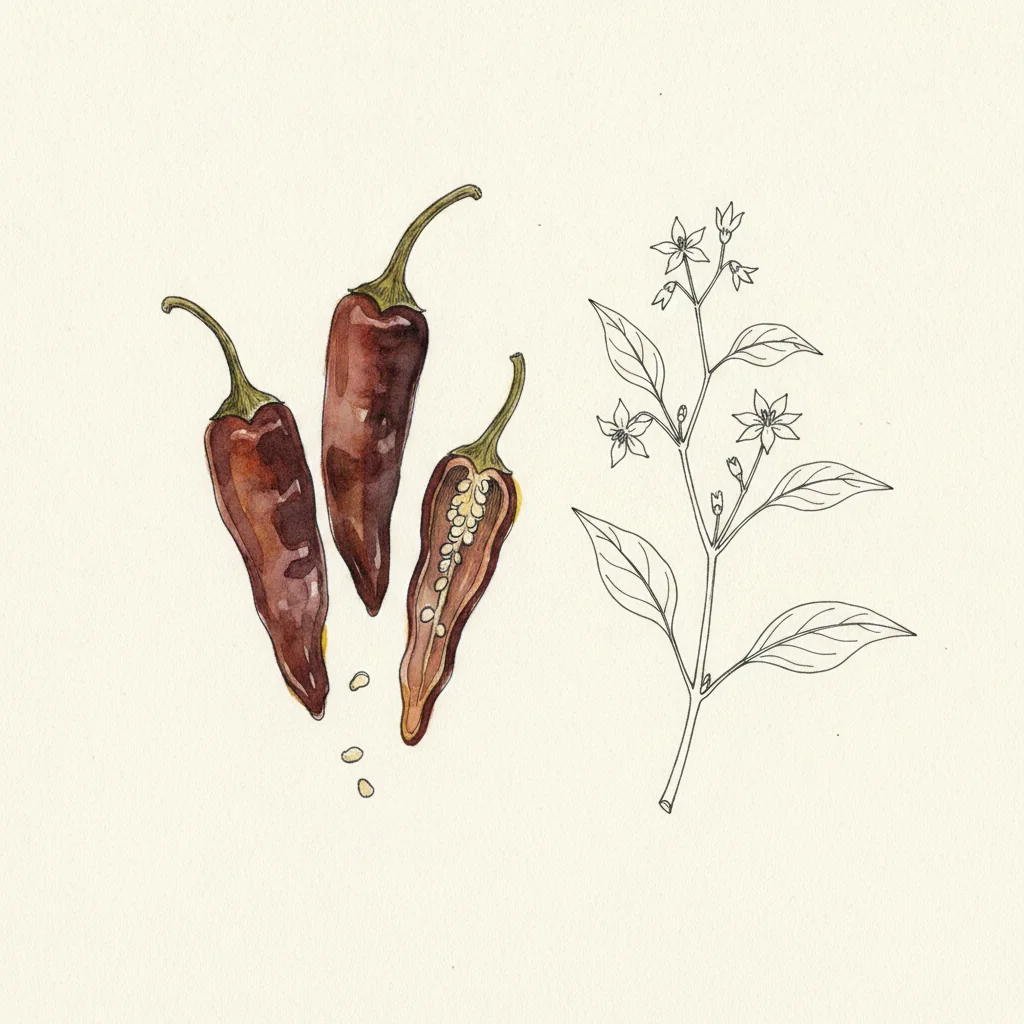
Guajillo Chile
Zacatecas and Durango (the dry highland Bajío-to-north belt where mirasol is grown), Mexico
Intensity 3/10
Guajillo joins the blend for a tart berry lift, but it can't anchor a mole alone; it's the brightness, not the base. Use it alongside ancho, never instead.
-
Spice · Chile
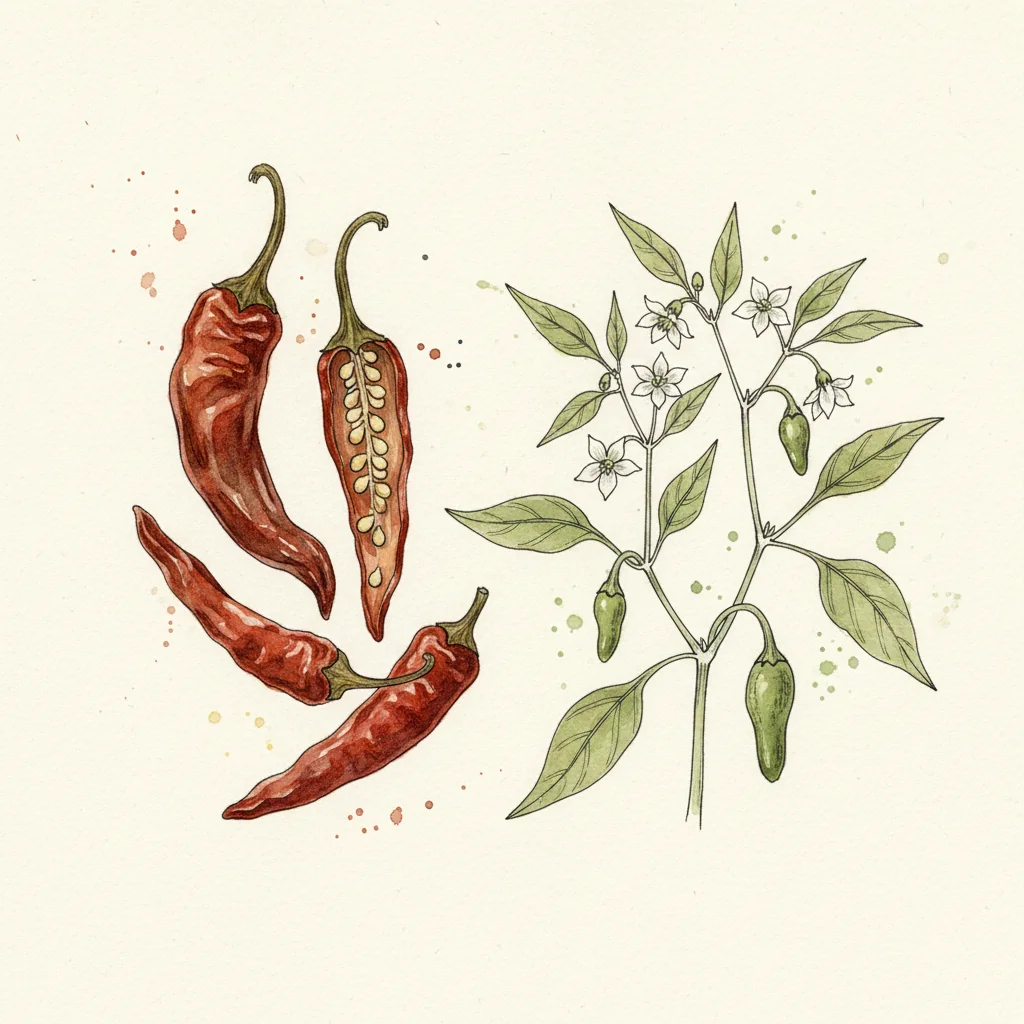
Chimayó Chile
Chimayó, Española Valley, Río Arriba County, New Mexico, USA
Intensity 4/10
Not traditional for Oaxacan mole, but Chimayo's cherry and cocoa profile works in a New Mexico riff. A splurge swap for the curious, off-canon.
Complementary ingredients
- Guajillo Chile — Part of the classic mole chile trio for tart brightness alongside the ancho base
Frequently asked questions
- Is ancho the only chile in mole?
- No. Mole uses a blend, classically ancho, pasilla, and mulato, sometimes more. But ancho is the base, carrying the dark fruit and cocoa that let the chocolate read as savory. The others add tartness, smoke, or depth around it.
- Why does mole taste like chocolate but not sweet?
- Because the ancho does the heavy lifting. Its dried-plum, fig, and cocoa notes meet the actual chocolate and pull it toward bitter and savory, not dessert. The chile is the reason mole tastes of chocolate without tasting like candy.
- Should I toast ancho before making mole?
- Always. Toast the pods in a dry pan until they puff and smell nutty, then soak and grind. Raw ancho stays leathery and bitter; toasting unlocks the cocoa and dried-fruit depth that defines the sauce.
This pairing was validated according to our methodology. Purchase links are marked sponsored and may earn a commission — details on our Affiliations page.