
Comparison
Balsamic vs apple cider vinegar — which to buy?
They barely overlap. Balsamic is a syrupy, sweet-acid finisher you drip on Parmigiano, strawberries, or foie gras for $28. Apple cider vinegar is the rounded everyday acid you pour freely into slaws, pickles, and mop sauce for $6. If you can only buy one, buy the ACV — you'll use it weekly. Add the balsamic as a splurge.
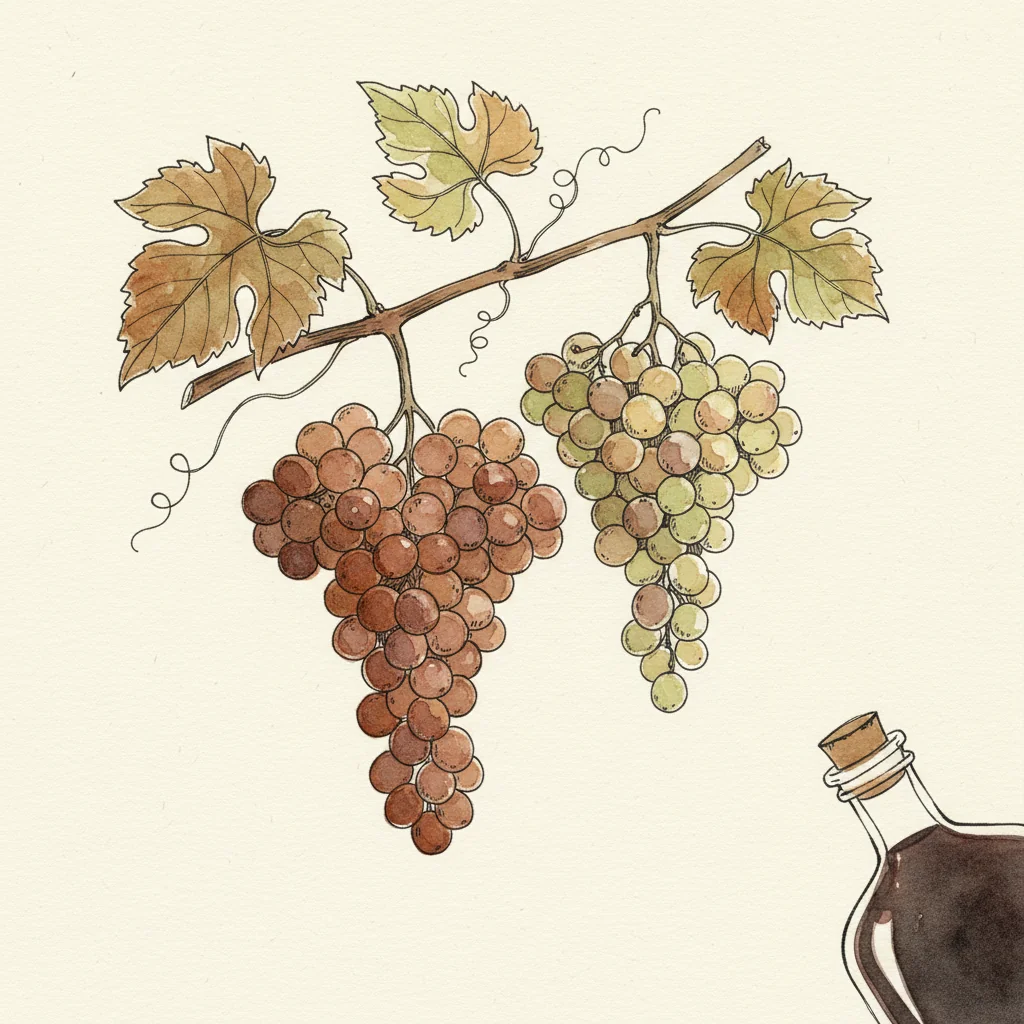
Vinegar · Fruit vinegar
Balsamic Vinegar of Modena 12-Year
Modena and Reggio Emilia, Emilia-Romagna, Italy (IGP / DOP)
cooked grape · dried fig · dark caramel
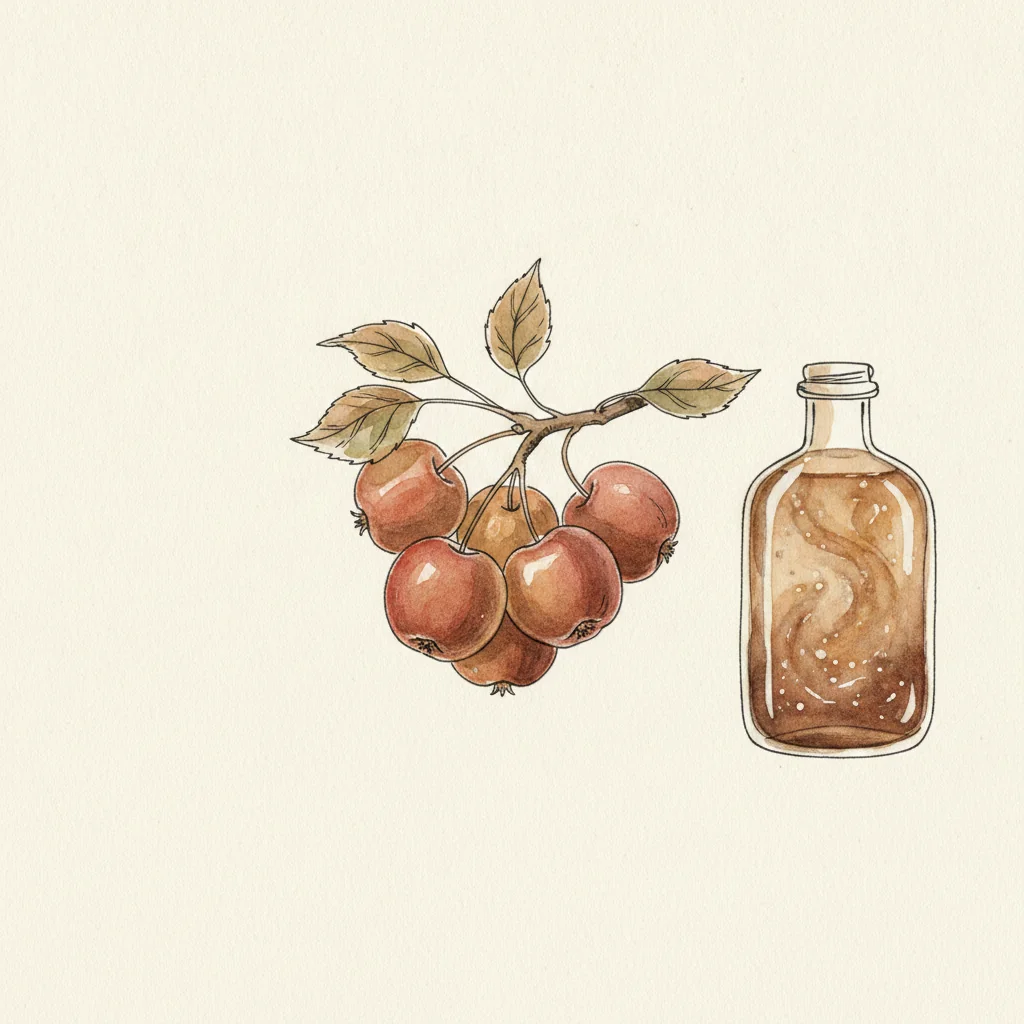
Vinegar · Raw cider vinegar
Raw Apple Cider Vinegar
Vermont (US) · Herefordshire (UK), traditional cider-apple country, United States / United Kingdom
ripe apple · soft honey · clean tartness
Our verdict
ACV is the daily workhorse; balsamic is the occasional sweet finisher.
At a glance
| Criterion | Balsamic Vinegar of Modena 12-Year | Raw Apple Cider Vinegar |
|---|---|---|
| What it is | Aged sweet-acid syrup from cooked must | Raw unfiltered cider vinegar with the mother |
| Origin | Modena and Reggio Emilia, Italy | Vermont (US) / Herefordshire (UK) |
| Texture | Syrupy and dense, coats the spoon | Thin, bright, slightly cloudy |
| Intensity | 9/10 — sweet, deep, complex | 5/10 — round, mellow, fruity |
| Main notes | Cooked grape, dried fig, dark caramel | Ripe apple, soft honey, clean tartness |
| Best use | Parmigiano, strawberries, foie gras (drops) | Slaw, quick pickles, mop sauce, marinades |
| Median price | $28 / 250ml (premium IGP) | $6 / 16oz |
| Value | Splurge finisher, ration to drops | Cheapest everyday acid, pour freely |
When to choose Balsamic Vinegar of Modena 12-Year
Reach for the 12-year balsamic only when the plate wants a sweet, glossy, complex finishing flourish — it's a specialist, not a daily acid. It's syrupy and dense, coating the spoon, with cooked grape, dried fig, and dark caramel and a long woody-sweet finish, the sweet-acid balance staying silky rather than sharp. That profile belongs on a handful of plates and earns its keep on every one: a few drops over aged Parmigiano, over ripe strawberries, over seared foie gras, over beef carpaccio, even over vanilla ice cream. The rule against the ACV: when you want a sweet condiment that finishes a special plate — cheese board, dessert, a luxe starter — balsamic is the only one of the two that does it, because the apple vinegar brings sharpness, not sweetness, and would simply sour the dish. Grade matters and the label hides it: true Tradizionale di Modena DOP affinato is twelve years minimum in wood at $50-plus for 100ml, while a top must-forward IGP from Giusti, Leonardi, or Manicardi gives the same fig-and-caramel profile for $20 to $40. Use it raw, by the half-teaspoon, dripped or spooned, never poured, and never cooked — long heat burns the aromatics and wastes real money. Where balsamic loses to the ACV is everywhere ordinary. It's far too sweet and far too precious for a slaw, a quick pickle, a marinade, a mop sauce — try to use it as your everyday vinegar and you'll both bankrupt the bottle and sweeten dishes that wanted a clean tart bite. It keeps for years and needs no fridge, so one good IGP lasts a long run of special occasions. The verdict on balsamic: it's the occasional luxury, the drip-on finisher you keep for cheese, fruit, and rich starters, not a vinegar you cook with. Spend on a real must-forward IGP rather than a caramel-colored cheap one, ration it to drops, and let it do the one thing it does brilliantly — finish a special plate sweet.
When to choose Raw Apple Cider Vinegar
Reach for the apple cider vinegar as the everyday acid you'll actually use — if you can keep only one of these two, this is it. Raw, unfiltered, with the mother in the bottle, it carries ripe apple, soft honey, and a tartness rounder and more mellow than wine vinegar. That round brightness is what makes it the workhorse: coleslaw and slaw dressings, quick pickles for onions and cucumbers, marinades for chicken and pork, a Carolina-style barbecue mop sauce, a splash in braised greens, a vinaigrette over soft leaves. The catch, said plainly: it isn't a health tonic, it's a kitchen workhorse, and its worth is in how often you reach for it. At about $6 for a 16oz bottle (Bragg's in the US, Aspall's around £3 in the UK) it's cheap enough to pour by the splash, which is exactly the point — it's the one vinegar you'll empty and rebuy. The rule against balsamic: anywhere the dish wants a clean, tart, everyday acid rather than a sweet syrup — and that's most of weekly cooking — the ACV is the right and vastly cheaper tool. The balsamic's sweetness would be wrong on a slaw or a pickle, and its price would be wasted there. Where the ACV loses to balsamic is the special sweet finish. On a cheese board, on strawberries, on foie gras, the apple vinegar's sharpness reads thin and wrong; there the balsamic's glossy sweetness is the point. It's also not the acid for a sharp, clean cut on raw fish — white wine vinegar does that better, since the apple note can muddy a delicate plate. Keep it capped, away from light, at room temperature; the cloudy raft or sediment is the mother, perfectly edible, and it keeps for years, only mellowing. The verdict on ACV: it's the cheapest, most-used, most forgiving acid in the cupboard and the obvious first buy of the two. Use it freely all week, and add a good IGP balsamic later as the occasional splurge for the plates where sweetness, not sharpness, is what you're after.
Where to buy?
Balsamic Vinegar of Modena 12-Year
Links checked on
| Merchant | Price | Action |
|---|---|---|
| Amazon US | — | Amazon US |
| Sous Chef UK | — | Sous Chef UK |
Prices may vary depending on current promotions on the merchant site.
Raw Apple Cider Vinegar
Links checked on
| Merchant | Price | Action |
|---|---|---|
| Amazon US | — | Amazon US |
Prices may vary depending on current promotions on the merchant site.
Frequently asked questions
- If I can only buy one, balsamic or apple cider vinegar?
- The apple cider vinegar. It's the everyday acid you'll use weekly — slaws, pickles, marinades, mop sauce — for about $6. Balsamic is a precious sweet finisher you ration to drops, better added later as a splurge.
- Can apple cider vinegar replace balsamic?
- No. They're opposites: ACV brings clean tart sharpness, balsamic brings syrupy sweetness. On strawberries, foie gras, or a cheese board, only the balsamic works; the ACV would just sour the plate.
- Why is balsamic so much more expensive?
- Aging and grade. A premium must-forward IGP runs $20 to $40 for 250ml, and true Tradizionale DOP starts past $50 for 100ml after twelve years in wood. ACV is fermented and bottled cheaply at about $6 for 16oz.
- Do I cook with either?
- Mostly no. Balsamic is a raw finisher — heat burns its aromatics and wastes the money. ACV takes a quick deglaze or a brine, but for long high-heat reductions it cooks off the fruit. Both are happiest added late or raw.
The best pairings
With Balsamic Vinegar of Modena 12-Year
With Raw Apple Cider Vinegar
Comparison prepared according to our methodology. Sponsored purchase links — see our affiliations.