
Dish × condiment pairing
Which vinegar for collard greens?
Season : fall, winter · Occasion : sunday dinner, holiday, weeknight
Apple cider vinegar. A splash stirred in at the end cuts the rich pot-likker and smoky ham without going harsh. Add it raw off the heat so the fruit stays lively, then pass the bottle at the table. Don't reduce it in. Bragg's runs about $6.
In detail
The traditional and best vinegar for collard greens is apple cider vinegar. Braised collards spend an hour or more soaking up pork fat and smoke, and they need acid to cut that richness; apple cider vinegar does it without the harsh, one-note stab of plain white. Its ripe-apple roundness lifts the pot-likker and brightens the greens while staying in the Southern tradition the dish belongs to. Add a splash raw at the very end, off the heat, because long simmering cooks off the fruit and dulls the acid. Start with a tablespoon for a big pot, taste, then add more, and pass the bottle at the table so each plate gets its own hit. A 16 oz bottle of Bragg's runs about $6 in the US. A few drops of hot sauce alongside is the classic heat-and-acid finish.
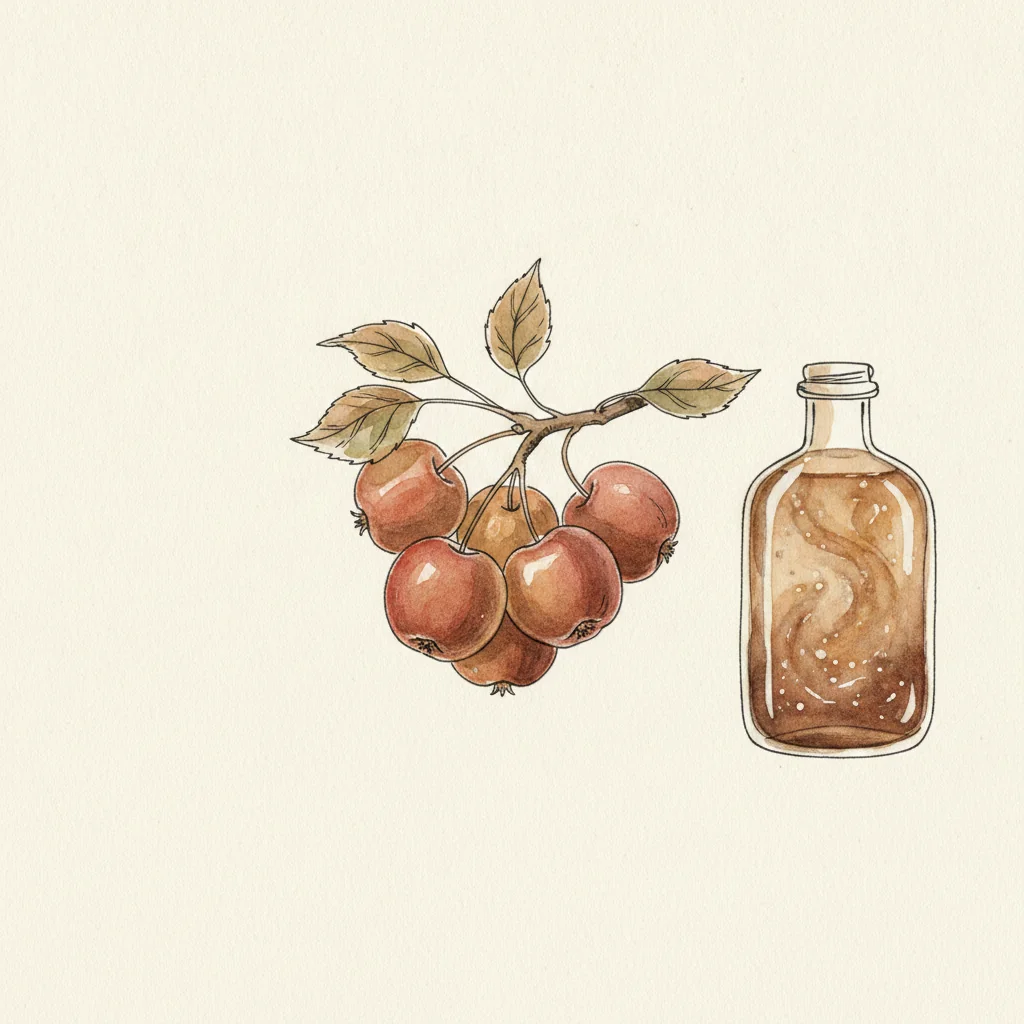
Our recommendation
Vinegar · Raw cider vinegar
Raw Apple Cider Vinegar
Vermont (US) · Herefordshire (UK), traditional cider-apple country, United States / United Kingdom
ripe apple · soft honey · clean tartness
Braised collards need acid to cut hours of pork fat and smoke, and apple cider vinegar does it without the sour stab of white. Its ripe-apple roundness lifts the pot-likker and brightens the greens while staying in the Southern tradition the dish comes from. Add a splash raw at the very end, off the heat, and a $6 Bragg's bottle pours straight at the table.
Intensity 5/10
The catch
Don't simmer the vinegar in with the greens for the last half hour, thinking it'll sink deeper. Heat cooks off the fruit and leaves you with flat, dull acid and no brightness. Apple cider vinegar earns the splurge raw, stirred in off the heat at the very end. Reduce it into the pot and you've paid for apple flavor that evaporated.
Chef's note
Build the acid in two stages. Stir one tablespoon into the whole pot off the heat, just enough to wake up the pot-likker. Then set the bottle on the table so each plate gets a second fresh splash to taste. Greens that sat in the warmer keep going dull; the table splash is what makes a reheated plate taste alive again.
Tasting note
ripe apple · clean tartness · cuts the smoke · about $6 for a Bragg's 16 oz bottle, and one bottle outlasts a whole season of greens. Worth it.
These three sections appear on every one of our pairing pages — our methodology.
Frequently asked questions
- When do you add vinegar to collard greens?
- Stir a splash in raw at the very end, off the heat, and pass the bottle at the table. Long simmering cooks off the fruit and dulls the acid, so you lose the bright lift the greens need.
- How much vinegar do collard greens need?
- Start with a tablespoon for a big pot, taste, then add more. You want the acid to cut the pork fat and smoke, not to dominate. Most Southern cooks pass extra at the table so each plate gets its own splash.
- Can I use white vinegar on collards instead?
- You can, but apple cider vinegar is the traditional and rounder choice. Its ripe-apple note flatters the smoky ham; white vinegar gives a sharper, one-dimensional acid that some pots can take and others can't.
This pairing was validated according to our methodology. Purchase links are marked sponsored and may earn a commission — details on our Affiliations page.