
Comparison
Saba vs balsamic — which to drizzle on dessert?
For a dessert drizzle, it depends on whether you want bite. Saba is cooked grape must — a thick, raisin-sweet syrup with no vinegar tang, perfect over gelato or ricotta for about $18 a bottle. Aged balsamic brings acidity and fig-caramel depth but costs far more. Pure sweet drizzle, buy saba; want the bite, buy balsamic.
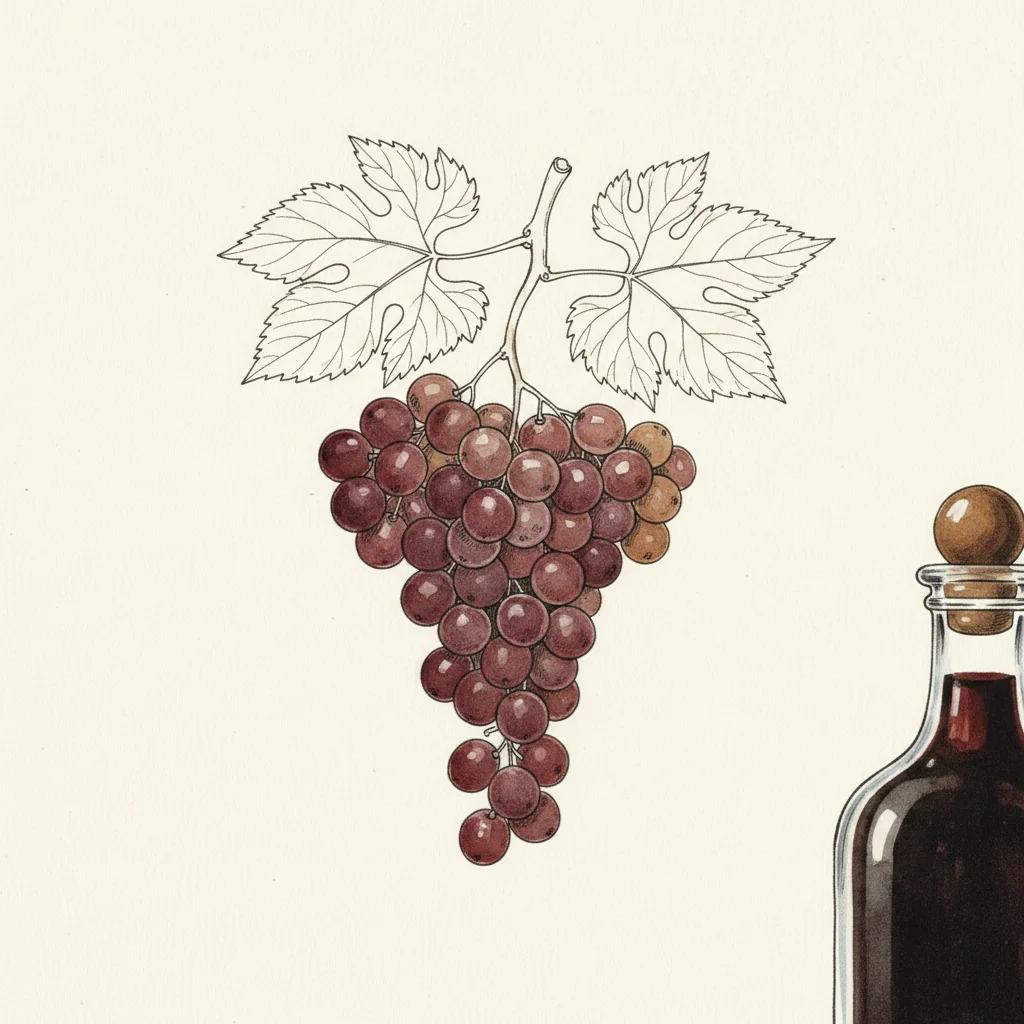
Vinegar · Cooked-must condiment
Saba (Grape Must Syrup)
Modena and Reggio Emilia, Emilia-Romagna, Italy
cooked grape · raisin · dark caramel
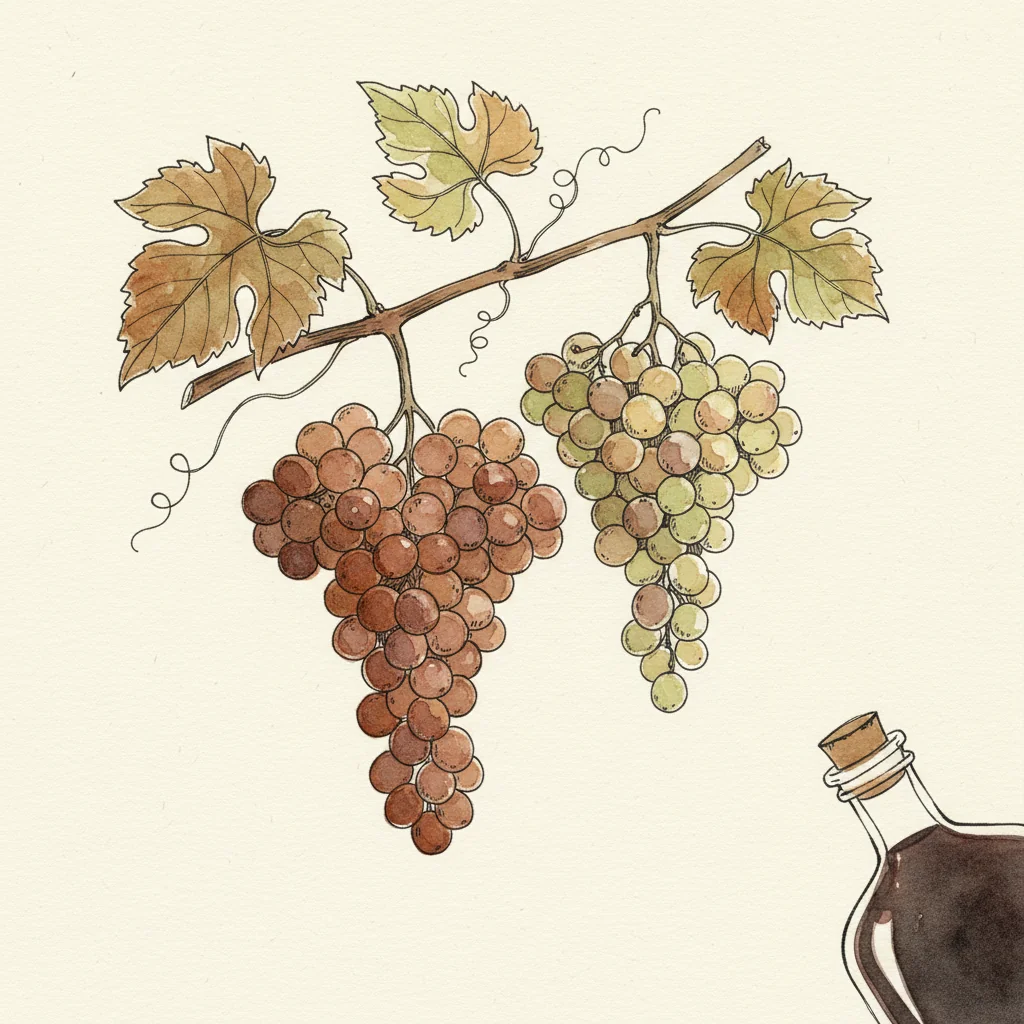
Vinegar · Fruit vinegar
Balsamic Vinegar of Modena 12-Year
Modena and Reggio Emilia, Emilia-Romagna, Italy (IGP / DOP)
cooked grape · dried fig · dark caramel
Our verdict
Saba for a pure sweet drizzle; balsamic when you want acidity too.
At a glance
| Criterion | Saba (Grape Must Syrup) | Balsamic Vinegar of Modena 12-Year |
|---|---|---|
| Origin | Italy, Modena and Reggio Emilia, Emilia-Romagna | Italy, Modena and Reggio Emilia, Emilia-Romagna |
| What it is | Grape must cooked down to a syrup — not vinegar | Aged grape-must vinegar (12-year) |
| Appellation | None — the un-aged cousin of balsamico | IGP / DOP (Tradizionale DOP is the top grade) |
| Profile | Thick, raisin-sweet, no vinegar bite | Syrupy, fig and caramel, with acidity |
| Best use | Drizzled over ricotta, gelato, roasted squash | A few drops on aged Parmigiano or strawberries |
| Median price | About $18 to $20 / 250ml | $20 to $40 (must-forward IGP); $50+/100ml for DOP |
| Value | Cheap, honest dessert syrup | Splurge; cook with it and you've wasted the money |
When to choose Saba (Grape Must Syrup)
Choose saba for a pure, sweet dessert drizzle when you don't want vinegar's bite. Saba is grape must cooked down for hours until it turns into a thick, raisin-sweet syrup — the same Trebbiano and Lambrusco grapes that start a balsamic, minus the decade of aging and minus the acidity. That makes it the cheap, honest cousin of traditional balsamico: a 250ml bottle runs about $18 to $20, a fraction of what aged balsamic costs. Drizzle it raw over ricotta, gelato, panna cotta or roasted squash, swirl it into yogurt, or finish a fruit plate — anywhere you want concentrated grape sweetness with no tang. Because it's not vinegar, don't expect the bite, and that's exactly the point on a dessert where balsamic's acidity would intrude. Use it as a finishing syrup, off the heat and just before serving; cooking it down further only risks scorching the sugars you already have. The catch is reaching for it when a dish actually needs acidity to cut richness or brighten a savory plate — saba won't do that, because the sourness simply isn't there. If your strawberries or your cheese plate want a sharp, complex contrast rather than pure sweetness, this is the wrong bottle — that's where aged balsamic earns its higher price.
When to choose Balsamic Vinegar of Modena 12-Year
Reach for 12-year balsamic when you want acidity and complexity alongside the sweetness, and know the label hides a big gap in grade. True Tradizionale di Modena DOP affinato is aged a minimum of 12 years in a batteria of wood casks and runs $50+ for 100ml — a precious, syrupy condiment for a few drops. A top must-forward IGP — Giusti, Leonardi, Manicardi — gives you the syrupy, fig-and-caramel profile for $20 to $40, which is the sensible buy for most kitchens. Either way, a few drops finish a plate: aged Parmigiano, ripe strawberries, vanilla gelato, a slice of grilled peach, or roasted vegetables where the acidity cuts the richness. That bite is the whole reason to choose balsamic over saba on a dessert — it brings contrast, not just sweetness. The catch is cooking with it: heat strips the aromatics and the acidity that you paid for, so use it raw and late, full stop. Cook with it and you've wasted the money. Read the label too, because 'Balsamic Vinegar of Modena IGP' covers everything from a thin, caramel-colored supermarket dressing to a serious must-forward bottle — buy on the maker's name and a syrupy texture, not the IGP badge alone. If what you want is a simple, cheap, purely sweet drizzle with no tang at all, this is the wrong bottle — that's saba's job.
Where to buy?
Saba (Grape Must Syrup)
Links checked on
Prices may vary depending on current promotions on the merchant site.
Balsamic Vinegar of Modena 12-Year
Links checked on
| Merchant | Price | Action |
|---|---|---|
| Amazon US | — | Amazon US |
| Sous Chef UK | — | Sous Chef UK |
Prices may vary depending on current promotions on the merchant site.
Frequently asked questions
- Is saba the same as balsamic vinegar?
- No. Saba is grape must cooked down into a sweet syrup, with no aging and no vinegar acidity. Balsamic is fermented and aged grape must, so it carries the tang. They share the same Modena grapes, but saba is sweet only, balsamic is sweet-and-sour.
- Which is better on dessert, saba or balsamic?
- Saba for pure sweetness over gelato, ricotta or roasted squash. Balsamic when you want acidity to contrast the sweet — a few drops on strawberries or vanilla gelato. Saba is cheaper and simpler; balsamic adds complexity at a much higher price.
- Can I cook with aged balsamic?
- Don't. Heat strips the acidity and aromatics you paid for, so cooking with a good 12-year balsamic wastes the money. Use it raw and late, a few drops on a finished plate. For a cooked reduction, use a cheap supermarket balsamic instead.
- Why is real 12-year balsamic so expensive?
- Tradizionale di Modena DOP is aged a minimum of 12 years in a battery of wood casks, which is why it runs $50+ for just 100ml. A must-forward IGP from a good maker like Giusti or Leonardi gives a similar fig-and-caramel profile for $20 to $40.
The best pairings
With Saba (Grape Must Syrup)
With Balsamic Vinegar of Modena 12-Year
Comparison prepared according to our methodology. Sponsored purchase links — see our affiliations.