
Dish × condiment pairing
Which grape must to glaze pork?
Season : fall, winter · Occasion : sunday dinner, holiday, weekend
Saba. This cooked grape must syrup brushes on as a glossy, raisin-sweet glaze with a gentle grape acidity that loves pork. Brush it on in the last few minutes off direct heat, or after roasting, so the sugars don't scorch. A 250 ml bottle runs about $18 to $20.
In detail
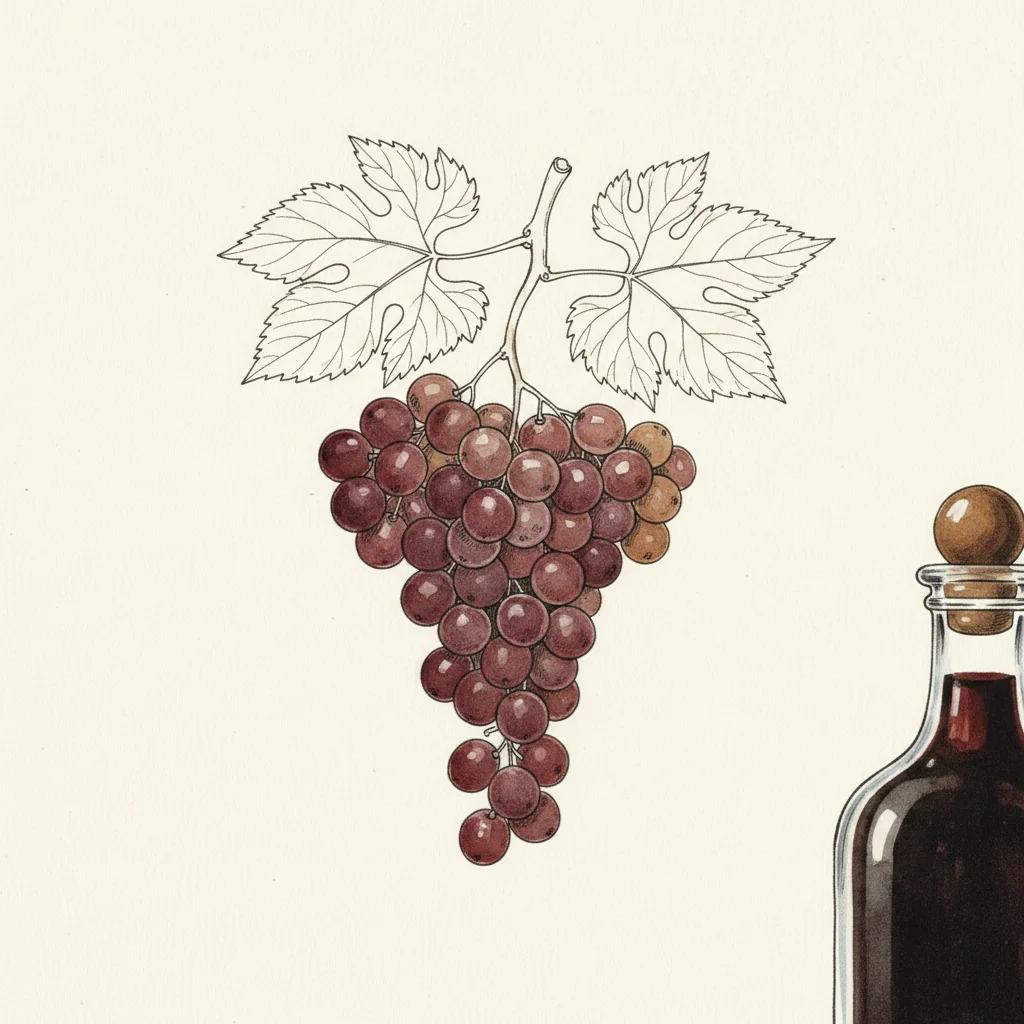
The grape must to glaze a pork loin is saba, the Italian cooked grape must syrup from Emilia-Romagna. It is the same Trebbiano and Lambrusco grapes that begin a traditional balsamic, simmered down for hours until thick and raisin-sweet, but without the decade of barrel aging or the vinegar bite. That gives it the exact sweet-tart balance a lean loin wants: a deep, glossy glaze with a gentle grape acidity that keeps it from cloying. The catch is the sugar; brush saba on only in the last few minutes of roasting, off direct heat, or right after the loin rests, because applied early it scorches and turns bitter. A 250 ml bottle costs about $18 to $20 and a teaspoon or two glazes a whole loin. Crack black pepper over the rested meat to cut the sweetness.
Our recommendation
Vinegar · Cooked-must condiment
Saba (Grape Must Syrup)
Modena and Reggio Emilia, Emilia-Romagna, Italy
cooked grape · raisin · dark caramel
Saba is grape must cooked down for hours into a thick, raisin-sweet syrup with a soft grape acidity behind it, which is exactly the sweet-tart balance a lean pork loin wants. It glazes to a deep gloss and reads like a young, cheaper balsamic without the decade of aging. Brush it on late so it doesn't burn. A 250 ml bottle costs about $18 to $20 and a little goes far.
Intensity 8/10
The catch
Saba is not balsamic vinegar, so don't pour it on expecting a sharp dressing bite. It's cooked grape must, sweeter and rounder, with only a gentle grape acidity. And don't brush it on early, chasing a glaze that sets through the whole roast. It's mostly sugar; over an hour of heat it scorches bitter. Late and off the flame is the only way it works.
Chef's note
Roast the loin plain to about 140°F internal, pull it, then brush saba over the hot surface and let the carryover heat tack it into a gloss while it rests. If you want a second coat, paint it on at the table. Stir a teaspoon of saba into the pan drippings with a splash of water for an instant sweet-tart jus that costs you nothing extra.
Tasting note
cooked grape · dark caramel · raisin · soft sweet-tart · about $18 to $20 for a 250 ml bottle, and a teaspoon glazes a whole loin. Splurge once; it lasts months and reads like a much pricier balsamic.
These three sections appear on every one of our pairing pages — our methodology.
Alternatives to explore
-
Honey · Monofloral honey
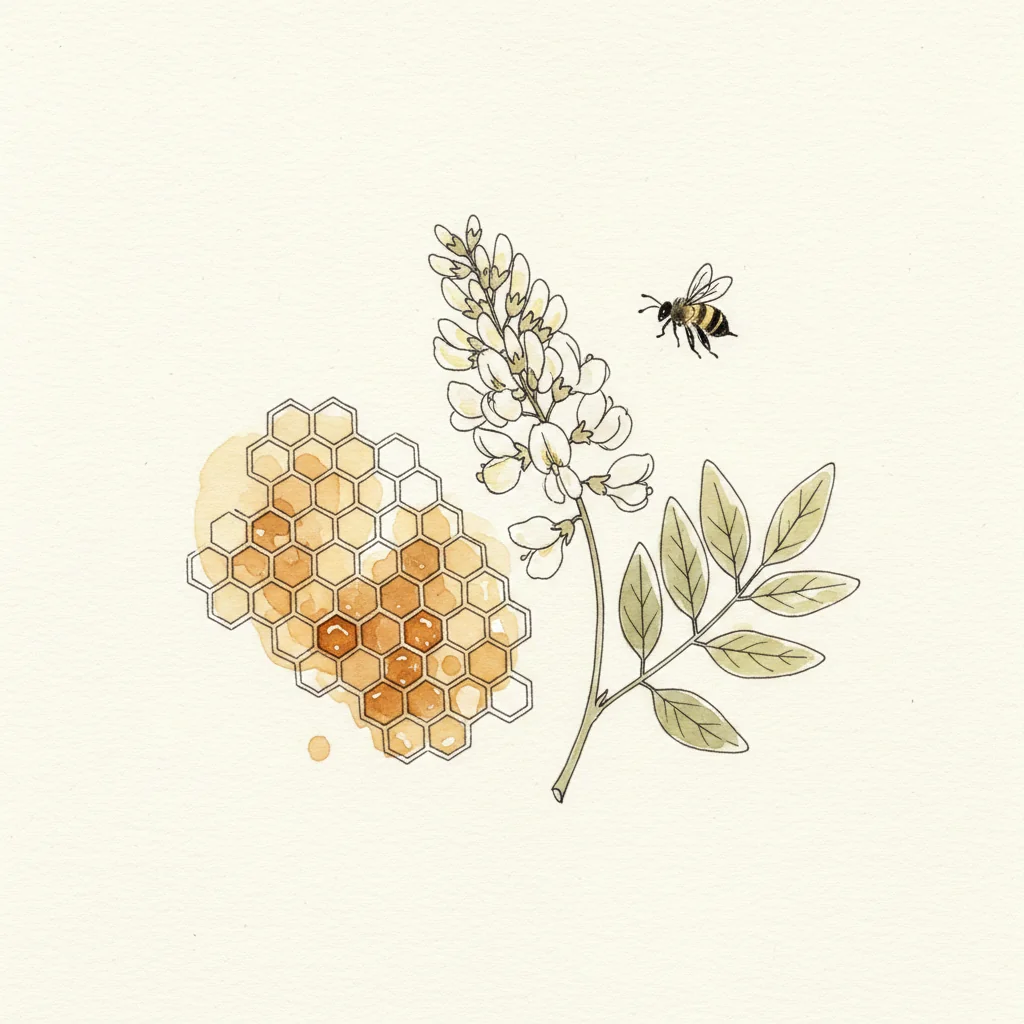
Acacia Honey
Great Hungarian Plain and the wider Carpathian Basin (also Romania, Bulgaria, Serbia), Hungary
Intensity 3/10
Acacia honey gives a milder, purely sweet glaze with no grape acidity. The pick for a softer, more delicate finish, though it lacks saba's raisiny depth and sweet-tart edge.
Complementary ingredients
- Tellicherry Black Pepper — Coarse-cracked over the rested loin to cut the syrup's sweetness with broad heat
Frequently asked questions
- When do you glaze pork loin with saba?
- Brush it on in the last few minutes of roasting, off direct heat, or right after the loin comes out and rests. Saba is mostly sugar, so applied early or over high heat it scorches and turns bitter.
- Is saba the same as balsamic vinegar?
- No. Saba is cooked grape must, the same Trebbiano and Lambrusco grapes that start a balsamic, but without the decade of barrel aging and without the vinegar bite. It is sweeter and rounder, a glaze rather than a dressing.
- Can I use honey instead of saba on pork?
- You can for a milder, purely sweet glaze. But honey lacks saba's gentle grape acidity, which is what keeps the glaze from cloying against a fatty loin. Saba reads as sweet-tart; honey reads as just sweet.
This pairing was validated according to our methodology. Purchase links are marked sponsored and may earn a commission — details on our Affiliations page.