
Saba / Mosto Cotto d'Uva — Cooked Grape Must Syrup (Emilia-Romagna, Italy)
In brief — Saba is grape must cooked down for hours until it turns into a thick, raisin-sweet syrup — the same Trebbiano and Lambrusco grapes that start a balsamic, minus the decade of aging. It's the cheap, honest cousin of traditional balsamico: a 250 ml bottle runs about $18 to $20. Drizzle it over ricotta, gelato or roasted squash. It is not vinegar, so don't expect the bite. Its aromatic profile develops notes of cooked grape, raisin, dark caramel, extended by dried fig and molasses, for an intensity of 8/10. In the kitchen, it's best added raw, drizzled at the finish and it pairs with ricotta and fresh cheeses, vanilla or fior di latte gelato, roasted squash and root vegetables. Recommended dosage: a teaspoon or two drizzled over the plate, never stirred in by the cupful. Expect from $16.00 to $22.00 per 250ml bottle (median $19.00).
Origin : Modena and Reggio Emilia, Emilia-Romagna, Italy
Vitis vinifera
« The honest, cheap cousin of traditional balsamic — same grapes, none of the decade-long aging. About $19 for 250ml. Sweet not sour, so drizzle it on ricotta or gelato, never expect a vinegar's bite. »
Saba is grape must cooked down for hours until it turns into a thick, raisin-sweet syrup — the same Trebbiano and Lambrusco grapes that start a balsamic, minus the decade of aging. It's the cheap, honest cousin of traditional balsamico: a 250 ml bottle runs about $18 to $20. Drizzle it over ricotta, gelato or roasted squash. It is not vinegar, so don't expect the bite.
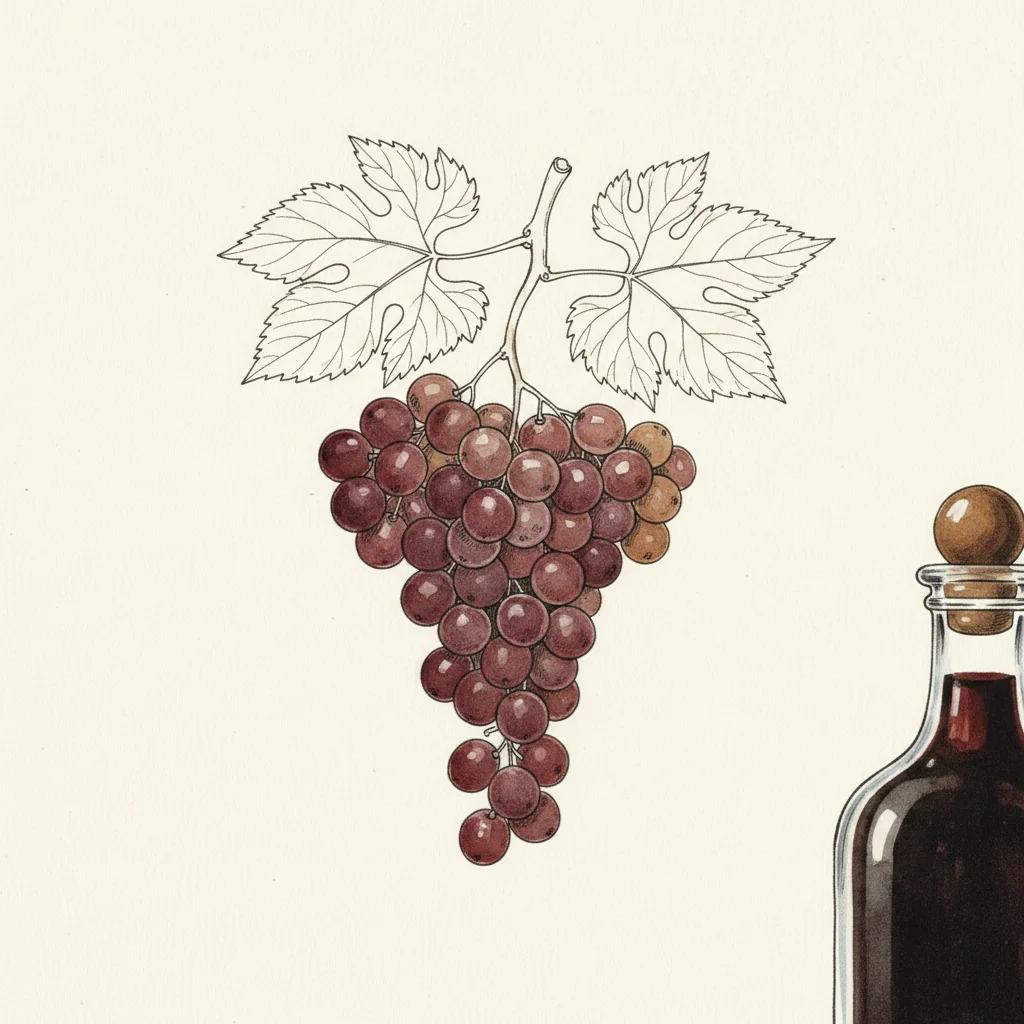
Vinegar · Cooked-must condiment
Saba (Grape Must Syrup)
Modena and Reggio Emilia, Emilia-Romagna, Italy
cooked grape · raisin · dark caramel
Aromatic profile
| Family | Cooked grape must (Vitis vinifera) |
|---|---|
| Intensity | ●●●●○ (8/10) |
| Main notes | cooked grape · raisin · dark caramel |
| Secondary notes | dried fig · molasses · soft sweet-tart edge |
| Mouthfeel | thick and syrupy, coating the spoon like warm honey, sweet up front with a gentle grape acidity behind it |
| Finish length | long, a raisiny sweetness that fades slow and clean, never sharp |
Culinary use
- When to add : raw, drizzled at the finish
- Dosage : a teaspoon or two drizzled over the plate, never stirred in by the cupful
- Ideal pairings : ricotta and fresh cheeses, vanilla or fior di latte gelato, roasted squash and root vegetables, Greek yogurt and oatmeal, pork loin or duck glaze (off the heat), the classic Emilian sugoli over fresh snow
- Avoid with : long simmering or reductions that bury its grape character, any dish where plain table syrup or honey would read the same, savory plates already carrying a sweet glaze
The grain in detail
Saba (also sold as mosto cotto or vino cotto) is one of the oldest condiments in Emilia-Romagna — the Romans called a close relative defrutum and used it as a sweetener before cane sugar reached Europe. The method is brutally simple: fresh grape must, the just-pressed juice of Trebbiano and Lambrusco grapes from the Modena and Reggio Emilia plains, is cooked slowly over low heat in open kettles for many hours until it reduces by roughly half to two-thirds and thickens into a dark, glossy syrup. No aging in a battery of casks, no vinegar fermentation — that's the line between saba and balsamic. This is the same starting juice a traditional balsamico begins with, caught before the decades of barrel time and the acetic turn. The result is sweet, not sour: cooked grape, raisin, dried fig and a dark-caramel depth, with just enough natural grape acidity to keep it from cloying. Because there's no long aging, it stays cheap. A 250 ml bottle of a good one — Giusti, Leonardi, Bellei — costs about $18 to $20, where a true Tradizionale DOP balsamic of the same size runs ten times that. Use it the way Emilian grandmothers do: spooned over fresh ricotta, drizzled on vanilla gelato, splashed over roasted squash and root vegetables, stirred into yogurt and oatmeal, or brushed onto pork and duck off the heat as a glaze. The most charming use is sugoli — saba poured over a bowl of clean snow as a winter treat for children. The catch to know going in: saba is a sweetener, not a vinegar. If you want acidity to cut a salad, reach for a vinegar; if you want grape-sweet syrup without the sugar-cane flatness of honey, saba is the bottle. Read the label and avoid anything that lists added sugar or caramel coloring — real saba is one ingredient, cooked must, full stop.
History & origin
Cooked grape must predates balsamic vinegar by centuries. The Romans reduced must into sapa and defrutum as a sweetener and preservative, recorded by Columella and Apicius in the first century. The tradition survived in the peasant kitchens of Emilia-Romagna, Marche and across central Italy, where farming families cooked the surplus must each harvest. Saba is the same juice that, given a battery of casks and twelve or more years, becomes traditional balsamic — making it the older, simpler ancestor of the region's famous vinegar.
Provenance & authenticity
What sets the real thing apart — appellation, species and verification cues.
- Species
- Vitis vinifera
Indicative price
Reference format : 250ml bottle — from $16.00 to $22.00 (median : $19.00).
Storage
Capped bottle in a cool, dark cupboard. Keeps for a year or more; if it crystallizes or thickens, warm the bottle gently in a water bath. No need to refrigerate.
Where to buy?
Where to buy it
Links checked on
Prices may vary depending on current promotions on the merchant site.
Alternatives if unavailable
Tags
- Italy
- Emilia-Romagna
- Modena
- Reggio Emilia
- grape must
- mosto cotto
- saba
- syrup
Frequently asked questions
- How do you store Saba (Grape Must Syrup)?
- Capped bottle in a cool, dark cupboard. Keeps for a year or more; if it crystallizes or thickens, warm the bottle gently in a water bath. No need to refrigerate.
- What dosage for Saba (Grape Must Syrup)?
- a teaspoon or two drizzled over the plate, never stirred in by the cupful
- When should you add Saba (Grape Must Syrup) in cooking?
- It's best used raw, drizzled at the finish.
- What should you avoid pairing Saba (Grape Must Syrup) with?
- Avoid with: long simmering or reductions that bury its grape character, any dish where plain table syrup or honey would read the same, savory plates already carrying a sweet glaze.
Go further
The dishes where this saba (grape must syrup) shines
Also a recommended alternative for
As a complementary pairing with
See every dish where this product is mentioned →
Other oils, vinegars & honeys to discover
Page prepared according to our methodology. Purchase links marked sponsored and liable to earn a commission — details on our Affiliations page.