
Comparison
Balsamic vinegar vs saba grape must — what's the difference?
Same Emilian grapes, one decisive difference: saba is grape must cooked down and bottled young, so it's sweet with no real acidity. Balsamic is that must fermented and aged into a syrupy sweet-acid vinegar. For a savory bite on Parmigiano or carpaccio, balsamic ($28). For pure raisin-sweetness over ricotta or gelato, saba ($19).
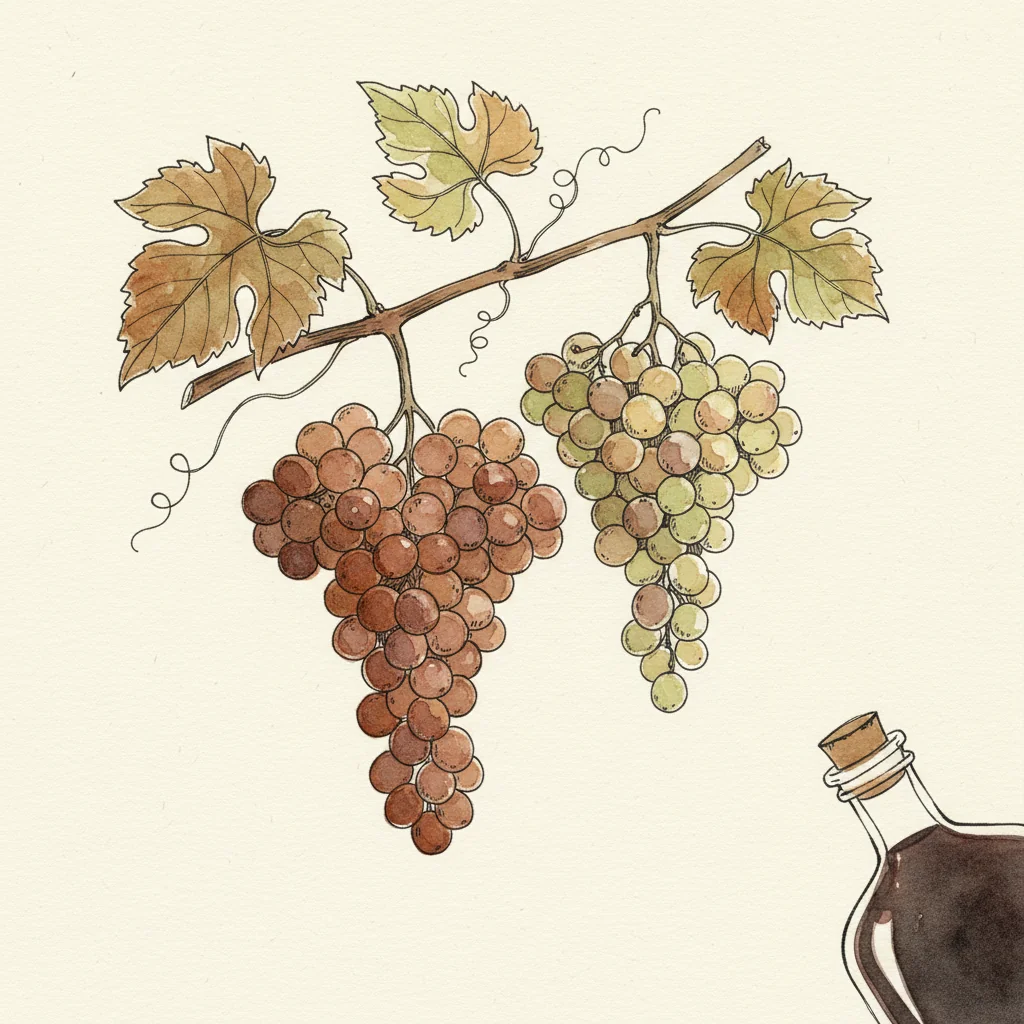
Vinegar · Fruit vinegar
Balsamic Vinegar of Modena 12-Year
Modena and Reggio Emilia, Emilia-Romagna, Italy (IGP / DOP)
cooked grape · dried fig · dark caramel
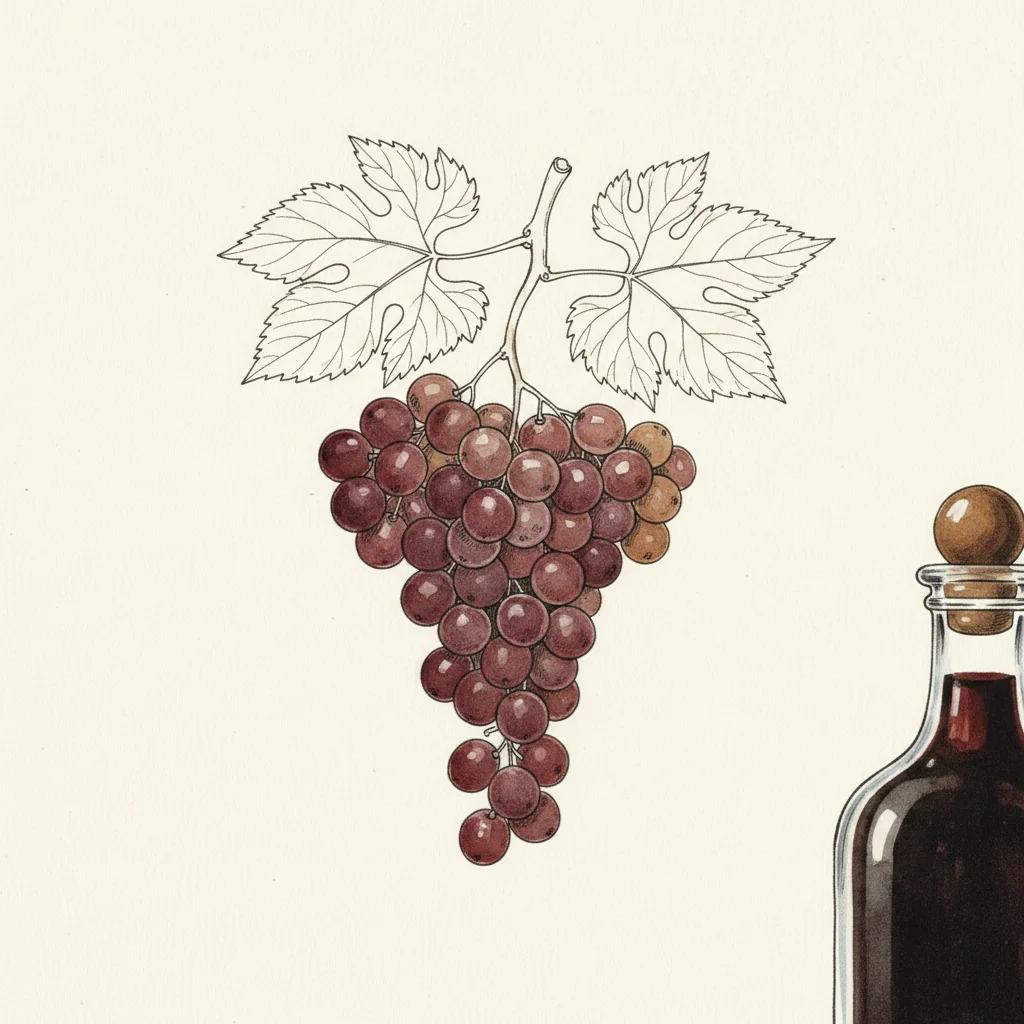
Vinegar · Cooked-must condiment
Saba (Grape Must Syrup)
Modena and Reggio Emilia, Emilia-Romagna, Italy
cooked grape · raisin · dark caramel
Our verdict
Balsamic for the sweet-acid bite, saba for pure sweetness without the vinegar.
At a glance
| Criterion | Balsamic Vinegar of Modena 12-Year | Saba (Grape Must Syrup) |
|---|---|---|
| What it is | Aged vinegar from cooked grape must | Cooked grape must syrup, un-aged |
| Origin | Modena and Reggio Emilia, Italy | Modena and Reggio Emilia, Italy |
| Acidity | Yes — balanced sweet-acid | No — sweet, faint grape tartness only |
| Aging | 12 years (DOP) or premium IGP | None — cooked and bottled young |
| Main notes | Cooked grape, dried fig, dark caramel | Cooked grape, raisin, dark caramel |
| Best use | Parmigiano, strawberries, carpaccio | Ricotta, gelato, roasted squash, yogurt |
| Median price | $28 / 250ml (premium IGP) | $19 / 250ml |
| Value | Splurge for the finish, drops only | Cheap, honest, pour more freely |
When to choose Balsamic Vinegar of Modena 12-Year
Reach for the 12-year balsamic when you want sweetness with a backbone of acid — the silky sweet-acid balance that only fermentation and a decade in wood can build. True Tradizionale di Modena DOP affinato is aged a minimum of twelve years in a batteria of casks and runs $50-plus for 100ml; a top must-forward IGP from Giusti, Leonardi, or Manicardi gives you the same syrupy, fig-and-caramel profile for $20 to $40. Either way it's dense, glossy, and complex, with cooked grape, dried fig, and dark caramel up front and a woody-sweet finish that lingers. That acid is what makes it a finishing condiment rather than a dessert syrup: a few drops cut the fat of seared foie gras, sharpen a beef carpaccio, lift ripe strawberries, and turn a shard of aged Parmigiano into a course. The rule against saba: if the plate wants tension — sweet against acid, against salt, against fat — balsamic is the only one of the two that delivers it. Saba is pure sweetness; it can't cut anything. The catch is restraint and honesty about grade. Use balsamic by the half-teaspoon, spooned or dripped, never poured, and never cook with it — long heat burns off the aromatics and you've wasted the money. And read the label: a cheap supermarket IGP thickened with caramel coloring is a different thing from a must-forward bottle, so on a dressing where a basic IGP would do the same job, don't reach for the good stuff. It keeps for years, barely degrades, and needs no fridge, so one premium bottle lasts a long run of special plates. The verdict on balsamic: it's the more versatile and the more expensive of the two, the one that works savory or sweet because the acid lets it. Reserve it for the finish, spend on a real must-forward IGP rather than a colored cheap one, and let a few drops do the work.
When to choose Saba (Grape Must Syrup)
Reach for the saba when you want the warm, raisin-sweet soul of balsamico without the bite or the price. Saba is grape must — the same Trebbiano and Lambrusco that start a traditional balsamic — cooked down for hours until it turns into a thick, raisin-sweet syrup, then bottled young, skipping the decade of fermentation and aging. So it's sweet, not sour: cooked grape, raisin, dark caramel, with only a soft grape tartness behind it, never the sweet-acid tension of a vinegar. That makes it the better pour anywhere you want pure sweetness to flatter something. Drizzle it over ricotta and fresh cheeses, over vanilla or fior di latte gelato, over roasted squash and root vegetables, over Greek yogurt and oatmeal, or as a glaze for pork loin or duck off the heat. It's the honest, cheap cousin: a 250ml bottle runs about $18 to $20, well under a premium balsamic, so you can be generous — a teaspoon or two over the plate rather than the miserly few drops a real balsamic demands. The rule for choosing it: if the dish wants sweetness and depth but no acid bite, saba is the right tool, and using an expensive aged balsamic there would be both a waste and slightly wrong, since the acid would fight the creamy or sweet base. Where saba loses is exactly that missing acidity. It can't cut the fat of foie gras or sharpen a carpaccio the way balsamic does; on savory plates that need tension, it reads flat. So don't expect it to do a vinegar's job — it isn't vinegar. Keep it capped in a cool, dark cupboard; it lasts a year or more, and if it crystallizes or thickens, warm the bottle gently in a water bath. The verdict on saba: it's the value pick and the specialist, unbeatable for sweet finishes over dairy, gelato, and roasted vegetables, and honest about what it is. For everything sweet, reach for it first and save the balsamic for where the acid matters.
Where to buy?
Balsamic Vinegar of Modena 12-Year
Links checked on
| Merchant | Price | Action |
|---|---|---|
| Amazon US | — | Amazon US |
| Sous Chef UK | — | Sous Chef UK |
Prices may vary depending on current promotions on the merchant site.
Saba (Grape Must Syrup)
Links checked on
Prices may vary depending on current promotions on the merchant site.
Frequently asked questions
- Is saba just cheap balsamic vinegar?
- No. Saba is grape must cooked to a syrup and bottled young — it never ferments, so it has almost no acidity. Balsamic is that must fermented and aged into a sweet-acid vinegar. Same grapes, but saba is sweet and balsamic has a vinegar's bite.
- Can I swap one for the other?
- Only one way. Saba can stand in for balsamic on sweet plates — ricotta, gelato, squash — where you don't need the acid. But saba can't replace balsamic where the dish needs tension, like cutting the fat of foie gras or carpaccio.
- Which is cheaper?
- Saba, at about $19 for 250ml. A premium must-forward IGP balsamic runs $20 to $40, and true Tradizionale DOP starts past $50 for just 100ml. You can pour saba freely; balsamic you ration to a few drops.
- Do I cook with either one?
- No. Both are raw finishers added off the heat. Long cooking burns off the aromatics, and with balsamic you'd be wasting real money. Drizzle saba over the finished plate; drip balsamic on by the half-teaspoon.
The best pairings
With Balsamic Vinegar of Modena 12-Year
With Saba (Grape Must Syrup)
Comparison prepared according to our methodology. Sponsored purchase links — see our affiliations.