
Comparison
Berbere vs baharat: which African-Arabic blend?
Both are bloom-at-the-base spice blends, but the heat and the aim differ. Berbere is hot and complex — chili, fenugreek, warm spice — the engine of Ethiopian stews. Baharat is warm, not hot — allspice, clove, black pepper, cumin — a Levantine and Gulf all-rounder for meat and rice. Berbere ~$10, baharat ~$7. Want heat, berbere; want warmth without burn, baharat.
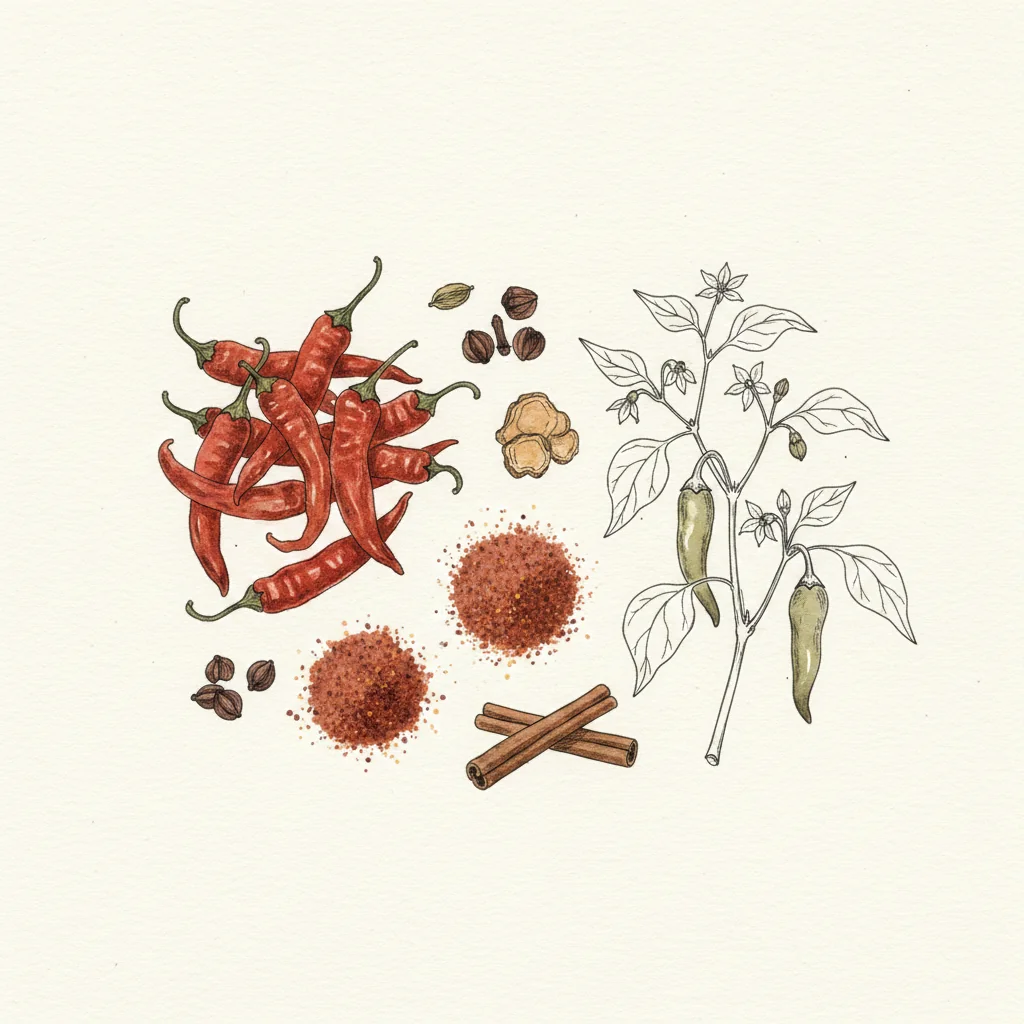
Spice · Blend
Berbere
Ethiopian highlands, household and regional recipes from Addis Ababa to Tigray, Ethiopia / Eritrea
dried chile · warm sweet spice · fenugreek
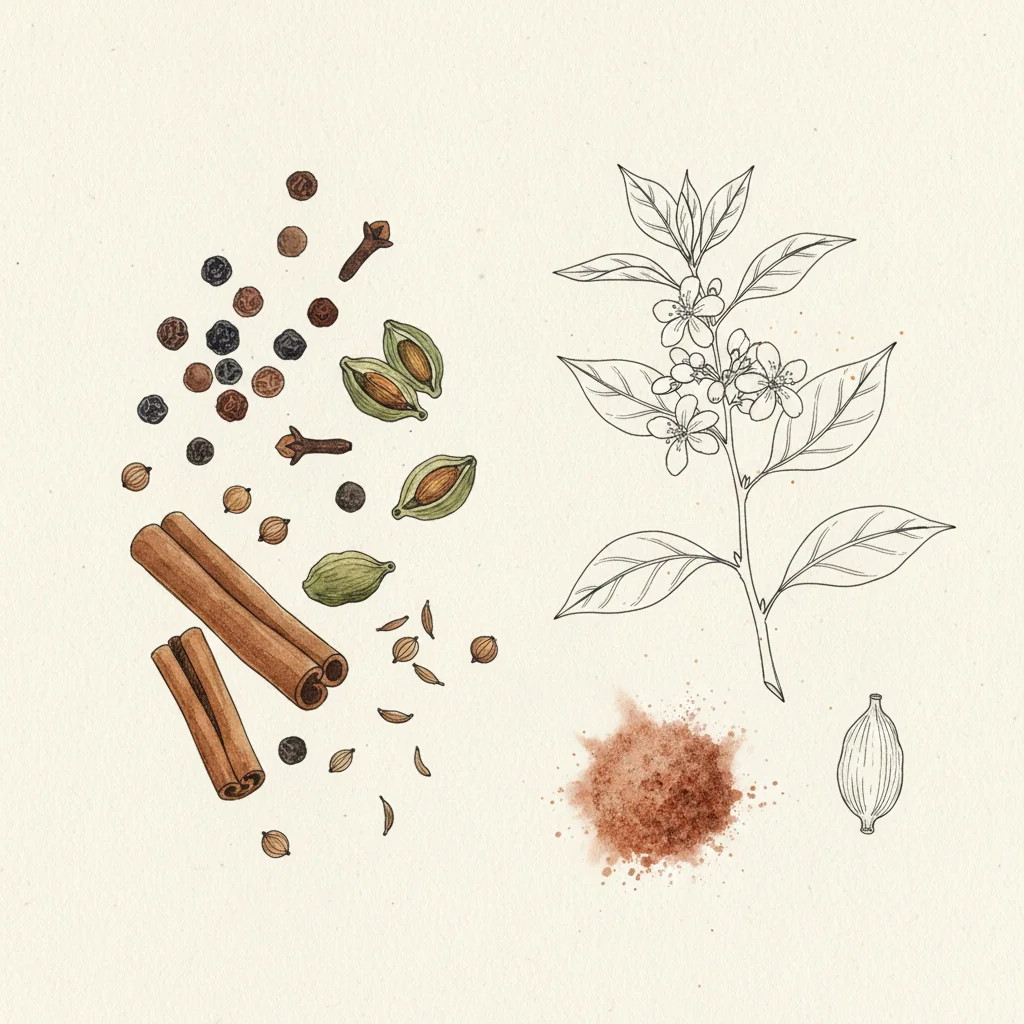
Spice · Blend
Baharat
Made across the Arab world, with distinct house recipes in Lebanon, Syria, Turkey and the Gulf states, Levant & Gulf
warm allspice and clove · black pepper bite · toasted cumin and coriander
Our verdict
Berbere for fiery Ethiopian stews; baharat for warm, no-heat Levantine and Gulf cooking.
At a glance
| Criterion | Berbere | Baharat |
|---|---|---|
| Origin | Ethiopia / Eritrea | Levant & Gulf (Lebanon, Syria, Turkey, Gulf) |
| Type | Chili-forward spice blend | Warm, pepper-forward spice blend |
| Intensity | 8/10 — hot and complex | 6/10 — warm, no real burn |
| Main notes | Dried chile, warm sweet spice, fenugreek | Allspice and clove, black pepper, toasted cumin and coriander |
| Heat | Genuinely spicy | Aromatic warmth, little to no heat |
| How to use | Bloomed early in oil or niter kibbeh at the base | Rubbed on meat or bloomed in fat at the start |
| Best for | Doro wat, misir wot, tibs, roasted squash, chicken rub | Kofta, shawarma, kibbeh, pilaf, roast chicken, lentil soup |
| Median price | ~$10 / 4 oz bag | ~$7 / 50–75 g jar |
| Value | Builds a whole cuisine in one jar — worth it | Versatile, cheap warmth — worth it |
When to choose Berbere
Reach for berbere when you want genuine heat and deep complexity — it's the spice blend that builds an entire cuisine, and there's no shortcut around it for Ethiopian food. Built from household and regional recipes across the Ethiopian highlands, berbere layers dried chile with warm sweet spices and the unmistakable maple-savory note of fenugreek, landing at a true 8/10: this one's actually hot. It's a base blend, bloomed early in oil or in niter kibbeh (spiced clarified butter) at the foundation of a stew, never sprinkled raw at the end — it needs heat and fat to open up and mellow its raw edge. Its home dishes are the Ethiopian canon: doro wat (the long-simmered chicken stew), misir wot (red lentil stew), and beef and lamb tibs. Beyond that it's a brilliant rub for grilled chicken or short ribs, lifts roasted sweet potatoes and squash, and even brings depth to scrambled eggs and shakshuka. Because it's chili-forward, keep it away from delicate white fish, which the chile and fenugreek bury, and from raw applications like tartare or a light vinaigrette — it wants to be cooked, and it shows its heat. Store it airtight and away from light; the ground chile and spices fade within about a year, so buy small and replace once the red dulls to brown. At about $10 a bag it's exceptional value for what it does, which is turn a pot of lentils or chicken into a complete Ethiopian dish. Against baharat, berbere is the hot one — the blend with real chili heat and fenugreek depth — where baharat is warm and gentle. If your cooking leans toward heat and Ethiopian flavors, berbere is the blend that does the most work in a single jar, and nothing milder substitutes for its specific fire.
When to choose Baharat
Reach for baharat when you want warm, aromatic depth without heat — it's the gentle, versatile all-rounder of Levantine and Gulf cooking, the blend you can use generously without anyone reaching for water. Made across the Arab world with distinct house recipes from Lebanon and Syria to Turkey and the Gulf states, baharat (the word simply means 'spices') centers on warm allspice and clove, a black-pepper bite, and toasted cumin and coriander — aromatic warmth at about 6/10, with little to no real burn. It's a base blend, rubbed onto meat before cooking or bloomed in the fat at the start, not dusted raw over a finished plate. Its natural home is the Levantine and Gulf table: lamb and beef kofta, shawarma and kebab rubs, kibbeh, rice and freekeh pilaf, roast chicken and turkey, and lentil soups and stews. Because it leans warm rather than hot, it seasons broadly — you can lean on it to flavor a whole pot of pilaf or a roasting bird without the chili risk a hotter blend carries. The cautions are about delicacy: skip it on delicate white fish, on raw preparations like tartare or ceviche, and on clean vinaigrettes and bright salads, where its warm, clove-heavy weight is wrong. Store it airtight and away from light; the volatile oils in the pepper, cumin, and clove hold about 12 months before the blend goes dusty and flat, so buy small. On value it's a cheap, flexible workhorse at about $7 a jar, and it does the warm-spice work for a huge range of Middle Eastern dishes. Against berbere, baharat is the warm, no-heat blend to berbere's fiery one. If you want aromatic depth across kofta, pilaf, and roast meat without committing to chili heat, baharat is the more forgiving and more broadly useful jar — berbere is the specialist for when you actually want the fire.
Where to buy?
Berbere
Links checked on
| Merchant | Price | Action |
|---|---|---|
| Burlap & Barrel | — | Burlap & Barrel |
| Amazon US | — | Amazon US |
| Sous Chef UK | — | Sous Chef UK |
Prices may vary depending on current promotions on the merchant site.
Baharat
Links checked on
| Merchant | Price | Action |
|---|---|---|
| The Spice Way (Amazon US) | — | The Spice Way (Amazon US) |
| Burlap & Barrel | — | Burlap & Barrel |
| Steenbergs UK | — | Steenbergs UK |
Prices may vary depending on current promotions on the merchant site.
Frequently asked questions
- Is berbere or baharat hotter?
- Berbere, clearly. It's chili-forward at about 8/10 with genuine heat from dried chile, while baharat is warm and aromatic at 6/10 with little to no real burn. If you want a spicy stew, reach for berbere; if you want warm depth you can use generously without heat, reach for baharat.
- Can I substitute one for the other?
- Not cleanly. Berbere brings chili heat and fenugreek into Ethiopian stews; baharat brings warm allspice, clove and pepper to Levantine and Gulf dishes. Swapping them changes both the heat level and the cuisine — a kofta seasoned with berbere reads Ethiopian, not Levantine. Pick by the dish and the heat you want.
- Do I cook these or sprinkle them on at the end?
- Both are base blends, added early. Berbere is bloomed in oil or niter kibbeh at the start of a stew; baharat is rubbed on meat or bloomed in fat at the beginning. Neither is a raw finishing dust — they need heat and fat to open up and, in berbere's case, to mellow the raw edge.
- How long do spice blends like these last?
- About a year, and you can read it by color. Berbere's chili and ground spices fade within roughly 12 months — replace it once the red dulls to brown. Baharat's volatile pepper, cumin and clove oils also hold around 12 months before going dusty. Buy both in small amounts and refresh them.
The best pairings
With Berbere
With Baharat
Comparison prepared according to our methodology. Sponsored purchase links — see our affiliations.