
Berbere, Ethiopian and Eritrean chile and spice blend
In brief — Berbere is the backbone of Ethiopian and Eritrean cooking: a brick-red blend built on fermented, sun-dried chiles and over a dozen warm spices like fenugreek, korarima, ginger and ajwain. It is heat with depth, not just fire. Bloom it in oil at the start of a stew, never sprinkle it raw. A good 4 oz bag runs about $9 to $12. Its aromatic profile develops notes of dried chile, warm sweet spice, fenugreek, extended by ginger and garlic and ajwain and korarima, for an intensity of 8/10. In the kitchen, it's best added bloomed early in oil or niter kibbeh at the base of a stew, never sprinkled raw at the end and it pairs with doro wat (Ethiopian chicken stew), misir wot (red lentil stew), beef and lamb tibs. Recommended dosage: 1 to 2 tablespoons per pot of stew for four, bloomed in fat first; start low, it builds. Expect from $8.00 to $14.00 per 4 oz bag (median $10.00).
Origin : Ethiopian highlands, household and regional recipes from Addis Ababa to Tigray, Ethiopia / Eritrea
« Heat with real depth: chile carried on fenugreek, korarima and sweet warm spice. The single-origin blends sing once bloomed in fat. Supermarket jars taste flat and salty by comparison, so source it well. »
Berbere is the backbone of Ethiopian and Eritrean cooking: a brick-red blend built on fermented, sun-dried chiles and over a dozen warm spices like fenugreek, korarima, ginger and ajwain. It is heat with depth, not just fire. Bloom it in oil at the start of a stew, never sprinkle it raw. A good 4 oz bag runs about $9 to $12.
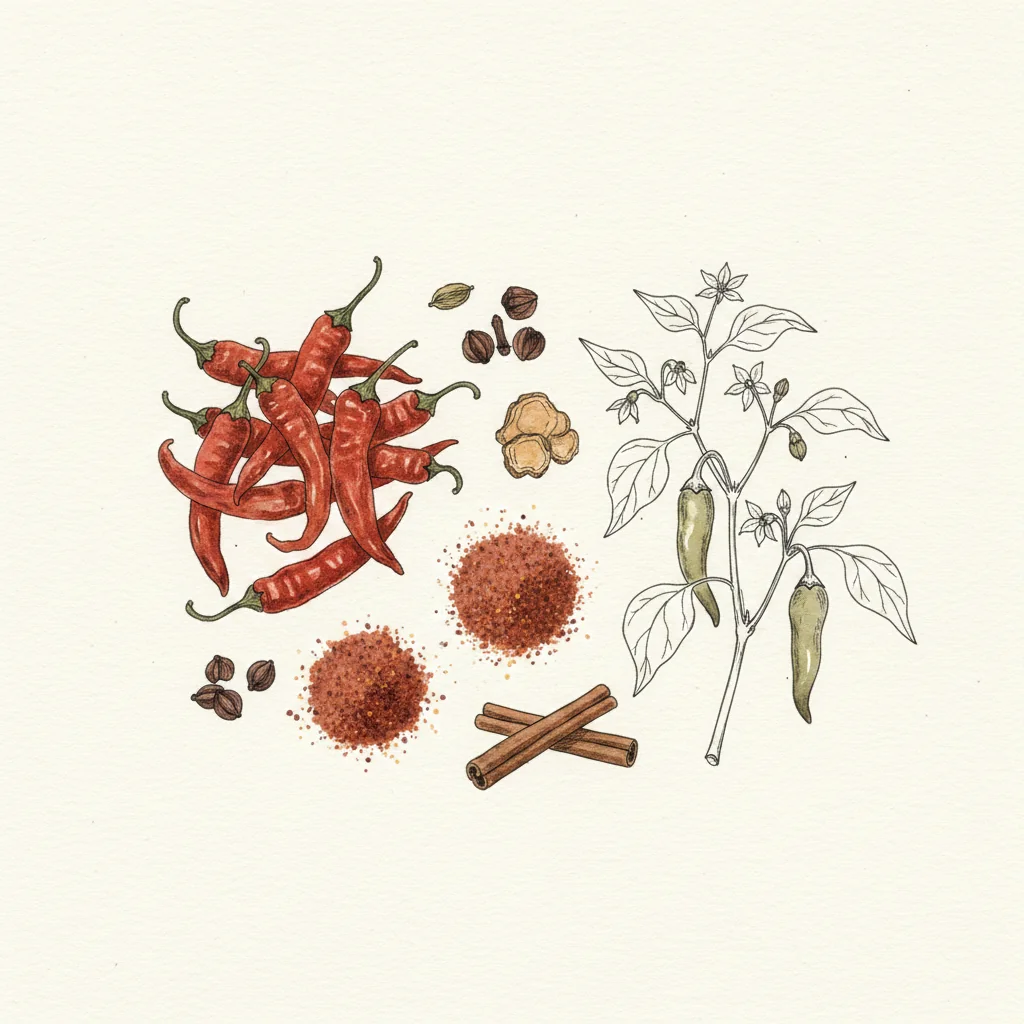
Spice · Blend
Berbere
Ethiopian highlands, household and regional recipes from Addis Ababa to Tigray, Ethiopia / Eritrea
dried chile · warm sweet spice · fenugreek
Aromatic profile
| Family | compound blend |
|---|---|
| Intensity | ●●●●○ (8/10) |
| Main notes | dried chile · warm sweet spice · fenugreek |
| Secondary notes | ginger and garlic · ajwain and korarima · earthy depth |
| Mouthfeel | a building chile heat wrapped in sweet warm spice, never just hot, with a faint bitter fenugreek edge underneath |
| Finish length | long, the heat and the warm spice hold together well after the bite |
Culinary use
- When to add : bloomed early in oil or niter kibbeh at the base of a stew, never sprinkled raw at the end
- Dosage : 1 to 2 tablespoons per pot of stew for four, bloomed in fat first; start low, it builds
- Ideal pairings : doro wat (Ethiopian chicken stew), misir wot (red lentil stew), beef and lamb tibs, roasted sweet potatoes and squash, a rub for grilled chicken or short ribs, scrambled eggs and shakshuka
- Avoid with : delicate white fish (the chile and fenugreek bury it), raw applications like tartare or light vinaigrettes, anything where you do not want visible heat
The grain in detail
Berbere is the chile-and-spice blend that defines Ethiopian and Eritrean cooking, the brick-red base of nearly every wat (stew) you will eat in Addis Ababa or Asmara. At its heart are dried chiles, traditionally the Ethiopian berbere chile, which are often fermented and sun-dried before grinding, then blended with a long list of warm aromatics: fenugreek, korarima (Ethiopian cardamom), ajwain, ginger, garlic, nigella, allspice, clove, cinnamon and more. Recipes are not fixed; every household and region tunes the ratio, so a Tigrayan berbere and an Addis berbere can taste meaningfully different. What stays constant is the shape of the flavor: real heat, yes, but carried on sweet, earthy warm spice with a faint bitter lift from the fenugreek. It is never just hot. The single most important move is to bloom it. Berbere is built to be cooked into fat at the start, ideally niter kibbeh (Ethiopian spiced clarified butter) or oil, so the chile and the ground spices open up and lose their raw, dusty edge. Sprinkle it on at the end and you taste flour and scorch, not the blend. Use it as the base of doro wat (the long-simmered chicken stew with hard-boiled eggs), misir wot (red lentil stew), beef or lamb tibs, and it crosses over beautifully to roasted sweet potatoes and squash, as a rub for grilled chicken or short ribs, and stirred into scrambled eggs or shakshuka. Buying matters here. Supermarket berbere is often a tired, salt-heavy approximation; the aroma should hit you the moment you open the bag, deep red and complex, not flat brown. In the US, the single-origin blends from Burlap & Barrel and Spicewalla are the easy upgrades, and any well-stocked Ethiopian grocery will sell a fresher, more characterful version than a jar off the shelf. In the UK it turns up at Sous Chef and African grocers.
History & origin
Berbere is old, tied to the Ethiopian and Eritrean highlands and to the long trade in chiles, which reached the region after the Columbian exchange brought New World peppers across the Indian Ocean and Red Sea by the sixteenth and seventeenth centuries. Earlier blends leaned on indigenous heat and aromatics like korarima and long pepper before the chile became central. The fermentation and sun-drying of the chiles, and the slow toasting and grinding of the spices, were household crafts passed down by women, often made in large batches once a year. There is no protected designation: like all living blends, berbere is defined by region, family and the cook, not by a registry.
Indicative price
Reference format : 4 oz bag — from $8.00 to $14.00 (median : $10.00).
Storage
Airtight opaque jar, away from light and heat. The chile and ground spices fade within about a year; buy in small amounts and replace once the red dulls to brown.
Where to buy?
Where to buy it
Links checked on
| Merchant | Price | Action |
|---|---|---|
| Burlap & Barrel | — | Burlap & Barrel |
| Amazon US | — | Amazon US |
| Sous Chef UK | — | Sous Chef UK |
Prices may vary depending on current promotions on the merchant site.
Alternatives if unavailable
Tags
- Ethiopia
- Eritrea
- blend
- chile
- fenugreek
- doro wat
- berbere
Frequently asked questions
- How do you store Berbere?
- Airtight opaque jar, away from light and heat. The chile and ground spices fade within about a year; buy in small amounts and replace once the red dulls to brown.
- What dosage for Berbere?
- 1 to 2 tablespoons per pot of stew for four, bloomed in fat first; start low, it builds
- When should you add Berbere in cooking?
- It's best used bloomed early in oil or niter kibbeh at the base of a stew, never sprinkled raw at the end.
- What should you avoid pairing Berbere with?
- Avoid with: delicate white fish (the chile and fenugreek bury it), raw applications like tartare or light vinaigrettes, anything where you do not want visible heat.
Go further
The dishes where this berbere shines
Also a recommended alternative for
As a complementary pairing with
See every dish where this product is mentioned →
Other spices to discover
Page prepared according to our methodology. Purchase links marked sponsored and liable to earn a commission — details on our Affiliations page.