
Comparison
Black lime vs baharat: which Middle Eastern flavor?
Different jobs in the same kitchen. Black lime (loomi) brings deep, fermented, puckering sourness to long-cooked Persian and Iraqi stews. Baharat brings warm, peppery, clove-forward depth you rub on meat. Want sour tang in a braise, buy black lime. Want warm spice on a kebab, buy baharat — and many dishes use both.
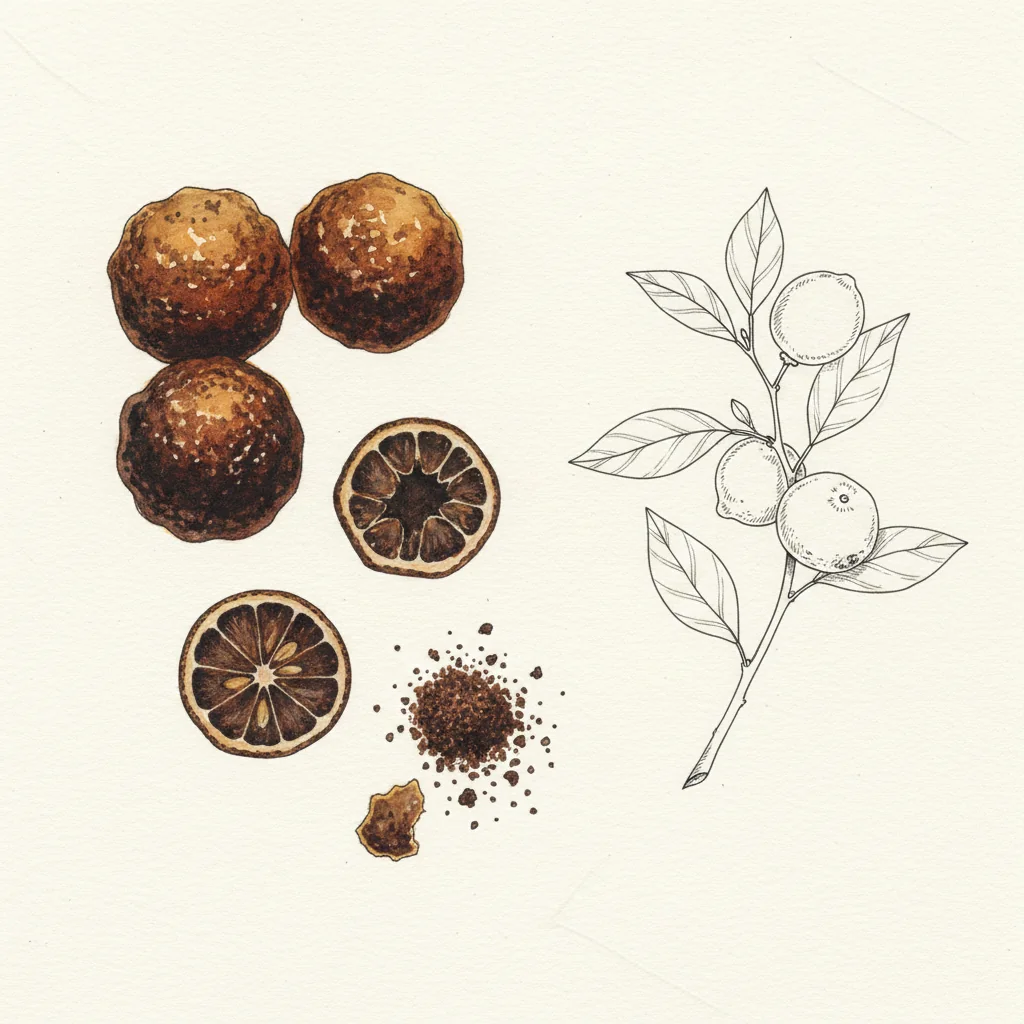
Spice · Dried lime
Black Lime (Loomi)
Traditionally Oman, Iraq and Iran (Basra, Oman); the Burlap & Barrel single-origin powder is grown and sun-dried in Alta Verapaz, Guatemala, Persian Gulf (traditional); Guatemala for the Burlap & Barrel jar
sour citrus peel · fermented tang · faint funk
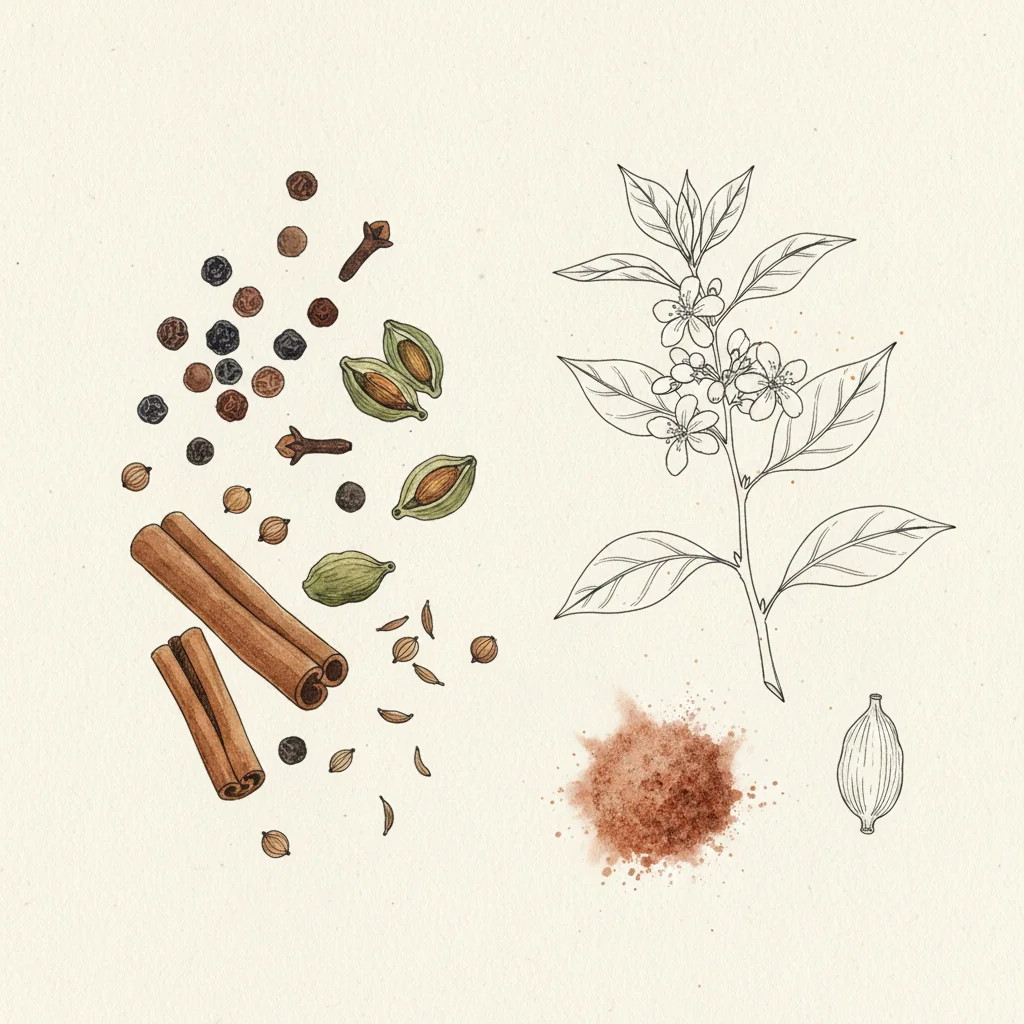
Spice · Blend
Baharat
Made across the Arab world, with distinct house recipes in Lebanon, Syria, Turkey and the Gulf states, Levant & Gulf
warm allspice and clove · black pepper bite · toasted cumin and coriander
Our verdict
Black lime for fermented sourness; baharat for warm spice depth — often both.
At a glance
| Criterion | Black Lime (Loomi) | Baharat |
|---|---|---|
| Profile | Sour citrus peel, fermented tang, faint funk, leather, smoke | Warm allspice and clove, black pepper bite, toasted cumin and coriander |
| Intensity | 8/10 — puckering, deep, funky sourness | 6/10 — rounded and warming, peppery with a sweet finish |
| Price | ~$9.50 for a 2.8 oz jar (ground) | ~$7 for a 50-75 g jar |
| Best use | Persian and Iraqi stews, braised lamb, lentil and chickpea soups | Rubbed on kofta, shawarma, kibbeh, roast chicken, lentil soup |
When to choose Black Lime (Loomi)
Reach for black lime when a long-cooked Middle Eastern stew needs deep, fermented sourness — not the bright pop of fresh citrus, but something darker. These are whole limes dried hard until they ferment internally, traditionally from the Persian Gulf (the Burlap & Barrel single-origin powder is grown and sun-dried in Guatemala). At 8/10 it's a puckering, funky sourness with leather, smoke and dried-tamarind notes. Four jobs it owns. First, Persian and Iraqi stews like ghormeh sabzi and gheimeh, where loomi is the defining sour backbone. Second, braised lamb shanks and short ribs, where the funk cuts the fat over a long braise. Third, lentil and chickpea soups, where it adds depth a squeeze of lemon can't. Fourth, rice dishes and marinades that want a sour-savory base. The technique splits by format: pierce whole limes and drop them into a simmering stew at the start, where they steep for the full cook; stir the ground powder in near the end or dust it over the finished plate, since the powder is more aggressive and fades fast. Buy whole limes for braises and ground for quick dishes — about $9.50 for a 2.8 oz jar of powder. Whole limes keep for years and only deepen; the ground powder fades faster, so use it within about six months for the brightest sour edge. Keep both airtight, away from light and humidity. Black lime is a sour specialist, not a warm-spice blend — that's baharat's job.
When to choose Baharat
Reach for baharat when you want warm, peppery spice depth on meat or in a pilaf — the savory backbone, not the sour note. It's the all-purpose blend of the Levant and the Gulf: warm allspice and clove, a black-pepper bite, toasted cumin and coriander, with house recipes across the Arab world. At 6/10 it's rounded and warming, peppery up front with a sweet finish. Four jobs it owns. First, lamb and beef kofta, worked into the raw mince. Second, shawarma and kebab rubs, massaged onto the meat. Third, kibbeh and rice or freekeh pilaf. Fourth, roast chicken and lentil soup. The technique: rub it onto meat before cooking or bloom it in the fat at the start — never dusted raw over the finished plate, because the whole-spice oils need heat and fat to open. Here's the thing: black lime and baharat aren't really rivals. They live in the same cuisine and often the same pot — a Gulf stew might carry baharat for warmth and a pierced black lime for sour funk, each doing what the other can't. Some baharat recipes even fold dried lime into the blend. So the honest answer to 'which' is usually 'both, for different reasons.' If you can only buy one and you're making kebabs and pilafs, buy baharat; if you're making Persian and Iraqi stews, buy black lime. A 50 to 75 g jar of baharat runs about $7 and holds its oils about 12 months — buy small and bloom it hot.
Where to buy?
Black Lime (Loomi)
Links checked on
| Merchant | Price | Action |
|---|---|---|
| Burlap & Barrel | — | Burlap & Barrel |
| Amazon US | — | Amazon US |
Prices may vary depending on current promotions on the merchant site.
Baharat
Links checked on
| Merchant | Price | Action |
|---|---|---|
| The Spice Way (Amazon US) | — | The Spice Way (Amazon US) |
| Burlap & Barrel | — | Burlap & Barrel |
| Steenbergs UK | — | Steenbergs UK |
Prices may vary depending on current promotions on the merchant site.
Frequently asked questions
- Are black lime and baharat interchangeable?
- No. Black lime brings fermented sourness; baharat brings warm, peppery spice. They do opposite things and often appear together in the same dish, so think 'both,' not 'either.'
- Which one for a Persian stew?
- Black lime. Pierce a whole loomi and drop it into ghormeh sabzi or gheimeh at the start — it's the defining sour note. Baharat is more a Levantine and Gulf meat spice.
- Should I buy black lime whole or ground?
- Both have a use: whole limes for long braises (they keep for years and deepen), ground powder for quick dishes finished near the end. The powder fades within about six months.
- Can I use both together?
- Yes, and Gulf cooking often does — baharat for warm spice, a pierced black lime for sour funk. Some baharat blends even include dried lime. They complement rather than compete.
The best pairings
With Black Lime (Loomi)
With Baharat
Comparison prepared according to our methodology. Sponsored purchase links — see our affiliations.