
Comparison
Cretan olive oil vs rapeseed oil — which to choose?
Buy both — they do different jobs. Cretan PDO olive oil is a raw finishing oil: peppery, grassy, pour it over salad and bread. Cold-pressed British rapeseed has a ~446°F (230°C) smoke point, so it crisps roast potatoes harder than olive oil ever will. Finish with the Cretan, roast with the rapeseed.
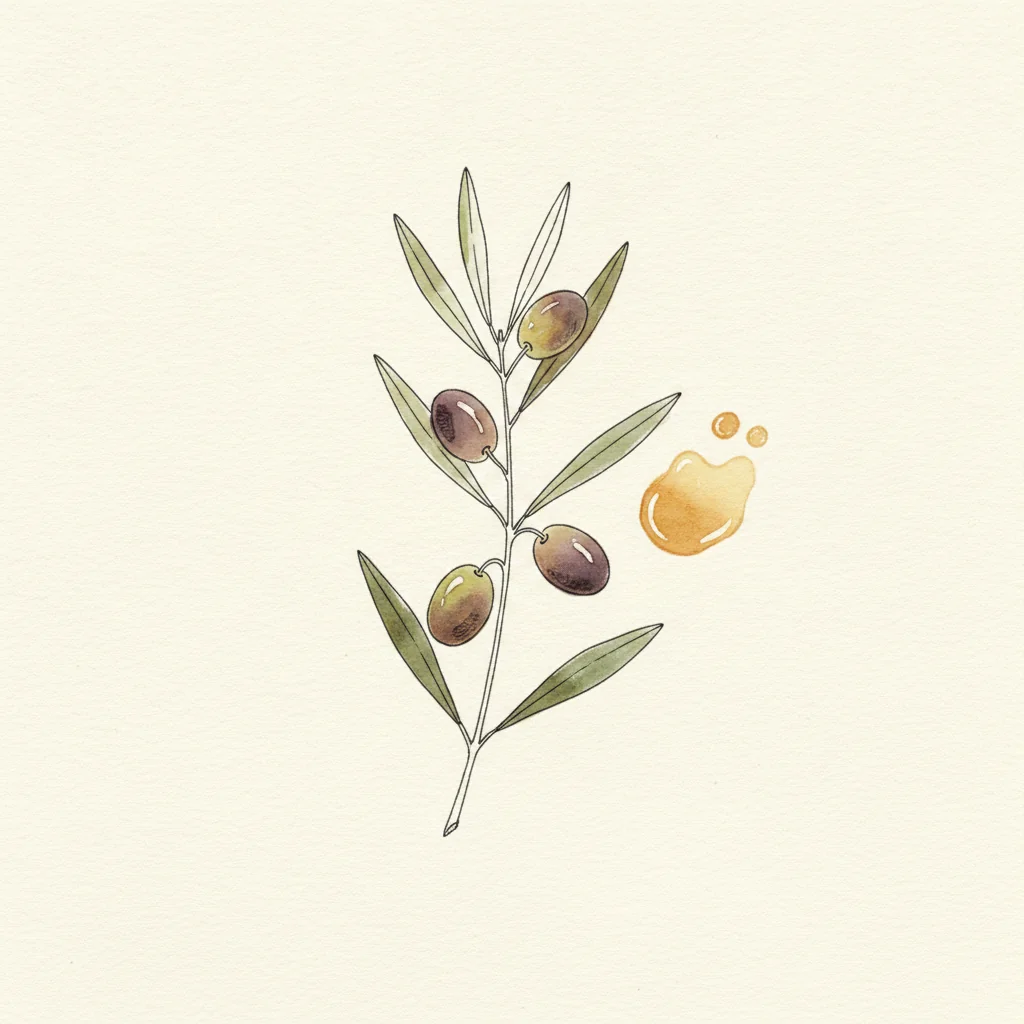
Oil · Olive oil
Cretan Extra Virgin Olive Oil PDO
Sitia, Lassithi, eastern Crete, Greece (PDO)
fresh-cut grass · green tomato · raw almond
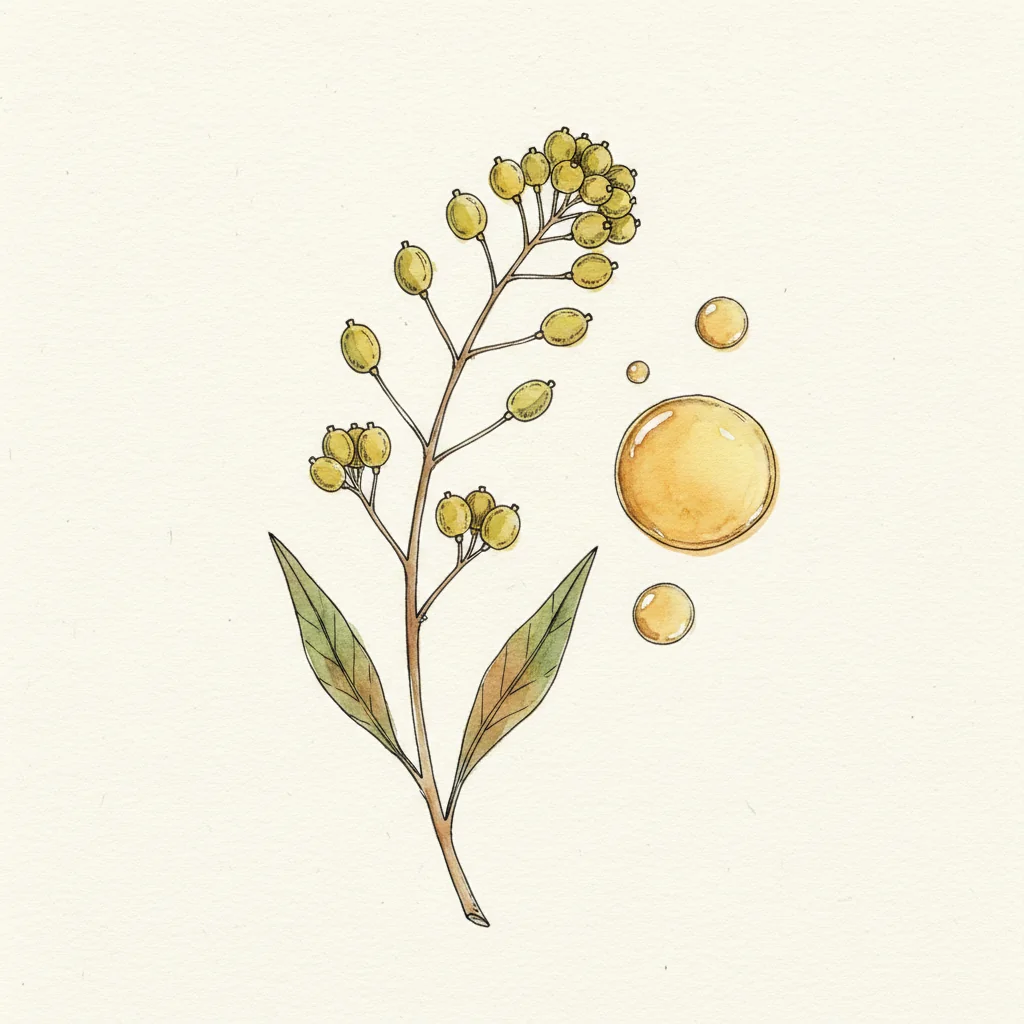
Oil · Cold-pressed oil
Cold-Pressed Rapeseed Oil
Yorkshire Wolds and the Cotswolds, single-estate farms, England
cut grass · toasted nut · fresh hay
Our verdict
Cretan to finish raw; rapeseed to roast at high heat.
At a glance
| Criterion | Cretan Extra Virgin Olive Oil PDO | Cold-Pressed Rapeseed Oil |
|---|---|---|
| Origin | Greece, Sitia in eastern Crete | England, Yorkshire Wolds and the Cotswolds |
| Appellation | Sitia PDO, certified since 1994 | Single-estate, no PDO |
| Flavor | Fresh grass, green almond, peppery throat-catch | Grassy, nutty, mild and clean |
| Smoke point | Low — a raw finishing oil, don't fry with it | About 446°F (230°C) — built for high-heat roasting |
| Best use | Drizzled raw over salad, bread, grilled fish | Roast potatoes, roasting veg, everyday frying |
| Median price | About $15 to $22 / 500ml | About £4.50 to £5 / 500ml |
| Value | Worth it as the finishing pour; don't cook it away | Unbeatable kitchen workhorse for the price |
When to choose Cretan Extra Virgin Olive Oil PDO
Choose Cretan olive oil when the oil is meant to be tasted, not cooked away. Sitia PDO, certified since 1994, is pressed from Koroneiki — a small, polyphenol-heavy olive — and it shows: fresh grass, green almond, a green-tomato edge and that peppery throat-catch that signals high oleocanthal. That bitterness and pepper are the flavor you're paying for, and gentle heat is fine while a screaming pan or a deep-fryer is not. Use it raw and late: poured over a Greek salad, dragged through with bread, finished over grilled fish, dolloped onto a bowl of lentils or white beans, or stirred into a dip right before serving. A 500ml bottle runs about $15 to $22, which is fair for a single-origin PDO oil you use by the spoonful, not the cupful. The catch is treating it like a cooking fat — heat strips the volatile aromatics and you've poured premium money down a hot pan. Buy a decent bottle, keep it cool and dark, finish it within a few months of opening, and let a cheaper oil do the frying. If your job is crisping roast potatoes or roasting a tray of vegetables at high heat, this is the wrong bottle — reach for the rapeseed.
When to choose Cold-Pressed Rapeseed Oil
Reach for cold-pressed British rapeseed oil when heat is the job. Pressed from rapeseed grown on single estates in the Yorkshire Wolds and the Cotswolds, it carries a grassy, nutty flavour mild enough to disappear into a dish — and crucially a smoke point near 230 degrees Celsius, well above olive oil. That's why it crisps roast potatoes harder, browns roasting vegetables without going acrid, and handles a shallow fry where olive oil would smoke and turn bitter. It's also the home-grown drizzle that quietly beats imported olive oil at the everyday end of the kitchen, and at about £4.50 to £5 for 500ml it's cheap enough to use freely. Pour it into the roasting tin, toss the potatoes, get them properly hot. Use it as your default frying and roasting oil and keep the good olive oil for the plate. The catch is expecting it to taste like olive oil — it doesn't, and that's fine, because its mild nuttiness is exactly what you want when you don't want the oil to shout. If you want a peppery, grassy finishing pour that's the star of a salad or a slice of bread, this is the wrong oil — that's the Cretan's job.
Where to buy?
Cretan Extra Virgin Olive Oil PDO
Links checked on
| Merchant | Price | Action |
|---|---|---|
| Amazon US | — | Amazon US |
| Sous Chef UK | — | Sous Chef UK |
Prices may vary depending on current promotions on the merchant site.
Cold-Pressed Rapeseed Oil
Links checked on
| Merchant | Price | Action |
|---|---|---|
| Amazon UK | — | Amazon UK |
| Cotswold Gold | — | Cotswold Gold |
| Sous Chef UK | — | Sous Chef UK |
Prices may vary depending on current promotions on the merchant site.
Frequently asked questions
- Can I roast potatoes in Cretan olive oil?
- You can, but you're wasting it. Olive oil's lower smoke point means high-heat roasting strips the grassy, peppery aromatics you paid for, and it can turn slightly bitter. Rapeseed oil's ~446°F (230°C) smoke point crisps potatoes harder and costs a fraction. Save the Cretan for the finishing drizzle.
- Is British rapeseed oil healthier than olive oil?
- It's a different fat, not a magic one. Rapeseed is lower in saturated fat and higher in omega-3 than olive oil, while a good extra-virgin olive oil brings polyphenols like oleocanthal. Both are sound. Choose by job — roasting versus finishing — not by health halo.
- Why is the Cretan oil so much more expensive?
- It's a single-origin PDO extra-virgin pressed from a low-yield, high-polyphenol olive, sold to be tasted raw. British rapeseed is a high-yield commodity crop pressed for everyday cooking. You're paying for finishing-oil flavor in one and high-heat workhorse performance in the other.
- Do I really need both?
- If you cook regularly, yes. They solve different problems: one finishes a plate raw, the other does the hot, messy work of roasting and frying. Buying only the olive oil means you cook away your best oil; buying only the rapeseed means your salads go flat.
The best pairings
With Cretan Extra Virgin Olive Oil PDO
With Cold-Pressed Rapeseed Oil
Comparison prepared according to our methodology. Sponsored purchase links — see our affiliations.