
Dish × condiment pairing
Which olive oil for grilled asparagus?
Season : spring · Occasion : cookout, weeknight, side
A Cretan Sitia PDO oil, drizzled raw after the spears come off the heat. Its grassy, green-almond bite and peppery throat-catch cut the char and lift the asparagus. Don't cook in it; the polyphenols you paid for burn off. A 500ml bottle runs about $15 to $22. Finish, never fry.
In detail
The olive oil for grilled asparagus is a Cretan Sitia PDO, pressed from Koroneiki olives in eastern Crete and certified since 1994. Grilled asparagus is smoke, char and green vegetal sweetness, and a high-polyphenol Cretan oil meets it with fresh-cut grass, green almond and a peppery oleocanthal throat-catch that reads as brightness against the char. The rule that separates this from cooking oil is timing: drizzle it raw over the hot spears after they come off the heat, never grill in it, because sustained heat burns off the polyphenols and the peppery oleocanthal you paid a premium for. Use a cheap, heat-stable oil to coat the spears for the grill, and save the Sitia for the finish, with a scatter of flaky salt on top. That peppery bite, strong enough to make you cough on a raw taste, mellows on the warm spears. A 500ml bottle runs about $15 to $22.

Our recommendation
Oil · Olive oil
Cretan Extra Virgin Olive Oil PDO
Sitia, Lassithi, eastern Crete, Greece (PDO)
fresh-cut grass · green tomato · raw almond
Grilled asparagus is smoke, char and green vegetal sweetness. A high-polyphenol Cretan oil meets it with fresh-cut grass, green almond and a peppery oleocanthal bite that reads as brightness against the char. The catch is timing: drizzle it raw over the hot spears off the heat, because cooking in it burns off the polyphenols. A 500ml bottle is about $15 to $22.
Intensity 7/10
Where to buy it
Links checked on
| Merchant | Price | Action |
|---|---|---|
| Amazon US | — | Amazon US |
| Sous Chef UK | — | Sous Chef UK |
Prices may vary depending on current promotions on the merchant site.
Affiliate links — La Pincée may earn a commission on some sales, at no extra cost to you. Read more.
The catch
Don't grill the asparagus in your good Cretan oil. Sustained grill heat burns off the polyphenols and the peppery oleocanthal you paid a premium for, leaving you with expensive frying oil and a flat finish. Coat the spears in a cheap, heat-stable oil for the grill, then drizzle the Sitia PDO raw over them once they're off the heat. This is a finishing oil, full stop.
Chef's note
Pull the spears charred but still snappy, plate them, then drizzle a tablespoon of raw Sitia oil over the warm asparagus and scatter flaky salt. The residual warmth opens the grassy, green-almond aromatics without cooking them out. Taste the oil raw first; a good one's peppery throat-catch can make you cough, and that oleocanthal bite is exactly what reads as brightness against the char.
Tasting note
fresh-cut grass · green almond · green tomato · peppery throat-catch · a 500ml bottle of Sitia PDO runs about $15 to $22. Worth it as a raw finishing oil; never waste it on frying, where the polyphenols you paid for burn off.
These three sections appear on every one of our pairing pages — our methodology.
Alternatives to explore
-

Salt · Flaky sea salt
Jacobsen Pure Flake Salt
Netarts Bay, Oregon coast, United States
Intensity 7/10
The salt that finishes the spears. Flaky Jacobsen scattered over the oiled asparagus adds crunch and clean brine; use it with the oil, not instead of it.
-
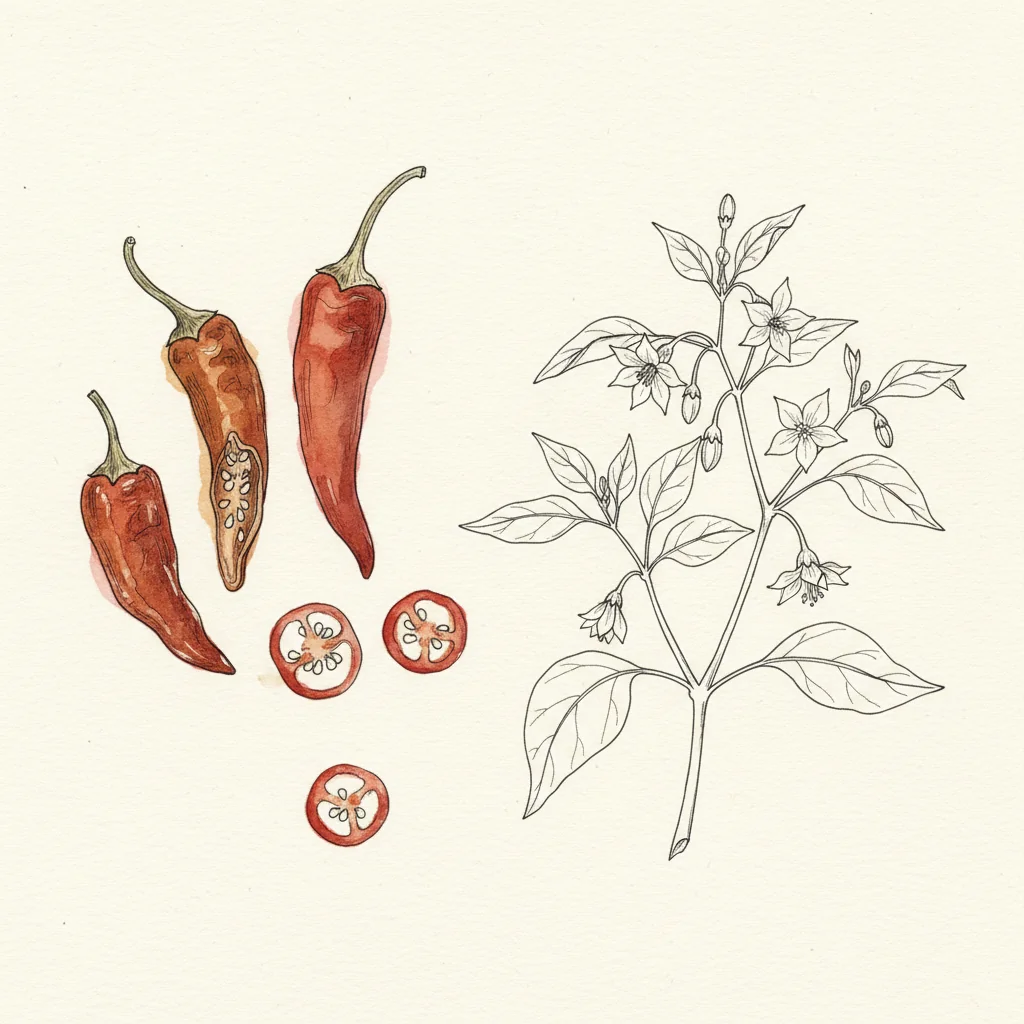
Spice · Chile
Aleppo Pepper
Southern Turkey (Gaziantep, Kahramanmaraş) and northern Syria (Aleppo), Turkey / Syria
Intensity 4/10
A dusting brings sweet-sour warmth and color over the oil. A gentle fruity heat that flatters the char without fighting the oil's pepper.
Complementary ingredients
- Jacobsen Pure Flake Salt — Flaky salt scattered over the oiled spears for crunch
Frequently asked questions
- Should you grill asparagus in olive oil or drizzle it after?
- Use a cheap, heat-stable oil to coat the spears for the grill, then drizzle the good Cretan oil raw over them after they come off. Sustained grill heat burns off the polyphenols and the peppery oleocanthal you're paying a premium for.
- What does the peppery throat-catch in Cretan oil mean?
- It's oleocanthal, a polyphenol that signals a fresh, high-quality oil. A good Sitia PDO can make you cough on a raw taste. That bite mellows on the warm asparagus but still reads as brightness against the char.
- What makes Sitia PDO oil different?
- It's pressed from Koroneiki olives in eastern Crete and PDO-certified since 1994, which ties the name to a place and a standard. The variety is crammed with polyphenols, giving the grassy, green-almond, peppery profile that defines a serious finishing oil.
This pairing was validated according to our methodology. Purchase links are marked sponsored and may earn a commission — details on our Affiliations page.