
Cretan Extra Virgin Olive Oil, Sitia PDO, Koroneiki variety (Lassithi, eastern Crete)
In brief — Cretan oil gets its bite from Koroneiki, a small olive crammed with polyphenols. Sitia PDO, certified since 1994, is the eastern-Crete benchmark: fresh grass, green almond, a green-tomato edge and a peppery throat-catch that signals high oleocanthal. A 500ml bottle runs about $15 to $22. This is a raw finishing oil, full stop. Its aromatic profile develops notes of fresh-cut grass, green tomato, raw almond, extended by green banana and olive leaf, for an intensity of 7/10. On the palate, it offers structured and buttery up front, then a sharp pepper bite that can make you cough, with a long finish, a clean peppery finish that lingers from the oleocanthal. In the kitchen, it's best added raw, drizzled over the finished plate and it pairs with Greek salad, feta and tomatoes, grilled fish. Recommended dosage: a tablespoon drizzled raw over the plate at the end, never near sustained heat. Expect from $15.00 to $22.00 per 500ml bottle (median $19.00).
Origin : Sitia, Lassithi, eastern Crete, Greece (PDO)
Olea europaea
« Koroneiki delivers real bite: fresh grass, green almond, a peppery throat-catch from high oleocanthal. Sitia PDO secures the origin since 1994. Loud on delicate plates, so keep it raw. Strong value against Tuscan oils. »
Cretan oil gets its bite from Koroneiki, a small olive crammed with polyphenols. Sitia PDO, certified since 1994, is the eastern-Crete benchmark: fresh grass, green almond, a green-tomato edge and a peppery throat-catch that signals high oleocanthal. A 500ml bottle runs about $15 to $22. This is a raw finishing oil, full stop.
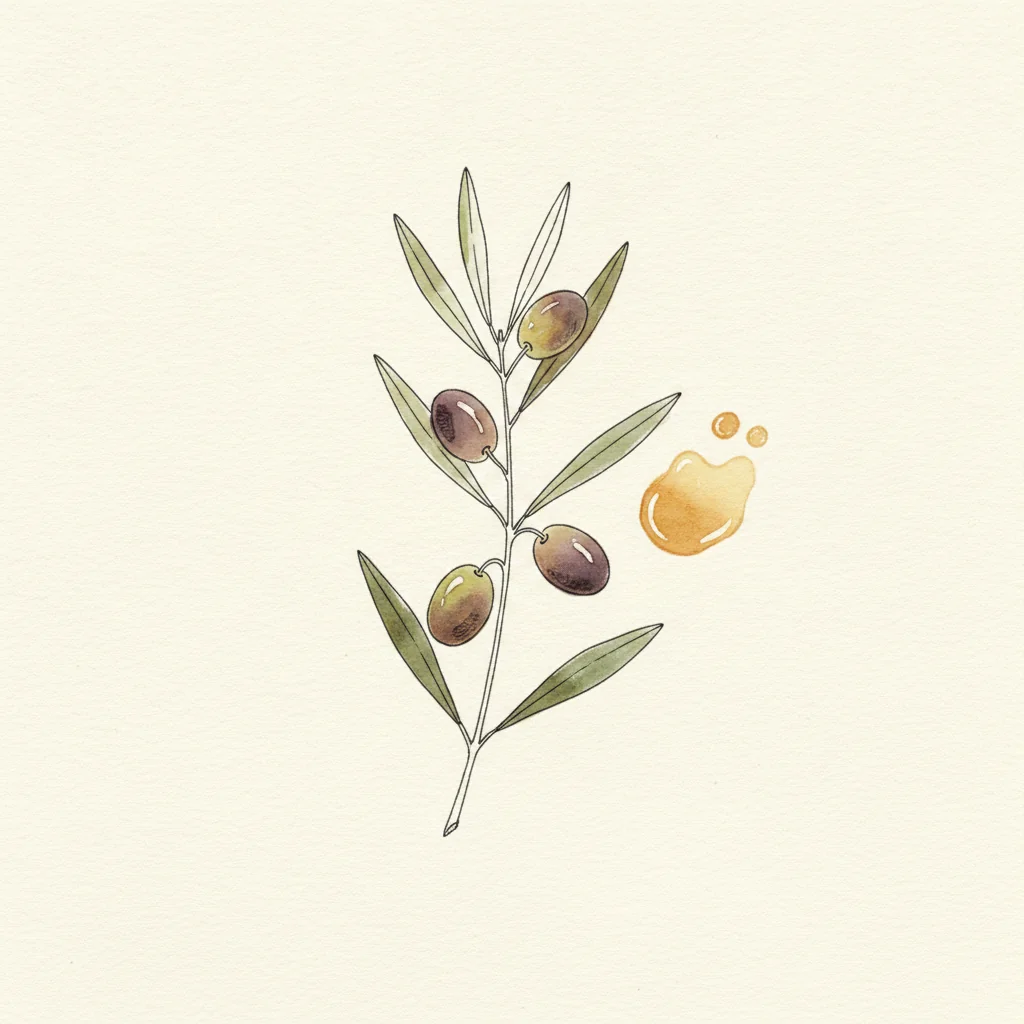
Oil · Olive oil
Cretan Extra Virgin Olive Oil PDO
Sitia, Lassithi, eastern Crete, Greece (PDO)
fresh-cut grass · green tomato · raw almond
Aromatic profile
| Family | Olea europaea |
|---|---|
| Intensity | ●●●●○ (7/10) |
| Main notes | fresh-cut grass · green tomato · raw almond |
| Secondary notes | green banana · olive leaf · peppery throat-catch |
| Mouthfeel | structured and buttery up front, then a sharp pepper bite that can make you cough |
| Finish length | long, a clean peppery finish that lingers from the oleocanthal |
Culinary use
- When to add : raw, drizzled over the finished plate
- Dosage : a tablespoon drizzled raw over the plate at the end, never near sustained heat
- Ideal pairings : Greek salad, feta and tomatoes, grilled fish, steamed greens and beans, hummus, fish soup
- Avoid with : delicate dishes the pepper bite would flatten, deep-frying (you would burn off the polyphenols you paid for), anything already loud and acidic
The grain in detail
Crete is one of the oldest olive-growing basins on earth: Minoan storage jars dug from the soil date the trade to around 2500 BC. The island still runs a dense oil culture, mostly old trees terraced on hillsides, with Koroneiki as the dominant variety. Koroneiki, a small olive originally from the Peloponnese, carries an unusually high polyphenol load, often 400 to 800 mg/kg against 200 to 500 for many Italian or French varieties. That is what gives Cretan oil its pronounced bite and bitterness, plus excellent resistance to going rancid. The eastern-Crete PDO is Sitia, in the Lassithi region, certified in 1994 (other Cretan PDOs include Kolymvari, Vianos and Archanes). The rules force cold extraction, a low free-acidity ceiling, and traceability back to the mill or co-op. The typical profile stacks fresh-cut grass, olive leaf, green almond, sometimes a green-banana note from early-harvest Koroneiki, and always that peppery finish that catches the back of the throat. Here is why: that catch is oleocanthal, a natural anti-inflammatory compound, and it is the proof you are tasting fresh, well-made oil rather than a tired blend. This is a high-impact oil that earns its place raw, where it can speak: Greek salad, feta drizzled at the table, grilled fish, steamed greens, fish soup. On something delicate it will dominate, so save it for the plate, not the pan. When you buy, check three things: the PDO name on the label (Sitia, or another Cretan denomination), a harvest date inside twelve months, and the extra-virgin grade with the acidity printed. Skip anything that just says "product of Greece" with no harvest date.
History & origin
Crete claims close to 4,000 years of unbroken olive culture; the Minoans already stored oil in jars for Mediterranean trade. The Sitia PDO was recognized in 1994, followed by several other regional denominations across the island. Greece is the world's third-largest olive-oil producer after Spain and Italy, with one of the highest per-head consumption rates anywhere.
Provenance & authenticity
What sets the real thing apart — appellation, species and verification cues.
- Protected appellation
- PDO/AOP
- Register : EU eAmbrosia (Sitia Lasithiou Kritis PDO 1993 / Kolymvari Chanion Kritis PDO / Peza Irakliou Kritis PDO)
- Year : 1993
- Authority : EU eAmbrosia GI register
- Species
- Olea europaea
- Grade / standard
- Extra virgin, Koroneiki variety
How to verify the real one
- PDO Sitia Lasithiou Kritis, Kolymvari or Peza logo
- extra virgin (<=0.8% acidity)
- Koroneiki olives
- single-region Crete
Indicative price
Reference format : 500ml bottle — from $15.00 to $22.00 (median : $19.00).
Storage
Tinted glass or an opaque metal tin, away from light and heat. Best inside 18 months of harvest. The high polyphenol load makes it resist oxidation better than most.
Where to buy?
Where to buy it
Links checked on
| Merchant | Price | Action |
|---|---|---|
| Amazon US | — | Amazon US |
| Sous Chef UK | — | Sous Chef UK |
Prices may vary depending on current promotions on the merchant site.
Tags
- olive oil
- PDO
- Crete
- Greece
- Sitia
- Lassithi
- Koroneiki
- polyphenols
Frequently asked questions
- How do you store Cretan Extra Virgin Olive Oil PDO?
- Tinted glass or an opaque metal tin, away from light and heat. Best inside 18 months of harvest. The high polyphenol load makes it resist oxidation better than most.
- What dosage for Cretan Extra Virgin Olive Oil PDO?
- a tablespoon drizzled raw over the plate at the end, never near sustained heat
- When should you add Cretan Extra Virgin Olive Oil PDO in cooking?
- It's best used raw, drizzled over the finished plate.
- What should you avoid pairing Cretan Extra Virgin Olive Oil PDO with?
- Avoid with: delicate dishes the pepper bite would flatten, deep-frying (you would burn off the polyphenols you paid for), anything already loud and acidic.
Go further
The dishes where this cretan extra virgin olive oil pdo shines
Also a recommended alternative for
As a complementary pairing with
See every dish where this product is mentioned →
Other oils, vinegars & honeys to discover
Featured in these gift sets
Page prepared according to our methodology. Purchase links marked sponsored and liable to earn a commission — details on our Affiliations page.