
Comparison
Diamond Crystal vs smoked Maldon: when to use each?
Different salts, different moments. Diamond Crystal is the neutral cooking salt for seasoning and brining, about $11 for a 3 lb box. Smoked Maldon is an oak-smoked finishing flake for the very end of BBQ and roast potatoes, about $9 a box. Cook with Diamond Crystal; add the smoke off the heat.
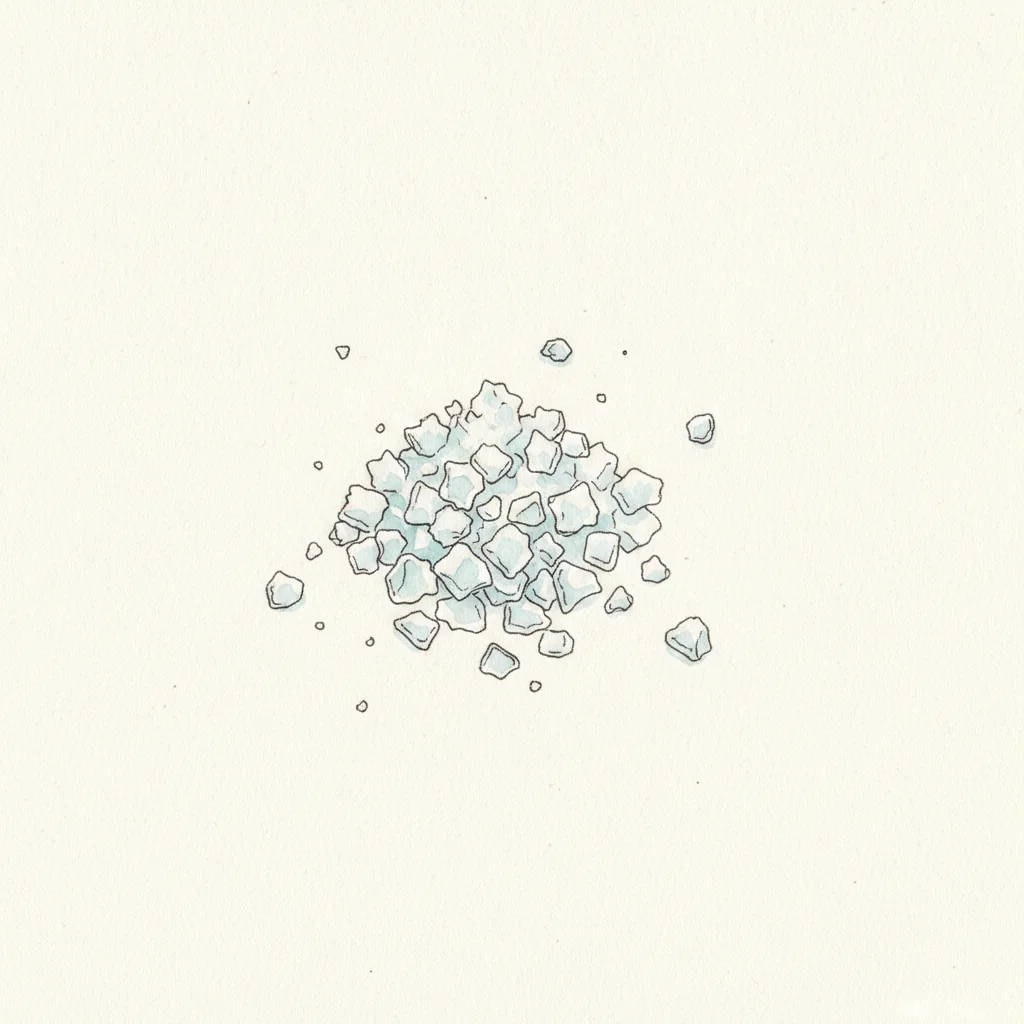
Salt · Kosher salt
Diamond Crystal Kosher Salt
Domestic salt, Alberger process, United States
clean neutral salinity · no bitterness · no additives
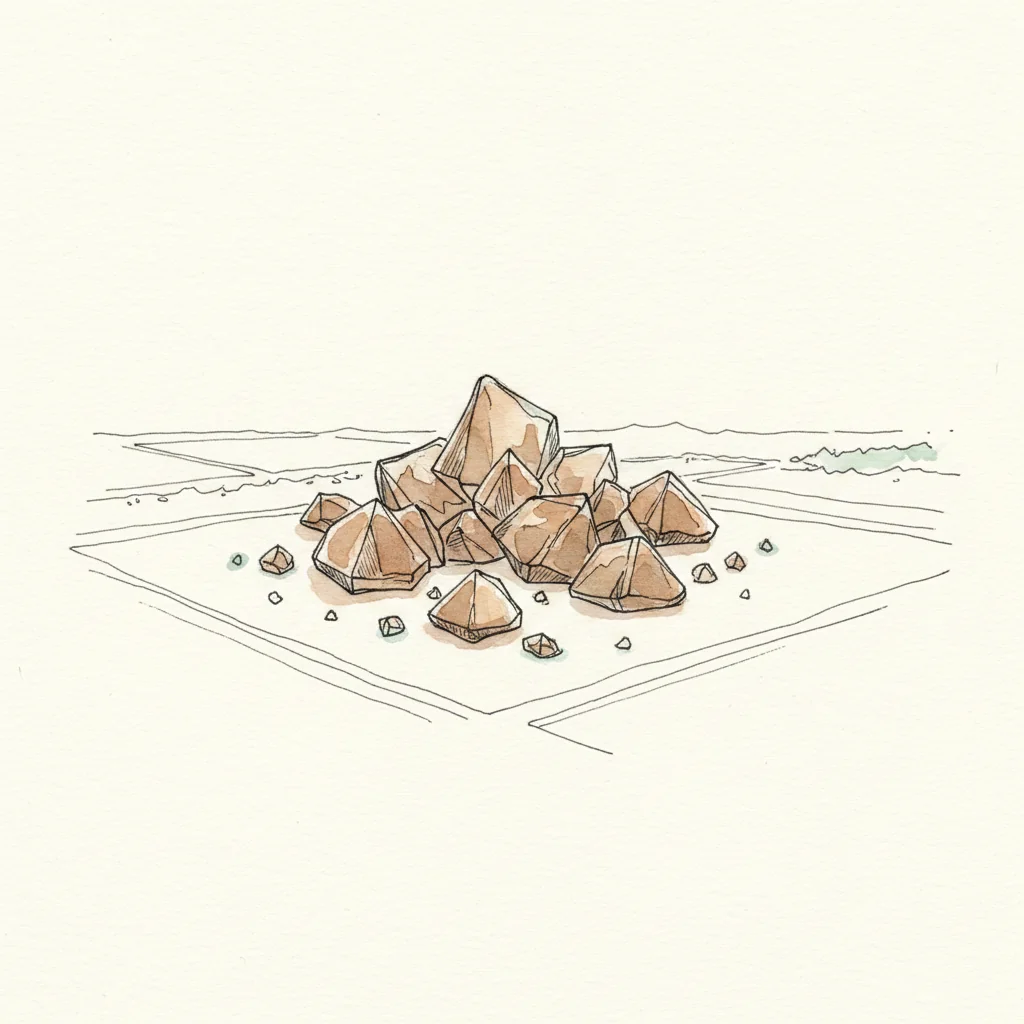
Salt · Smoked sea salt
Maldon Smoked Sea Salt
Maldon, Essex, Blackwater estuary, England
oak smoke · campfire · savory depth
Our verdict
Diamond Crystal to season and brine, smoked Maldon to finish with smoke at the very end.
At a glance
| Criterion | Diamond Crystal Kosher Salt | Maldon Smoked Sea Salt |
|---|---|---|
| Origin | United States, domestic salt, Alberger process | England, Maldon, Essex, oak cold-smoked |
| Role | Cooking, seasoning and brining salt | Smoked finishing flake |
| Intensity | 5/10 - clean neutral salinity | 8/10 - oak smoke, campfire, savory depth |
| Texture | Light hollow flakes that crush easily and dissolve fast | Pyramid flakes that shatter, carrying warm smoke on the finish |
| When to add | Cooking - seasoning, brines, dough, pasta water | Finishing - raw, off the heat, at the very end |
| Median price | ~$11.50 / 3 lb box | ~$9 / 4.4 oz box |
| Value | Pennies per use, hard to over-salt with. Buy a box and forget it. | Real cold-smoked depth, not chemical. Worth it once you read the label. |
When to choose Diamond Crystal Kosher Salt
Use Diamond Crystal for everything the heat touches. It's the cook's neutral workhorse: light, hollow Alberger flakes with a clean salinity, no additives, and a forgiving grain that holds less salt per pinch than dense kosher or table salt, which is why it's hard to over-salt with and why test kitchens reach for it by default. This is the salt for seasoning meat before a sear, salting pasta and vegetable water, building brines and dry-brines, salting dough, the constant by-feel seasoning that makes up most of cooking. You scatter it from a height, calibrate your hand to it, and it does the invisible work no diner ever notices but every good dish depends on. At about $11 for 3 lb it costs pennies per use, and a box lasts a long time. The key thing it is not is a flavor salt. Diamond Crystal brings no smoke, no provenance, no finishing character, by design. That neutrality is the feature when you're seasoning the pot, and the limitation when you want the salt itself to taste of something at the end. This is exactly where smoked Maldon takes over and Diamond Crystal steps back: you would never try to put smoke into a dish by cooking with Diamond Crystal, because it has none, and you'd never waste smoked Maldon on pasta water, because the smoke would burn off and the texture dissolve. The split is clean. Diamond Crystal is the salt you cook with; smoked Maldon is the smoke you add at the very end. They're not interchangeable in either direction. One warning on Diamond Crystal itself: don't swap it one-for-one with Morton kosher or table salt, which are denser, a teaspoon of Diamond Crystal carries noticeably less salt, so trust your fingers or season in stages and taste, rather than following a recipe written for a heavier grain. For a smoked dish, the right move uses both at their own moments: season the brisket or the potatoes with Diamond Crystal before they cook, get the salinity right while the food is raw, then, once everything is off the heat and plated, finish with a few flakes of smoked Maldon for the campfire note. Diamond Crystal builds the dish; smoked Maldon signs it.
When to choose Maldon Smoked Sea Salt
Reach for smoked Maldon only at the very end, off the heat, when you want a real campfire note on the finished plate. It's the plain Essex flake cold-smoked over oak for days, so it carries genuine smoke depth, not the harsh chemical edge of liquid-smoke seasonings, with the same hollow-pyramid shatter as ordinary Maldon and a warm, savory smoke that lingers after the salinity fades. Use it as a finisher on smoky, hearty plates: BBQ brisket and pulled pork, grilled and barbecued vegetables, fried or roast potatoes, deviled eggs, popcorn. A few flakes scattered over the food just before it's served give a crunch and a column of smoke you taste distinctly. The catch, and it's the whole reason it's a finishing salt, is that heat kills the smoke in about a minute. Put smoked Maldon in a rub before the meat goes on the smoker, or stir it into anything hot, and the aromatic compounds burn off before the bark even sets, you'd be paying for smoke that evaporates. So it does the opposite job from Diamond Crystal in every way: where Diamond Crystal is neutral, cheap and made to dissolve into the cooking, smoked Maldon is loud, special and made to sit on top of the finished dish. You don't season a brine with it (the smoke vanishes and you've wasted a $9 box on salinity a cheap salt would give), and you don't try to build a dish's seasoning around it (it's too intense and too costly for that). Use it like the worked example: pull the brisket or the pork, then hit it with a pinch of smoked Maldon right before it hits the plate, a few flakes per portion tossed through, not packed on. If the meat already carries heavy bark or real smoke, go light, you're accenting, not doubling. Taste one shred first, because smoke intensity varies and you can overshoot. At about $9 a box it's worth keeping once, but read the label and dodge anything that just says 'smoke flavoring' rather than genuinely smoked salt. The pairing with Diamond Crystal is the point: season the food with Diamond Crystal while it cooks, then finish it with smoked Maldon off the heat. One does the salting, the other does the smoke.
Where to buy?
Diamond Crystal Kosher Salt
Links checked on
| Merchant | Price | Action |
|---|---|---|
| Amazon US | — | Amazon US |
Prices may vary depending on current promotions on the merchant site.
Maldon Smoked Sea Salt
Links checked on
| Merchant | Price | Action |
|---|---|---|
| Amazon US | — | Amazon US |
| Sous Chef UK | — | Sous Chef UK |
Prices may vary depending on current promotions on the merchant site.
Frequently asked questions
- Can smoked Maldon replace my everyday salt?
- No. Smoked Maldon is a finishing salt and an intense, costly one, the smoke burns off in about a minute of heat and it's too pricey to cook with. Keep a neutral salt like Diamond Crystal for seasoning and brining, and use smoked Maldon only at the very end, off the heat, on smoky plates.
- Can I add smoke to a dish by cooking with smoked salt?
- Not really. Heat destroys the aromatic smoke compounds in about a minute, so cooking with smoked Maldon gives you salinity but no smoke, you've wasted it. Real smoke comes from the smoker over hours. Use smoked salt as a finisher: sprinkle it on the cooked, plated food off the heat, and you actually taste it.
- Which do I season my brisket with?
- Use Diamond Crystal to season and brine the brisket while it's raw, that's the salt for the cooking. Then, after it comes off the smoker and you've sliced it, finish with a pinch of smoked Maldon for the extra campfire note. Two salts, two moments: one cooks, one signs the plate.
- Is smoked Maldon worth it over plain smoked salt?
- If it's genuinely cold-smoked, yes, it carries real oak depth rather than the harsh edge of liquid-smoke seasoning. At about $9 a box it's worth keeping once. Read the label and avoid anything that just says smoke flavoring; the cheap stuff is mostly flavoring, not smoked salt.
The best pairings
With Diamond Crystal Kosher Salt
With Maldon Smoked Sea Salt
Comparison prepared according to our methodology. Sponsored purchase links — see our affiliations.