
Dish × condiment pairing
What salt and how much for pasta water?
Season : all-year · Occasion : weeknight, everyday, family
Plain kosher salt, and a lot of it: the water should taste like the sea, roughly a tablespoon per quart. Don't waste flaky finishing salt here, it just dissolves like any other. This is the one place the cheap salt wins, so save the Maldon for the plate.
In detail
For pasta water, use plain kosher salt and plenty of it: the water should taste like the sea, roughly a tablespoon per quart. This is the textbook case where the cheap salt wins. Once any salt is dissolved in boiling water it is chemically identical to every other, so paying for flaky or fleur-de-sel crystals here buys you texture you will never taste; their entire value is the crunch, which vanishes the moment they hit the pot. Salt the water generously because pasta seasons from the inside as it cooks, and under-salted pasta can't be fully rescued later by salting the sauce. Diamond Crystal kosher dissolves fast and is easy to judge by feel, but any coarse salt does the same job. Save the Maldon, Jacobsen, or fleur de sel for finishing the plated dish, where the crunch actually shows.
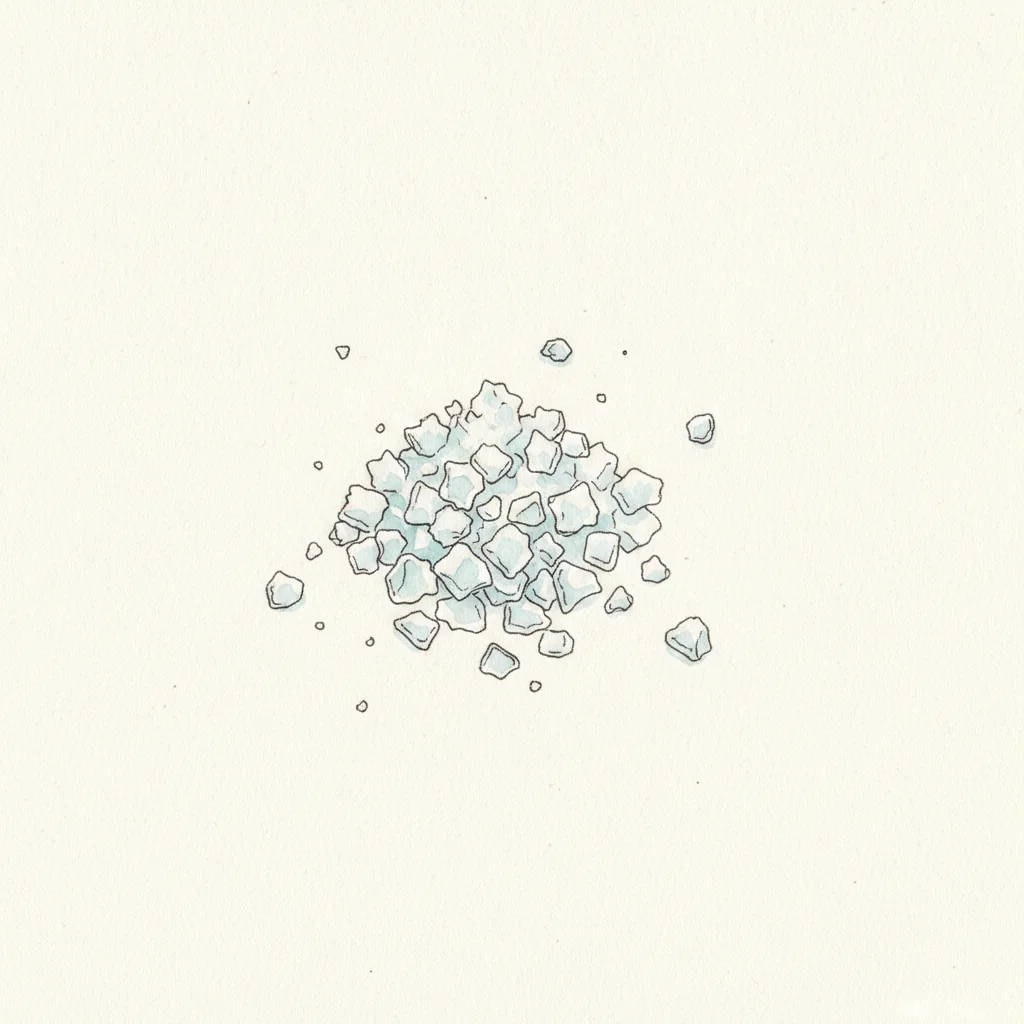
Our recommendation
Salt · Kosher salt
Diamond Crystal Kosher Salt
Domestic salt, Alberger process, United States
clean neutral salinity · no bitterness · no additives
Pasta water is the textbook case where the cheap salt wins: dissolved in boiling water, every salt is identical, so paying for flaky crystals is paying for texture you'll never see. Use plain kosher and use enough, around a tablespoon per quart, so the pasta seasons from the inside. Diamond Crystal's light grain dissolves fast and is easy to judge by feel.
Intensity 5/10
The catch
This is the one place the expensive salt is a waste. Dissolved in boiling water, Maldon, fleur de sel and bargain kosher are chemically the same, you've melted away the only thing you paid for, the crunch. So salt the water with the cheapest coarse salt you've got, and salt it hard: pasta seasons from the inside, and bland water can't be rescued by salting the sauce later.
Chef's note
Aim for water that genuinely tastes like the sea, roughly a tablespoon of kosher per quart, and add it once the water's at a rolling boil so it dissolves fast. Don't oil the water, it does nothing but coat the pasta and stop sauce gripping. Keep the Maldon by the stove for the bowl, not the pot; that's where a finishing salt earns its place.
Tasting note
plain clean salinity · seasons from within · no texture (by design) · about $11 for a 3 lb box of Diamond Crystal that lasts months. The cheap salt wins here; skip the upgrade.
These three sections appear on every one of our pairing pages — our methodology.
Alternatives to explore
-
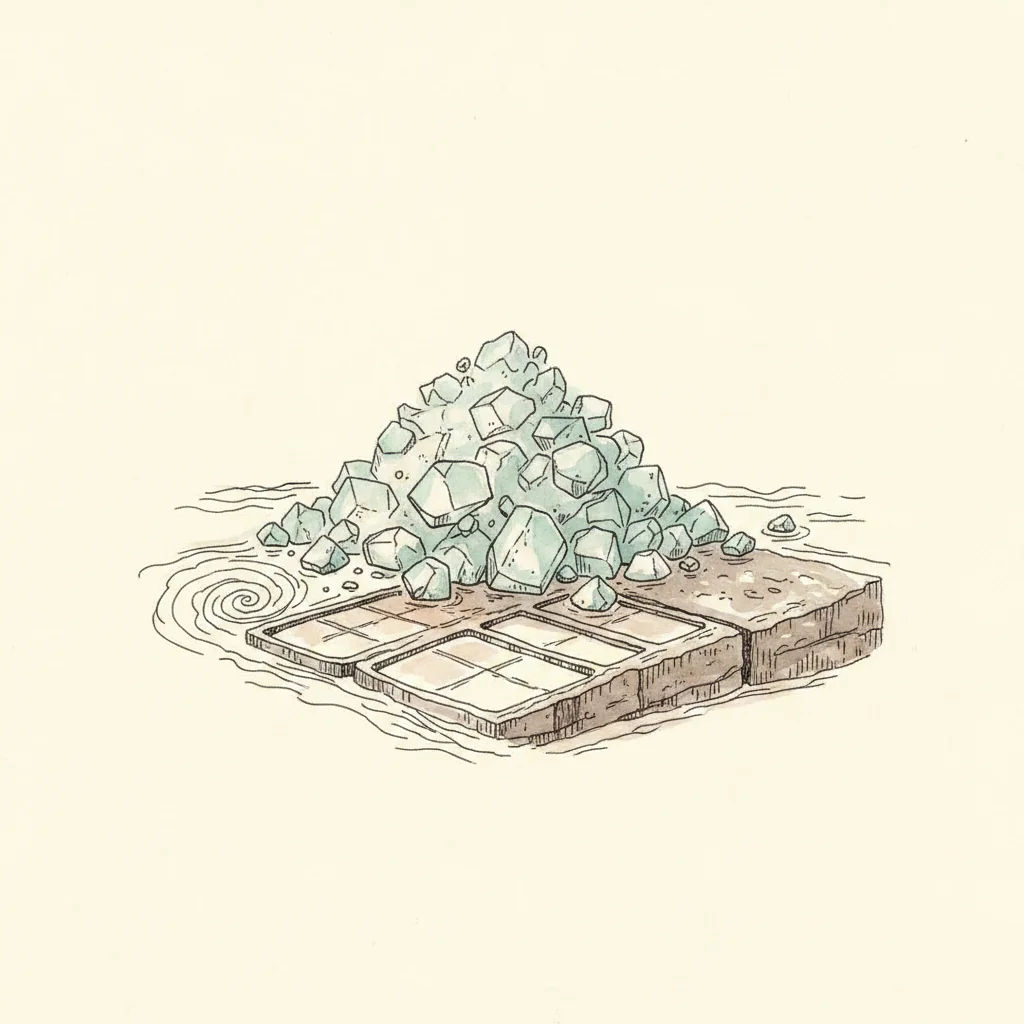
Salt · Flaky sea salt
Cornish Sea Salt
Lizard Peninsula, Cornwall, England
Intensity 5/10
Any coarse sea salt works equally; if you only have a UK sea salt to hand, use it. Once it's dissolved there is no difference, so reach for whatever's cheapest.
Complementary ingredients
- Maldon Sea Salt — Save it for finishing the plated pasta, never the water
Frequently asked questions
- How much salt do you put in pasta water?
- Enough that it tastes like the sea, roughly a tablespoon of kosher salt per quart of water. The pasta absorbs seasoning from the inside, and under-salted water can't be fixed later by salting the sauce.
- Should I use fancy salt in pasta water?
- No. Once dissolved, every salt is the same, so flaky or fleur-de-sel salt in the water is money wasted. Use plain kosher or any coarse salt and save the finishing salt for the plate.
- Does salt in the water change the boiling point?
- Not meaningfully at cooking amounts; the temperature change is tiny. You salt the water to season the pasta, not to make it boil hotter or faster.
This pairing was validated according to our methodology. Purchase links are marked sponsored and may earn a commission — details on our Affiliations page.