
Comparison
Fleur de sel vs Halen Mon: which to choose?
Fleur de sel is a moist crystal with a slow melt and a long iodine finish, about $11 for 125 g. Halen Mon is a soft, light flake with a clean rounded brine and a gentle crunch, about £6 a tub. For tomatoes and caramel, fleur de sel; for Welsh lamb and roasts, Halen Mon.
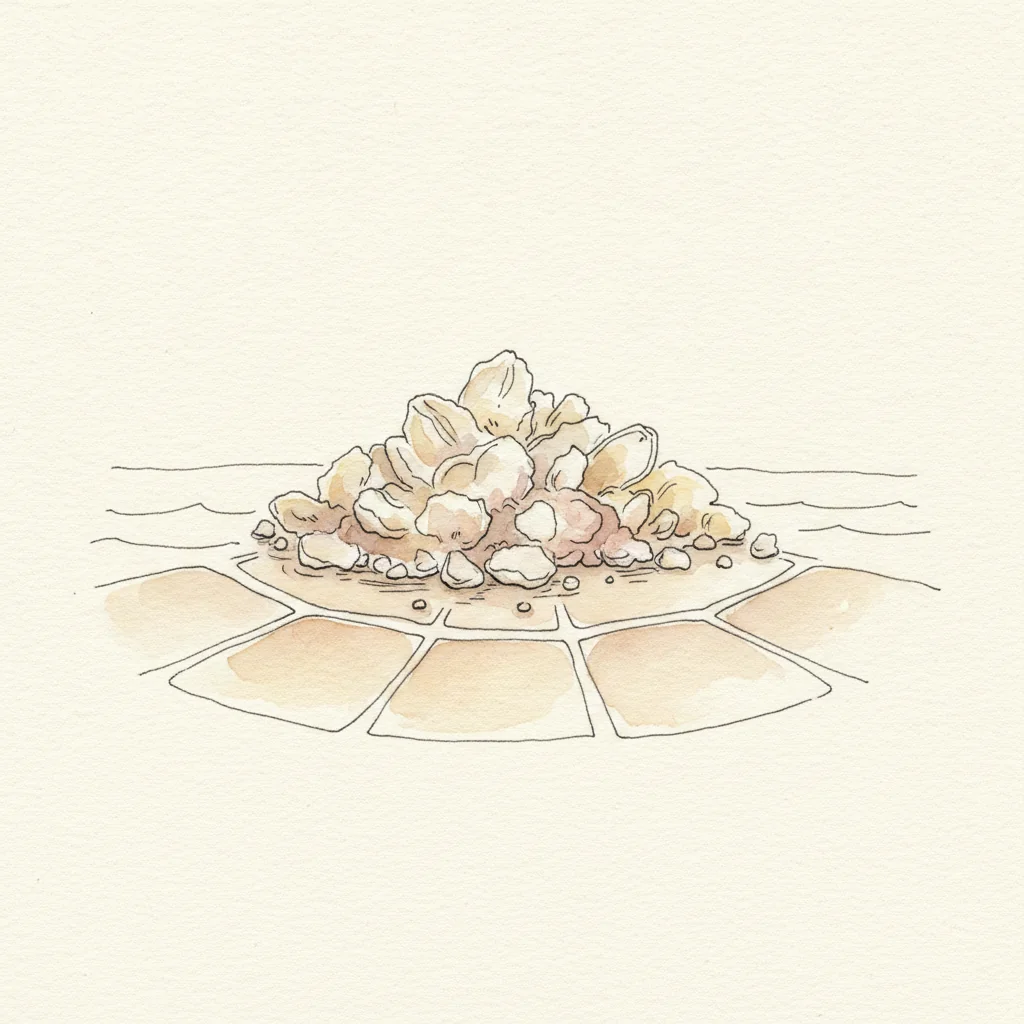
Salt · Fleur de sel
Fleur de Sel de Guérande
Guérande peninsula, Loire-Atlantique, France (PGI)
round salinity · light iodine · fresh violet
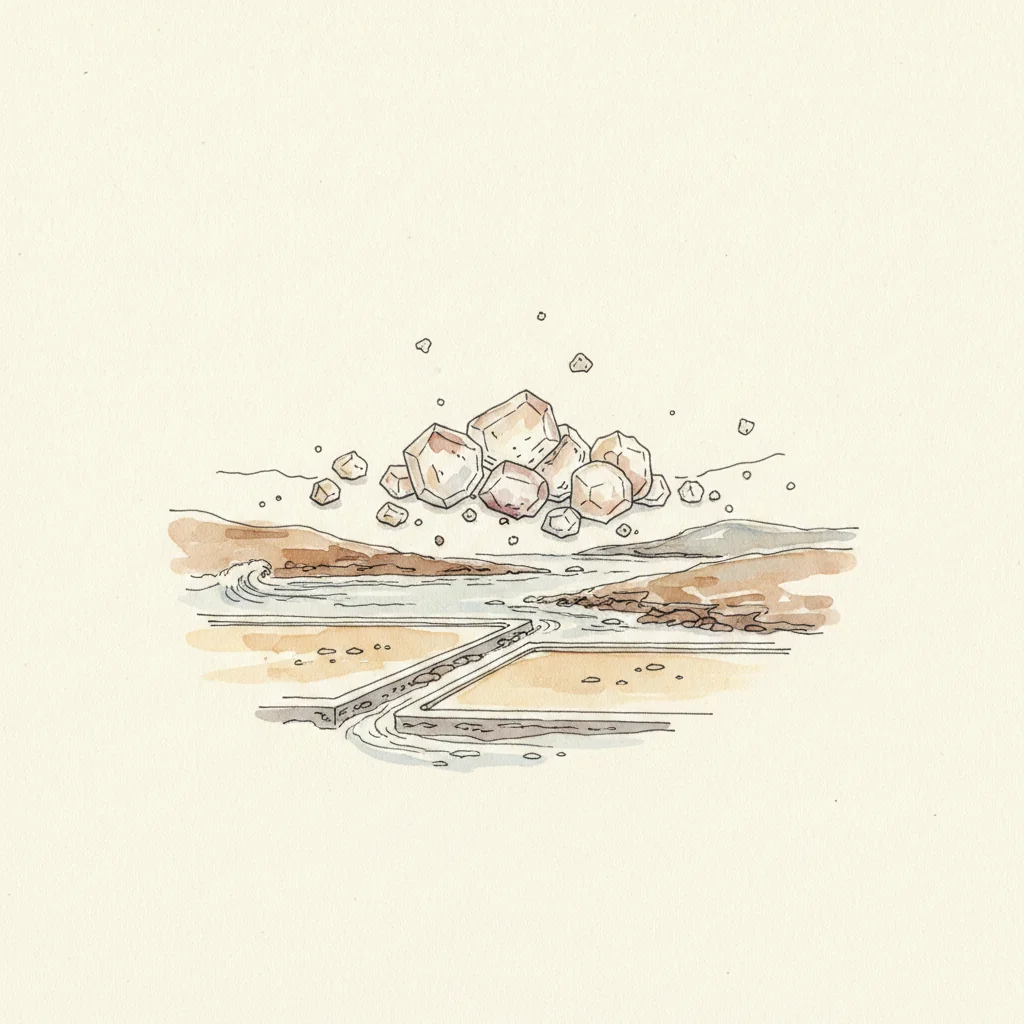
Salt · Flaky sea salt
Halen Môn Sea Salt
Anglesey, Menai Strait, Wales (PDO)
clean brine · soft mineral · gentle sweetness
Our verdict
Fleur de sel for a slow melt and long finish, Halen Mon for a soft crunch at half the price.
At a glance
| Criterion | Fleur de Sel de Guérande | Halen Môn Sea Salt |
|---|---|---|
| Origin | France, Guerande peninsula, Loire-Atlantique | Wales, Anglesey, Menai Strait |
| Status | PGI, hand-skimmed by paludiers | PDO-protected since 2014 |
| Intensity | 6/10 - round salinity, faint violet | 6/10 - clean rounded brine, gentle sweetness |
| Texture | Fine moist crystals that crunch softly and melt slow | Light crisp flakes, gentle crunch then soft melt |
| Best use | Ripe tomatoes, dark chocolate, salted caramel, soft eggs, tartare | Welsh lamb, roast potatoes, bread and butter, seared fish |
| Median price | ~$11 / 125 g box | ~£6 / 100 g tub |
| Value | A splurge, worth it for the slow melt and iodine finish. | PDO provenance for the price of a sandwich. Worth it. |
When to choose Fleur de Sel de Guérande
Reach for fleur de sel when you want a moist crystal that melts slowly and finishes long. Hand-skimmed by paludiers from the top of the Guerande salt pans and PGI-protected, fleur de sel forms fine, faintly damp crystals that behave differently from Halen Mon's light, dry Welsh flakes. Where the Anglesey salt gives a gentle crunch then melts quickly into a clean brine, fleur de sel's moist crystal holds its shape longer, crunches softly, and dissolves slowly, leaving a round salinity and a delicate iodine-and-violet note that lingers after the bite. That slow melt and long finish are the reason to choose it, and they show best on wet and rich plates: a ripe tomato sliced thick and oiled, a soft-boiled egg, beef tartare, a square of dark chocolate, a spoon of salted-butter caramel. On a juicy tomato in particular, the damp crystal stays distinct where a lighter, drier flake can drink the surface water and slump. Fleur de sel is the more sophisticated finisher when the dish is raw and you want the salt to keep speaking, its iodine tail is a flavor Halen Mon's cleaner, simpler brine doesn't reach for. Where it doesn't win is price and gentle, even crunch on a roast. At about $11 for 125 g it's a clear splurge, roughly double the price of a Halen Mon tub for less weight, so you reserve it for plates where its melt and finish actually register, not for generous everyday salting. And on a Sunday roast or a tray of potatoes, where you want a light, even flake melting into a crust, Halen Mon's soft dry flake distributes more evenly than fleur de sel's moist crystals, which can clump. Like any finishing salt, fleur de sel is wasted in the pot: heat dissolves it and cooks off the iodine note, so keep it raw and late, a pinch crushed between the fingers just before serving. Keep it dry in a stoneware crock and it lasts for years. The split with Halen Mon is texture, finish and budget: slow melt and a long iodine finish on raw, wet, rich plates, reach for fleur de sel; a soft, light, even flake on roasts and everyday plates at half the price, reach for Halen Mon. Many cooks keep both, the French crock for the melt and the Welsh tub for the crunch.
When to choose Halen Môn Sea Salt
Choose Halen Mon when you want a soft, light flake with certified provenance, at a price you can use freely. This Anglesey sea salt is hand-harvested from the Menai Strait off the north Welsh coast and PDO-protected since 2014, so the origin on the tub is legally guaranteed, a sourcing fact the neutral lifestyle blogs never print. The flakes are lighter and drier than fleur de sel's moist crystals: they give a gentle crunch and then melt soft and round, with a clean brine, a faint natural sweetness and no bitterness. That dry, even flake is exactly what you want on roasted and everyday plates, where a moist crystal would clump and a heavy crunch would feel out of place. On Welsh lamb or a Sunday roast, pinch Halen Mon over the fat side and it dissolves evenly into the crust; on roast potatoes pulled crisp from the oven, on fresh bread and good butter, on seared fish or a dressed salad, the soft flake adds a clean brine and a light crunch that flatters without dominating. On value it's hard to beat: about £6 for a 100 g tub, roughly half the price of fleur de sel for more weight, so you can be generous on everyday food. The rule against fleur de sel is finish and texture. If you want a slow melt and a long, iodized finish on a raw, wet, rich plate, a tomato, tartare, dark chocolate, caramel, fleur de sel's moist crystal does it better, holding its shape on a juicy surface and leaving a lingering mineral tail. If you want a light, even, dry flake that melts cleanly into a roast and a brine that's simple and bright rather than iodized, Halen Mon is the call, and it costs less. The two are close in intensity but different in character: fleur de sel is the long-finishing French finisher, Halen Mon the clean, soft, certified Welsh one. Use Halen Mon like any flaky salt, as a finisher, raw, at the very end, never in the pot, where the flake dissolves and a cheap coarse salt does the same work. Salt a roast joint fifteen minutes before it goes in rather than the night before, then finish each carved slice at the table for the crunch. For an affordable, soft, PDO-backed everyday finishing salt, Halen Mon wins on price and even flake; keep fleur de sel for the slow-melt plates that earn the splurge.
Where to buy?
Fleur de Sel de Guérande
Links checked on
| Merchant | Price | Action |
|---|---|---|
| Amazon US | — | Amazon US |
Prices may vary depending on current promotions on the merchant site.
Halen Môn Sea Salt
Links checked on
| Merchant | Price | Action |
|---|---|---|
| Amazon US | — | Amazon US |
| Sous Chef UK | — | Sous Chef UK |
Prices may vary depending on current promotions on the merchant site.
Frequently asked questions
- Which is the better everyday finishing salt?
- Halen Mon, on price and texture. At about £6 a tub against roughly $11 for 125 g of fleur de sel, it's cheaper and gives a soft, even, dry flake that suits roasts and everyday plates. Keep fleur de sel as the splurge for raw, wet, rich plates where its slow melt and long iodine finish earn the cost.
- What's the real difference in texture?
- Fleur de sel is a moist crystal that crunches softly and melts slowly, holding its shape on wet surfaces. Halen Mon is a lighter, drier flake that gives a gentle crunch then melts fast and clean. The moist crystal lingers and finishes long; the dry flake distributes evenly and disappears into a roast's crust.
- Which finishes a tomato better?
- Fleur de sel. Its moist crystals stay distinct on a juicy surface and leave a long iodine finish, where Halen Mon's lighter flake can drink the surface water and fade. For ripe tomatoes, tartare and caramel, reach for fleur de sel; for roasts, potatoes and bread, Halen Mon's even flake is the better fit.
- Can I cook with either?
- No. Both are finishing salts, added raw at the very end. Heat dissolves the texture and cooks off fleur de sel's iodine note, so a braise or boiling water gets nothing a cheap coarse salt couldn't give. Season the pot with kosher or sel gris and save these flakes for the plate.
The best pairings
With Fleur de Sel de Guérande
With Halen Môn Sea Salt
Comparison prepared according to our methodology. Sponsored purchase links — see our affiliations.