
Dish × condiment pairing
What salt is best on fresh tomatoes?
Season : summer · Occasion : everyday, side, salad
Fleur de sel de Guérande, scattered on the cut tomatoes a couple of minutes before eating. Its round, slow-melting crystals draw out a little juice and season without going harsh. Salt too far ahead and the slices go watery; flaky Maldon is the sharper-crunch alternative.
In detail
The best salt for fresh ripe tomatoes is fleur de sel de Guérande, scattered on the cut slices a couple of minutes before eating with good olive oil. Its round, slow-melting salinity and faint violet note season and lift the tomato without going harsh, and a few crystals stay intact as a gentle crunch. Timing is part of the technique: a little salt draws out juice and concentrates the flavor, but salt the tomatoes too far ahead and they weep and turn watery, so this is a last-minute finish, not a prep step. On a peak-season tomato the salt is most of the seasoning, which is why the clean salinity and texture of a finishing salt are worth it here, whereas a pale winter tomato is fine with ordinary salt. Fleur de sel runs about $11 for 125 g; Maldon is the sharper-crunch, cheaper alternative.
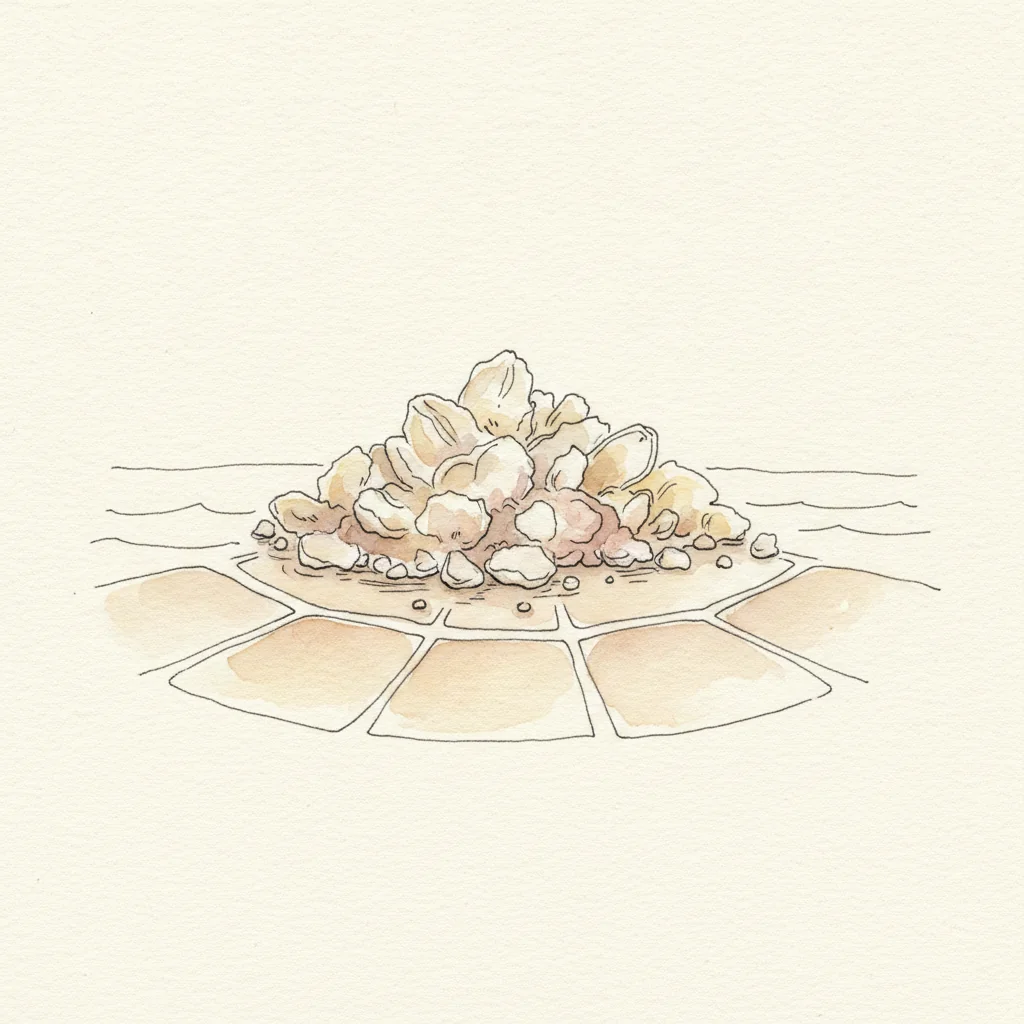
Our recommendation
Salt · Fleur de sel
Fleur de Sel de Guérande
Guérande peninsula, Loire-Atlantique, France (PGI)
round salinity · light iodine · fresh violet
Ripe tomatoes want a salt that seasons and lifts without dominating, and fleur de sel's round salinity and faint violet note do exactly that, melting slowly so a few crystals stay as gentle crunch. Scatter it a couple of minutes before serving with good olive oil. Salt earlier and the tomatoes weep and turn watery; this is a last-minute finish, about $11 for 125 g.
Intensity 6/10
The catch
Don't salt the tomatoes when you slice them and let them sit, they'll weep into a watery puddle and you'll have seasoned the plate, not the fruit. A little salt does concentrate a tomato, but the window is minutes, not half an hour. Salt at the table, right before the fork. And on a pale winter tomato, skip the fancy salt entirely; there's nothing there for it to lift.
Chef's note
Slice the tomatoes, dress with good olive oil, and scatter fleur de sel only a couple of minutes before eating. Use the crystals whole, not crushed, so a few hold their crunch against the soft flesh. Pick fleur de sel over a big flake here: its round, slow melt seasons without the saline slap a sharp pyramid gives a delicate summer tomato.
Tasting note
round salinity · slow melt · faint violet · about $11 for 125 g. A splurge, but on a peak-season tomato the salt is half the dish; worth it in summer.
These three sections appear on every one of our pairing pages — our methodology.
Alternatives to explore
-
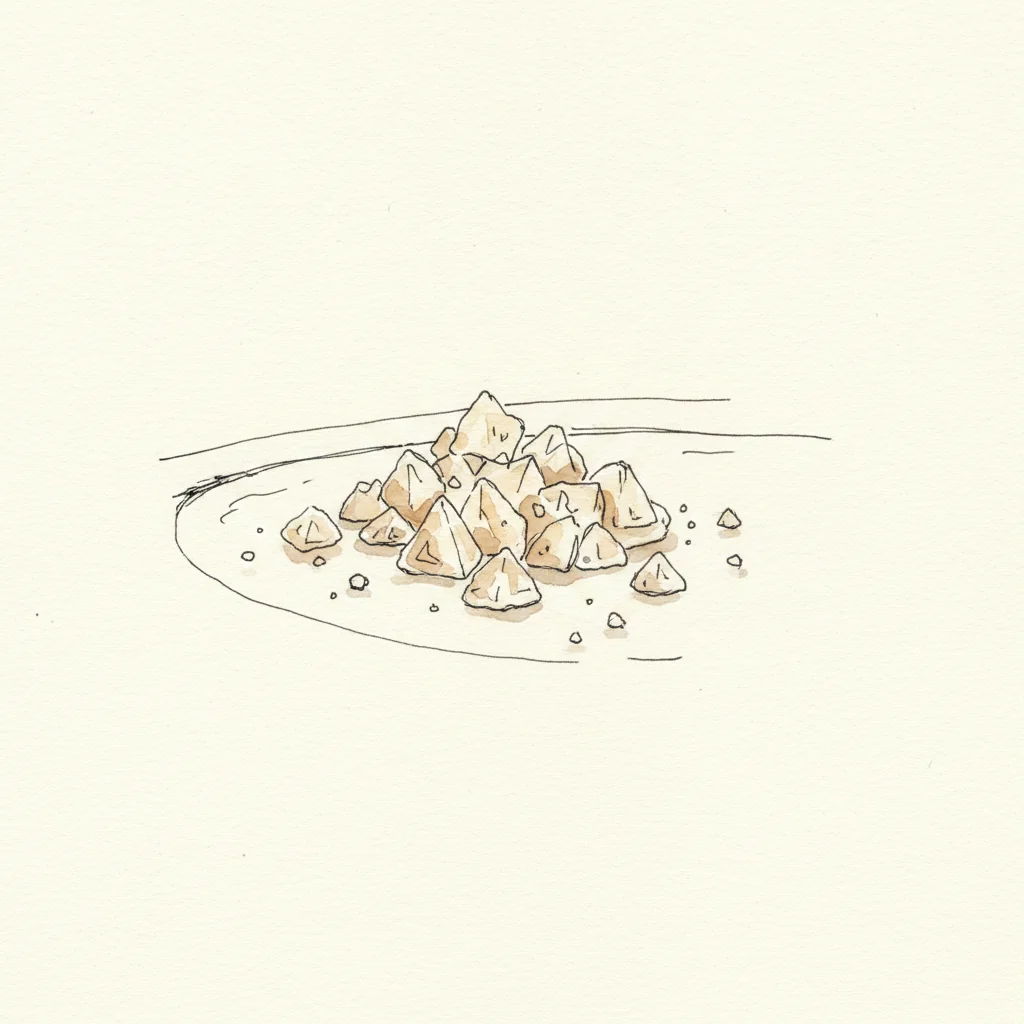
Salt · Flaky sea salt
Maldon Sea Salt
Maldon, Essex, Blackwater estuary, England
Intensity 6/10
Maldon gives a bigger, brighter crunch on tomato slices and costs less. Use it when you want the salt to read as a distinct crackle rather than a soft melt.
-
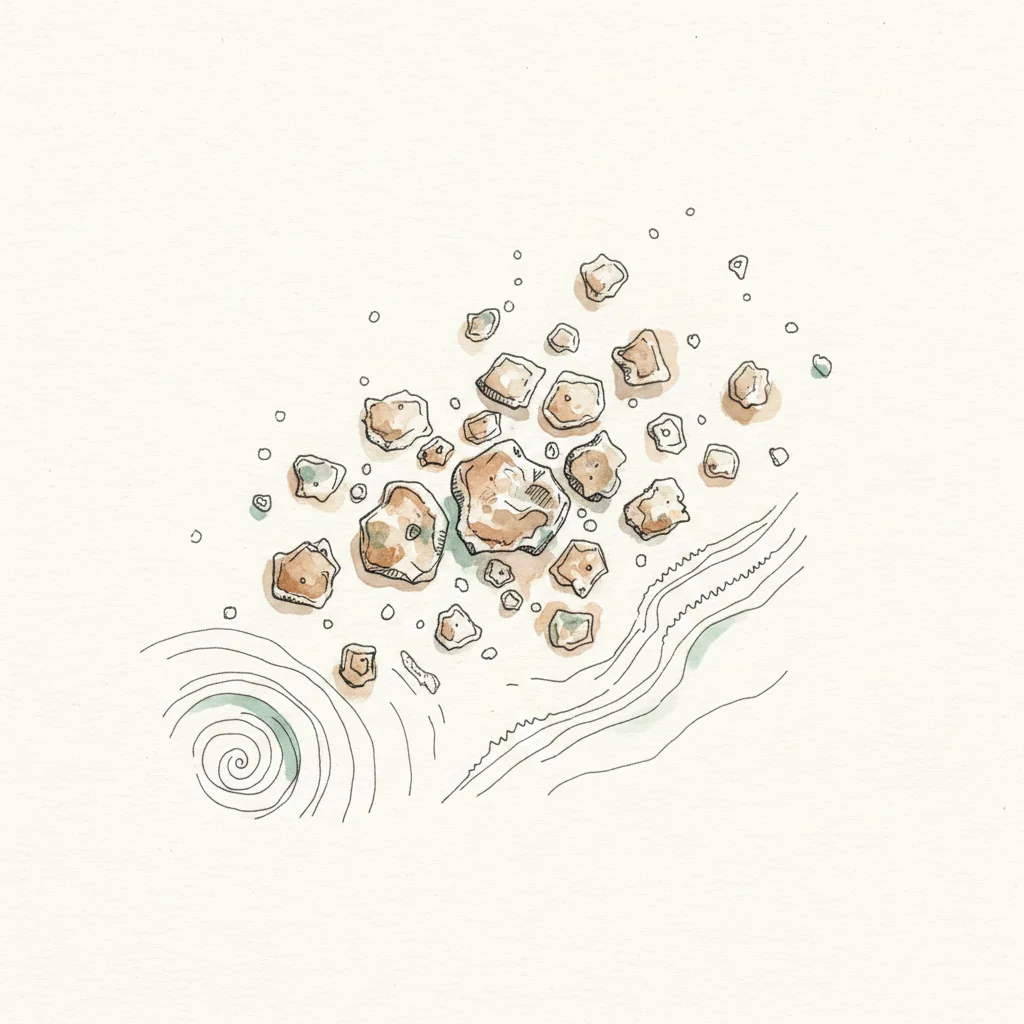
Salt · Flaky sea salt
Jacobsen Pure Flake Salt
Netarts Bay, Oregon coast, United States
Intensity 6/10
Jacobsen's bright Pacific brine suits tomatoes well and the thin flake melts cleanly. The US-made option for a summer tomato plate.
Frequently asked questions
- When should you salt fresh tomatoes?
- A couple of minutes before eating, not long ahead. A little salt draws out juice and concentrates flavor, but salt too early and the slices weep and go watery. Finish them just before serving.
- Why fleur de sel on tomatoes?
- Its round, slow-melting salinity seasons without turning harsh, and the crystals hold a gentle crunch. It lifts a ripe tomato rather than dominating it, which is what a good summer tomato needs.
- Is a finishing salt really worth it for tomatoes?
- On a peak-season tomato with good olive oil, yes; the salt is most of the seasoning, so the crunch and clean salinity matter. On a pale winter tomato, ordinary salt is fine.
This pairing was validated according to our methodology. Purchase links are marked sponsored and may earn a commission — details on our Affiliations page.