
Comparison
Himalayan pink salt vs kala namak: what's the difference?
Barely comparable. Pink Himalayan is a near-neutral rock salt, about $5 to $6 a pound, a salt-block and crunch salt. Kala namak is a flavor ingredient, around $7 to $9 a jar, with a vivid hard-boiled-egg sulfur note that makes vegan scrambles convincing. For seasoning, pink. For the egg-flavor trick, kala namak. They do not substitute.
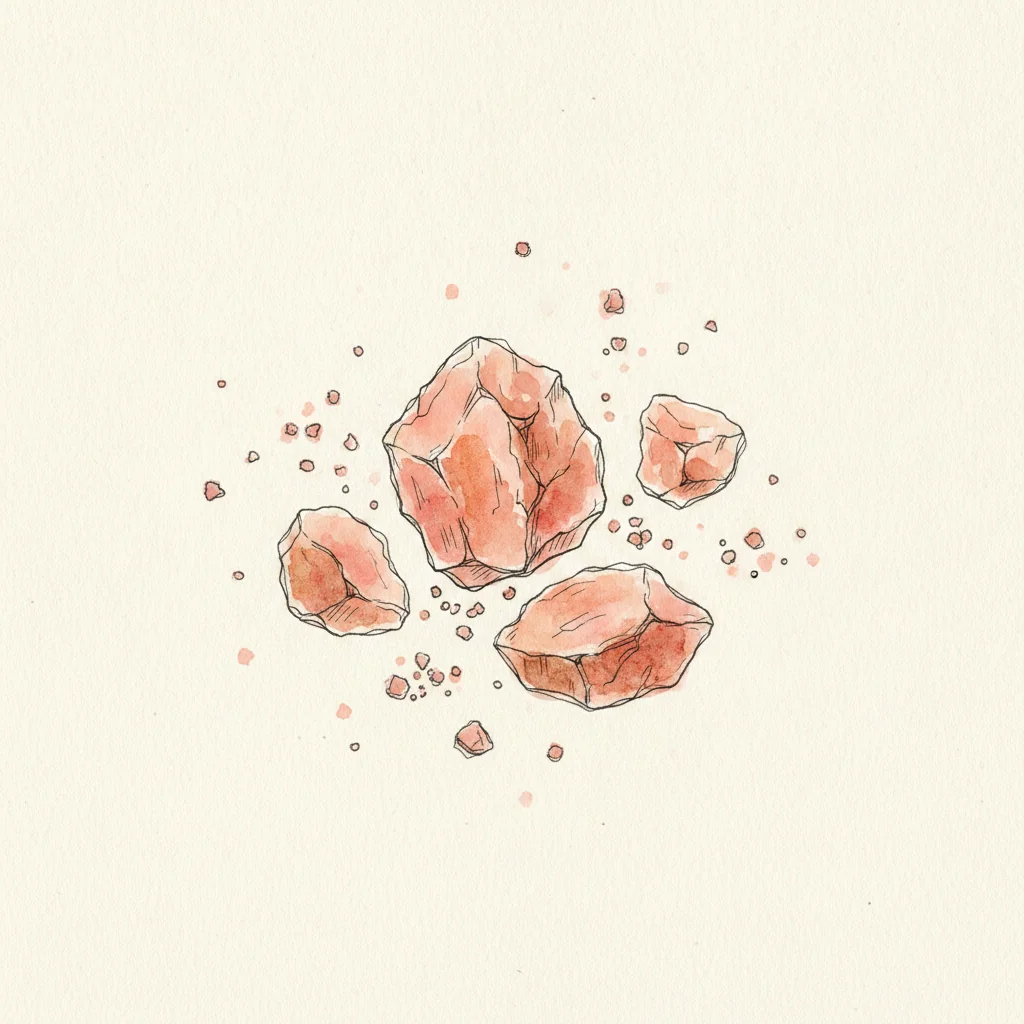
Salt · Rock salt
Himalayan Pink Salt
Khewra Salt Mine, Salt Range, Punjab province, Pakistan
round salinity · warm mineral · faint trace-element edge
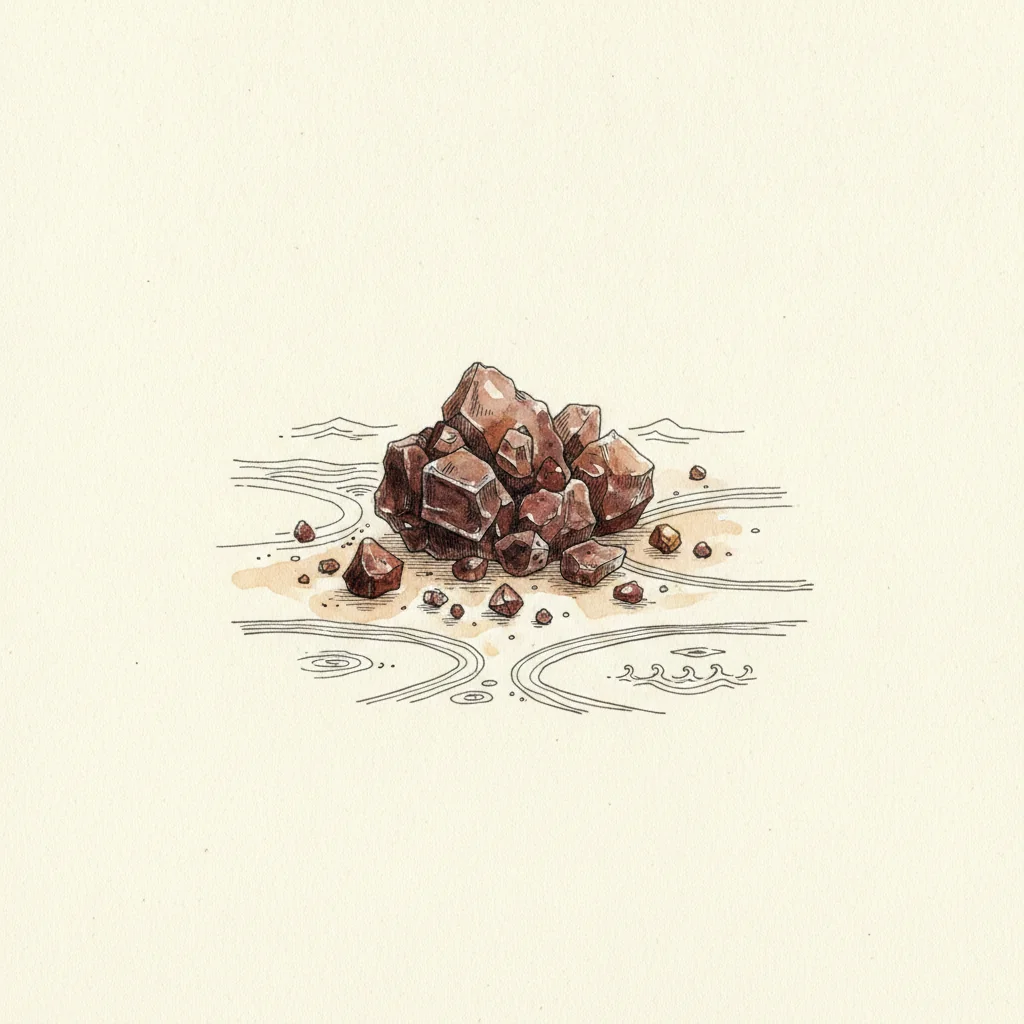
Salt · Rock salt
Kala Namak (Black Salt)
Sindh region and North India, India
hard-boiled egg · volcanic sulfur · savory umami
Our verdict
Pink for plain seasoning and the salt block; kala namak for its egg-sulfur flavor.
At a glance
| Criterion | Himalayan Pink Salt | Kala Namak (Black Salt) |
|---|---|---|
| Origin | Khewra Salt Mine, Punjab, Pakistan | Sindh region and North India, kiln-fired |
| What it actually is | Fossil rock salt, iron-oxide color, near-neutral | Rock salt kiln-fired with charcoal and botanicals, sulfur-rich |
| Profile | Round salinity, warm mineral, faint metallic edge | Hard-boiled egg, volcanic sulfur, savory umami, smoky mineral |
| Intensity | 6/10 — flavor-neutral | 8/10 — the sulfur dominates |
| Color | Pink (iron oxide) | Dark red-brown despite the name 'black salt' |
| Best use | Salt-block searing, tomato salad, a margarita rim, plain seasoning | Chaat, tofu scramble (vegan eggs), vegan mayo, raita, hummus |
| Price | ~$5 to $6 a pound | ~$7 to $9 for a 4 oz jar |
| Value verdict | Cheap, a general-purpose mineral salt, skip the hype | Cheap and lasts forever; indispensable for vegan egg flavor |
When to choose Himalayan Pink Salt
Reach for pink Himalayan salt when you want a near-neutral salt with a bit of color and, occasionally, a salt block to cook on. From the Khewra mine in Pakistan, its pink comes from iron oxide and its salinity is round and warm with a faint metallic finish, which means it seasons without adding any real flavor of its own. That neutrality is exactly why it cannot stand in for kala namak: there is no sulfur, no egg note, none of the savory funk that makes black salt useful. Where pink earns its place is the heated salt block, letting you sear a steak or lay carpaccio on the stone, or crushed coarse on a tomato salad, hard-boiled eggs, fresh cheeses or a margarita rim where the color reads. It is not a flaky finishing salt and gives no shattering crunch, and there is no reason to scatter it into a braise where any salt does the same work. As for the 84-trace-minerals wellness story, the amounts are nutritionally meaningless. At about $5 to $6 a pound it is one of the cheapest specialty salts going and keeps indefinitely as a fossil salt. If your dish just needs salting, with maybe a little color, the pink is fine. The instant you want the taste of egg or the savory sulfur backbone of chaat, you need kala namak instead, and no amount of pink salt will get you there.
When to choose Kala Namak (Black Salt)
Reach for kala namak when you want the one thing it does that nothing else can: a vivid hard-boiled-egg flavor from salt. Despite the name 'black salt,' the crystals are a dark red-brown, and what makes it singular is the smell, a sulfurous, eggy note created by kiln-firing the rock salt with charcoal and botanicals in the Sindh tradition. That sulfur, backed by a surprising umami roundness, is the backbone of Indian chaat and fruit chaat, and the secret behind every convincing tofu scramble, vegan mayo, chickpea omelet or vegan 'egg' dish. It also lifts yogurt raita, green mango and cucumber, and hummus. Use a small pinch per portion, raw or off the heat at the very end, because the sulfur compounds cook off over long heat and a heavy hand turns savory into something closer to rotten. Skip it on dishes that already contain egg, where it doubles up, and on very sweet preparations. Against the pink Himalayan, this is not a question of which is the better all-purpose salt; kala namak is a flavor ingredient first and a seasoning second, where the pink is the reverse. A 4 oz jar runs about $7 to $9 and keeps roughly 18 months, longer if you store whole crystals rather than powder to protect the aroma. If you cook plant-based at all, or you love chaat, this jar is close to indispensable and the pink salt cannot replace it.
Where to buy?
Himalayan Pink Salt
Links checked on
| Merchant | Price | Action |
|---|---|---|
| Amazon US | — | Amazon US |
| Spicewalla | — | Spicewalla |
| Sous Chef UK | — | Sous Chef UK |
Prices may vary depending on current promotions on the merchant site.
Kala Namak (Black Salt)
Links checked on
| Merchant | Price | Action |
|---|---|---|
| Amazon US | — | Amazon US |
| Burlap & Barrel | — | Burlap & Barrel |
| Sous Chef UK | — | Sous Chef UK |
Prices may vary depending on current promotions on the merchant site.
Frequently asked questions
- Is kala namak just colored Himalayan salt?
- No. Kala namak is rock salt kiln-fired with charcoal and botanicals, which gives it sulfur compounds and a hard-boiled-egg aroma. Pink Himalayan is plain fossil salt colored by iron oxide with no sulfur. They taste and behave completely differently.
- Can I swap one for the other?
- Not for flavor. Pink salt is near-neutral and seasons without adding character, while kala namak exists for its egg-sulfur note. You can use pink anywhere you just need salt, but nothing replaces kala namak when you want the egg flavor.
- Why is kala namak called black salt if it's red-brown?
- The name is traditional. Whole, the crystals look dark red-brown to purplish; ground, the powder is pinkish-grey. The 'black' refers to the dark appearance of the unground lumps, not a true black color like Hawaiian lava salt.
- Which is better for vegan cooking?
- Kala namak, without question. Its hard-boiled-egg sulfur note is what makes tofu scrambles, vegan mayo and chickpea omelets taste like egg. Pink Himalayan does nothing of the sort; it just adds salinity. A pinch of kala namak off the heat is the move.
The best pairings
With Himalayan Pink Salt
With Kala Namak (Black Salt)
Comparison prepared according to our methodology. Sponsored purchase links — see our affiliations.