
Comparison
Himalayan pink salt vs Hawaiian red Alaea salt: which to choose?
They look similar and act differently. Pink Himalayan is a cheap fossil rock salt, about $5 to $6 a pound, best as a salt block or warm crunch. Red Alaea is Pacific sea salt finished with volcanic clay, around $10 for 100 g, with a genuine earthy-mineral edge for poke and kalua pork. Everyday, pink. A real finishing salt with character, Alaea.
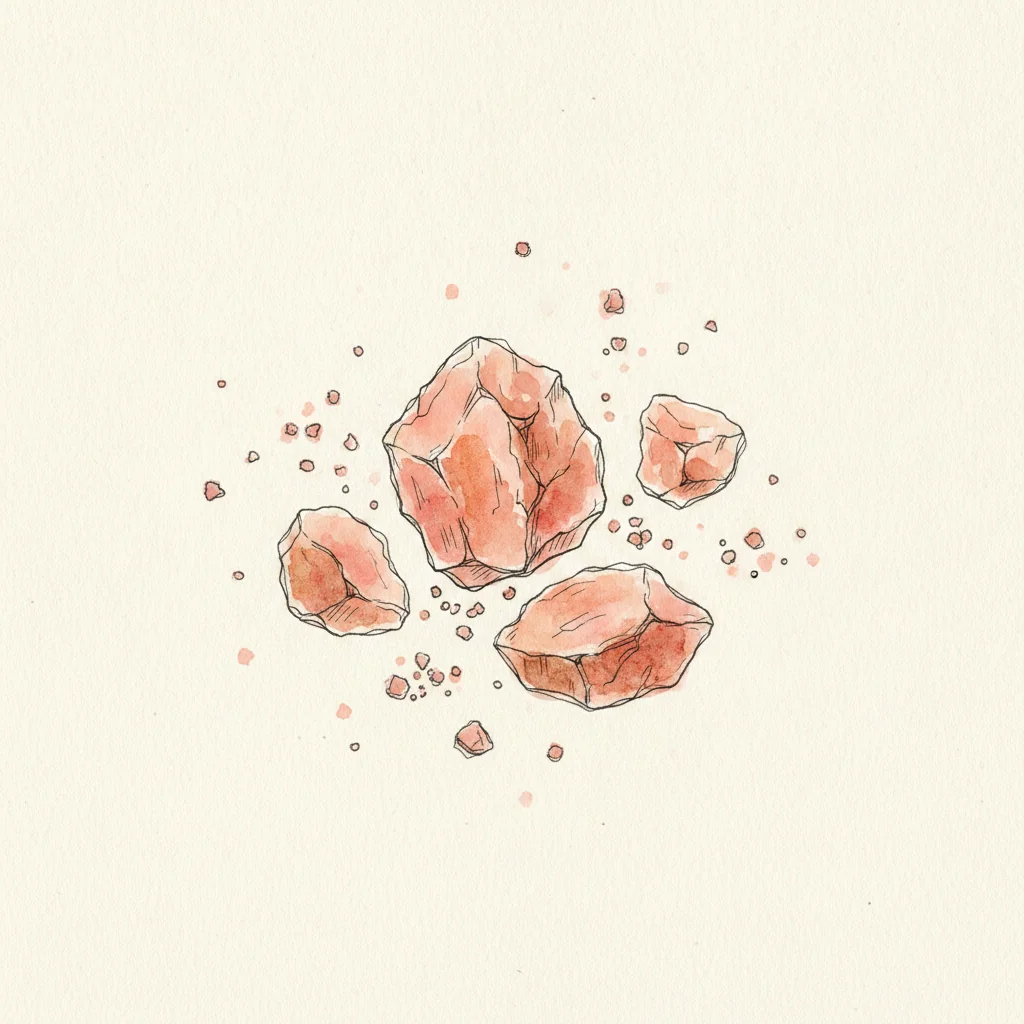
Salt · Rock salt
Himalayan Pink Salt
Khewra Salt Mine, Salt Range, Punjab province, Pakistan
round salinity · warm mineral · faint trace-element edge
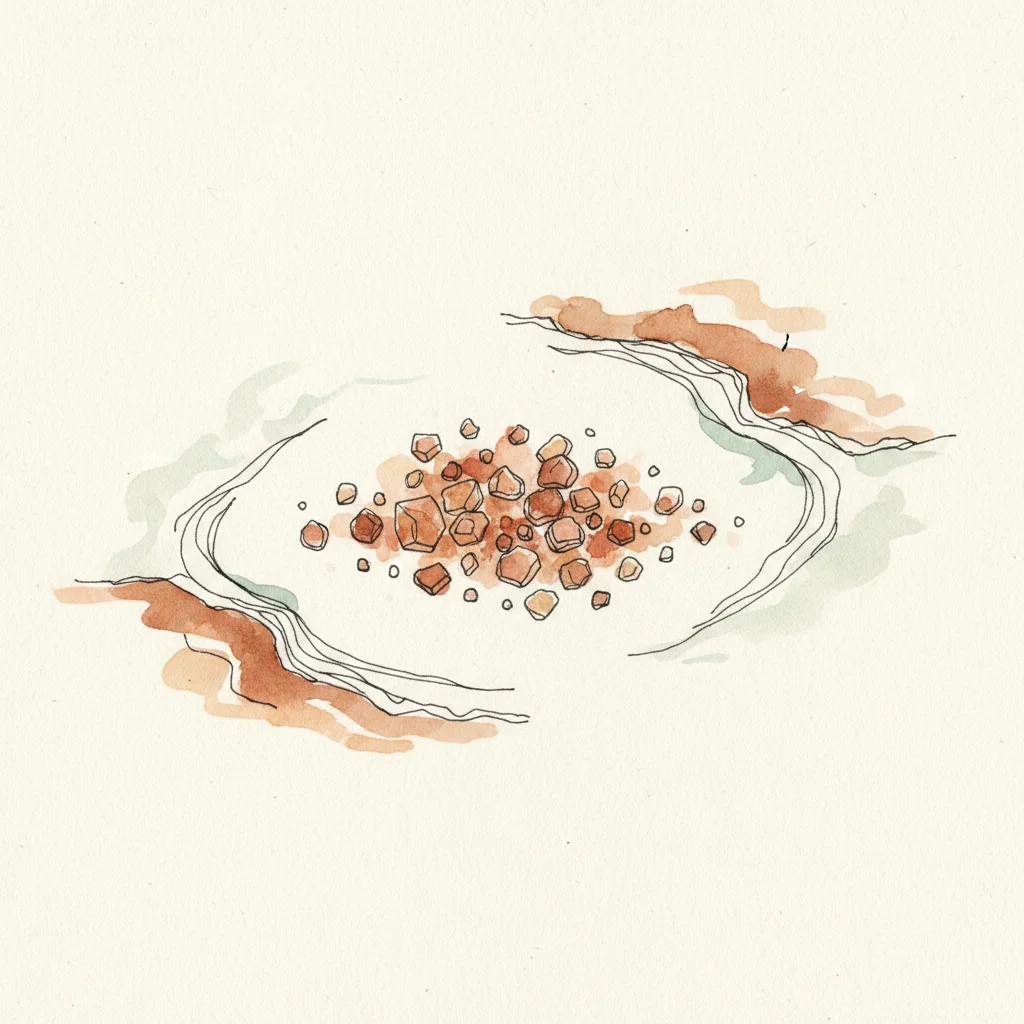
Salt · Seasoned salt
Hawaiian Red Alaea Salt
Hawaiian Islands, island of Kauai, United States
soft, round saltiness · iron-mineral edge · red-earth note
Our verdict
Pink for cheap everyday crunch; Alaea for finishing with real earthy character.
At a glance
| Criterion | Himalayan Pink Salt | Hawaiian Red Alaea Salt |
|---|---|---|
| Origin | Khewra Salt Mine, Punjab, Pakistan | Kauai, Hawaii (Pacific sea salt) cut with iron-rich alaea volcanic clay |
| What it actually is | Fossil rock salt, color is iron oxide, a commodity | Sea salt blended with red volcanic clay during crystallization |
| Profile | Round salinity, warm mineral, faint metallic edge | Soft round saltiness, iron-mineral edge, red-earth note, toasted nut |
| Intensity | 6/10 | 6/10 |
| Texture | Hard, slow-dissolving crystals, no real crunch | Orange-copper crystals that crunch, then melt to an earthy mineral finish |
| Best use | Salt-block searing, carpaccio, tomato salad, a margarita rim | Ahi poke, kalua pork, grilled pineapple, seared salmon, a red cocktail rim |
| Price | ~$5 to $6 a pound (2 lb bag ~$8 to $14) | ~$8 to $12 for a 4 oz (113 g) jar |
| Value verdict | Cheap, buy it for the salt block, skip the mineral hype | Worth it as a characterful finishing salt with real provenance |
When to choose Himalayan Pink Salt
Reach for pink Himalayan salt as the cheap, good-looking rock salt it is. Mined at Khewra in Pakistan, its pink color is fossilized iron oxide and nothing more, and the salinity is round and warm with a faint metallic finish. Its standout use is the salt block: heat a solid slab and you can sear a steak or lay out carpaccio directly on the stone, seasoning as it cooks, which is something no clay-cut sea salt can do. Crushed coarse it works on a tomato salad, hard-boiled eggs, fresh cheeses or a margarita rim where the pink is part of the presentation. It is not a flaky finishing salt, so do not expect a shattering crunch, and there is no point scattering it into a braise where any salt performs the same. The 84-trace-minerals wellness claim is marketing; the quantities are nutritionally trivial. At about $5 to $6 a pound, with a 2 lb bag around $8 to $14, it is one of the cheapest specialty salts going and keeps indefinitely as a fossil salt. Where the Alaea brings a genuine earthy character to the finish, the pink brings color and a salt block. Choose it when you want an inexpensive workhorse with a bit of color, or specifically when you want to cook on the stone. For everything that needs character on the plate, the Hawaiian is the better tool.
When to choose Hawaiian Red Alaea Salt
Reach for Hawaiian red Alaea salt when you want a finishing salt with a real point of view, not just a tint. It is Pacific sea salt blended during crystallization with alaea, an iron-rich red volcanic clay from the islands, which gives it a burnt-orange to copper color and a soft, faintly earthy mineral edge nothing like plain table salt. This is the ritual salt of Hawaiian cooking, the soul of poke and kalua pork, and it still carries ceremonial weight on the islands, so it brings provenance as well as flavor. As a finish it crunches first, then melts gently into an iron-and-clay close with a toasted-nut note. It shines on ahi poke bowls, kalua pork, grilled or roasted pineapple, seared salmon, beef carpaccio, and the rim of a red cocktail like a margarita or paloma where the copper color earns its place. Scatter a pinch raw over the plated dish, two or three crystals per portion, for the crunch and the copper streak; do not drop it into broths or braises, which dissolve the color away, and skip it on dishes already heavy with red or sharply acidic. Expect about $8 to $12 for a 4 oz jar, and it keeps for years since the clay is stable; if the copper dulls, the salt is fine, it has just dried a touch. Against the pink Himalayan, which is mostly cheap color and a salt block, the Alaea is the one that actually changes how a finished plate tastes.
Where to buy?
Himalayan Pink Salt
Links checked on
| Merchant | Price | Action |
|---|---|---|
| Amazon US | — | Amazon US |
| Spicewalla | — | Spicewalla |
| Sous Chef UK | — | Sous Chef UK |
Prices may vary depending on current promotions on the merchant site.
Hawaiian Red Alaea Salt
Links checked on
| Merchant | Price | Action |
|---|---|---|
| Amazon US (Salt Traders) | — | Amazon US (Salt Traders) |
| The Spice House | — | The Spice House |
| Sous Chef UK | — | Sous Chef UK |
Prices may vary depending on current promotions on the merchant site.
Frequently asked questions
- Are these the same kind of salt?
- No. Pink Himalayan is a fossil rock salt from a Pakistani mine, colored by iron oxide. Red Alaea is Pacific sea salt blended with iron-rich Hawaiian volcanic clay. The pink is a commodity; the Alaea is a characterful finishing salt with real culinary provenance.
- Which has more flavor?
- Red Alaea. The volcanic clay gives a soft, earthy, iron-mineral edge that genuinely changes a finished dish. Pink Himalayan reads as a round, warm salinity with little beyond a faint metallic note; its appeal is color and the salt block, not flavor.
- Can I cook with them?
- Pink can be heated as a salt block to sear on, but in a braise any salt works. Red Alaea is a finishing salt: dropped into broths or braises the color dissolves and is wasted. Use both raw or, for pink, as a cooking stone.
- Which is cheaper?
- Pink Himalayan, by a lot, at about $5 to $6 a pound. Red Alaea runs around $8 to $12 for a 4 oz jar, but you are paying for a salt that actually finishes a plate with character, so the value depends on what you need.
The best pairings
With Himalayan Pink Salt
With Hawaiian Red Alaea Salt
Comparison prepared according to our methodology. Sponsored purchase links — see our affiliations.