
Comparison
Jacobsen flake vs smoked Maldon — which finishing salt?
Both are finishing salts; the difference is smoke. Jacobsen is a clean Pacific flake from Oregon — bright brine, no flavor agenda, for when you want pure crunch. Maldon Smoked is cold-smoked over oak for real campfire depth. Want crunch without changing the dish, buy Jacobsen; want smoke on the plate, buy Maldon.
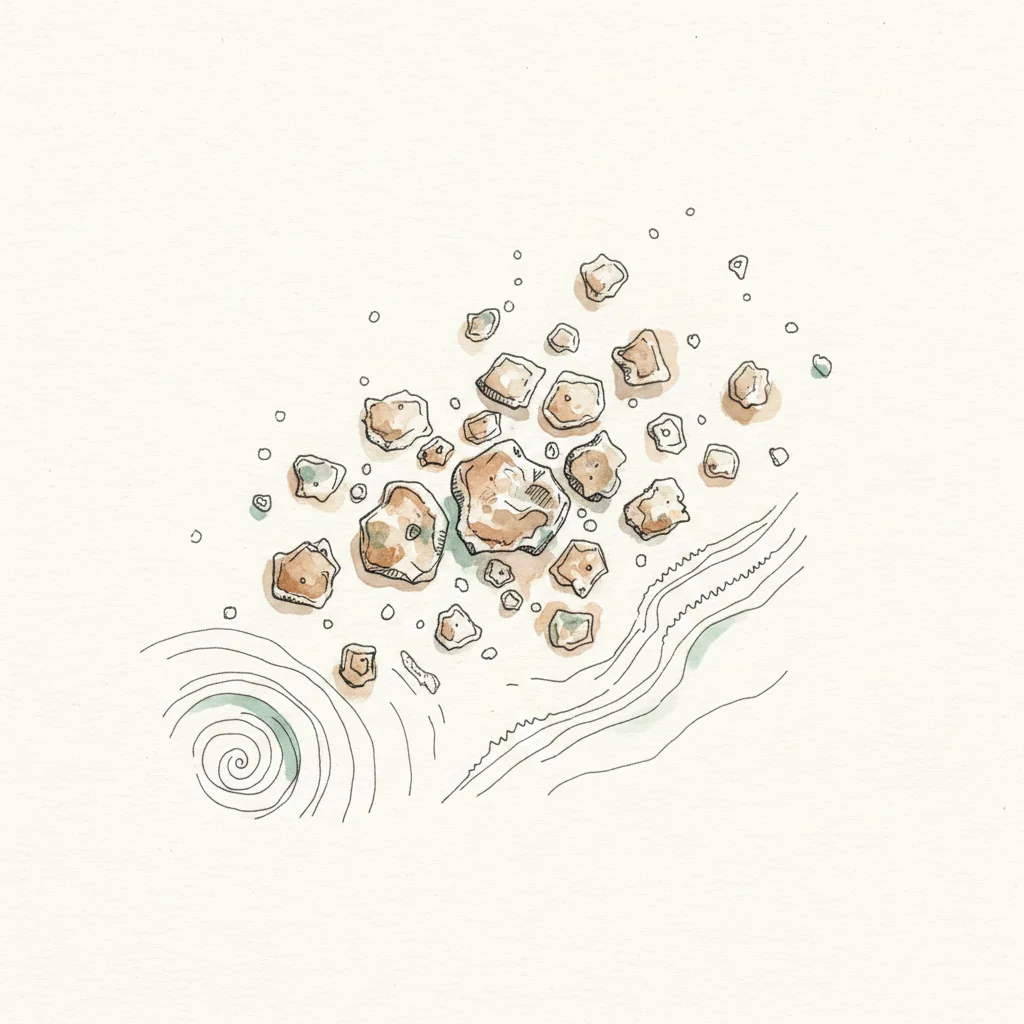
Salt · Flaky sea salt
Jacobsen Pure Flake Salt
Netarts Bay, Oregon coast, United States
bright Pacific brine · clean mineral · soft sweetness
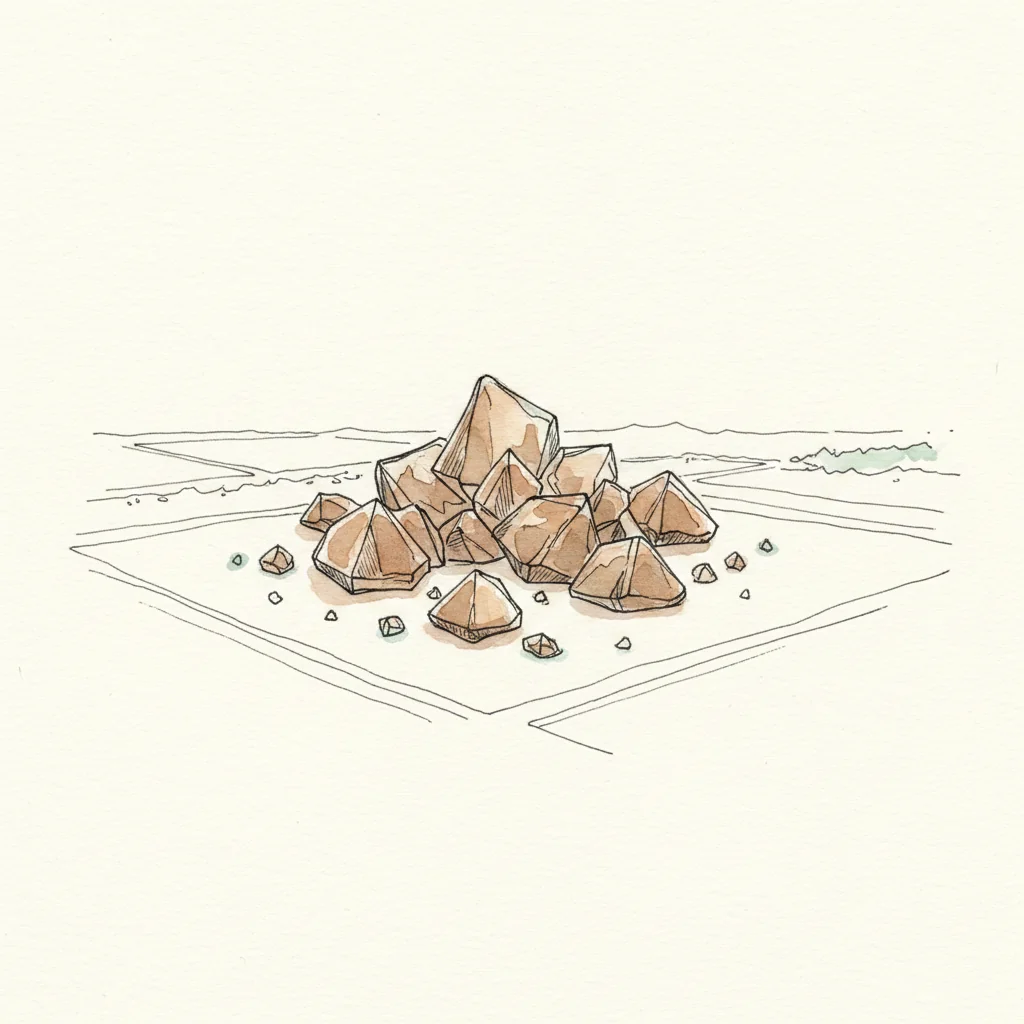
Salt · Smoked sea salt
Maldon Smoked Sea Salt
Maldon, Essex, Blackwater estuary, England
oak smoke · campfire · savory depth
Our verdict
Jacobsen for clean crunch; smoked Maldon to add campfire.
At a glance
| Criterion | Jacobsen Pure Flake Salt | Maldon Smoked Sea Salt |
|---|---|---|
| Origin | United States, Netarts Bay, Oregon coast | England, Maldon, Essex, Blackwater estuary |
| Character | Clean, bright Pacific brine — no added flavor | Plain Essex flake cold-smoked over oak for days |
| Profile | Bright brine, thin soft flakes | Real campfire depth, no chemical edge |
| Heat behavior | Finishing flake — crunch survives if added late | Heat burns the smoke off in about a minute |
| Best use | Any plate needing clean crunch, raw fish, salads | Finishing smoke on eggs, steak, roast veg |
| Median price | About $15 / 4 oz — a splurge | About $9 / box |
| Value | Splurge, but the homegrown US flake worth keeping | Worth it once you read the label |
When to choose Jacobsen Pure Flake Salt
Choose Jacobsen flake salt when you want clean crunch with no flavor agenda. It's the first commercial sea salt harvested in the US since colonial times, made from Netarts Bay on the Oregon coast since 2011, and the flakes are thinner and softer than Maldon, with a bright Pacific brine. That neutrality is the point: when the dish is already where you want it and you just need a crisp, briny finish — over raw fish, a tomato salad, a seared scallop, a slice of good butter and bread, or a finished steak — Jacobsen adds texture and a clean salinity without dragging in smoke or any other character. The move is to add it late, from a height, pinched so it scatters unevenly, so some bites carry a flake and the crunch survives instead of dissolving into the heat. It runs about $15 for 4 oz, which is a real splurge, but it's the homegrown finishing salt worth keeping, and a box lasts because you finish by the pinch. The catch is wasting it in cooking — these soft flakes are built to crunch on the plate, not to dissolve into a braise, so don't salt your pasta water with it. And if the job is to add a campfire note to the dish, this is the wrong salt — Jacobsen is deliberately clean, so for smoke you want the Maldon instead.
When to choose Maldon Smoked Sea Salt
Reach for Maldon Smoked when you want to add real smoke at the plate. It's the plain Essex flake, cold-smoked over oak for days, and that slow cold-smoke is why it carries genuine campfire depth instead of the harsh chemical edge of liquid-smoke seasonings. Use it as a finish where a smoky note flatters the dish: scattered over scrambled or fried eggs, a finished steak, roast vegetables, a baked potato, a bowl of soup, even a rim on a savory cocktail. The crucial rule is timing — heat burns the smoke off in about a minute, so this is a finishing salt, full stop. Cook with it and you've paid smoked-salt money for smoke that evaporates before the dish is done; sprinkle it on at the very end, off the heat, and you actually taste the oak. Around $9 a box, it's worth it once you read the label and confirm it's cold-smoked rather than flavored with liquid smoke. Add it pinched and late, a few flakes per portion, so the smoke accents rather than smothers. The catch is using it as your default finishing flake — the smoke is assertive and dominates anything delicate, so on raw fish or a clean salad it overpowers. For that, this is the wrong salt; keep a clean flake like Jacobsen for the dishes that just want crunch.
Where to buy?
Jacobsen Pure Flake Salt
Links checked on
| Merchant | Price | Action |
|---|---|---|
| Jacobsen Salt Co. | — | Jacobsen Salt Co. |
| Amazon US | — | Amazon US |
Prices may vary depending on current promotions on the merchant site.
Maldon Smoked Sea Salt
Links checked on
| Merchant | Price | Action |
|---|---|---|
| Amazon US | — | Amazon US |
| Sous Chef UK | — | Sous Chef UK |
Prices may vary depending on current promotions on the merchant site.
Frequently asked questions
- Can I cook with Maldon Smoked salt?
- No. Heat burns the smoke off in about a minute, so cooking with it wastes the very thing you paid for. It's a finishing salt, full stop — sprinkle it on at the end, off the heat, where the cold-smoked oak depth survives and you can actually taste it.
- Is Jacobsen worth $15 over a cheaper flake?
- It's a splurge, but it's the homegrown US flake worth keeping, with a bright clean brine and soft flakes. A 4 oz box lasts because you finish by the pinch. If you want a deliberate finishing salt and like supporting Oregon harvest, yes; for bulk cooking, no.
- Which one for raw fish or a delicate salad?
- Jacobsen. Its clean, neutral brine adds crunch without changing the dish. Maldon Smoked's assertive campfire note would overpower delicate fish and a fresh salad. Use the smoked salt where a smoky accent flatters the plate — eggs, steak, roast veg.
- How do I know smoked salt is real and not liquid-smoke flavored?
- Read the label. Genuine cold-smoked salt like Maldon Smoked is smoked over wood for days and says so; cheap versions list 'smoke flavoring' and carry a harsh chemical edge. Pay for the cold-smoked stuff and dodge anything that just says flavoring.
The best pairings
With Jacobsen Pure Flake Salt
With Maldon Smoked Sea Salt
Comparison prepared according to our methodology. Sponsored purchase links — see our affiliations.