
Comparison
Kala namak vs Hawaiian red salt: what's the difference?
They share a category and nothing else. Kala namak smells of hard-boiled egg from natural sulfur — it's the vegan-egg salt, used raw. Hawaiian red Alaea is a mild salt tinted with iron-rich clay, all color and round salinity, no funk. Both run about $8–10 a jar. Buy kala namak for sulfur, Alaea for the red.
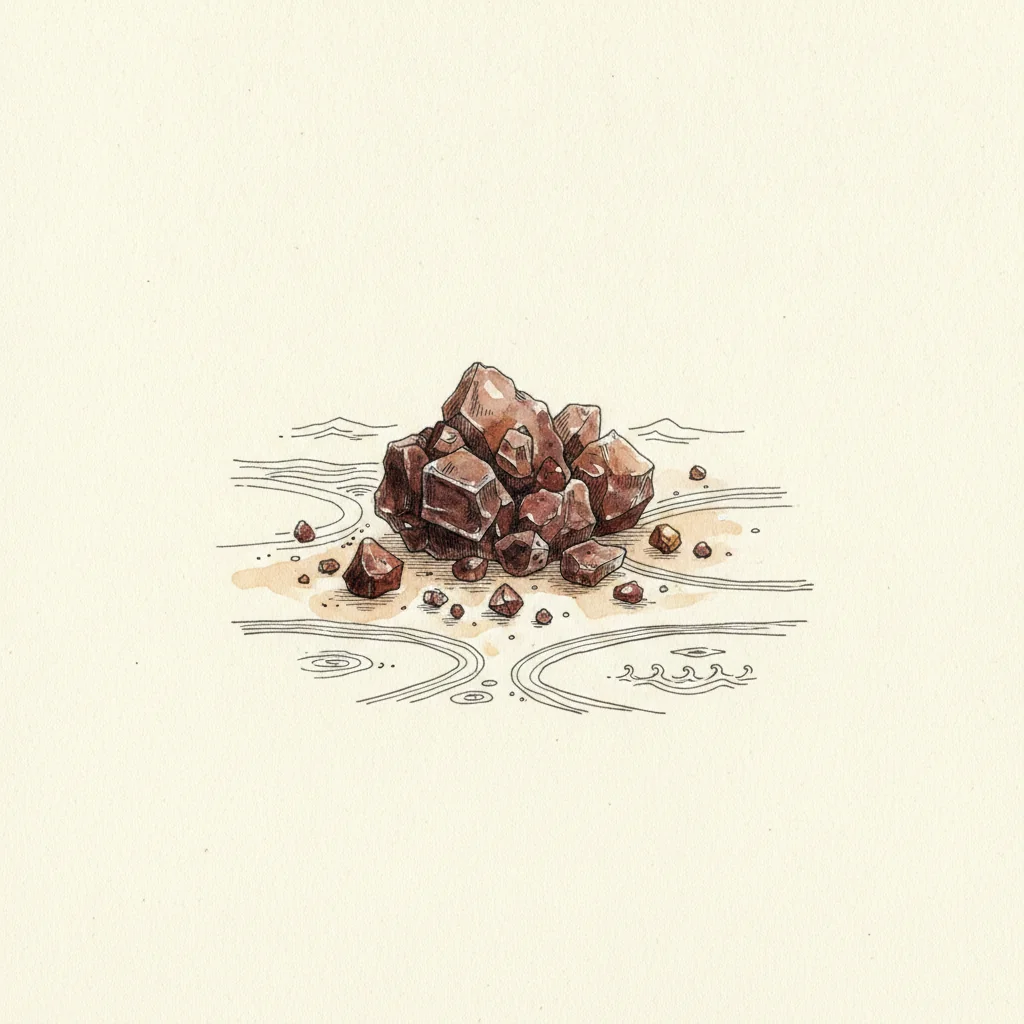
Salt · Rock salt
Kala Namak (Black Salt)
Sindh region and North India, India
hard-boiled egg · volcanic sulfur · savory umami
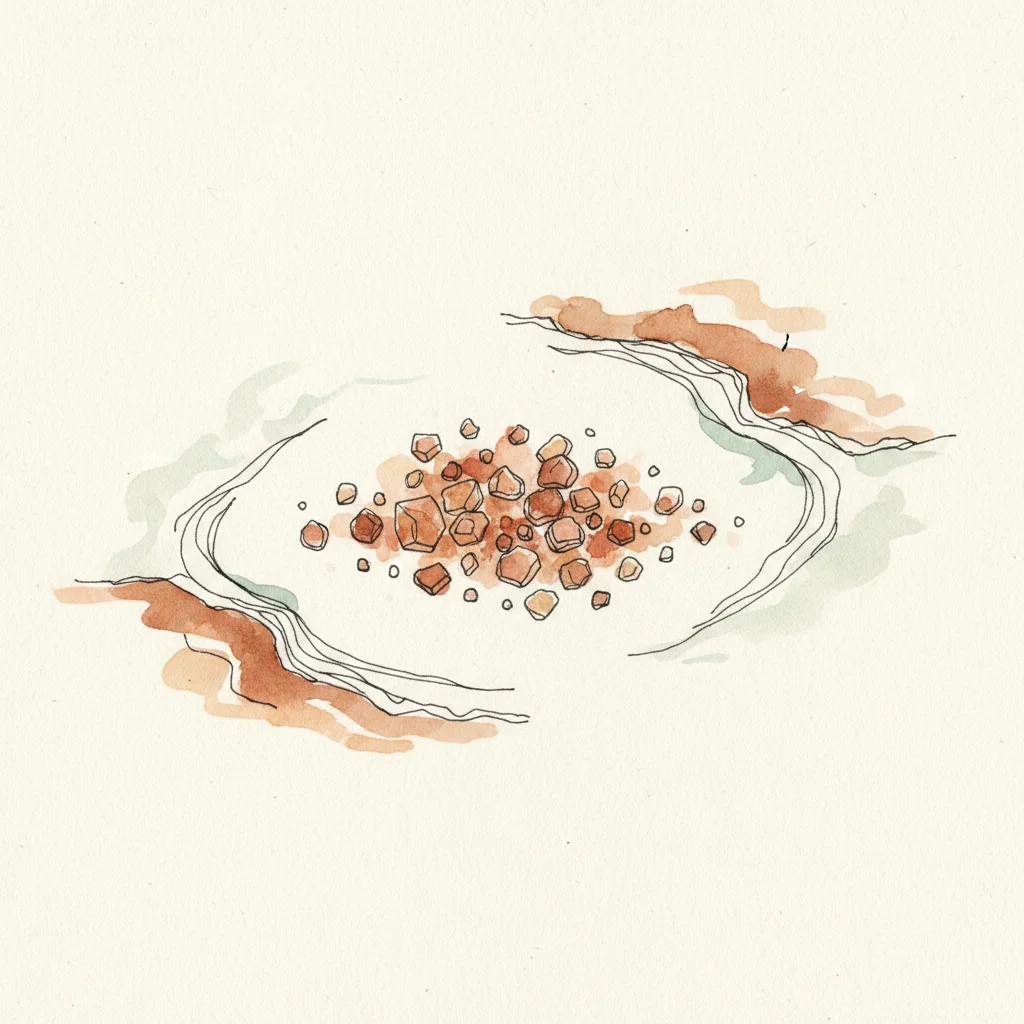
Salt · Seasoned salt
Hawaiian Red Alaea Salt
Hawaiian Islands, island of Kauai, United States
soft, round saltiness · iron-mineral edge · red-earth note
Our verdict
Kala namak when you want the egg-y sulfur; Hawaiian Alaea when you want red color and a soft finish.
At a glance
| Criterion | Kala Namak (Black Salt) | Hawaiian Red Alaea Salt |
|---|---|---|
| Origin | India — Sindh and North India | United States — Kauaʻi, Hawaii |
| What makes it special | Natural sulfur compounds (egg aroma) | Iron-rich Hawaiian ʻalaea clay (red color) |
| Intensity | 8/10 — pungent, sulfurous | 6/10 — soft, round saltiness |
| Main notes | Hard-boiled egg, volcanic sulfur, savory umami | Round salt, iron-mineral edge, red-earth note |
| When to use | Raw, off the heat — sulfur cooks off | Finishing, scattered raw — color washes out in liquid |
| Best for | Tofu scramble, chaat, vegan mayo, hummus | Poke, kalua pork, grilled pineapple, cocktail rims |
| Median price | ~$8 / 4 oz jar | ~$10 / 4 oz jar |
| Value | Cheap magic for vegan cooking — worth it | You pay for the color and the story — fine, not essential |
When to choose Kala Namak (Black Salt)
Reach for kala namak when you want the taste of egg without an egg — it's the single most useful salt in a vegan kitchen and there's no real substitute. The sulfur isn't a gimmick: it comes from compounds naturally present in the Himalayan-region rock salt, and it reads on the tongue as hard-boiled yolk. Stir a pinch into a tofu scramble and it becomes 'eggs.' Whisk it into chickpea-flour batter for a vegan omelet, or into vegan mayo, and the savory, faintly sulfurous depth does the work egg yolk usually does. Beyond the vegan trick, it's the backbone of Indian chaat — dust it over fruit chaat, cucumber, green mango, or a bowl of yogurt raita, where its umami punch and tang lift sweet and sour notes at once. The non-negotiable rule: use it raw, off the heat, added at the very end. The sulfur compounds are volatile and cook off, so a kala namak simmered into a curry loses exactly the thing you bought it for — you'd just be salting. Store it as whole crystals in an opaque jar and grind to order; powdered, the aroma fades within about 18 months and faster once it's milled. Skip it on dishes that already contain egg (you double down on a note that's already there) and on anything very sweet, where the sulfur reads as off. At roughly $8 a jar it's cheap for what it does, which is the kind of one-trick spice that's worth owning precisely because nothing else does the trick.
When to choose Hawaiian Red Alaea Salt
Reach for Hawaiian red Alaea when you want the color and a soft, rounded finish rather than a flavor bomb. The red isn't dye — it's ʻalaea, an iron-rich volcanic clay from Kauaʻi traditionally blended into Hawaiian sea salt, which tints the crystals brick-red and adds a faint iron-mineral edge and a whisper of red earth. Flavor-wise it's gentle: a 6/10 salt that finishes round and clean, not pungent like kala namak. That makes it a finishing and garnishing salt first. Scatter it raw over an ahi poke bowl, where the red crystals against the dark tuna are the whole visual point. Crush it over kalua pork, seared salmon, or beef carpaccio. It's a natural on grilled or roasted pineapple, the iron note playing against the caramelized sugar. And it makes a striking rim for a red cocktail — a margarita or paloma. The catch with Alaea is the inverse of kala namak's: the color is the product, and the color is fragile. Drop it into a broth or a braise and the clay disperses, the red washes out, and you're left with a faintly mineral table salt and a murky pot. So keep it raw and on the surface, where the eye can see it. Avoid it on dishes already heavy with red color, where it disappears, and on sharply acidic preparations that can dull the clay's tint. At about $10 a jar you're partly paying for the color and the Hawaiian provenance — it's a fine, pretty finishing salt, but it's a luxury of appearance more than of taste. If the dish doesn't benefit from the red, a plain flaky salt does the seasoning for less.
Where to buy?
Kala Namak (Black Salt)
Links checked on
| Merchant | Price | Action |
|---|---|---|
| Amazon US | — | Amazon US |
| Burlap & Barrel | — | Burlap & Barrel |
| Sous Chef UK | — | Sous Chef UK |
Prices may vary depending on current promotions on the merchant site.
Hawaiian Red Alaea Salt
Links checked on
| Merchant | Price | Action |
|---|---|---|
| Amazon US (Salt Traders) | — | Amazon US (Salt Traders) |
| The Spice House | — | The Spice House |
| Sous Chef UK | — | Sous Chef UK |
Prices may vary depending on current promotions on the merchant site.
Frequently asked questions
- Why does kala namak smell like eggs?
- Natural sulfur compounds in the rock salt — chiefly hydrogen sulfide and related minerals — give it a hard-boiled-egg aroma. It's not added or processed in; it comes from the geology of the Himalayan-region deposits. That's why it's the go-to salt for making tofu taste like scrambled eggs.
- Can I use Hawaiian red salt to cook with?
- You can, but you'll waste what makes it special. The red comes from ʻalaea clay, and in a broth or braise the clay disperses and the color washes out, leaving an ordinary mild salt and a cloudy pot. Keep it raw on the surface of a finished dish where the color reads.
- Are they interchangeable?
- No. Kala namak is about a pungent, sulfurous egg note used raw; Hawaiian Alaea is about red color and a soft, round salinity. Swapping one for the other gives you neither the flavor nor the look you wanted. They sit in the same 'specialty salt' category but solve completely different problems.
- Which is the better value?
- Kala namak, if you cook plant-based — at about $8 a jar it does something no other salt does. Hawaiian Alaea at roughly $10 is buying color and provenance more than flavor; lovely for plating, but a plain flaky salt seasons just as well for less when the red isn't the point.
The best pairings
With Kala Namak (Black Salt)
With Hawaiian Red Alaea Salt
Comparison prepared according to our methodology. Sponsored purchase links — see our affiliations.