
Comparison
Smoked Maldon vs black lava salt: which dark finishing salt?
Buy them for opposite reasons. Smoked Maldon is about flavor: real oak smoke and pyramid crunch on brisket or potatoes, about $9 a box. Black lava salt is about looks: glossy charcoal crystals on pale tuna or panna cotta, around $8 to $14, with only a faint smoke. Want taste, go Maldon; want the jet-black streak, go lava.
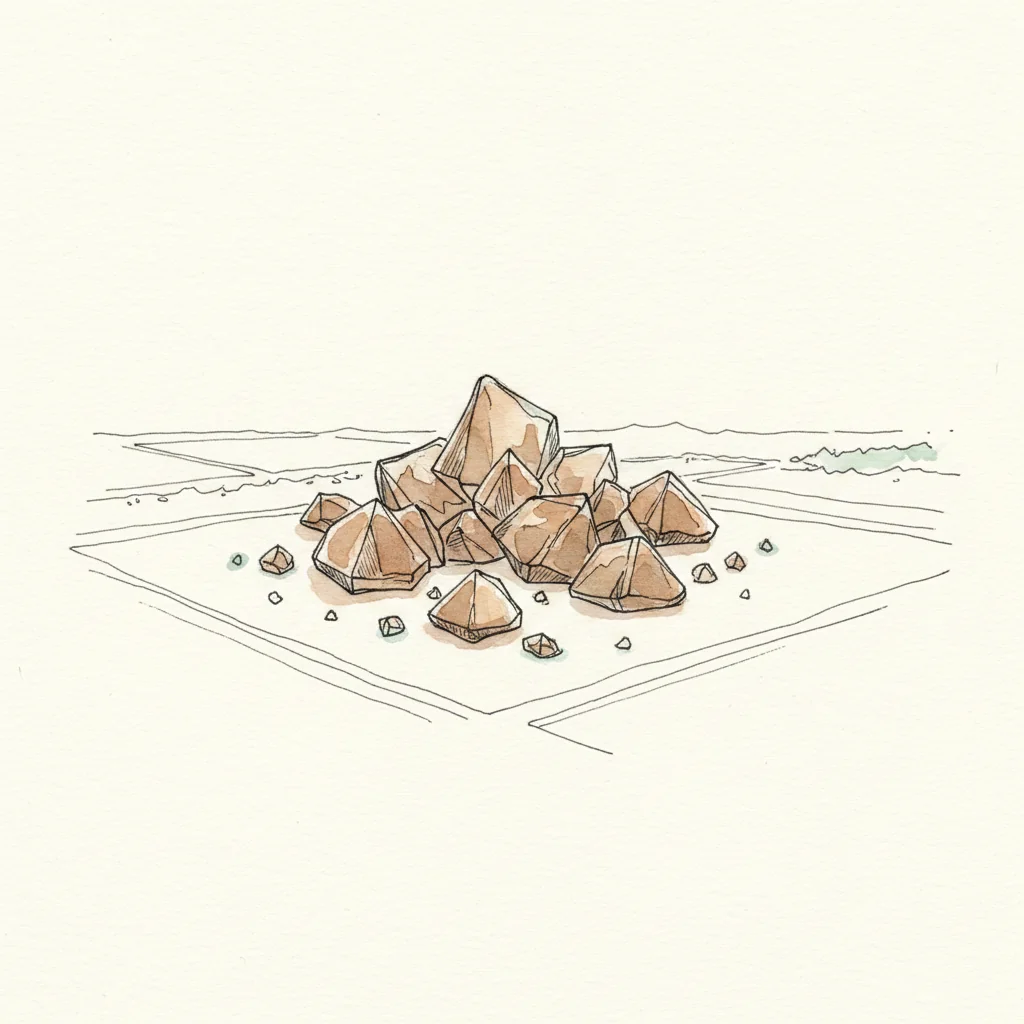
Salt · Smoked sea salt
Maldon Smoked Sea Salt
Maldon, Essex, Blackwater estuary, England
oak smoke · campfire · savory depth
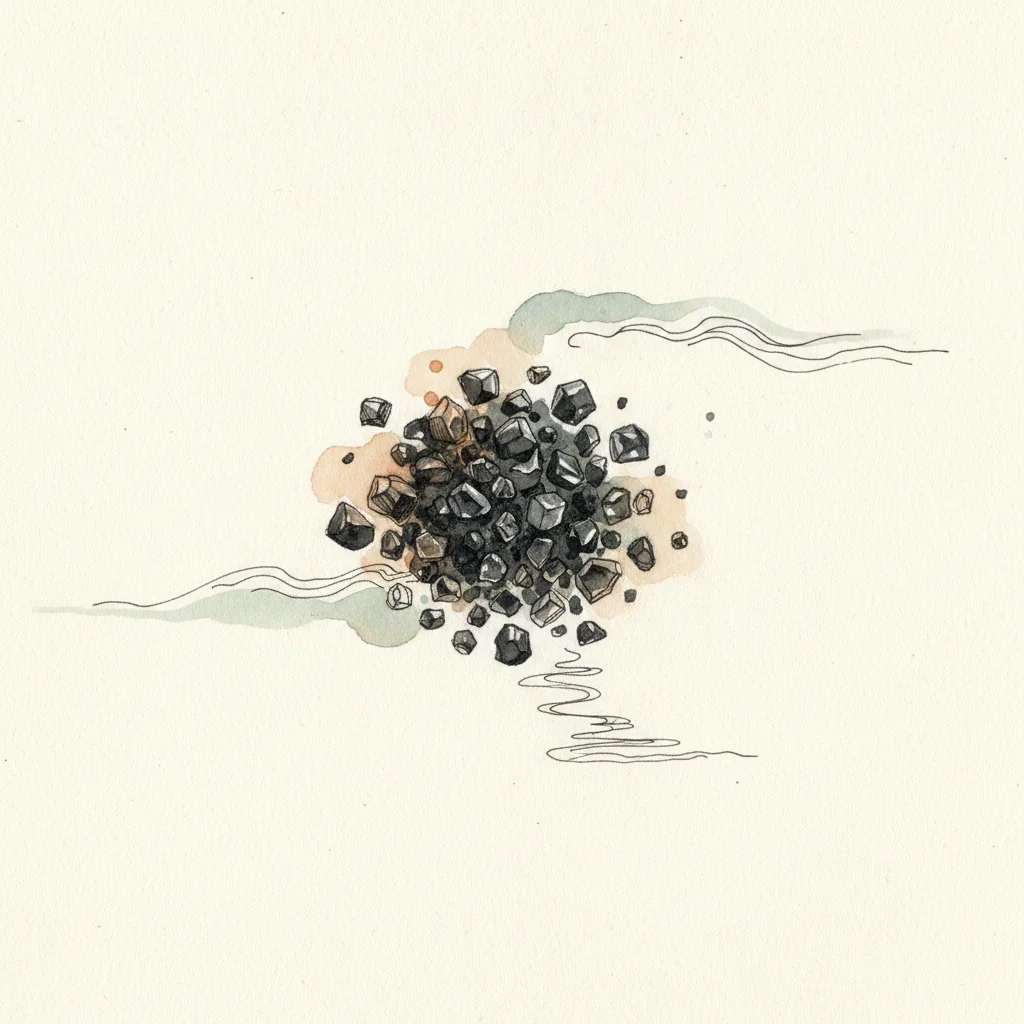
Salt · Seasoned salt
Hawaiian Black Lava Salt (Hiwa Kai)
Molokai, Hawaiian archipelago (Pacific solar-evaporated sea salt), United States
round clean salinity · faint smoke · marine mineral
Our verdict
Smoked Maldon for flavor; black lava salt for the visual contrast.
At a glance
| Criterion | Maldon Smoked Sea Salt | Hawaiian Black Lava Salt (Hiwa Kai) |
|---|---|---|
| Origin | Maldon, Essex, England (Blackwater estuary), cold-smoked over oak | Molokai, Hawaii (Pacific sea salt) cut with activated coconut charcoal |
| What it actually is | Plain Maldon flakes, smoked for days. Real smoke, no liquid-smoke seasoning | Sea salt blacked by charcoal, not a volcanic mineral. The charcoal is the color |
| Profile | Oak smoke, campfire, savory depth over a clean brine | Round clean salinity, faint smoke, soft velvety charcoal trace |
| Intensity | 8/10 — assertive smoke that builds | 6/10 — mild, the flavor is secondary to the look |
| Texture | Hollow pyramid flakes, sharp shattering crunch | Glossy crystals, firm crack then a fast clean melt |
| Best use | Finishing brisket, pulled pork, grilled vegetables, fries, popcorn | Finishing seared tuna, scallops, crudo, deviled eggs, white panna cotta |
| Price | ~$9 for a 4.4 oz box | ~$8 to $14 for a small jar |
| Value verdict | Worth it for the smoke, the cheapest way to fake a smoker | Worth it only if you want the contrast; you are paying for the color |
When to choose Maldon Smoked Sea Salt
Reach for smoked Maldon when you want the smoke to register on the plate, not just sit there as decoration. It carries real oak-smoked depth, the kind you get from days in a cold smoker, not the chemical edge of liquid-smoke seasonings. On a BBQ brisket or pulled pork, a few flakes scattered over the sliced meat at the very end add a campfire layer that doubles down on the smoker's work. On fries, roast potatoes, grilled vegetables, deviled eggs or even popcorn, it turns a plain snack into something with a savory backbone. The pyramid flakes shatter the same way plain Maldon does, so you get the crunch and the smoke in one bite. The catch is heat: throw smoked salt into a screaming pan or a low-and-slow rub and the aromatic compounds burn off in about a minute, before the bark even sets. This is a finishing salt, full stop. Season the raw food with cheap coarse kosher, cook, then finish with the Maldon off the heat. At about $9 a box that lasts a year of weekend cooks, it is the cheapest way to put smoke on a plate without owning a smoker. One label check before you buy: you want oak-smoked Maldon, not a generic smoke-flavored salt. The whole point is that the smoke is real.
When to choose Hawaiian Black Lava Salt (Hiwa Kai)
Reach for Hawaiian black lava salt when the look does as much work as the flavor, which is most of the time with this one. Hiwa Kai is Pacific sea salt blended with activated coconut-shell charcoal, and that charcoal is what makes the crystals glossy black, not a volcanic mineral. The flavor is round and clean with only a faint smoke and a soft velvety trace, so it will never out-smoke a smoked salt. What it does, no flake can: jet-black crystals scattered over a pale surface. Seared rare tuna, raw scallops, crudo, hummus, soft-boiled eggs, sushi, white panna cotta, salted caramel. The contrast is the whole point, which is why you put it on light dishes and never on anything already dark. The catch: heat bleeds the color out and you have wasted the one thing it does well, so finish raw, off the heat, on a pale plate. It crunches first, then melts fast and clean with an earthy mineral close and no bitterness. A small jar runs about $8 to $14 and keeps for years; the charcoal is stable and does not fade. If you are choosing on flavor alone, smoked Maldon wins easily. Choose lava when you are plating for the eye, when the black streak is the dish's signature, not its seasoning.
Where to buy?
Maldon Smoked Sea Salt
Links checked on
| Merchant | Price | Action |
|---|---|---|
| Amazon US | — | Amazon US |
| Sous Chef UK | — | Sous Chef UK |
Prices may vary depending on current promotions on the merchant site.
Hawaiian Black Lava Salt (Hiwa Kai)
Links checked on
| Merchant | Price | Action |
|---|---|---|
| Amazon US | — | Amazon US |
| SaltWorks (seasalt.com) | — | SaltWorks (seasalt.com) |
Prices may vary depending on current promotions on the merchant site.
Frequently asked questions
- Is black lava salt actually volcanic?
- No. The black comes from activated coconut-shell charcoal blended into Pacific sea salt, not from volcanic stone. The crystals are glossy black because of the charcoal, which also gives a faint smoke and a soft velvety trace. It is a finishing salt bought mainly for the visual contrast.
- Which one tastes more of smoke?
- Smoked Maldon, by a wide margin. It is cold-smoked over oak for days and rates 8/10 in intensity. Black lava salt carries only a faint smoke at about 6/10, where flavor is secondary to the look.
- Can I cook with either of them?
- No, both are finishing salts. Heat burns the smoke off smoked Maldon in about a minute, and it bleeds the color out of black lava salt. Season with cheap coarse salt, cook, then finish raw and off the heat.
- Which is the better value?
- Smoked Maldon at about $9 a box is the cheapest way to put real smoke on a plate. Black lava salt at $8 to $14 is worth it only if you specifically want the jet-black contrast on pale food.
The best pairings
With Maldon Smoked Sea Salt
With Hawaiian Black Lava Salt (Hiwa Kai)
Comparison prepared according to our methodology. Sponsored purchase links — see our affiliations.