
Comparison
Maldon vs Diamond Crystal: finishing or kosher salt?
These two aren't rivals, they're a team. Diamond Crystal is the cooking and seasoning salt, light, additive-free, hard to over-salt with, about $11 for a 3 lb box. Maldon is the finishing flake you crush over the plate at the end for crunch, about $7 a box. Season with one, finish with the other.
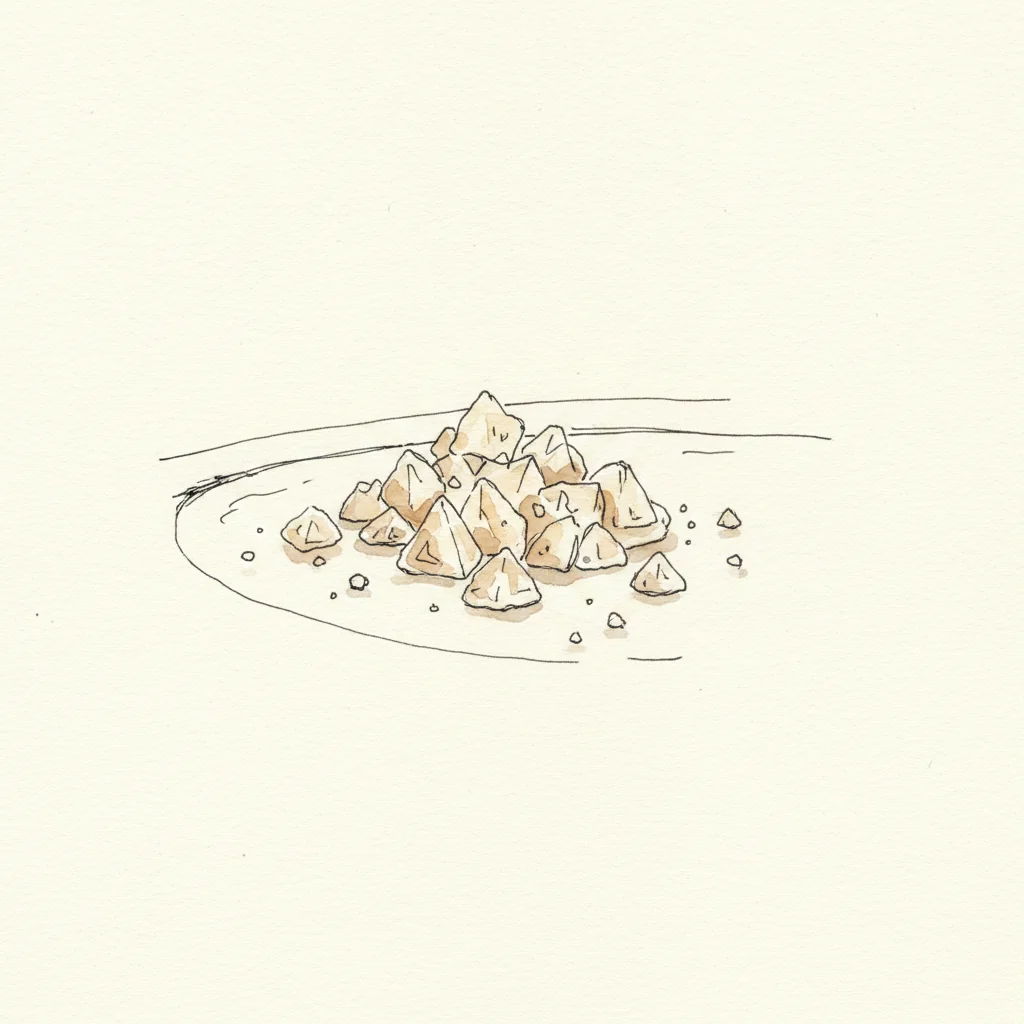
Salt · Flaky sea salt
Maldon Sea Salt
Maldon, Essex, Blackwater estuary, England
clean salinity · light brine · fresh sea air
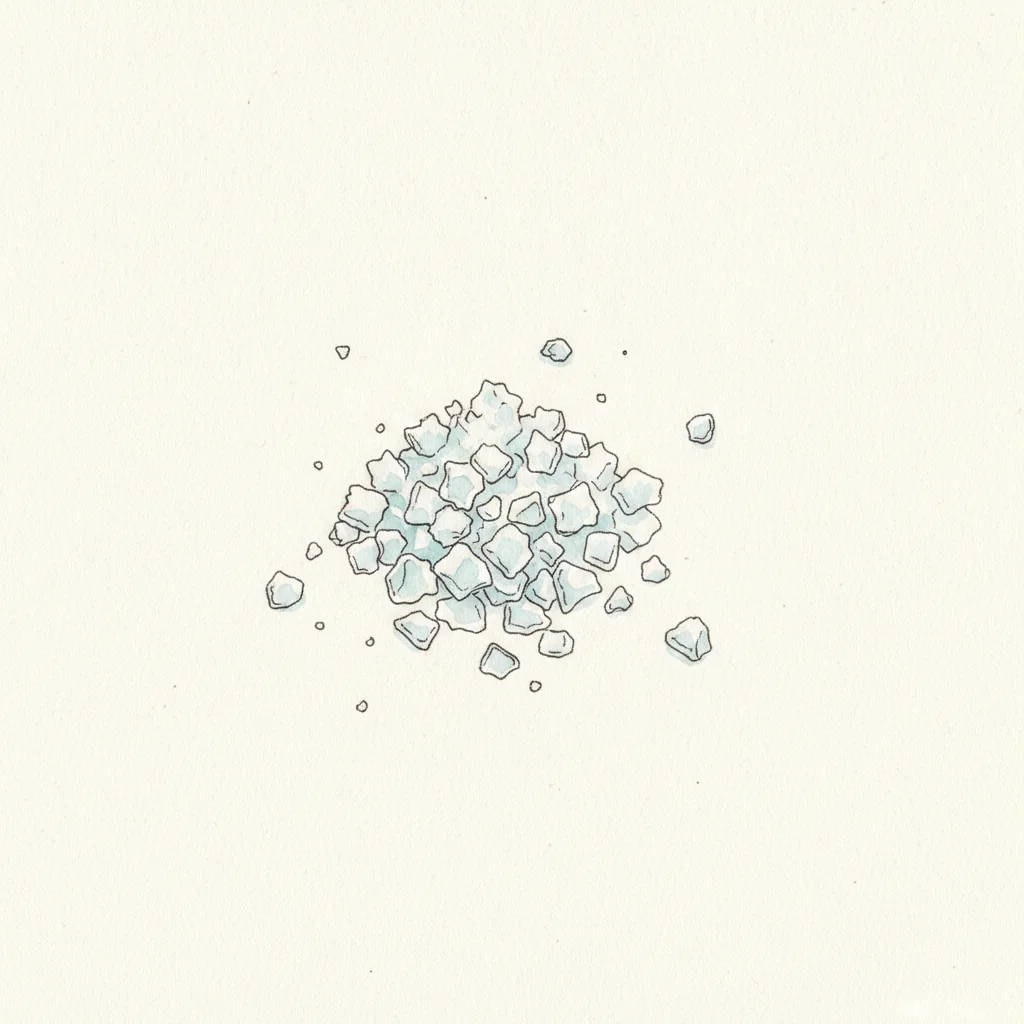
Salt · Kosher salt
Diamond Crystal Kosher Salt
Domestic salt, Alberger process, United States
clean neutral salinity · no bitterness · no additives
Our verdict
Diamond Crystal to season and brine, Maldon to finish. Buy both: they do different jobs.
At a glance
| Criterion | Maldon Sea Salt | Diamond Crystal Kosher Salt |
|---|---|---|
| Origin | England, Maldon, Essex (Blackwater estuary) | United States, domestic salt, Alberger process |
| Role | Finishing flake | Cooking, seasoning and brining salt |
| Intensity | 7/10 - clean, bright salinity | 5/10 - clean neutral salinity, additive-free |
| Texture | Hollow pyramid flakes that shatter on the tongue | Light hollow Alberger flakes that crush easily and dissolve fast |
| When to add | Finishing - raw, at the very end | Cooking - seasoning, brines, dough, pasta water |
| Median price | ~$7.50 / 8.5 oz box | ~$11.50 / 3 lb box |
| Value | Cheapest finishing upgrade, lasts a year. Worth it. | Pennies per use, hard to over-salt with. Buy a box and forget it. |
When to choose Maldon Sea Salt
Reach for Maldon when the salt is the last thing the dish sees, not the first. It's a finishing salt, and its hollow pyramid crystals exist to do one thing a cooking salt can't: shatter on the tongue for a crunch you feel. Crush three or four flakes over a rested, sliced ribeye, scatter them on warm chocolate-chip cookies or salted caramel, snap them over a green salad or a slice of buttered toast. The salinity is clean and bright with no bitterness, and the texture is the entire point, you're paying for the snap, not for the sodium chloride, which is the same molecule in any salt. Where Maldon fails, badly, is anywhere Diamond Crystal shines: in the cooking itself. Don't season raw meat with Maldon before a sear, don't tip it into pasta or brining water, don't fold it into dough. In all of those the flake just dissolves like any salt, you lose the crunch you paid finishing-salt money for, and worse, because Maldon's flakes are large and irregular, it's much harder to season evenly and by feel than with Diamond Crystal's light, uniform grains. A pinch of Maldon and a pinch of Diamond Crystal hold very different amounts of salt, so trying to cook by Maldon volume is a fast route to an over- or under-salted pot. The right mental model is two salts, two jobs. Keep a big box of Diamond Crystal by the stove for all the seasoning and brining, where you want a light, controllable, additive-free salt you can pinch by feel. Keep a small box of Maldon by the plate for the finish, where you want crunch and brightness at the very end. They cost about the same to keep on hand, roughly $11 for 3 lb of Diamond Crystal and about $7 for a box of Maldon that lasts a year of Sunday roasts, and together they cover nearly everything a home kitchen needs. So the answer to 'Maldon or Diamond Crystal' is almost always 'both,' used at different moments: Diamond Crystal does the cooking, Maldon does the finishing crunch. Asking which is better is like asking whether a chef's knife or a paring knife is better, they're not competing for the same job.
When to choose Diamond Crystal Kosher Salt
Choose Diamond Crystal for all of the actual cooking, this is the workhorse, not a finishing salt, and that's exactly why test kitchens reach for it by default. Its light, hollow Alberger flakes are easy to crush between the fingers and, crucially, hold far less salt per pinch than dense table or Morton kosher salt, which makes it genuinely hard to over-salt with. You season by feel, scattering from a height, and the forgiving grain means a heavy hand does less damage. It's additive-free, has a clean neutral salinity with no bitterness, and runs about $11 for a 3 lb box, pennies per use, a box you buy and forget. Use Diamond Crystal everywhere salt does work rather than decoration: seasoning meat before a sear, salting pasta and vegetable water, building brines and dry-brines, salting bread dough, the constant pinch-by-feel seasoning that good cooking is made of. Because the grain is so light and consistent, it's the salt to learn to cook by, your hand calibrates to it and stays calibrated. The one warning is volume: don't swap it one-for-one with table salt or Morton kosher, which are much denser, a teaspoon of Diamond Crystal carries far less salt, so trust your fingers, not a recipe written for a heavier grain, or season in stages and taste. Where Diamond Crystal gives you nothing is on the plate. It has no crunch to offer, the flakes crush and dissolve fast, so finishing a steak or a cookie with it is a waste of its one job; reach for Maldon there instead. It also brings no provenance or finishing character, it's a clean, neutral domestic salt, which is precisely what you want in the pot and precisely what you don't want as the last flourish. So the split with Maldon is simple and not really a contest: Diamond Crystal is the salt you cook with, season with and brine with, the box that lives by the stove and does ninety percent of the salting in a kitchen; Maldon is the small box by the plate for the final crunch. Buy both. They cost about the same to keep on hand and they do completely different jobs, season the dish with Diamond Crystal, finish it with Maldon.
Where to buy?
Maldon Sea Salt
Links checked on
| Merchant | Price | Action |
|---|---|---|
| Amazon US | — | Amazon US |
| Sous Chef UK | — | Sous Chef UK |
Prices may vary depending on current promotions on the merchant site.
Diamond Crystal Kosher Salt
Links checked on
| Merchant | Price | Action |
|---|---|---|
| Amazon US | — | Amazon US |
Prices may vary depending on current promotions on the merchant site.
Frequently asked questions
- Which is better, Maldon or Diamond Crystal?
- Neither, they do different jobs. Diamond Crystal is the cooking and seasoning salt: light, additive-free and hard to over-salt with, the test-kitchen default. Maldon is the finishing flake you crush over the plate for crunch at the end. Asking which is better is like comparing a chef's knife to a paring knife.
- Can I finish a steak with Diamond Crystal?
- You can, but it's a waste of its strength. Diamond Crystal's light flakes crush and dissolve fast, so there's no crunch, the texture a finishing salt is for. Season the steak with Diamond Crystal before the sear, then finish the sliced meat with crushed Maldon at the table for the shatter.
- Can I cook with Maldon to save buying two salts?
- It works but it's wasteful and harder to control. Maldon's large irregular flakes hold a different amount per pinch than Diamond Crystal's uniform grain, so seasoning by feel goes wrong, and you lose the crunch you paid for. Both salts are cheap to keep; buy a box of each and use them for their own jobs.
- Why is Diamond Crystal the test-kitchen favorite?
- Because its light, hollow Alberger flakes hold less salt per pinch than denser kosher or table salt, so it's hard to over-salt with and easy to season by feel. It's also additive-free with a clean neutral taste. Just don't swap it one-for-one with Morton or table salt, the grain is much lighter.
The best pairings
With Maldon Sea Salt
With Diamond Crystal Kosher Salt
Comparison prepared according to our methodology. Sponsored purchase links — see our affiliations.