
Comparison
Maldon vs Jacobsen flake salt: which to buy?
Maldon is the cheaper, harder-crunching workhorse; Jacobsen is the homegrown US splurge with a thinner, softer flake and a bright Pacific brine. For everyday finishing and the best value, Maldon, about $7 a box. To buy American and dress oysters, crudo and a special steak, Jacobsen, about $15 for 4 oz.
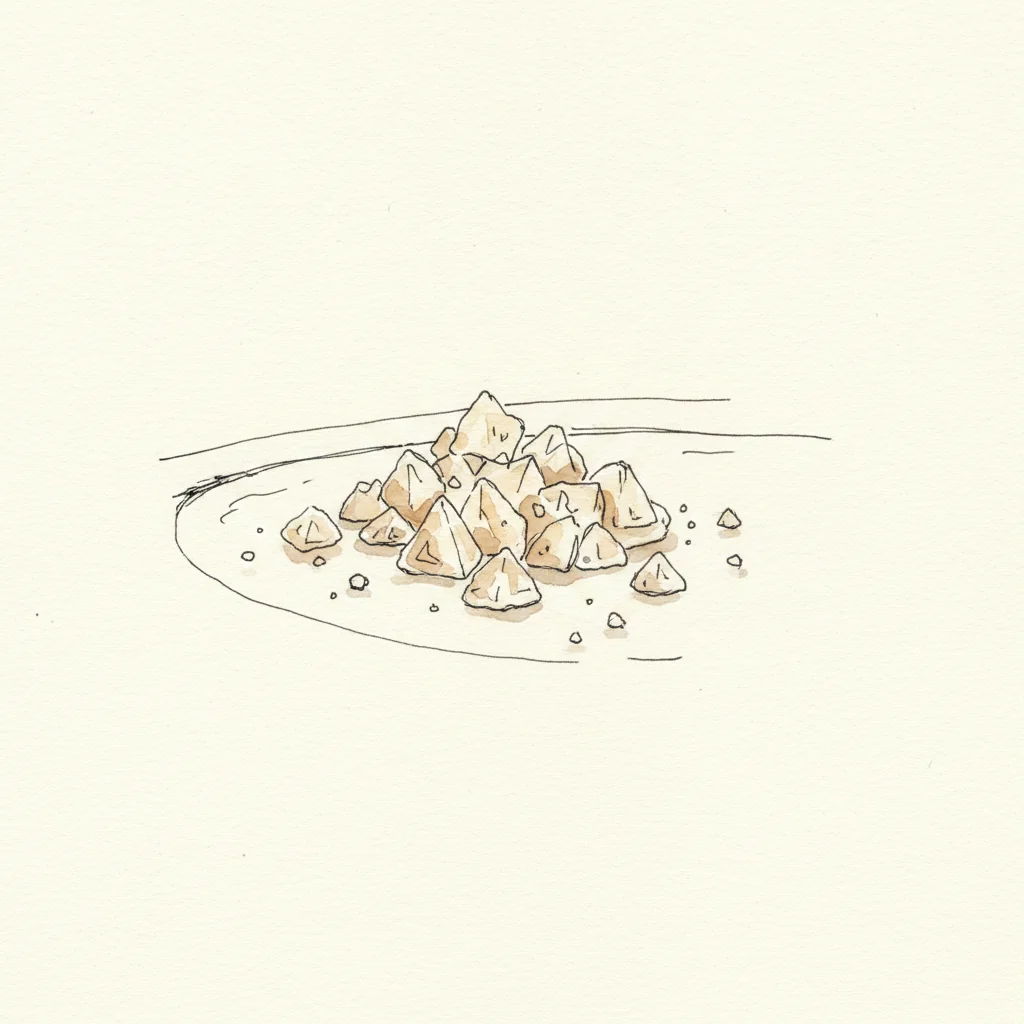
Salt · Flaky sea salt
Maldon Sea Salt
Maldon, Essex, Blackwater estuary, England
clean salinity · light brine · fresh sea air
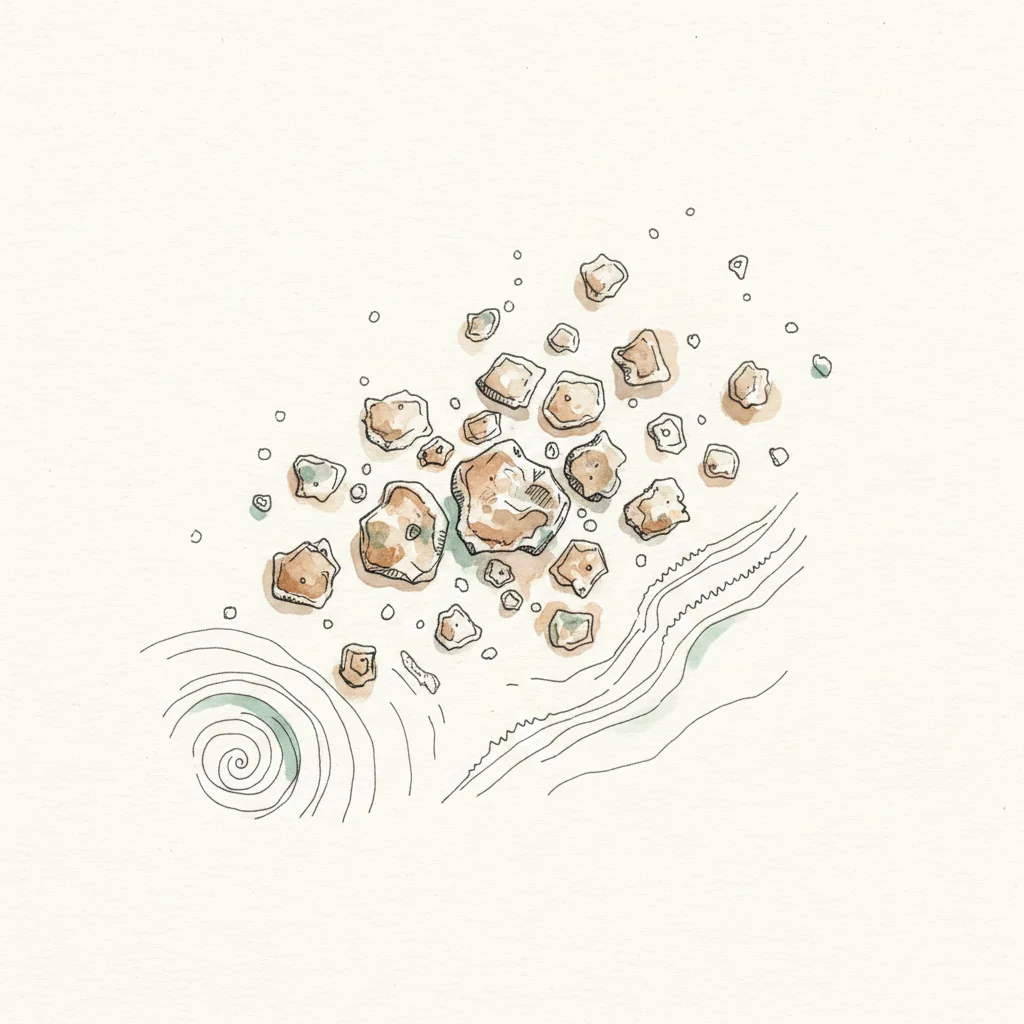
Salt · Flaky sea salt
Jacobsen Pure Flake Salt
Netarts Bay, Oregon coast, United States
bright Pacific brine · clean mineral · soft sweetness
Our verdict
Maldon for value and a firmer crunch, Jacobsen for a delicate US flake on raw seafood.
At a glance
| Criterion | Maldon Sea Salt | Jacobsen Pure Flake Salt |
|---|---|---|
| Origin | England, Maldon, Essex (imported to the US) | United States, Netarts Bay, Oregon coast |
| Status | Made since 1882 | First US commercial sea salt since colonial times, since 2011 |
| Intensity | 7/10 - clean, bright salinity | 7/10 - bright Pacific brine, soft sweetness |
| Texture | Firm hollow pyramids, hard shatter, slower melt | Thin broad flakes, delicate crunch, melts faster |
| Best use | Seared steak, Sunday roast, salads, caramel and cookies | Raw oysters and crudo, scrambled eggs, tomatoes, chocolate |
| Median price | ~$7.50 / 8.5 oz box | ~$15 / 4 oz box |
| Value | Cheapest upgrade in the kitchen, lasts a year. Worth it. | A real splurge, but the homegrown finishing flake worth keeping. |
When to choose Maldon Sea Salt
Reach for Maldon when you want the most crunch and the most value, and you don't care where the salt was made. Its hollow pyramids are firmer and thicker than Jacobsen's broad thin flakes, so they shatter with a harder snap and the texture lingers a moment longer on the plate before it melts. That makes Maldon the better all-rounder for plates that want a loud, lasting crunch: a rested sliced ribeye, a green salad, warm cookies, a tray of salted caramel. The salinity is clean and bright with no bitterness, the flake never goes damp, and a box keeps for years. The deciding factor for most US kitchens is cost. Maldon runs about $7 for 8.5 oz; Jacobsen is roughly $15 for just 4 oz, so by weight you're paying several times more for the Oregon flake. If you finish a lot of food and want a salt you can be generous with without wincing at the box, Maldon is the obvious everyday pick and Jacobsen is the occasional treat. Maldon is also the easier crystal to control for beginners: the firmer flake is simple to pinch and crush evenly between the fingers, where Jacobsen's thinner flakes can crumble to near-powder if you're heavy-handed, losing the very texture you bought. Where Maldon gives nothing extra is on two fronts: provenance and delicacy. It's imported, so it can't carry the buy-American, support-a-domestic-producer story that Jacobsen does, a real consideration if that matters to you or to the page. And on the most delicate raw plates, a fresh oyster, a slice of crudo, a thin tomato, Maldon's harder shatter can feel a touch blunt where Jacobsen's lighter flake settles in more gently. As with any flaky salt, don't cook with Maldon: in a braise, a stock or pasta water the crunch dissolves and a coarse cooking salt does the job for a fraction of the price. Season the pan with coarse kosher, sear, rest, then crush the Maldon over the sliced meat at the end. Salt the slice, not the pan. For the default US finishing salt, the one you keep within reach and use freely, Maldon wins on price and crunch; Jacobsen is the homegrown upgrade you reach for on a special plate.
When to choose Jacobsen Pure Flake Salt
Choose Jacobsen when you want to buy American and you're finishing something delicate. Jacobsen Salt Co. has harvested sea salt from Netarts Bay on the Oregon coast since 2011, the first commercial sea salt made in the US since colonial times, a genuine sourcing fact and the whole reason to reach for it over an imported Essex box. The flakes are thinner and broader than Maldon's firm pyramids, with a more delicate crunch that melts faster and a brighter, slightly sweeter Pacific brine. That lightness is exactly what you want on raw seafood and soft plates. On a freshly shucked oyster, a slice of crudo or a plate of sliced tomato, Jacobsen's thin flake settles in and dissolves cleanly without the blunt shatter a firmer crystal can bring. On scrambled eggs, on dark chocolate or caramel, on fresh bread with butter, it adds a clean, cool brine and a soft snap that flatters rather than punches. It's also simply the salt to use when you want the finishing crystal on your plate to be domestic, the homegrown answer to Maldon's imported default. The catch is price and discipline. At about $15 for 4 oz it's several times the cost per gram of Maldon, so it's a splurge you reserve for plates where its delicacy and provenance actually show, not a salt you scatter by the fistful. And because the flake is thin, it crumbles easily: pinch it gently from a few inches up and let it fall, rather than grinding it to powder between heavy fingers and losing the texture you paid for. The rule against Maldon is texture and money. If you want the firmest crunch and the best value for everyday finishing, Maldon is the default. If you want a lighter flake for raw seafood and crudo, and you want to support a US producer, Jacobsen is the call, kept for the plates that earn it. Use it like any flaky salt: as a finisher, raw, at the very end, never in the pot. In a braise or boiling water the thin flake dissolves instantly and you've spent splurge money on nothing a cheap coarse salt couldn't do. Keep it airtight and dry and it lasts indefinitely.
Where to buy?
Maldon Sea Salt
Links checked on
| Merchant | Price | Action |
|---|---|---|
| Amazon US | — | Amazon US |
| Sous Chef UK | — | Sous Chef UK |
Prices may vary depending on current promotions on the merchant site.
Jacobsen Pure Flake Salt
Links checked on
| Merchant | Price | Action |
|---|---|---|
| Jacobsen Salt Co. | — | Jacobsen Salt Co. |
| Amazon US | — | Amazon US |
Prices may vary depending on current promotions on the merchant site.
Frequently asked questions
- Is Jacobsen really worth four times the price of Maldon?
- Only for specific plates and reasons. Jacobsen's draw is a delicate Oregon flake and the fact that it's the first US sea salt made since colonial times, so it suits raw seafood and a buy-American stance. For everyday finishing and value, Maldon wins at about $7 a box against $15 for 4 oz of Jacobsen.
- Which has the better crunch?
- They differ. Maldon's firmer hollow pyramids shatter harder and the texture lasts longer on the plate. Jacobsen's thin broad flakes give a more delicate crunch that melts faster. For a loud, lasting snap on a steak or cookie, Maldon; for a soft, settling flake on oysters or crudo, Jacobsen.
- Is Jacobsen the best American finishing salt?
- It's the benchmark domestic flaky sea salt, harvested from Netarts Bay, Oregon since 2011 and the first US commercial sea salt since colonial times. If buying American matters to you, it's the one to keep. Just treat it as a splurge for special and raw plates, not the salt you use by the handful.
- Can I cook with either?
- No. Both are finishing salts, used raw at the very end. Heat dissolves the crunch and you've wasted finishing-salt money, more painfully so with the pricier Jacobsen. Season the pot with coarse kosher and save these for the plate, crushed over the food just before serving.
The best pairings
With Maldon Sea Salt
With Jacobsen Pure Flake Salt
Comparison prepared according to our methodology. Sponsored purchase links — see our affiliations.