
Comparison
PNG vanilla vs tonka beans: which to use?
Vanilla for the base, tonka for the accent. PNG vanilla steeps into cream and carries a whole custard with milk-chocolate and tobacco depth at half the price of Tahitian. Tonka is grated like nutmeg, a tiny shaving of hay-and-almond on the finish. The deciding fact for US readers: tonka is FDA-banned in food, PNG vanilla isn't.
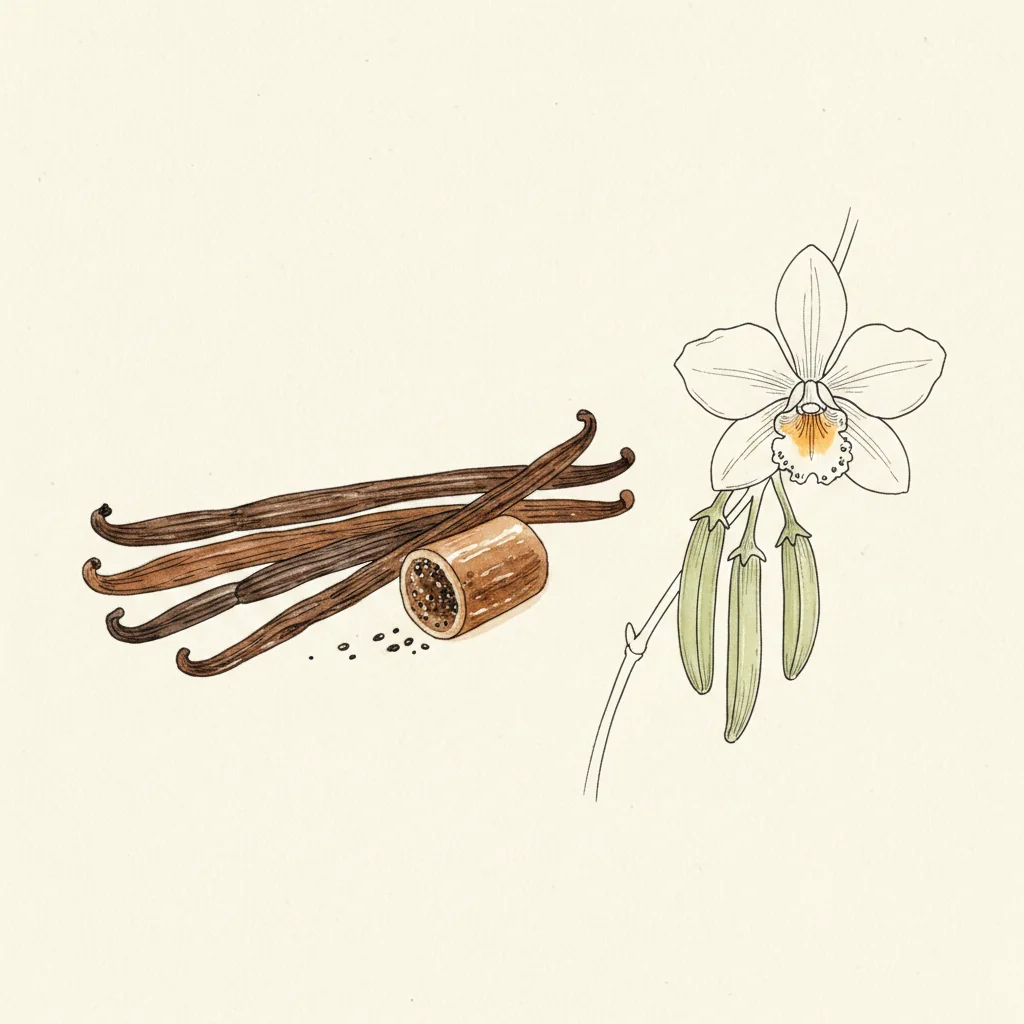
Spice · Vanilla
Papua New Guinea Vanilla
Sepik, Madang and Morobe provinces, Papua New Guinea
milk chocolate · blond tobacco · dried fig
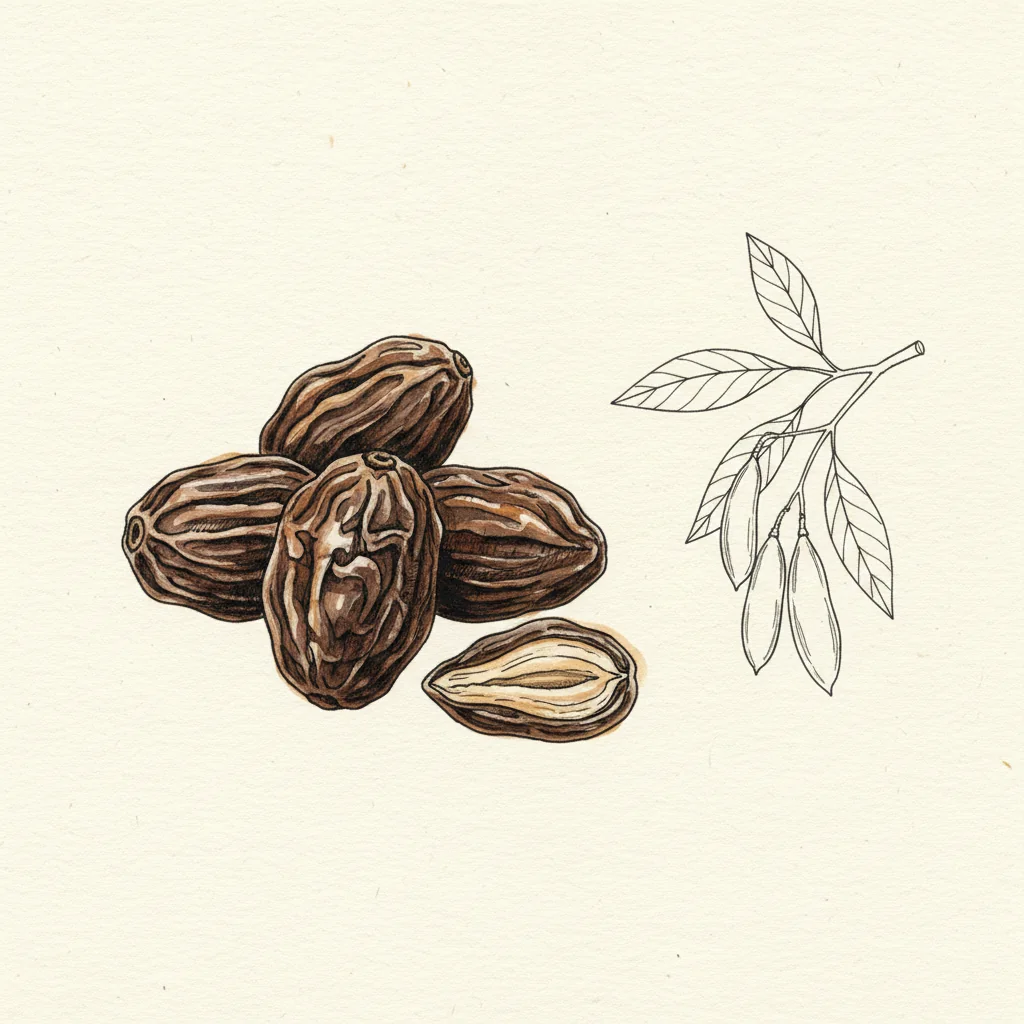
Spice · Spice kernel
Tonka Beans
Brazilian Amazon (Pará, Amazonas), Brazil
vanilla · bitter almond · cut hay
Our verdict
PNG vanilla builds the dish; tonka finishes it — where it's legal.
At a glance
| Criterion | Papua New Guinea Vanilla | Tonka Beans |
|---|---|---|
| Origin | Papua New Guinea, Sepik & Madang (Vanilla tahitensis) | Brazilian Amazon, Pará (Dipteryx odorata) |
| Flavor | Milk chocolate, blond tobacco, dried fig | Vanilla, bitter almond, cut hay, caramel |
| Intensity | 7/10 — broad, lightly resinous | 9/10 — one shaving fills the mouth |
| How to use | Split and steeped warm into milk, cream or butter | Grated to order over the microplane, never cooked in quantity |
| Legality (US) | Legal grocery item | FDA-banned in food — ships as fragrance/curiosity |
| Price | ~$22–$35 for ten Grade A pods | ~$12–$15 for a few beans (where allowed) |
| Value | Tahitensis character at half the Tahitian price. Worth it. | One bean lasts years and outlasts vanilla. Splurge, used sparingly. |
When to choose Papua New Guinea Vanilla
Reach for PNG vanilla when you need vanilla to be the body of a dish, not a grace note. Think of it as Tahitian vanilla with a heavier coat on: same species, Vanilla tahitensis, but grown higher in the Sepik and Madang highlands and cured shorter, so it trades some of Tahiti's bright floral lift for milk chocolate, blond tobacco and dried fig. That woodier, rounder profile makes it the smart pick for milk-chocolate ganache and caramels, rum-raisin infusions, yellow-fruit compotes of peach and apricot and mango, a vanilla ice cream that actually has backbone, and cream sauces for chicken and pork. The move is simple: split the pod, scrape the seeds, and steep the whole split pod warm into milk, cream or melted butter off the heat, then leave it to infuse, one pod per 500 to 750 ml of liquid. Keep it away from sharply acidic preparations that flatten its woody depth, away from heavy brines and cures that bury it, and don't double it with a second strong vanilla. Here's the real reason to buy it, and the line no shop selling Tahitian will print for you: PNG pours that same tahitensis character for roughly half the Tahitian price. Ten Grade A pods run about $22 to $35 in the US, or a tenner-plus in the UK from Sous Chef. This is the smart-money vanilla. Store the pods in an airtight glass tube away from light, and check suppleness now and then; if a pod stiffens, seal it for a few days with a pinch of damp pod pulp and it softens back. Whole pods hold their aroma for a couple of years, so a bulk buy at the value price doesn't go to waste.
When to choose Tonka Beans
Reach for tonka when you want an accent so concentrated that an eighth of a bean does the work of a whole vanilla pod and then some. Tonka is the cured seed of a giant Amazon canopy tree, grated to order over a microplane for vanilla, cut hay and bitter almond all at once, with a caramel-and-tobacco depth and an almost hypnotic finish that outlasts vanilla itself. It's a finishing spice, never a quantity ingredient: an eighth to a quarter of a bean grated for four servings, never more. It shines on crème brûlée and custards, white-chocolate ganache, panna cotta and rice pudding, prune and black-cherry compotes, and it crosses over to the savory side on celery-root and parsnip purée, sweetbreads and seared foie gras. Keep it away from a double hit of vanilla, because the two cancel into mud, away from heavily camphorous spices, and away from any dish you'd eat daily in quantity, because the coumarin adds up. That coumarin is also why US readers have to know the catch first: the FDA bans tonka in food, so it ships as a fragrance or food-grade curiosity, not a legal grocery item. Where it is allowed, a few beans run about $12 to $15 and last for years, kept whole in an airtight glass jar out of the light, where the aroma actually concentrates over five to ten years. Grate fresh each use. So the honest verdict is split by geography: if you're in the US, tonka isn't a legal everyday option and PNG vanilla does the work; where tonka is allowed, treat it as the rare finishing flourish, not the base, and never the thing you reach for twice a day.
Where to buy?
Papua New Guinea Vanilla
Links checked on
| Merchant | Price | Action |
|---|---|---|
| Amazon US | — | Amazon US |
| Native Vanilla | — | Native Vanilla |
| Sous Chef UK | — | Sous Chef UK |
Prices may vary depending on current promotions on the merchant site.
Tonka Beans
Links checked on
| Merchant | Price | Action |
|---|---|---|
| Amazon US | — | Amazon US |
| Sous Chef UK | — | Sous Chef UK |
| Steenbergs UK | — | Steenbergs UK |
Prices may vary depending on current promotions on the merchant site.
Frequently asked questions
- Is tonka legal in the United States?
- No. The FDA bans tonka in food because of its coumarin content, so it ships as a fragrance or food-grade curiosity, not a legal grocery item. PNG vanilla is a normal legal item, which is one reason US cooks default to it.
- Can PNG vanilla replace tonka?
- Not exactly — they aim at different jobs. PNG vanilla is the steeped base of a custard; tonka is a grated finishing accent of hay and almond. For US readers who can't buy tonka, PNG vanilla plus a scrape of nutmeg gets you closer than either alone.
- Why is PNG vanilla cheaper than Tahitian?
- Same species, Vanilla tahitensis, but grown higher and cured shorter in Papua New Guinea. You get most of the tahitensis character — milk chocolate, tobacco, fig — for roughly half the Tahitian price. It's the smart-money pod.
- How much tonka is too much?
- An eighth to a quarter of a bean for four servings is the ceiling. The coumarin adds up, so it's a once-in-a-while finishing accent, not a daily ingredient.
The best pairings
With Papua New Guinea Vanilla
With Tonka Beans
Comparison prepared according to our methodology. Sponsored purchase links — see our affiliations.