
Comparison
Ras el Hanout vs Berbere
Both are complex North and East African cooking blends, but heat and register split them. Ras el hanout is floral and gentle — dried rose, baking spice, 15 to 30 layers — built for tagine and couscous. Berbere is fierce, an 8-out-of-10 brick-red chile blend for Ethiopian stews. Use ras el hanout when you want perfume and warmth; use berbere when you want deep chile heat.
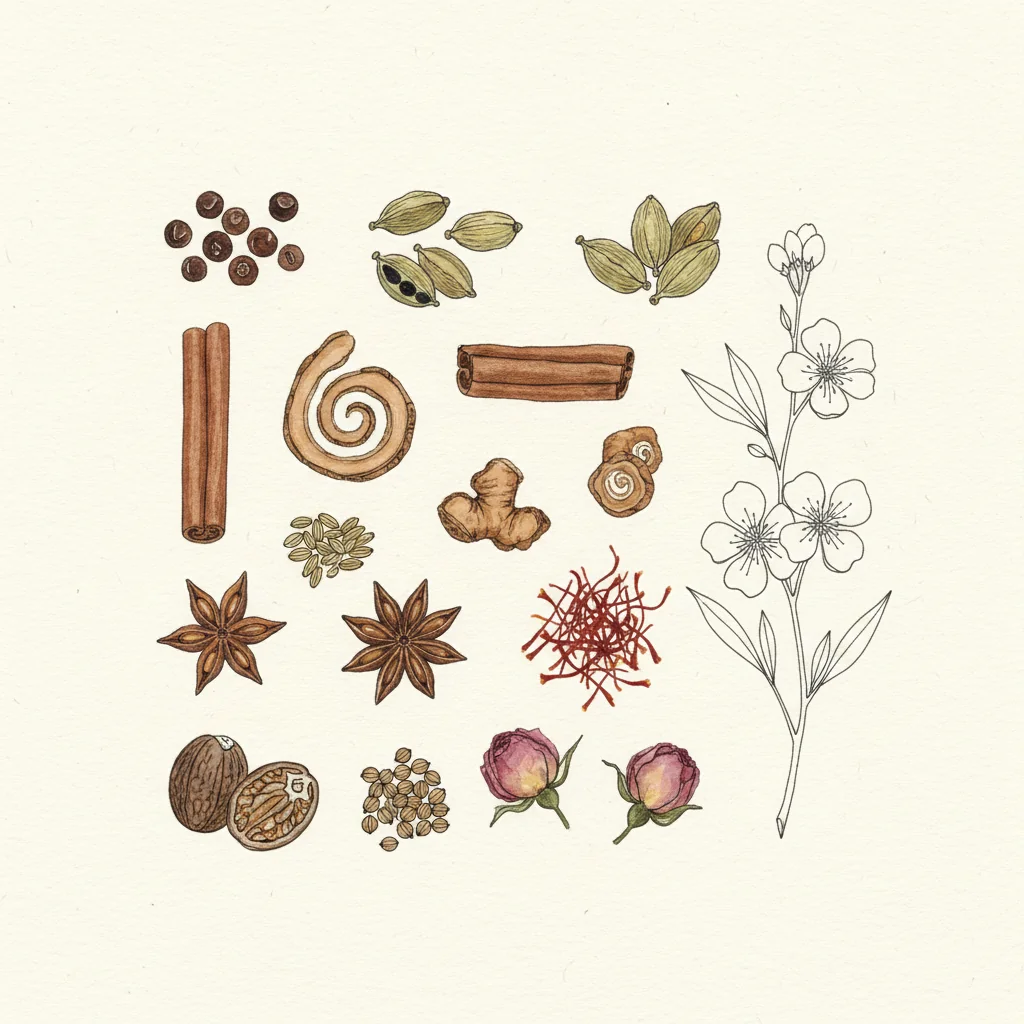
Spice · Blend
Ras el Hanout
Made across the country, with signature recipes in Fès, Marrakech and Tétouan, Morocco
warm baking spice · dried rose · spiced wood
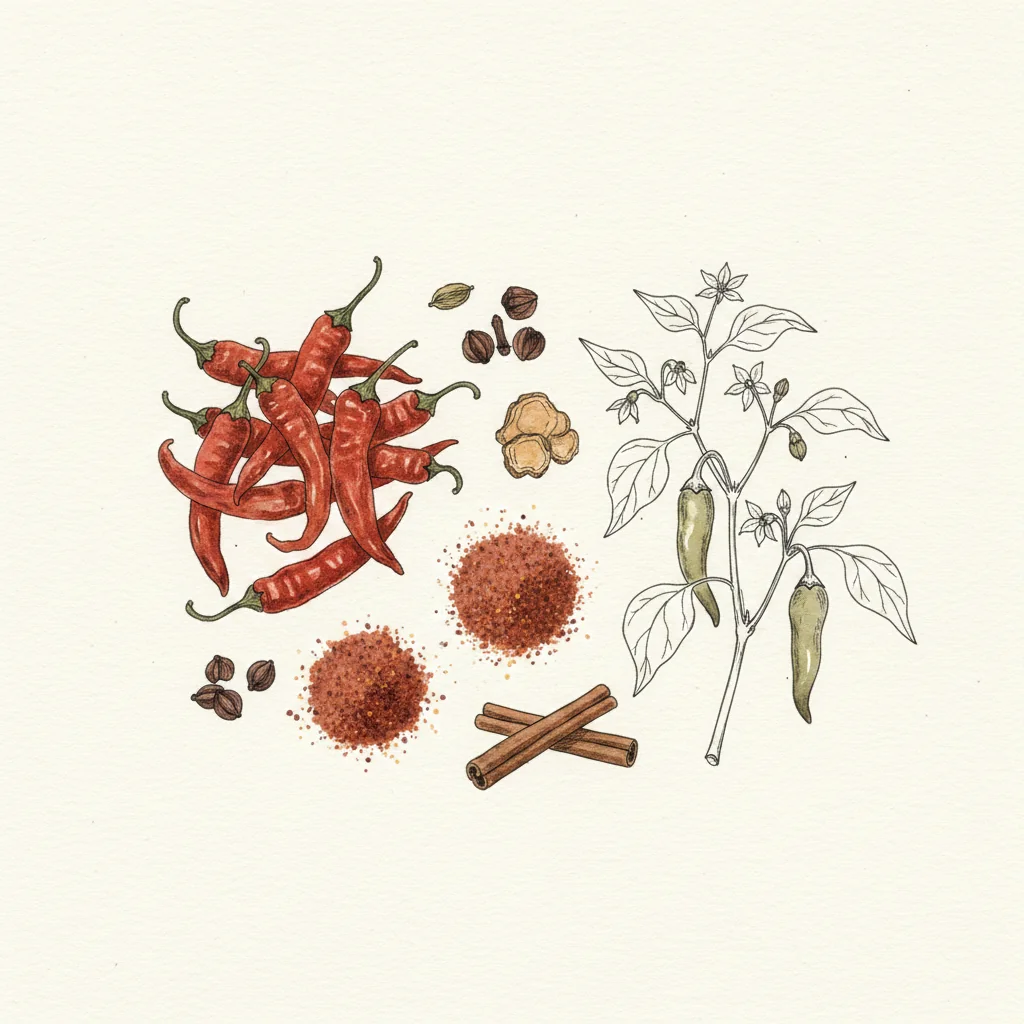
Spice · Blend
Berbere
Ethiopian highlands, household and regional recipes from Addis Ababa to Tigray, Ethiopia / Eritrea
dried chile · warm sweet spice · fenugreek
Our verdict
At a glance
| Criterion | Ras el Hanout | Berbere |
|---|---|---|
| Morocco — Fès, Marrakech, Tétouan signatures | Ethiopia and Eritrea — highland household recipes | |
| Warm baking spice, dried rose, spiced wood, candied citrus | Dried chile, warm sweet spice, fenugreek, ginger and garlic | |
| 6/10 — complex, no real burn, builds slowly | 8/10 — building chile heat with depth | |
| Floral and perfumed | Hot and earthy, with a bitter fenugreek edge | |
| Lamb tagine, royal couscous, kefta, honey-roasted vegetables | Doro wat, misir wot, tibs, roasted squash, chicken rubs | |
| ~$11 for a 50–60 g jar | ~$10 for a 4 oz bag |
When to choose Ras el Hanout
Ras el hanout is the pick when you want complexity and perfume without committing the dish to heat. The name means 'head of the shop' — the best blend a Moroccan merchant can build from his own stock, 15 to 30 spices with no fixed recipe, swung toward dried rose in Fès, warmer ginger and cubeb in Marrakech, more cardamom in Tétouan. It's floral and layered: warm baking spice, dried rose, spiced wood, candied citrus, a light musk, building slowly across the palate with no real burn. That register is built for lamb tagine with prunes and almonds, royal couscous, kefta meatballs, honey-roasted carrots and squash, pilaf, roast chicken. Bloom it early in the fat, never raw — about a tablespoon per tagine for four, or 30 g per kilo of meat for couscous. The catch is sourcing: with no standard recipe, a supermarket sachet can be a flat, cumin-heavy shadow of the real thing, so buy from a real attar or serious house, around $11 a jar. Reach for it when the dish should smell like a Moroccan souk, not burn like an Ethiopian stew.
When to choose Berbere
Berbere is the pick when you want chile heat with depth, not floral warmth. It's the backbone of Ethiopian and Eritrean cooking, a brick-red blend built on fermented, sun-dried chiles and over a dozen warm spices like fenugreek, korarima, ginger and ajwain. The heat is real and structured — an 8 out of 10 that builds, wrapped in sweet warm spice with a faint bitter fenugreek edge underneath, never just fire. Where ras el hanout perfumes, berbere commits: it owns doro wat, misir wot, beef and lamb tibs, roasted sweet potatoes, and rubs for grilled chicken or short ribs. Bloom it early in oil or niter kibbeh at the base of a stew, never sprinkle it raw — and start low, 1 to 2 tablespoons per pot for four, because it builds well past the bite. The red dulls to brown within about a year, so buy small and replace it when the color goes. At about $10 a 4 oz bag, it's the blend for when you want the dish to carry deep, earthy heat, not a floral nose.
Where to buy?
Ras el Hanout
Links checked on
| Merchant | Price | Action |
|---|---|---|
| Amazon US | — | Amazon US |
| Sous Chef UK | — | Sous Chef UK |
Prices may vary depending on current promotions on the merchant site.
Berbere
Links checked on
| Merchant | Price | Action |
|---|---|---|
| Burlap & Barrel | — | Burlap & Barrel |
| Amazon US | — | Amazon US |
| Sous Chef UK | — | Sous Chef UK |
Prices may vary depending on current promotions on the merchant site.
Frequently asked questions
- Which is hotter?
- Berbere, decisively. It's built on fermented dried chiles and runs about 8 out of 10, while ras el hanout carries no real burn — its complexity is floral and aromatic, not hot. If heat is what you're after, berbere; if perfume, ras el hanout.
- Can I swap one for the other?
- Not well. Ras el hanout in an Ethiopian stew leaves it perfumed but missing the chile heat that defines the dish; berbere in a tagine adds fierce heat that buries the floral notes. They're both bloomed-in-fat blends, but they belong to different cuisines and intensities.
- Are they used the same way?
- Technically yes — both are bloomed in fat or oil at the base of the dish, never sprinkled raw on the finished plate. The technique overlaps; the destinations don't. Ras el hanout goes into Moroccan tagines and couscous, berbere into Ethiopian wots and tibs.
- Which is more versatile in a Western kitchen?
- Ras el hanout edges it for gentle, broad use — it perfumes roasted vegetables and chicken without heat that scares anyone off. Berbere is more specialized and fierier, brilliant in stews and bold rubs but too hot to season lightly. Pick by whether you want warmth or fire.
The best pairings
With Ras el Hanout
With Berbere
Comparison prepared according to our methodology. Sponsored purchase links — see our affiliations.