
Comparison
Hawaiian red Alaea vs black lava salt: which to choose?
Pick by color and dish. Red Alaea is sea salt with iron-rich volcanic clay, about $10 for 100 g, the ritual salt of poke and kalua pork with a real earthy edge. Black lava is sea salt with charcoal, around $8 to $14, glossier and milder, bought for jet-black contrast on pale food. Hawaiian flavor and tradition, Alaea. Pure visual drama, black.
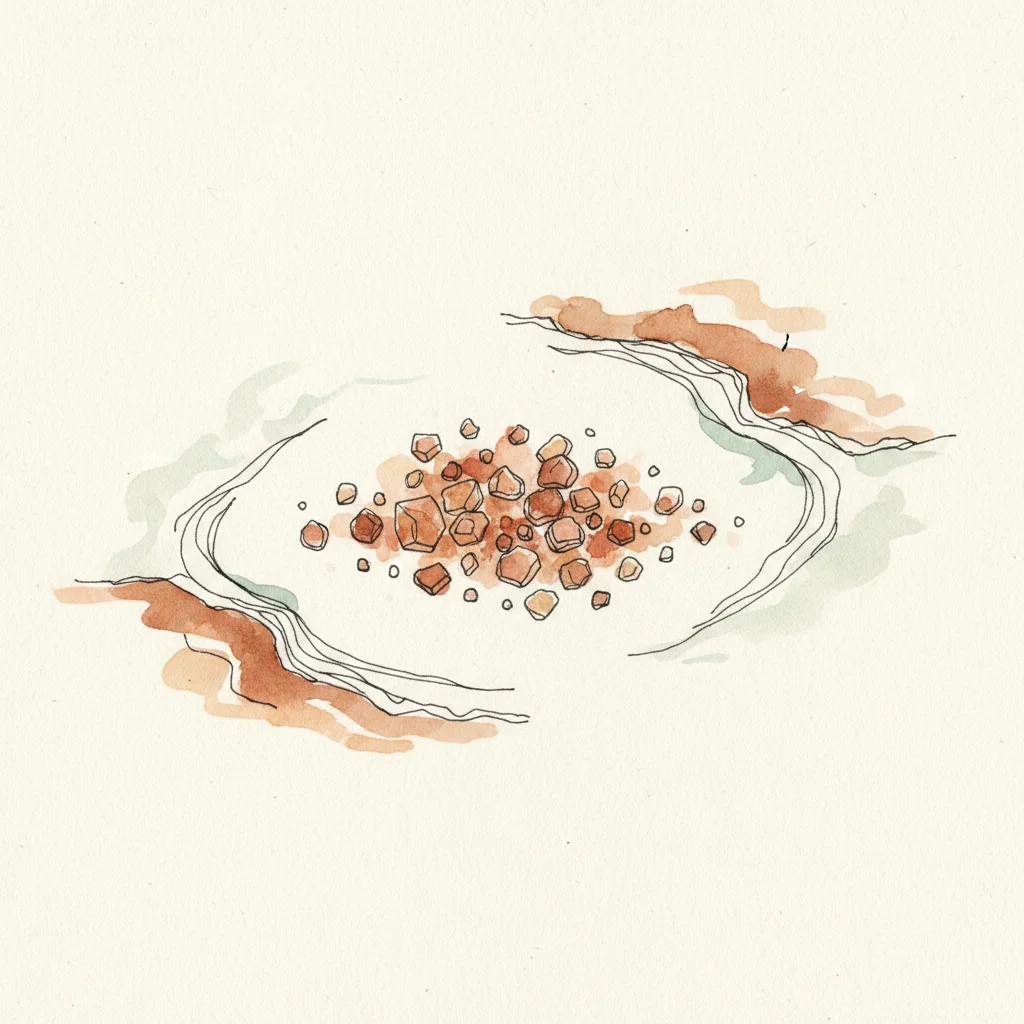
Salt · Seasoned salt
Hawaiian Red Alaea Salt
Hawaiian Islands, island of Kauai, United States
soft, round saltiness · iron-mineral edge · red-earth note
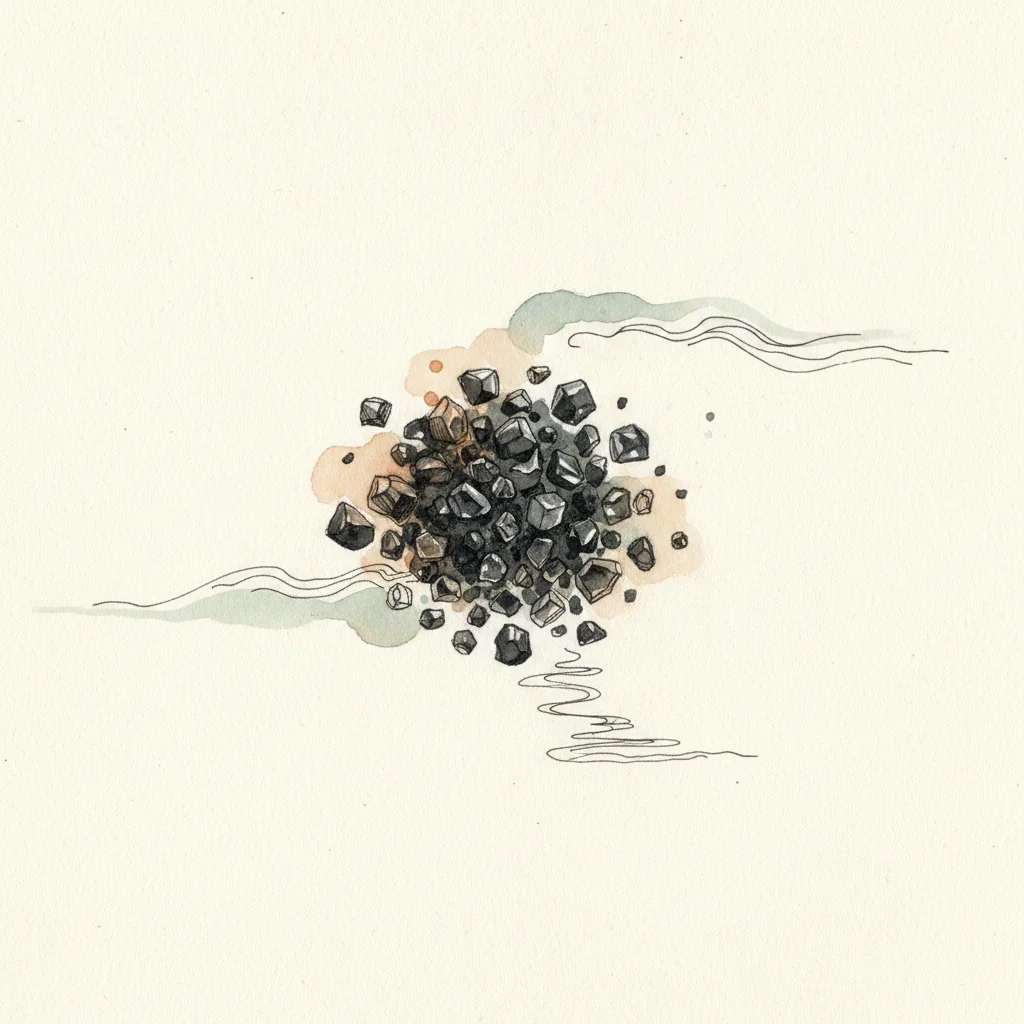
Salt · Seasoned salt
Hawaiian Black Lava Salt (Hiwa Kai)
Molokai, Hawaiian archipelago (Pacific solar-evaporated sea salt), United States
round clean salinity · faint smoke · marine mineral
Our verdict
Red Alaea for Hawaiian flavor and tradition; black lava for jet-black contrast.
At a glance
| Criterion | Hawaiian Red Alaea Salt | Hawaiian Black Lava Salt (Hiwa Kai) |
|---|---|---|
| Origin | Kauai, Hawaii (Pacific sea salt) cut with iron-rich alaea clay | Molokai, Hawaii (Pacific sea salt) cut with activated coconut charcoal |
| Coloring agent | Red volcanic clay (alaea), blended during crystallization | Activated coconut-shell charcoal |
| Profile | Soft round saltiness, iron-mineral edge, red-earth note, toasted nut | Round clean salinity, faint smoke, soft velvety charcoal trace |
| Intensity | 6/10 — a real earthy character | 6/10 — flavor secondary to the look |
| Color and look | Burnt-orange to copper | Glossy jet black |
| Best use | Ahi poke, kalua pork, grilled pineapple, seared salmon, a red rim | Seared tuna, scallops, crudo, deviled eggs, white panna cotta |
| Price | ~$8 to $12 for a 4 oz (113 g) jar | ~$8 to $14 for a small jar |
| Value verdict | Worth it, real Hawaiian provenance and earthy flavor | Worth it for the contrast, but the flavor is minimal |
When to choose Hawaiian Red Alaea Salt
Reach for Hawaiian red Alaea salt when you want a finishing salt with genuine flavor and cultural weight, not just a color. It is Pacific sea salt blended during crystallization with alaea, an iron-rich red volcanic clay from the islands, which gives it a burnt-orange to copper hue and a soft, faintly earthy mineral edge with a toasted-nut note. This is the ritual salt of Hawaiian cooking, the soul of poke and kalua pork, and it still carries ceremonial weight on the islands, so you are getting provenance as well as taste. As a finish it crunches first, then melts gently into an iron-and-clay close. It is built for ahi poke bowls, kalua pork, grilled or roasted pineapple, seared salmon, beef carpaccio, and the rim of a red cocktail like a margarita or paloma. Scatter a pinch raw over the plated dish, two or three crystals per portion, for the crunch and the copper streak; keep it out of broths and braises that dissolve the color, off dishes already heavy with red, and away from sharply acidic preparations. Against the black lava salt, the Alaea is the one that actually contributes flavor to a finished dish, where the lava is closer to pure decoration. Expect about $8 to $12 for a 4 oz jar; the clay is stable so it keeps for years, and if the copper dulls the salt is still fine, just dried out a touch. Choose Alaea when the food is Hawaiian, or when you want earthy character with your color.
When to choose Hawaiian Black Lava Salt (Hiwa Kai)
Reach for Hawaiian black lava salt when the effect you are after is purely visual: jet-black crystals on a pale plate. Hiwa Kai is Pacific sea salt blended with activated coconut-shell charcoal, and that charcoal is what makes it glossy black, not a volcanic mineral. The flavor is round and clean with only a faint smoke and a soft velvety trace, so it brings less to the taste than the Alaea does; what it brings is contrast. Jet-black against pale food is something the copper Alaea cannot match, so it shines on seared rare tuna, raw scallops, crudo, hummus and white bean dips, soft-boiled eggs, sushi, poke and white panna cotta or salted caramel. The look does as much work as the flavor, which is why you keep it for light surfaces and never scatter it on anything already dark, where you lose the appeal. The catch: heat bleeds the color out, so finish raw and off the heat or you have wasted it. It cracks firmly, then melts fast and clean with an earthy mineral finish and no bitterness. A small jar runs about $8 to $14 and keeps for years, the charcoal being stable and fade-proof. Between the two Hawaiian salts, the choice is simple: if you want flavor and tradition, the red Alaea wins; if you want the most dramatic dark contrast a salt can give on pale food, the black lava is the only one of the pair that delivers it.
Where to buy?
Hawaiian Red Alaea Salt
Links checked on
| Merchant | Price | Action |
|---|---|---|
| Amazon US (Salt Traders) | — | Amazon US (Salt Traders) |
| The Spice House | — | The Spice House |
| Sous Chef UK | — | Sous Chef UK |
Prices may vary depending on current promotions on the merchant site.
Hawaiian Black Lava Salt (Hiwa Kai)
Links checked on
| Merchant | Price | Action |
|---|---|---|
| Amazon US | — | Amazon US |
| SaltWorks (seasalt.com) | — | SaltWorks (seasalt.com) |
Prices may vary depending on current promotions on the merchant site.
Frequently asked questions
- What gives each salt its color?
- Red Alaea gets its burnt-orange to copper color from alaea, an iron-rich Hawaiian volcanic clay blended in during crystallization. Black lava (Hiwa Kai) gets its glossy black from activated coconut-shell charcoal. Neither color is a dye; both are natural additions to Pacific sea salt.
- Which one has more flavor?
- Red Alaea. The volcanic clay gives a soft, earthy, iron-mineral edge with a toasted-nut note that genuinely contributes to a finished dish. Black lava is milder, with a faint smoke and a charcoal trace; it is bought mainly for the visual contrast, not the taste.
- Can I cook with these salts?
- No, both are finishing salts. Dropped into broths or braises, the Alaea's color dissolves and the lava salt's charcoal black bleeds out. Scatter either one raw over the plated dish, off the heat, two or three crystals per portion for the crunch and the color.
- Which should I buy first?
- If you cook Hawaiian food or want earthy flavor, start with red Alaea, the soul of poke and kalua pork, at about $8 to $12. If you mainly want a dramatic black streak on pale dishes for presentation, the black lava at $8 to $14 is the one to get.
The best pairings
With Hawaiian Red Alaea Salt
With Hawaiian Black Lava Salt (Hiwa Kai)
Comparison prepared according to our methodology. Sponsored purchase links — see our affiliations.