
Comparison
Sherry vinegar vs apple cider vinegar — when to use each?
Both are workhorses, but they sit at different intensities. Sherry vinegar is sharp, nutty, and oak-aged — the acid for gazpacho, vinaigrettes, and pan deglazes, about $16. Apple cider vinegar is rounder and fruitier, the gentler acid for slaws, quick pickles, and Carolina mop sauce, about $6. For depth, sherry. For everyday brightness and value, ACV.
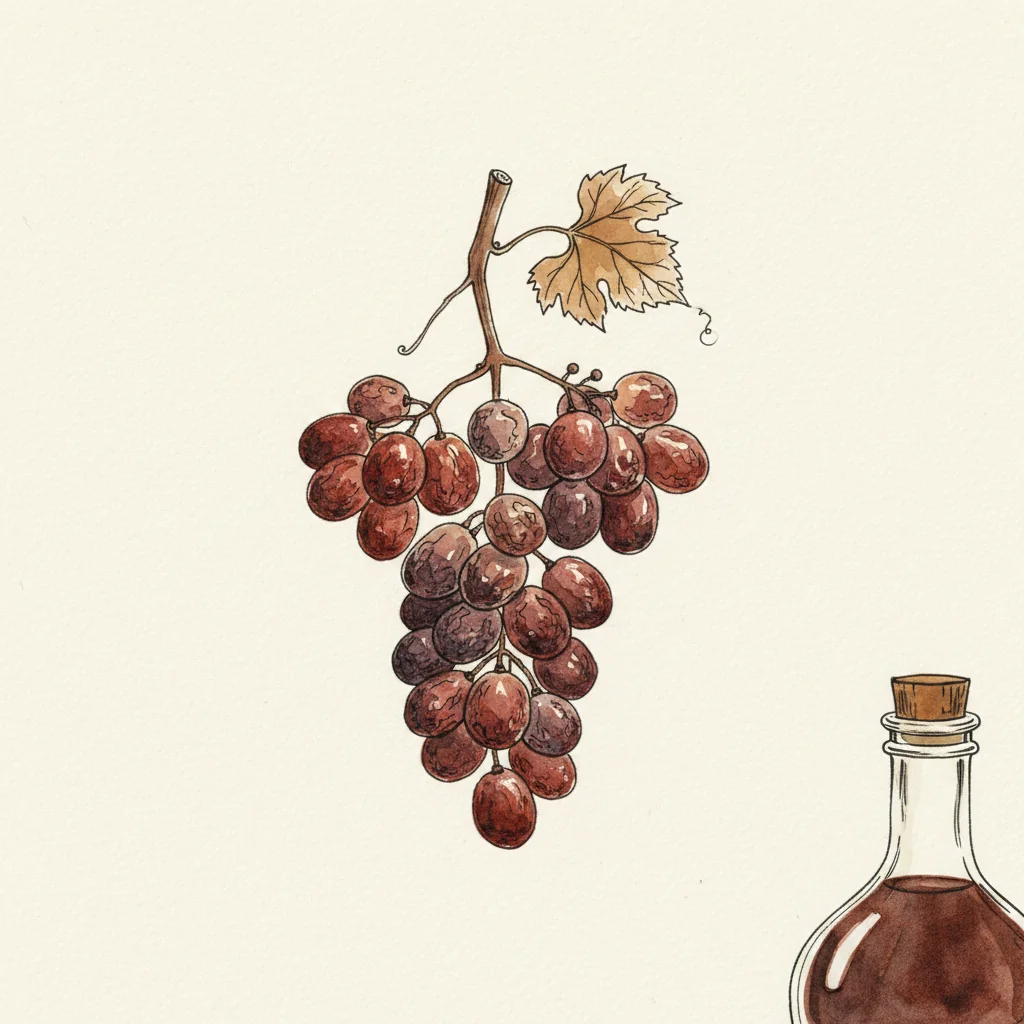
Vinegar · Sherry vinegar
Sherry Vinegar (Jerez) PDO
Jerez de la Frontera, Andalusia (the Sherry Triangle: Jerez, El Puerto de Santa María, Sanlúcar de Barrameda), Spain (PDO)
toasted walnut · dried fig · oak
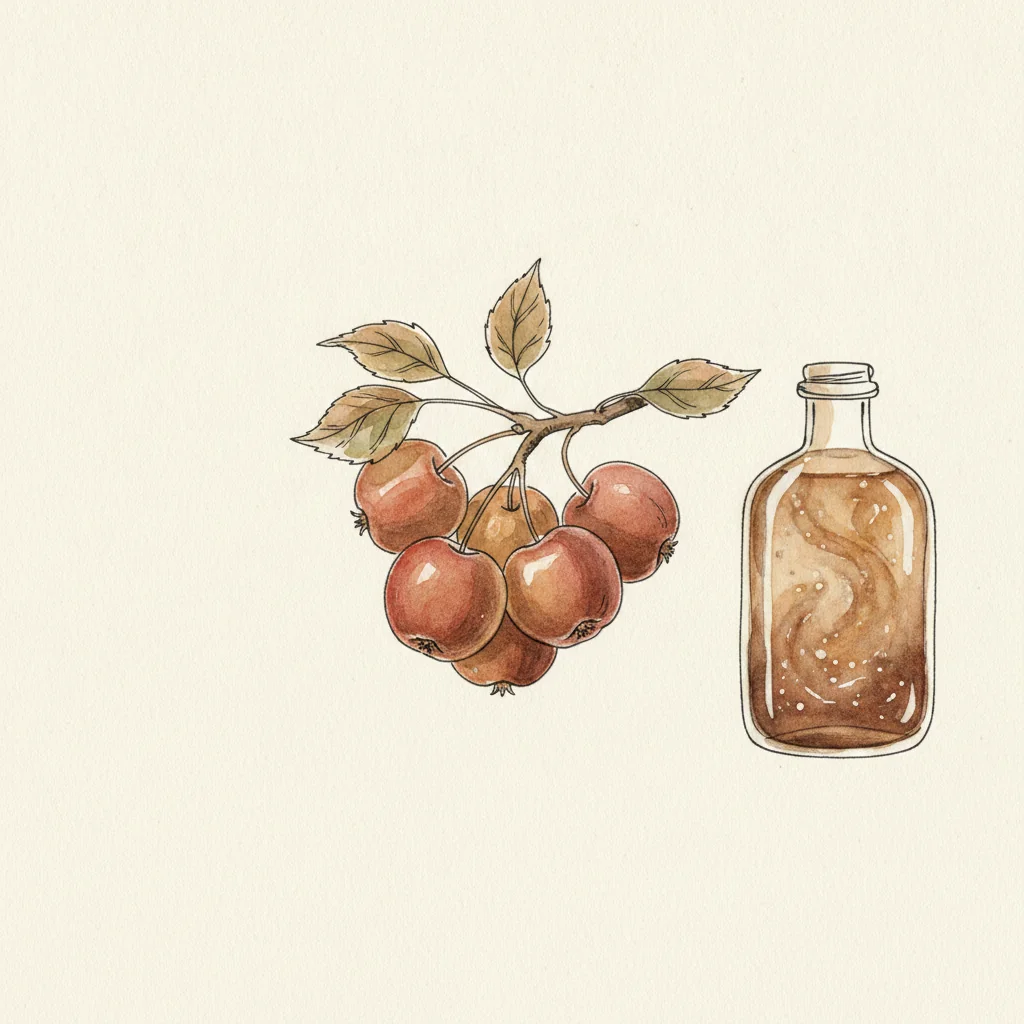
Vinegar · Raw cider vinegar
Raw Apple Cider Vinegar
Vermont (US) · Herefordshire (UK), traditional cider-apple country, United States / United Kingdom
ripe apple · soft honey · clean tartness
Our verdict
Sherry for nutty depth, apple cider for round everyday brightness.
At a glance
| Criterion | Sherry Vinegar (Jerez) PDO | Raw Apple Cider Vinegar |
|---|---|---|
| What it is | Solera-aged wine vinegar from Jerez | Raw unfiltered cider vinegar with the mother |
| Origin | Jerez, Andalusia, Spain | Vermont (US) / Herefordshire (UK) |
| Appellation | Vinagre de Jerez PDO | None |
| Intensity | 8/10 — sharp then round and nutty | 5/10 — round, bright, mellow |
| Main notes | Toasted walnut, dried fig, oak | Ripe apple, soft honey, clean tartness |
| Best use | Gazpacho, vinaigrette, pan deglaze | Slaw, quick pickles, mop sauce, marinades |
| Median price | $16 / 250ml (Reserva) | $6 / 16oz |
| Value | Depth and complexity worth the step up | The cheapest everyday acid you'll reach for most |
When to choose Sherry Vinegar (Jerez) PDO
Reach for the sherry vinegar when you want acid with depth, not just sharpness. Vinagre de Jerez is solera-aged in oak under PDO rules in Andalusia, so it pours sharp up front then turns round and nutty, with toasted walnut, dried fig, oak, and an oxidative savory edge no apple vinegar can match. That complexity is what earns its place: it's the soul of gazpacho and salmorejo, the splash that lifts sautéed mushrooms and a pan deglaze, the acid in a vinaigrette for bitter greens and lentils, the finish on roast chicken or pork drippings. The rule against apple cider: when the dish wants a grown-up, nutty, oxidative acid — Spanish cooking, a serious vinaigrette, a pan sauce that needs backbone — the sherry is the one, because the ACV's fruity roundness reads simpler there. It's also remarkably stable: tightly capped at room temperature it keeps for years and only deepens, and a little sediment in an aged bottle is normal, not spoilage. Use it about one part to four parts oil in a vinaigrette, or a teaspoon to deglaze a pan. The discipline: don't simmer it long, which flattens the nutty notes, and don't stack it with another sharp aged vinegar. Reserva (two years) is the everyday workhorse; Gran Reserva (ten-plus years) is the splurge finishing splash. Where sherry loses to the ACV is on the homely, high-volume jobs and on price. At about $16 for a 250ml Reserva it costs more than twice the ACV, and on a coleslaw, a quick pickle, or a Carolina mop sauce its oak-and-walnut depth is wasted — those dishes want a rounder, fruitier, cheaper acid you can pour by the cup. So the split: sherry for the dishes where the vinegar's character should show, ACV for the everyday volume work. The verdict on sherry: it's the more sophisticated acid and worth the step up wherever complexity matters, but it's a specialist next to the ACV's all-purpose reach. Buy the Reserva, keep it for cooking and dressings with ambition, and don't waste it on the slaw.
When to choose Raw Apple Cider Vinegar
Reach for the apple cider vinegar as the everyday acid you keep within arm's reach — this is the one vinegar you'll use most. Raw, unfiltered, with the mother still in the bottle, it carries real ripe apple, soft honey, and a tartness rounder and more mellow than any wine vinegar. That gentleness is its strength: it's the right acid for coleslaw and slaw dressings, for quick pickles of onions and cucumbers, for chicken and pork marinades, for a Carolina-style barbecue mop sauce, for a splash in braised greens, for a vinaigrette over soft leaves at about one part vinegar to three parts oil. The catch worth stating plainly: it isn't a health tonic, it's a workhorse, and the value is in how often you reach for it, not in any wellness claim. At about $6 for a 16oz bottle (Bragg's in the US, Aspall's around £3 in the UK) it's cheap enough to pour by the splash without a second thought, and that's exactly how it pulls its weight. The rule against the sherry: when the dish wants approachable, fruity brightness rather than nutty depth — slaws, pickles, marinades, mop sauce — the ACV is the better and far cheaper tool, and the sherry's oak character would be wasted or even out of place. Where ACV loses to sherry is complexity and ambition. On a serious vinaigrette, a gazpacho, a pan deglaze that needs backbone, the apple note can read simple and the sherry's toasted-walnut depth pulls ahead. It's also not the acid for a sharp, clean cut — for raw fish or anywhere you want crisp neutral sourness, a white wine vinegar beats it, since the apple note can muddy a delicate plate. Keep it capped, away from light, at room temperature; a cloudy raft or sediment is the mother, perfectly edible, and it keeps for years, only mellowing. The verdict on ACV: it's the cheapest, most-used, most forgiving acid in the cupboard, the default splash for everyday cooking. Buy it first, use it freely, and reach for the sherry only when a dish wants the step up in depth.
Where to buy?
Sherry Vinegar (Jerez) PDO
Links checked on
| Merchant | Price | Action |
|---|---|---|
| Amazon US | — | Amazon US |
| Sous Chef UK | — | Sous Chef UK |
| Brindisa | — | Brindisa |
Prices may vary depending on current promotions on the merchant site.
Raw Apple Cider Vinegar
Links checked on
| Merchant | Price | Action |
|---|---|---|
| Amazon US | — | Amazon US |
Prices may vary depending on current promotions on the merchant site.
Frequently asked questions
- When should I use sherry vinegar instead of apple cider vinegar?
- When the dish wants nutty, oxidative depth: gazpacho, a serious vinaigrette, a pan deglaze, anything Spanish. Sherry's toasted-walnut-and-oak character outclasses the ACV's simpler fruit there. For slaws, pickles, and mop sauce, the ACV is the better fit.
- Which is cheaper?
- Apple cider vinegar, easily — about $6 for 16oz against $16 for a 250ml sherry Reserva. The ACV is the pour-freely everyday acid; the sherry is the step-up bottle you ration for dishes where its character shows.
- Is raw apple cider vinegar actually healthier?
- Treat it as a cooking ingredient, not a tonic. The mother and the raw, unfiltered body make it tasty and lively, but the value is culinary — slaws, pickles, marinades, mop sauce — not any wellness claim.
- Can I swap them in a recipe?
- Sometimes, with care. Both bring acid, but sherry is sharper and nuttier, ACV rounder and fruitier, so the dish changes character. For a sharp clean cut on raw fish, use neither — reach for white wine vinegar instead.
The best pairings
With Sherry Vinegar (Jerez) PDO
With Raw Apple Cider Vinegar
Comparison prepared according to our methodology. Sponsored purchase links — see our affiliations.