
Comparison
Tupelo vs sourwood honey — which Southern honey?
Two prized Southern honeys, each from a short bloom. Tupelo (~$20) is buttery, pear-and-caramel, and famously never crystallizes — the smoother, more delicate one. Sourwood (~$16) is spiced and gingerbread-like, with more punch. For texture and finesse, tupelo. For warm spiced character, sourwood.
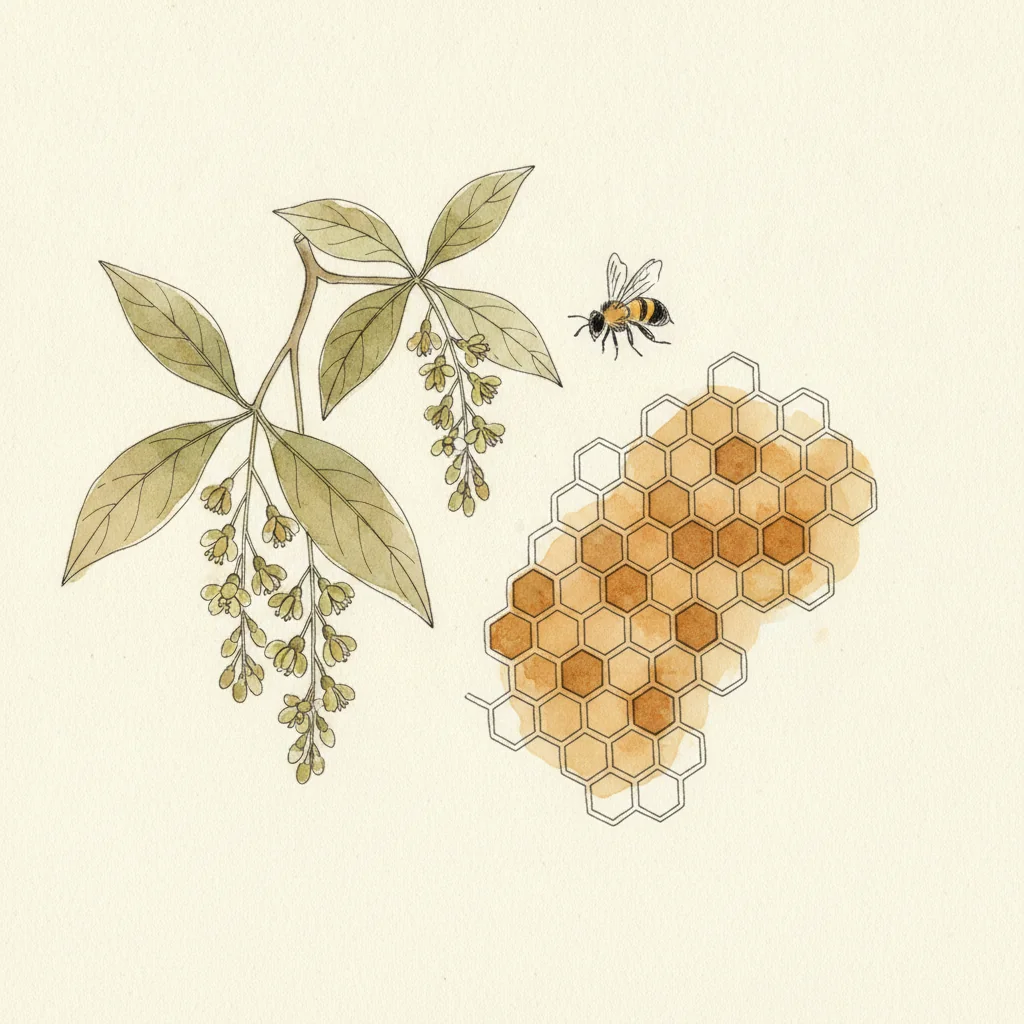
Honey · Varietal honey
Tupelo Honey
Apalachicola River basin, Florida (Wewahitchka, Gulf County), United States
buttery florals · fresh pear · soft caramel
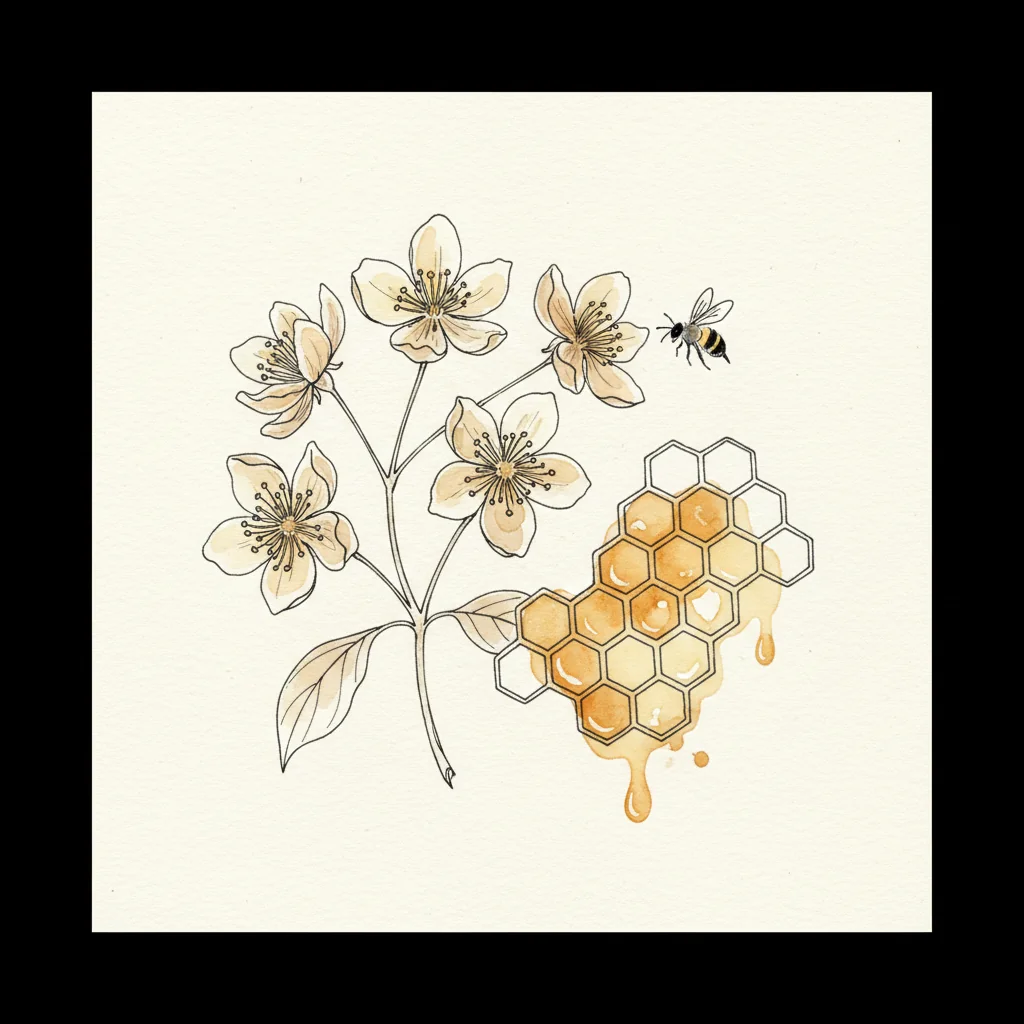
Honey · Monofloral honey
Sourwood Honey
Southern Appalachians (North Carolina, Georgia, Tennessee), United States
buttery caramel · spiced gingerbread · ripe stone fruit
Our verdict
Tupelo for silky, non-crystallizing finesse; sourwood for spiced gingerbread character at a lower price.
At a glance
| Criterion | Tupelo Honey | Sourwood Honey |
|---|---|---|
| Origin | Apalachicola River basin, Florida | Southern Appalachians (NC, GA, TN) |
| Botanical | Nyssa ogeche (white tupelo) | Oxydendrum arboreum (sourwood) |
| Crystallizes? | Almost never (famous for it) | Slowly |
| Intensity | 5/10 — buttery, delicate | 6/10 — spiced, gingerbread |
| Main notes | Buttery florals, fresh pear, soft caramel | Buttery caramel, gingerbread, ripe stone fruit |
| Best use | Biscuits, tea, sharp cheese, yogurt | Biscuits, aged cheddar, oatmeal, a spoon from the jar |
| Median price | ~$20 / 12 oz jar | ~$16 / 16 oz jar |
| Value verdict | Worth it for texture & the pear note | Worth it for spiced character, cheaper |
When to choose Tupelo Honey
Tupelo is the Southern honey to choose for texture and finesse. Harvested for roughly three weeks each spring from white tupelo trees standing in the Apalachicola River swamps of the Florida Panhandle, it pours buttery and pale gold with a pear-and-caramel sweetness and — its signature trick — a silky body that never crystallizes or turns grainy in the jar. A real single-origin 12 oz jar runs about $20, a few dollars over sourwood, and the cheap supermarket 'tupelo blend' is not the same thing. Four jobs where tupelo edges sourwood. First, hot tea — it stays liquid with no clumps, ever, which sourwood can't promise. Second, warm buttermilk biscuits, where the buttery body and clean pear top note read as elegant rather than spiced. Third, Greek yogurt and granola, where the no-grain texture is half the pleasure. Fourth, anywhere you want a delicate, refined honey rather than a punchy one — the more restrained of the two. The rule: if you prize smoothness, a clean pear note and a honey that never sets, it's tupelo; if you want warmth and spice, go sourwood. Keep it raw and off the heat — long baking cooks off the delicate florals, and strong spice or smoke masks it, so use cheap clover there. Its limit is its delicacy: it's quieter than sourwood and easier to bury under a bold dish. But for silky texture, a pear-caramel signature and the famous refusal to crystallize, tupelo is the more refined pour, and worth its small premium for it.
When to choose Sourwood Honey
Sourwood is the Southern honey to choose for warmth and character. It comes from the sourwood tree, which blooms for only two or three weeks in July across the Appalachians, so a bad summer means no crop — it's every bit as rare and chased as tupelo. Where tupelo is delicate and buttery, sourwood is spiced and bolder: caramel and gingerbread with a ripe stone-fruit edge and a faint warm-anise finish. A 16 oz jar of the real thing runs about $14 to $22 — a few dollars under tupelo, with more flavor punch for the money. Four jobs where sourwood edges tupelo. First, straight off the spoon, where its gingerbread complexity simply doesn't need a vehicle — the connoisseur's test, and sourwood passes it. Second, oatmeal and Greek yogurt at breakfast, where the warm spice lifts the bowl out of the ordinary in a way tupelo's quieter sweetness can't. Third, sharp aged cheddar and creamy goat cheese, where it has the body to stand up. Fourth, drizzled over pan-roasted pork or fried chicken, where the spiced note plays savory. The rule: if you want spiced, gingerbread character with more punch, it's sourwood; if you want silky delicacy that never crystallizes, tupelo. Keep it raw and cold at the very end — long cooking bakes off the aromatics, and a strong honey-mustard glaze buries the floral notes. Its limit is that it sets more readily than tupelo, slowly crystallizing over time (a gentle warm-water bath restores it). But for warm spice and real personality at a lower price, sourwood is the more characterful of the two great Southern honeys.
Where to buy?
Tupelo Honey
Links checked on
| Merchant | Price | Action |
|---|---|---|
| Amazon US | — | Amazon US |
| Smiley Honey | — | Smiley Honey |
| L.L. Lanier & Son | — | L.L. Lanier & Son |
Prices may vary depending on current promotions on the merchant site.
Sourwood Honey
Links checked on
| Merchant | Price | Action |
|---|---|---|
| Amazon US | — | Amazon US |
| Asheville Bee Charmer | — | Asheville Bee Charmer |
| Blue Ridge Honey Company | — | Blue Ridge Honey Company |
Prices may vary depending on current promotions on the merchant site.
Frequently asked questions
- Tupelo or sourwood — which Southern honey is better?
- Neither is strictly better; they taste different. Tupelo is silky, buttery and never crystallizes. Sourwood is spiced and gingerbread-like with more punch and a lower price. Choose by whether you want finesse or warmth.
- Why are both so hard to find?
- Each comes from a very short bloom — about three weeks for tupelo in spring, two to three weeks for sourwood in July — and a bad season can wipe out the crop entirely. Real single-origin jars are limited and worth verifying.
- Which one never crystallizes?
- Tupelo, famously — it stays liquid for years thanks to high fructose. Sourwood crystallizes slowly over time; a gentle warm-water bath under 104°F restores it without harming the aromatics.
- Which is the better value?
- Sourwood edges it on price — about $16 versus $20 for a real tupelo jar — and gives more flavor punch per dollar. Tupelo's premium buys its silky texture and pear note.
The best pairings
With Tupelo Honey
With Sourwood Honey
Comparison prepared according to our methodology. Sponsored purchase links — see our affiliations.