
Comparison
Olive oil vs cold-pressed rapeseed oil — which to cook with?
They're not rivals, they're a division of labor. Tuscan IGP is a raw finishing oil — peppery, bitter, gone the second it hits heat. Cold-pressed rapeseed has a smoke point near 446°F (230°C), so it actually cooks. Roast and fry with the rapeseed (about £5), finish the plate with the Tuscan ($33). Buy both.
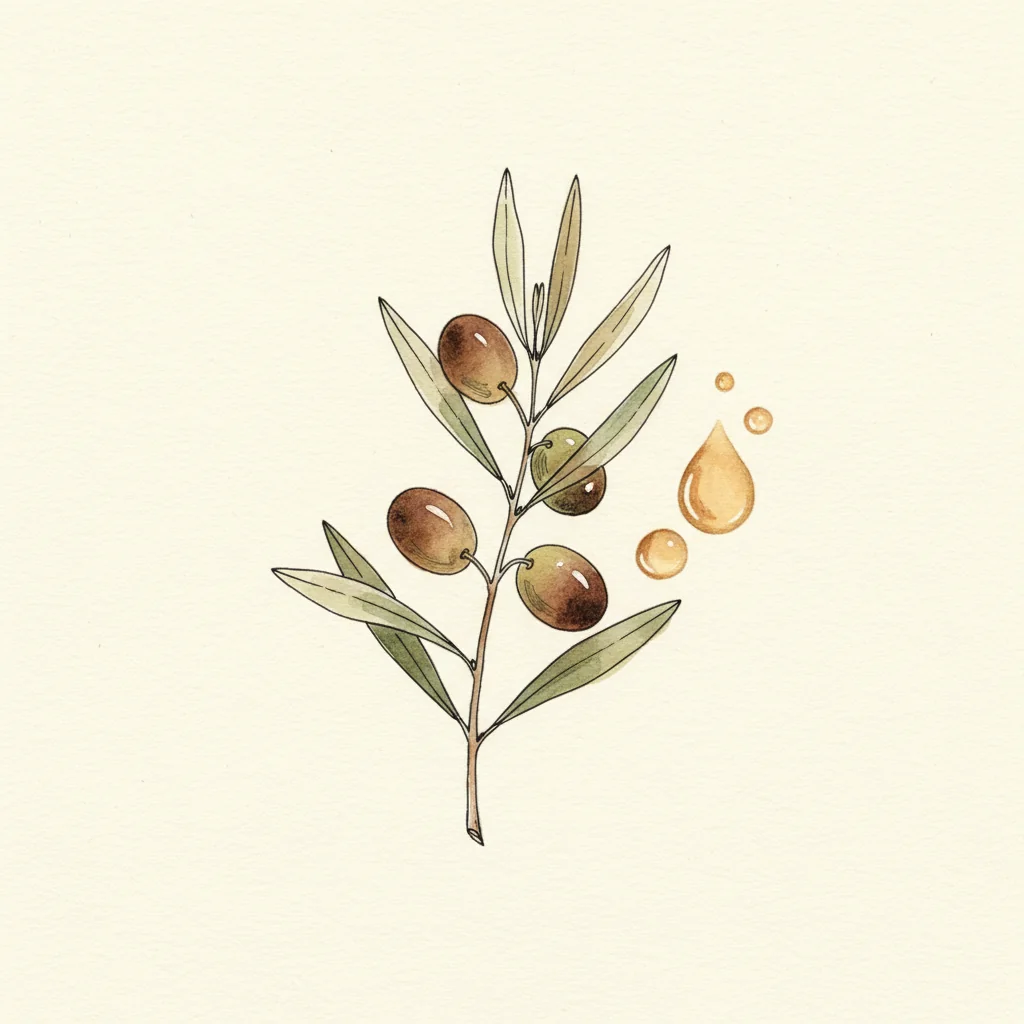
Oil · Olive oil
Tuscan Extra Virgin Olive Oil IGP
Tuscany (Chianti, Lucca, Siena, Florence), Italy (IGP)
raw artichoke · fresh almond · wild herbs
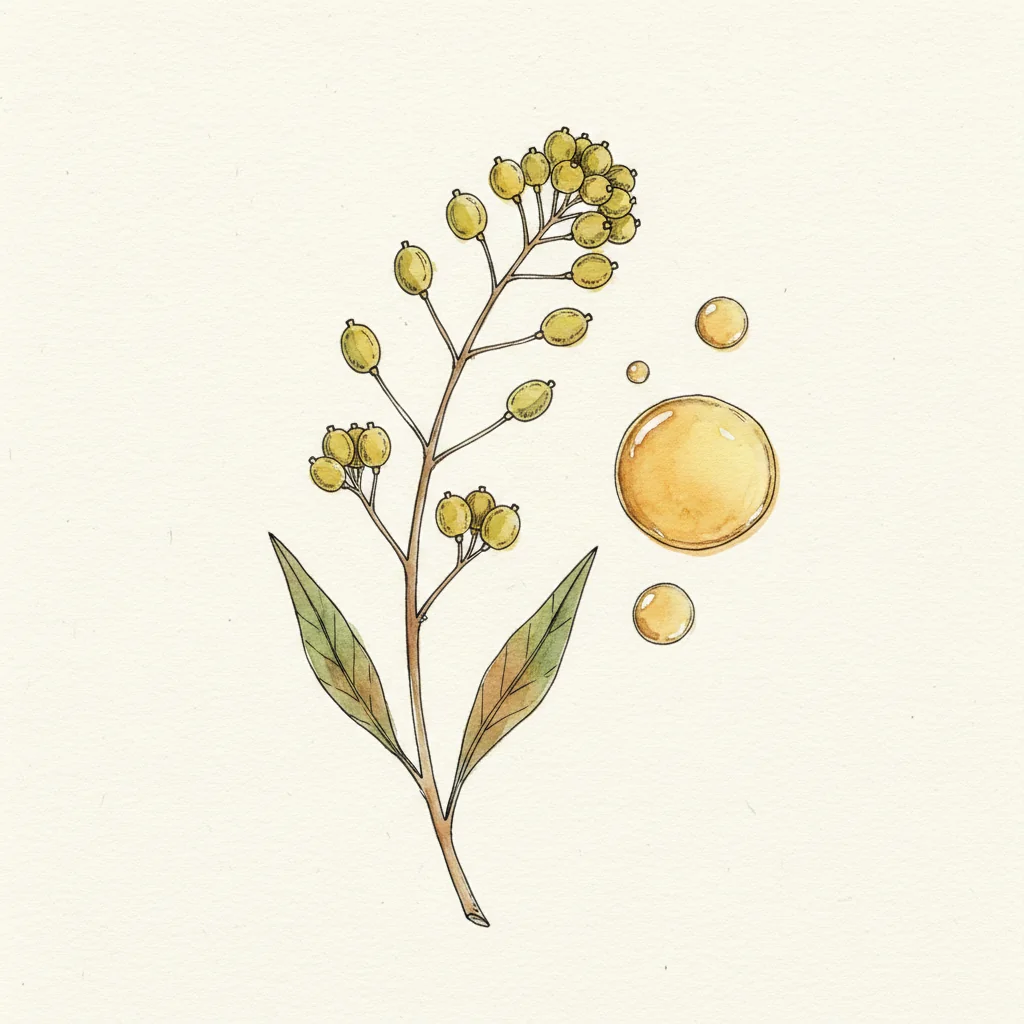
Oil · Cold-pressed oil
Cold-Pressed Rapeseed Oil
Yorkshire Wolds and the Cotswolds, single-estate farms, England
cut grass · toasted nut · fresh hay
Our verdict
Rapeseed cooks, Tuscan finishes — they do different jobs.
At a glance
| Criterion | Tuscan Extra Virgin Olive Oil IGP | Cold-Pressed Rapeseed Oil |
|---|---|---|
| Type | Extra virgin olive oil (raw finisher) | Cold-pressed rapeseed oil (cooks and finishes) |
| Origin | Tuscany, Italy (IGP) | Yorkshire Wolds and Cotswolds, England |
| Smoke point | Low — burns and goes bitter on heat | High, near 446°F (230°C) — roasts and fries |
| Intensity | 8/10 — peppery, noble bitterness | 5/10 — grassy, nutty, no peppery burn |
| Main notes | Raw artichoke, fresh almond, wild herbs | Cut grass, toasted nut, fresh hay |
| Best use | Raw over steak, ribollita, bruschetta | Roast potatoes, dressings, mayo, roasting |
| Median price | $33 / 500ml | £5 / 500ml |
| Value | Splurge for the finish, never the pan | The cheapest workhorse in the cupboard |
When to choose Tuscan Extra Virgin Olive Oil IGP
Reach for the Tuscan when the cooking is already done and you want a final flourish you can taste. Toscano IGP is pressed early and green from Frantoio, Moraiolo, and Leccino, so it leads with raw artichoke and fresh almond and finishes on a pepper kick that builds at the back of the throat. That punch is the whole reason it exists, and it only survives raw — drizzle it over a bistecca the moment it's carved, over ribollita, over fettunta or grilled bread, and it sings. The rule that matters here: this oil never goes near sustained heat. Above a gentle warmth the polyphenols and aroma you paid $33 for are gone in seconds, and you've turned a finishing oil into an expensive, ordinary cooking fat with a low smoke point that'll smoke before it's useful. So don't think of the Tuscan as the rapeseed's competitor for the roasting tray — it loses that fight on cost and on chemistry. Think of it as the thing you reach for after the rapeseed has done the work. One to two tablespoons over each plate, at the table, just before serving. Best inside eighteen months of harvest, in tinted glass or a tin, cool and dark. Where the Tuscan is irreplaceable is the flavor a neutral cooking oil can never give: the green bitterness, the climbing pepper, the sense that the oil has a postcode. No rapeseed, however good, delivers that noble pungency. So the honest verdict isn't Tuscan-or-rapeseed; it's both, in their lanes. If you can only justify one bottle and you fry and roast more than you drizzle, the rapeseed is the practical buy. But if you already keep a cooking oil and want the plate to finish with something that announces itself, the Tuscan is the splurge that earns it — rationed for steaks, soups, and bread worth dressing properly, where a drizzle costs pennies and reads like a chef walked through your kitchen.
When to choose Cold-Pressed Rapeseed Oil
Reach for the cold-pressed rapeseed when there's actual cooking to do. Pressed from rapeseed grown on single estates in the Yorkshire Wolds and the Cotswolds, it carries a grassy, nutty flavor and — the part that matters — a smoke point near 230 degrees Celsius, far above any extra virgin olive oil. That means it roasts and fries without scorching or going bitter, and it crisps roast potatoes harder than olive oil does, which is the trick it's quietly famous for. Coat a tray of potatoes, roast vegetables and chips, build a homemade mayonnaise on it, whisk it into vinaigrettes, or just drizzle it raw over a Sunday roast carvery — it does double duty, cooking fat and finisher both. The rule against the Tuscan: anywhere there's heat, the rapeseed wins outright, because the Tuscan burns off the very aromatics you paid for and smokes at the wrong temperature for the job. And at about £5 for 500ml against the Tuscan's $33, the rapeseed costs a fraction, so you pour it freely on the tray without flinching. Where it loses is the finish on a plate that wants olive oil's character. Rapeseed is light and clean with a short, nutty tail and no peppery burn — lovely, but it can't give you the green bitterness and climbing pepper of a Tuscan, and on a dish built around the oil itself it reads as too quiet. So keep it for the cooking and the everyday dressing, not the showpiece drizzle. Store it in a cool, dark cupboard away from the hob and sunlight, which turn it rancid faster than olive oil; its high omega-3 content means it doesn't keep forever, so use it within a few months of opening. The honest verdict: this is the workhorse, the bottle you actually cook with most nights, and at this price it's the cheapest serious upgrade in the cupboard. It isn't trying to be the Tuscan — it's doing the job the Tuscan can't.
Where to buy?
Tuscan Extra Virgin Olive Oil IGP
Links checked on
| Merchant | Price | Action |
|---|---|---|
| Amazon US | — | Amazon US |
| Olive Oil Lovers | — | Olive Oil Lovers |
| Sous Chef UK | — | Sous Chef UK |
Prices may vary depending on current promotions on the merchant site.
Cold-Pressed Rapeseed Oil
Links checked on
| Merchant | Price | Action |
|---|---|---|
| Amazon UK | — | Amazon UK |
| Cotswold Gold | — | Cotswold Gold |
| Sous Chef UK | — | Sous Chef UK |
Prices may vary depending on current promotions on the merchant site.
Frequently asked questions
- Which one should I cook with?
- The rapeseed, every time. Its smoke point near 446°F (230°C) handles roasting and frying, and it crisps roast potatoes harder than olive oil. The Tuscan burns off its aromatics on heat and smokes at the wrong temperature — it's a raw finisher, full stop.
- So do I need both?
- Effectively yes. They do different jobs: rapeseed cooks and dresses everyday plates for about £5; Tuscan finishes the showpiece plate raw for about $33. Buy the rapeseed first if you can only get one, then add the Tuscan as a splurge.
- Is rapeseed oil healthier than olive oil?
- It's a different fat, not a magic one. Cold-pressed rapeseed is high in omega-3, which is also why it goes rancid faster — use it within a few months of opening. The bigger health story for both is keeping the good extra virgin raw so its polyphenols survive.
- Why does rapeseed crisp potatoes better?
- Its higher smoke point lets the tray get hotter without the oil breaking down, so the surface dehydrates and crisps harder before it can scorch. Olive oil's lower smoke point caps how hot you can safely push it.
The best pairings
With Tuscan Extra Virgin Olive Oil IGP
With Cold-Pressed Rapeseed Oil
Comparison prepared according to our methodology. Sponsored purchase links — see our affiliations.